
The Engine dilemma
Why Airlines Are Trying to Make Engines Last Longer in 2025

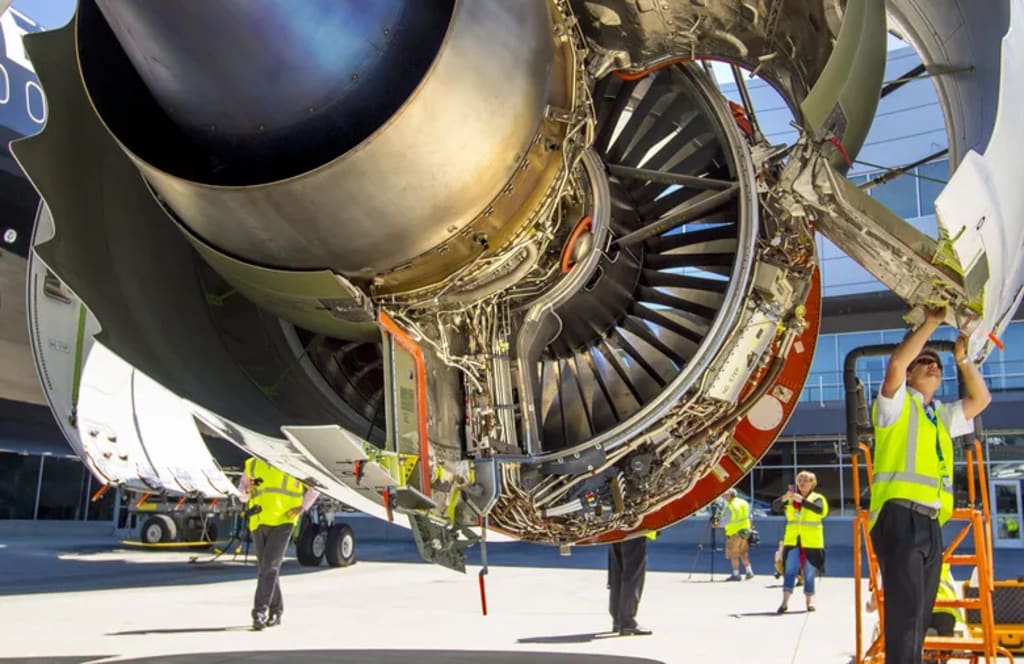
Jet engines are the heart of any commercial aircraft—massive, meticulously engineered machines that can cost upwards of $10 to $15 million to overhaul. In 2025, as the aviation industry continues recovering from pandemic-era disruptions, airlines are taking bold steps to extend the life of their engines. But why is this happening now, and what does it mean for the future of air travel?
The Booming Business of Engine Overhauls
Repairing and maintaining jet engines is no small endeavor—it’s a $58 billion industry. A single overhaul can run anywhere between $4 million to $15 million, depending on the engine type and the extent of the work needed. These engines consist of thousands of intricate parts, some of which are incredibly expensive. For example, turbine blades can cost $30,000 each, and a single engine can have 40 to 60 of them.
With engines designed to remain in service for up to 30 years, most require a full overhaul every 5 to 8 years. But in the wake of supply chain issues, aircraft delivery delays, and record-high passenger demand, the aviation industry is facing a major bottleneck in engine maintenance.
Why Old Engines Are Sticking Around
Due to pandemic-induced delays, Boeing and Airbus have struggled to deliver new aircraft on time. As a result, airlines are flying older aircraft longer—well into their 20s. This aging fleet means increased maintenance costs and growing demand for aftermarket services, especially engine repairs.
With engine recalls and limited parts availability, airlines are experiencing massive delays at engine repair shops. Where it once took 60 to 75 days to overhaul a narrowbody engine, it can now take over 200 days.
Shortages of Parts and Labor
The aviation industry is still grappling with a shortage of spare parts and qualified labor. Technicians can't predict how long an engine will stay in the shop, leading to scheduling nightmares for airlines trying to keep planes in the air.
This crunch has led many legacy carriers, like American Airlines and Delta, to bring engine overhauls in-house. American Airlines alone plans to increase its engine overhauls by 60% this year. With a fleet of over 950 planes—each with two engines plus spares—they’re managing a staggering 2,200+ engines internally.
How a Jet Engine Works (And Why It's Hard to Maintain)
Most airliners today use turbofan engines, which are incredibly complex. Here’s a simplified breakdown:
Air enters through a large front fan.
80% of that air bypasses the engine core for thrust.
The remaining 20% enters the core, is compressed, mixed with fuel, and ignited at temperatures of up to 3,000°F.
Hot air pushes through turbines, powering the fan and compressor—and propelling the aircraft forward.
Every part of that process involves high-stress, high-temperature components that wear out over time. Many engine parts are life-limited, legally requiring replacement after a set number of flight cycles (takeoff to landing).
The Razor-Razor Blade Business Model
Engine makers like GE Aerospace, Rolls-Royce, and Pratt & Whitney dominate the market—but they make much of their revenue from maintenance, not just new engines. GE, for instance, made over $15 billion from MRO (Maintenance, Repair, and Overhaul) services, compared to just $8 billion from new engine sales.
Manufacturers are also investing heavily in repair capacity. GE is putting $1 billion into upgrading engine shops in the first half of 2024 alone. The business model is clear: sell the engine once, then profit from the ongoing upkeep for decades.
A Massive, Precision-Driven Operation
Inside a major engine overhaul facility, like American Airlines’ 3.3 million-square-foot center in Tulsa, OK, the process is anything but simple:
Engines are disassembled into thousands of parts.
Each part is cleaned, tested, and inspected using methods like x-rays, ultrasound, and fluorescent penetrant inspection.
Technicians evaluate every component for microscopic damage.
Only then are parts replaced, refitted, and reassembled.
Even one turbine blade may require precision measurements and cost tens of thousands of dollars. And with over 1,200 parts per engine, overhauls are labor-intensive and expensive.
In-House Overhauls: A Strategic Move
Despite the enormous cost and complexity, some airlines are opting to perform engine work themselves—not necessarily to save money, but to gain control. By keeping maintenance internal, they reduce reliance on overloaded third-party shops and avoid costly spare engine rentals.
In fact, airlines like American say their internal operations are so large that they’re one of GE’s biggest customers, even without contracting them for labor. Instead, they simply buy the parts and do the work themselves.
The Outlook for 2025 and Beyond
In 2024 alone, the market is expected to see 10,000 shop visits for engine overhauls, and the demand is still rising. With 3,000+ aircraft repair shops in the U.S., and annual growth around 2.7%, engine services remain a vital part of aviation’s future.
For airlines in 2025, the goal is clear: make engines last longer, maximize uptime, and stay airborne—even if it means transforming into their own repair shops. In a time when every flight matters, the true battleground isn't just in the skies—it's under the wing.
About the Creator
Horace Was
Essay Writer, Aviation and Technology Expert
Keep reading
More stories from Horace Was and writers in Wander and other communities.
Not Enough AMTs
The Growing Crisis in Aircraft Maintenance In 2025, the aviation industry is facing a growing and deeply concerning challenge: a critical shortage of qualified airplane mechanics. As airlines rapidly scale up operations post-pandemic and demand for air travel skyrockets, the availability of trained maintenance professionals simply isn't keeping pace. This gap poses not only logistical and operational issues but also raises concerns about aviation safety, delays, and long-term sustainability of air travel.
By Horace Was11 months ago in Wander
Photography Tours: Everything You Need to Know
If you have ever returned from a wildlife trip with images that fell short of the experience — blurry shots, blown highlights, or subjects that disappeared before you could compose the frame — you already understand the core argument for booking dedicated photography tours rather than standard nature or wildlife excursions. Photography tours exist to close the gap between the wildlife you see and the images you actually bring home.
By Michael Wilson5 days ago in Wander
How Much For A Cup of Coffee? The Most Expensive Coffee In London
People might argue that Coffee is an American import, which came over during the early 90s, when coffee shops started spring up all over London. Coffee has been part of the London scene for centuries, in fact as far back as 1652.
By Tabby London6 days ago in Wander



Comments (1)
Thanks for this marvelous content. I love it.