
Not Enough AMTs
Why There Are Not Enough Airplane Mechanics in 2025


The Growing Crisis in Aircraft Maintenance
In 2025, the aviation industry is facing a growing and deeply concerning challenge: a critical shortage of qualified airplane mechanics. As airlines rapidly scale up operations post-pandemic and demand for air travel skyrockets, the availability of trained maintenance professionals simply isn't keeping pace. This gap poses not only logistical and operational issues but also raises concerns about aviation safety, delays, and long-term sustainability of air travel.
So, why exactly is this shortage happening?
1. An Aging Workforce Is Retiring Fast
One of the biggest drivers of the mechanic shortage is demographics. The majority of current aircraft maintenance technicians are over 50 years old. With retirement looming for many, the industry is losing decades of hands-on experience faster than it can replace it.
According to the Aviation Technician Education Council (ATEC), over 30% of the existing workforce is expected to retire within the next 5 to 10 years. While newer recruits are coming in, they aren’t arriving fast enough to bridge this widening talent gap.
2. A Lack of Awareness and Promotion
Unlike glamorous pilot careers or high-tech aerospace engineering roles, aircraft maintenance doesn't always get the spotlight. Many high school students or career switchers simply don’t know this profession exists—or don’t understand its significance.
The job requires expertise, responsibility, and high technical skill, but is often misrepresented or overlooked in educational guidance. Without strong promotional efforts, fewer people are drawn into aviation maintenance schools or training programs.
3. Training Takes Time and Money
Becoming a certified airplane mechanic isn’t a quick or cheap process. It takes 18 to 24 months of full-time training at an FAA-approved Aviation Maintenance Technician School (AMTS), often followed by additional certification exams. Tuition costs and living expenses during training are steep, deterring many potential students.
Furthermore, airlines and maintenance companies have been slow to invest in apprenticeships or “earn while you learn” models—leaving a financial barrier in place for would-be mechanics.
4. Rapid Tech Advancements Are Outpacing Training
Modern aircraft are more sophisticated than ever. From composite materials to advanced avionics and AI-driven diagnostics, today’s aircraft require knowledge of not just nuts and bolts, but also data systems, coding, and electronics.
Unfortunately, many training programs haven’t kept up with these technological shifts. This has created a knowledge gap where even graduates may need months of additional hands-on training to become fully effective.
5. High Stress, Low Recognition
Airplane mechanics are under intense pressure to perform. They’re responsible for people’s lives, working under strict deadlines, and often in harsh conditions. Despite this, their work often goes unnoticed by the public.
The physical and mental demands of the job, combined with relatively modest pay (especially for entry-level positions), lead many to leave the field after just a few years. Burnout is common, and retention is a growing concern for airline maintenance departments.
What Can Be Done?
To address this shortage, a multi-pronged approach is needed:
Boost awareness through aviation outreach programs in schools and communities.
Revamp training programs to match new technology and offer flexible learning models.
Offer financial incentives, such as scholarships, tuition reimbursement, or paid apprenticeships.
Improve working conditions and pay scales to attract and retain talent.
Recognize the role of airplane mechanics publicly and within the industry.
Final Thoughts
The aviation world simply cannot function without the skilled hands of aircraft mechanics. In 2025, this vital sector is teetering on the edge of a full-blown workforce crisis. But with the right investment, outreach, and innovation, the skies can remain safe and sustainable—because behind every smooth takeoff is a mechanic who made it possible.
About the Creator
Horace Was
Essay Writer, Aviation and Technology Expert
Keep reading
More stories from Horace Was and writers in Wander and other communities.
Rwanda's New $53M Pilot School
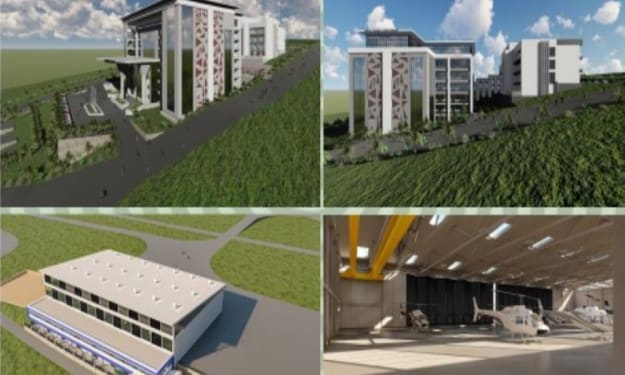
Rwanda is poised to take a giant leap toward establishing itself as a leader in the African aviation industry with the proposal of a $53.5 million aviation training centre and aircraft hangar in Kigali. This ambitious project, part of the country’s broader strategy to strengthen its aviation sector, is expected to not only build local capacity but also provide skilled personnel for Rwanda and the wider region.
By Horace Was11 months ago in Wander
Away from the Crowds in Wisconsin
Located on Lake Superior, the Apostle Islands are great for outdoor adventures. They are known for pristine beaches and sea caves. Cliffs offer awesome views. Visitors enjoy hiking along scenic trails or getting out on the water and sailing.
By Rasma Raisters3 days ago in Wander



Comments
There are no comments for this story
Be the first to respond and start the conversation.