
The Cayman Islands
A British Overseas Territory


The Cayman Islands is a British Overseas Territory. It consists of three islands in the western Caribbean Sea – the largest island Grand Cayman, which is known for its beach resorts and diving and snorkeling sites, Cayman Brac is popular for deep-sea fishing, and Little Cayman, the smallest island. It is home to diverse wildlife.

The capital of the Cayman Islands is George Town which is an offshore banking hub. This is a popular cruise-ship stop. Shopping is one of the most popular things to do here and there are many duty-free shops. Visitors can enjoy art galleries along the harbor front.
Among the highlight are:

The Cayman Islands National Museum displays historical and ecological exhibits.

The National Gallery of the Cayman Islands with a fine collection of local art and themed temporary exhibits. There are lovely sculpture gardens and the Art Cafe.
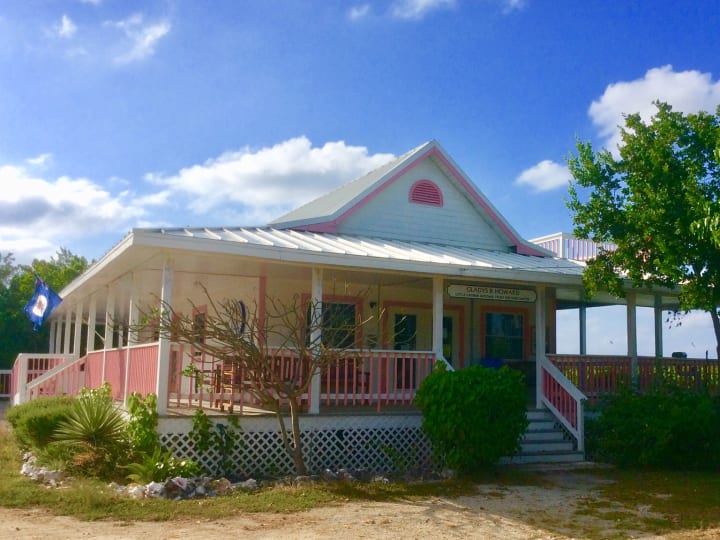
The National Trust for the Cayman Islands Visitor Center is where you can learn about the island’s natural history.

Seven Mile Beach on Grand Cayman is a lovely and popular beach that is on the list of the best beaches in the Caribbean. The beach is fringed with casuarinas and coconut palms with powder-soft sand and turquoise sea. It stretches along the island’s main road north of the capital George Town.

Camana Bay is a new pedestrian-friendly waterfront development with restaurants, shops, a cinema, interactive fountains, and an Observation Tower, offering 360-degree views across Seven Mile Beach, George Town, and the North Sound.

The development of Town Square offers community events and the popular farmers’ market.

Stingray City is one of the most famous shallow-water snorkel and dive sites in the Caribbean and one of Grand Cayman’s top tourist attractions. It is located in Raleigh Quay. Here you can enjoy frolicking among stingrays. Popular activities here are swimming, diving, and snorkeling.

Atlantis Submarines in Georgetown offers visitors the chance to experience the world underwater without getting wet. This 48-passenger submarine plunges into depths of 30 meters. Peering through the windows you can see tropical fish, shallow reefs, underwater canyons, and even shipwrecks. Night submarine tours and shallow water excursions are also available in their Sea World Observatory.

The Pedro St. James National Historic Site just about 20 minutes east of George Town is home to a restored 18th century plantation house known as Pedro’s Castle. It is one of the oldest buildings on the island. The three-story stone structure is known as the “Birthplace of Democracy in the Cayman Islands”. This was the place where in 1831 the decision was made to form the nation’s first elected parliament. Visitors can tour the house and learn about its history during a 3D multi-media presentation in the theater.
The Cayman Islands are one of the best diving destinations in the Caribbean.

Devil’s Grotto with crevices and swim-throughs.

At the North Wall, you can glimpse stingrays, eagle rays, and turtles.

Bloody Bay Marine Park is off Little Cayman. It is an underwater wonderland with Jackson’s Blight and the famous Bloody Bay Wall, that plunges to depths of over 1,800 meters.
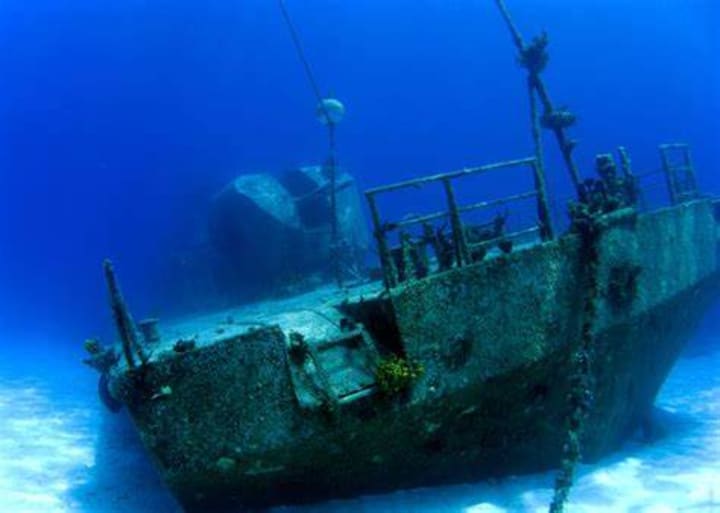
The sunken Russian frigate, MV Captain Keith Tibbetts is one of the most famous wrecks in the world.
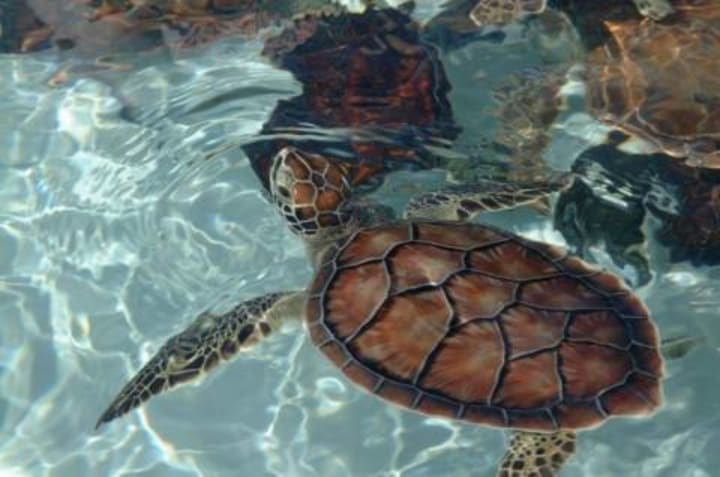
Cayman Turtle Center is a research and breeding farm that houses two species of sea turtles – green sea turtles and the endangered Kemp’s Ridley sea turtles. It is located in Grand Cayman. The conservation facility releases turtles into the wild. There are touch tanks and wading pools.

Smiley’s Saltwater Lagoon is home to a nine-foot saltwater crocodile, the first found on the islands since the mid-1950s. At the adjoining marine park, you see an aviary of tropical birds, a fish-filled snorkeling lagoon, swimming pools, and a replica of a typical Cayman street with gingerbread houses.

Little Cayman is the smallest and sleepiest of the three Cayman Islands. It is home to the Booby Pond Nature Reserve, a large breeding colony for the red-footed boobies and frigate birds.
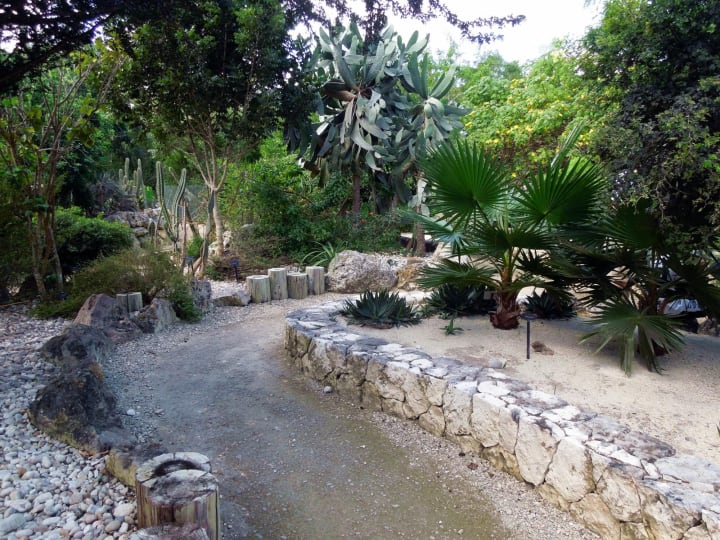
The Grand Cayman Queen Elizabeth II Botanic Park preserves the island’s flora and fauna. If lucky, visitors can spot the endangered blue iguana. You can stroll the paths through the gardens with lily-topped ponds, palm gardens, woodland, orchids, and colorful flowers. The plants and trees are labeled and there are benches to relax upon. Other animals here include snakes, birds, lizards, turtles, and agoutis.
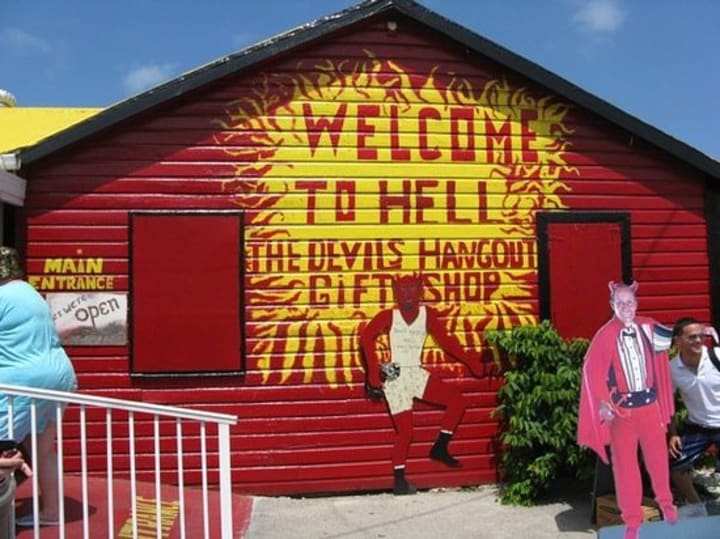
The town of Hell is on the north coast of Grand Cayman. It was given this name due to the sinister black rock formations. The town opened its own district post office in 1962 for those who wanted to send postcards from Hell. Today the post office is bright red and a resident “devil” offers postal services and souvenirs.

You can take a walk through the rock formation along a boardwalk.
About the Creator
Rasma Raisters
My passions are writing and creating poetry. I write for several sites online and have four themed blogs on Wordpress. Please follow me on Twitter.
Keep reading
More stories from Rasma Raisters and writers in Wander and other communities.
Riga on the Daugava River
Riga, the capital of Latvia is set on the Baltic Sea at the mouth of the Daugava River. The river runs through the city dividing it into the Right Bank which is the city side and the Left Bank the suburban side. The capital is the largest and most populous city in the country.
By Rasma Raistersabout a year ago in Wander
Travelers in the Caribbean Experience Major Flight Disruptions Following Airspace Closure
If you were planning a Caribbean getaway recently—or already soaking up the island sun—you may have found your travel plans suddenly turned upside down. Thousands of travelers across the Caribbean experienced major flight disruptions after an unexpected airspace closure brought regional air travel to a near standstill. Flights were canceled, airports overflowed with stranded passengers, and what should have been a relaxing escape quickly became a stressful waiting game.
By Aqib Hussain7 days ago in Wander
Are Trains in Morocco Kid-Friendly? by Morocco Family Vacation
Traveling with kids often means rethinking everything you take for granted as an adult from transport to meals to pacing. On our family trip to Morocco, one question kept coming up: Are trains in Morocco kid-friendly?
By Ariel Cohen3 days ago in Wander


Comments
There are no comments for this story
Be the first to respond and start the conversation.