
The Art of Slow Travel
Rediscovering the Joy of the Journey


Introduction
In a world obsessed with speed and efficiency, where bucket-list destinations are ticked off in whirlwind trips, a quieter movement is gaining traction: slow travel. This approach to exploration prioritizes depth over breadth, connection over checklists, and mindfulness over haste. Slow travel invites us to savor the journey, immerse ourselves in local cultures, and rediscover the joy of truly being present. This article delves into the philosophy of slow travel, its benefits, and how it’s reshaping the way we see the world.
What Is Slow Travel?
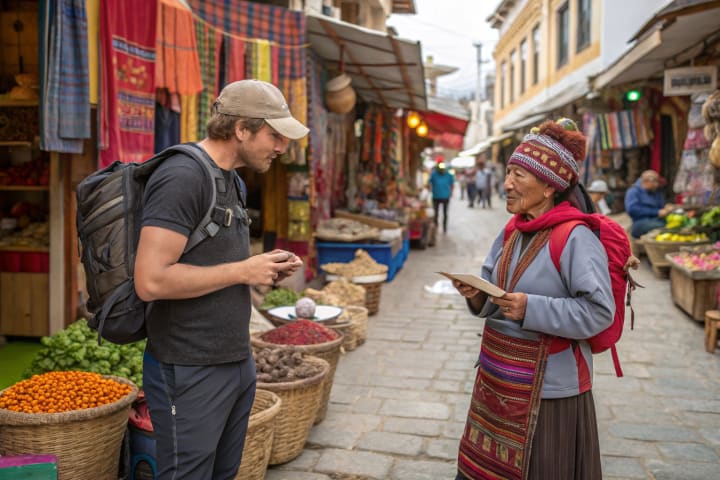
Slow travel is about quality over quantity. Instead of racing through multiple cities in a week, slow travelers linger in one place, soaking up its rhythms, flavors, and stories. It’s staying in a Tuscan village for a month, learning to cook regional dishes, or wandering the backstreets of Kyoto without a rigid itinerary. Slow travel emphasizes sustainable practices, meaningful interactions, and a lighter footprint on the planet.
The concept draws inspiration from the slow food movement, which champions local, intentional consumption. Similarly, slow travel encourages us to “consume” destinations thoughtfully, fostering a deeper appreciation for the places we visit.
Why Slow Travel Matters
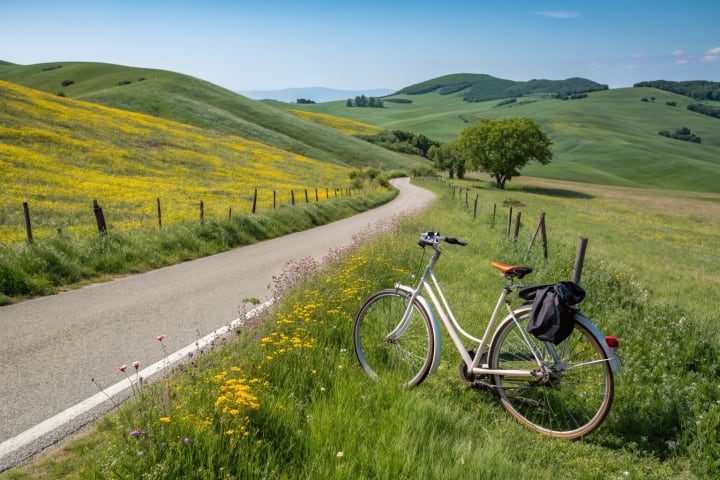
In an era of overtourism and environmental strain, slow travel offers a refreshing alternative. Here’s why it’s capturing the hearts of modern explorers:
1. Cultural Immersion
By spending more time in one place, travelers can forge genuine connections with locals. Whether it’s joining a family for a home-cooked meal or learning a few phrases in the local language, slow travel creates memories that go beyond surface-level sightseeing.
2. Environmental Benefits
Slow travel often involves fewer flights, trains, or car trips, reducing carbon emissions. Staying in locally owned guesthouses or eco-friendly accommodations further minimizes environmental impact, supporting sustainable tourism.
3. Personal Enrichment
Rushing from one landmark to another can leave travelers exhausted and disconnected. Slow travel allows time for reflection, creativity, and personal growth. Journaling in a Parisian café or sketching a Moroccan market scene becomes part of the experience.
4. Supporting Local Economies
Slow travelers tend to shop at local markets, dine at independent restaurants, and hire local guides, ensuring that tourism dollars stay within the community rather than funneling to multinational corporations.
Stories from the Road

Slow travel is as diverse as the travelers who embrace it. In Costa Rica, a couple spent three months volunteering at a turtle conservation project, forming lifelong friendships with locals and fellow volunteers. In Sicily, a solo traveler rented a countryside cottage, learning to make pasta from a neighboring nonna. These stories highlight the magic of slow travel: it’s not just about where you go, but how you engage with the world.
Overcoming Challenges
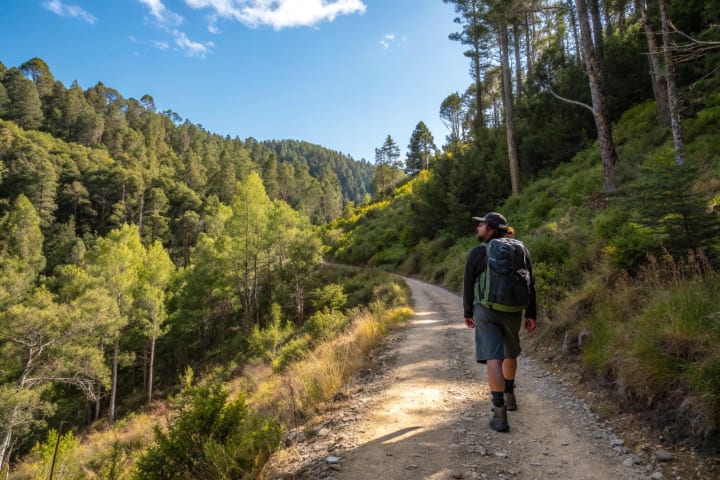
Slow travel isn’t without its hurdles. Time constraints, budget concerns, and the pressure to “see it all” can make lingering in one place feel indulgent. However, creative solutions abound:
Micro-Adventures: If long trips aren’t feasible, practice slow travel closer to home. Spend a weekend exploring a nearby town, savoring every moment.
Budget-Friendly Options: House-sitting, work exchanges, or staying in affordable regions like Southeast Asia or Central America can make extended stays accessible.
Mindset Shift: Embrace the idea that less is more. A single, meaningful experience—like a sunrise hike with a local guide—can outweigh a dozen rushed museum visits.
How to Embrace Slow Travel
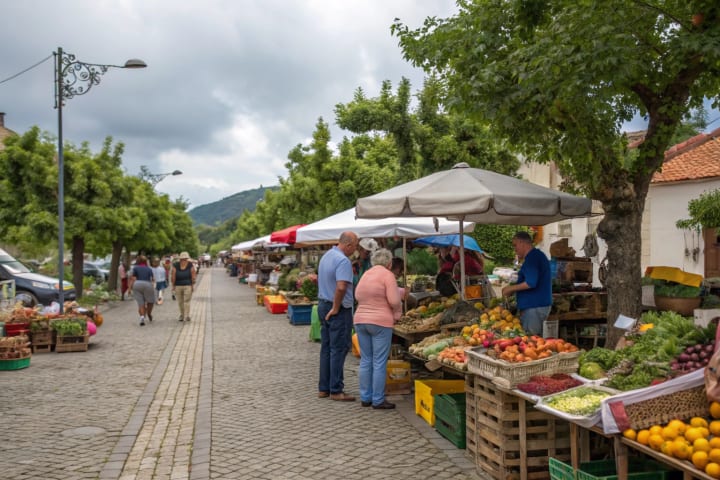
Ready to slow down and savor the journey? Here are practical tips to get started:
Choose Depth Over Breadth: Pick one or two destinations and commit to exploring them thoroughly. Research their history, cuisine, and hidden gems.
Ditch the Itinerary: Allow room for spontaneity. Wander without a map, strike up conversations, or follow a local’s recommendation.
Travel Sustainably: Opt for trains or buses over flights when possible, and choose eco-conscious accommodations.
Engage with Locals: Attend community events, take a workshop, or volunteer. These experiences create lasting connections.
Document the Journey: Keep a journal, sketch, or photograph moments that resonate. These mementos capture the essence of slow travel.
Conclusion
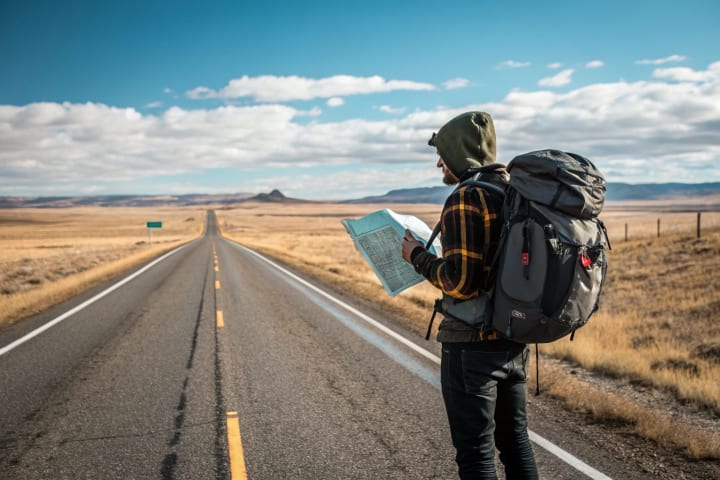
Slow travel is an invitation to rediscover the world—and ourselves—through a lens of curiosity and connection. It reminds us that travel isn’t about how many places we’ve been, but how deeply we’ve felt them. As we step off the treadmill of fast-paced tourism, we open ourselves to richer experiences, kinder footprints, and stories that linger long after the journey ends. So, pack your bags, take a deep breath, and let the art of slow travel guide you to a world waiting to be savored.
About the Creator
Logan Bennett
Passionate writer sharing stories, insights, and ideas that inform, inspire, and connect. Exploring creativity, lifestyle, and life’s real moments—one article at a time.
Keep reading
More stories from Logan Bennett and writers in Wander and other communities.
Digital Domination: The 2025 Blueprint to Explode Your Marketing Growth
Introduction: Why 2025 Is a Pivotal Year for Digital Marketing As we venture deeper into 2025, the digital marketing landscape is not only evolving — it's accelerating. The convergence of AI tools, data-driven platforms, and behavioral algorithms has reshaped the way businesses connect with their audiences. Today’s consumers expect personalized experiences, real-time interaction, and consistent value. For businesses of all sizes, digital marketing is no longer optional — it's a core pillar of survival and success.
By Logan Bennett8 months ago in Humans
Whispers of Winter
"There are places where the holiday season doesn’t just arrive — it settles in. It curls around you like a wool scarf, it glows like a candle in a frosted window, and it whispers stories you swear you’ve heard before. Today, we’re stepping into one of New England’s most enduring traditions: the Enchanted Village at Jordan’s Furniture in Avon, Massachusetts."
By Kristen Barenthaler2 days ago in Wander
Absolved of All Sins!
We went on a day trip to Armenia with my son and friend Katie to explore its apostolic monasteries. Our first stop, Akhtala Monastery, had a monument to Armenian-Georgian friendship in the form of two rings joined by a pomegranate, the national fruit of both countries.
By Lana V Lynxa day ago in Wander



Comments (1)
see- i know you understand that ai must be indicated when used. And you are likely an adult, so you know stealing is wrong. But in your recent pieces you have done both. You have been reported. You should either correct these or leave.