
Strolling Through Beautiful Castles Latvia
The castles and fortresses in Latvia

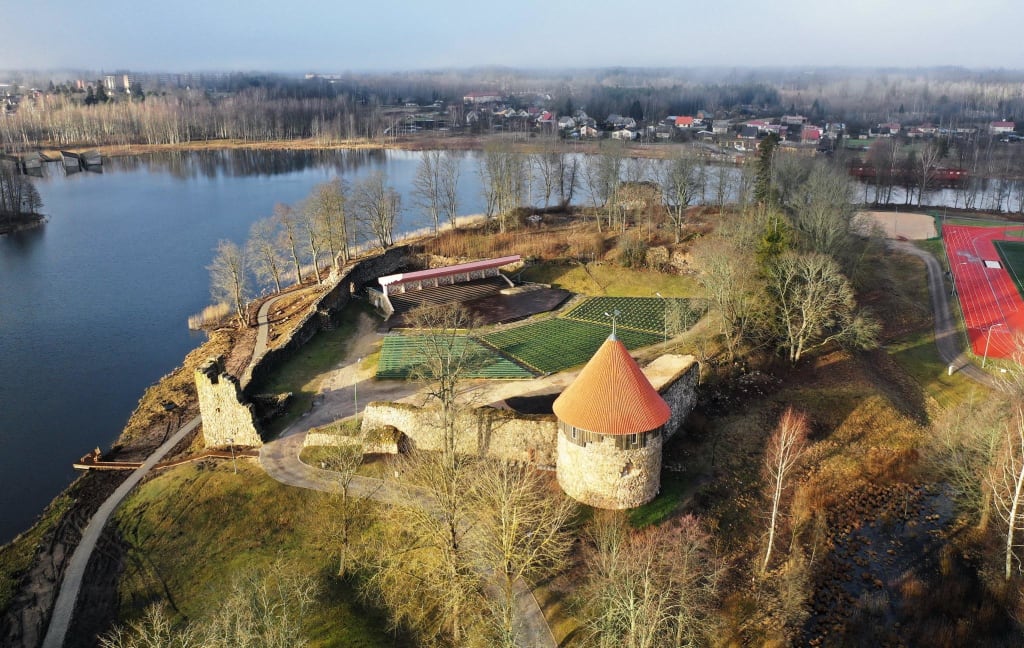
Aluksne Castle
The castle is situated on one of the islands in Lake Aluksna in the Vidzeme region of Latvia. The Teutonic Order constructed it in the 14th century. The original construction was of wood but later parts were rebuilt in stone and other local materials. Today the castle is a beautiful picturesque site that is part of an open-air recreational area.
Bauska Castle
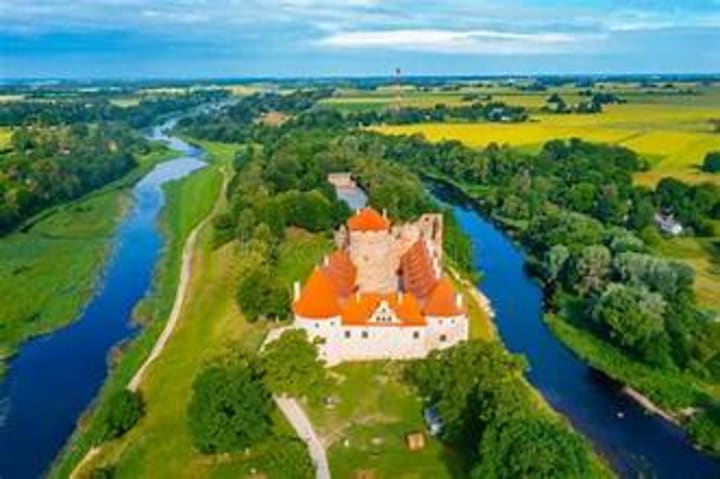
The castle is a complex consisting of the ruins of an earlier castle and a later palace on the outskirts of the Latvian city of Bauska. The castle started as a hill fort and then was rebuilt by the Teutonic Knights in the 15th century. Today the main palace of Bauska Castle has been fully restored and is open to the public.
There are a museum and restaurant inside that are open daily during the summer months, while the tower area offers a panoramic view of the surroundings.
Birini Palace
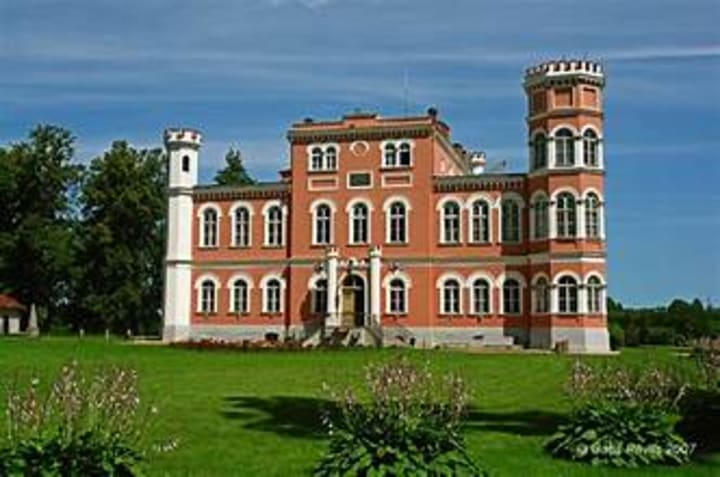
Brini Palace is located in the village of Birini in the Vidzeme region of Latvia.The castle is surrounded by scenic parks, lakes, a manor house hotel, restaurant, rooms for weddings and seminars. Visitors can enjoy a variety of activities among horse riding, cycling and boating. This manor house was turned into a hotel designed by the Riga-based architect Friedrich Wilhelm Hess. It was built in the middle of the 19th century in the neo-Gothic style.
Cesis Castle
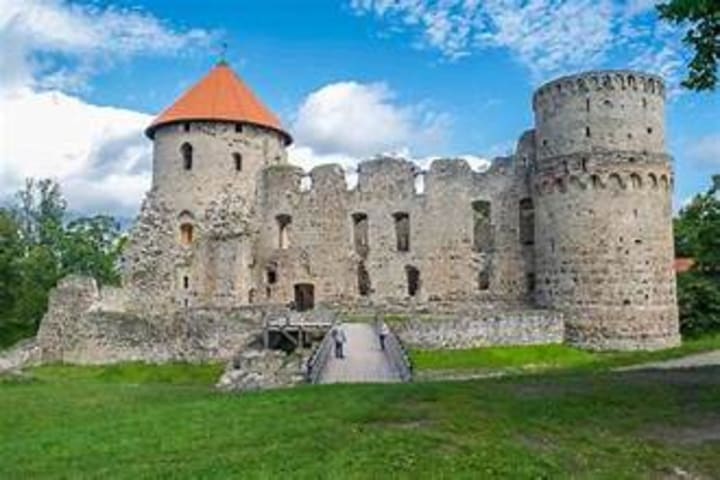
Cesis Castke was constructed by the Livonian Brotherhood in Cesis, Latvia 800 years ago. Cesis is a town located in the Northern part Central Vidzeme Upland situated in the lovely Gauja River Valley. This castle is one of the oldest medieval dwelling in Latvia. It became one of the most important strongholds for the Teutonic Order. Cesis Castle is one of the most well-preserved monuments in the country. It is open to the public year-round.
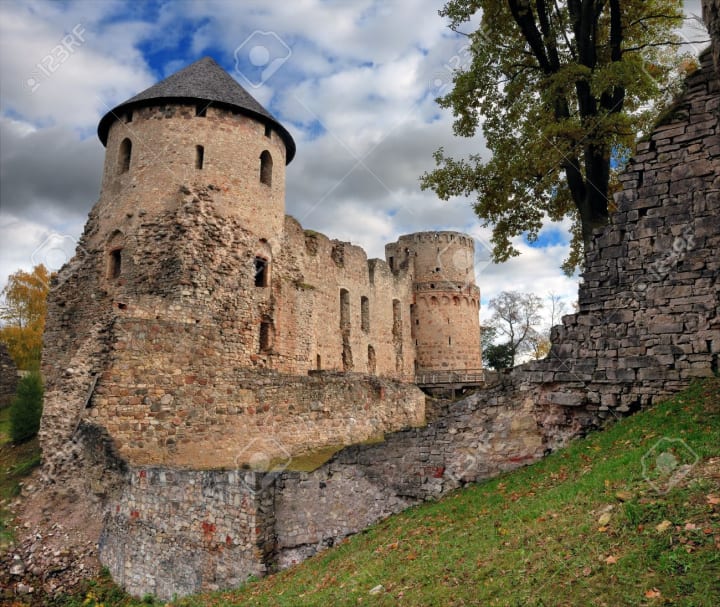
Among the highlights is the Western Tower where visitors can get a bird's eye view of the surrounding all around. Each visitor is given a candle lantern to explore the dimly lit Western Tower. It is a tradition that originated in 1996 and has become a trademark of Cēsis Castle.
This castle is also a habitat o f various species of plants and animals. Here five different species of bats hibernate in the basement of the castle settling in the wall cavities to wait out the winter.
Throughout the summer season there are artisan workshops located in the outer bailey of the castle where bone and antler craftsman, woodturner, blacksmith and printmaker work. They practice their craft by utilising the same methods as were common in the Middle Ages.
Adjacent to artisan workshops a 16th-century kitchen garden is recreated. The garden contains vegetables, herbs and medicinal plants that were cultivated in Livonia, 500 years ago. As with artisans, it is possible to meet a gardener every day during the summer season.
Cesvaine Palace
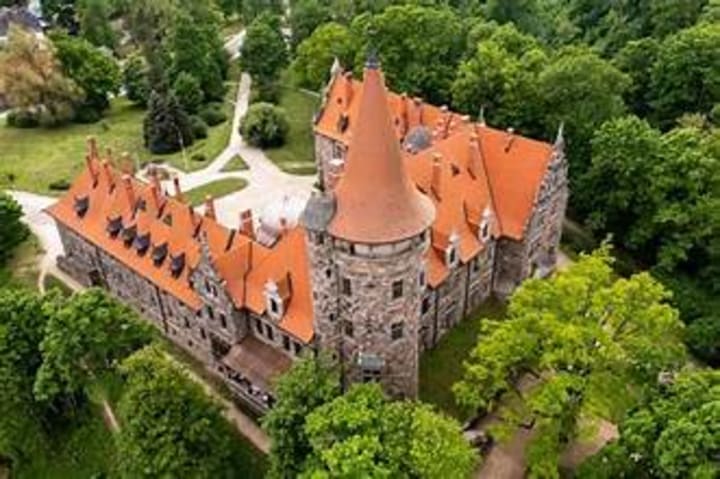
Cesvaine Palace was built in the 19th century next to the ruins of an old medieval fortress. The castle was the residence of Emil von Wulf, a German Baron. This castle has been added to the list of monuments in the European Cultural Heritage List. It is is located in the town of Cesvaine in Madona Municipality, in the Vidzeme region of Latvia. It is open to the public and is a venue for a number of events, including concerts.
Dundaga Castle
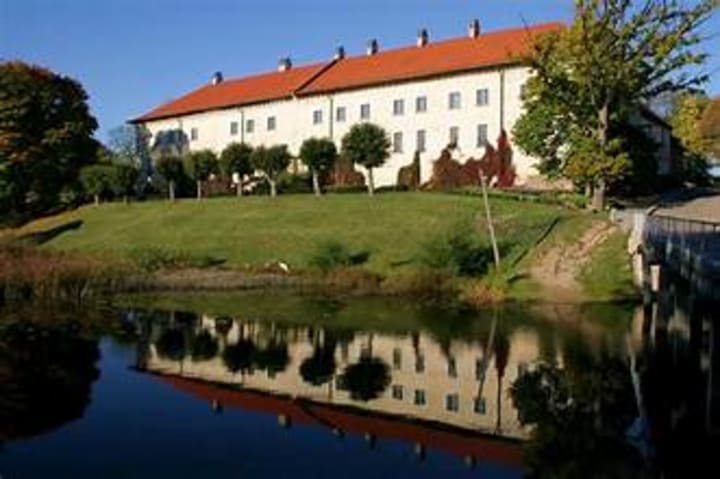
Dundaga Castle is a medieval castle in Dundaga, in the Talsi Municipality in the Courland region of Latvia. It is among the most historicall important buildings in the country. In the late 13th century construction was ordered by the Archbishop of Riga. In the 17th centruy the castle was transformed into a private residence. After two fires it was modernized. In the 20th century Dundega Castle became a public building. According to legends it is a place of interest to ghosthunters with some spirits in residence.
Jaunpils Castle
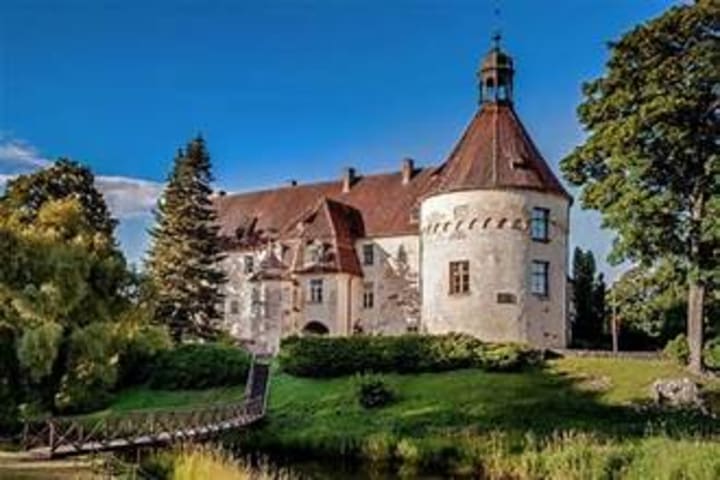
This charming castle is located in Jaunpils in the Tukums District of Latvia. The castle offers excursions excursions and theatrical tours simulating the Middle Ages, and such characters as Monk Teodors. The castle was built in 1301 by the Livonian Order and inhabited by knights. In 1576 the castle was in possession of Thies von der Recke from the Recke Dynasty and was owned by him for almost 350 years. The Jaunpils Museum is in the oldest section of the living quarters and offers information about the castle and its owners, about the Jaunpils Region and the local populace.
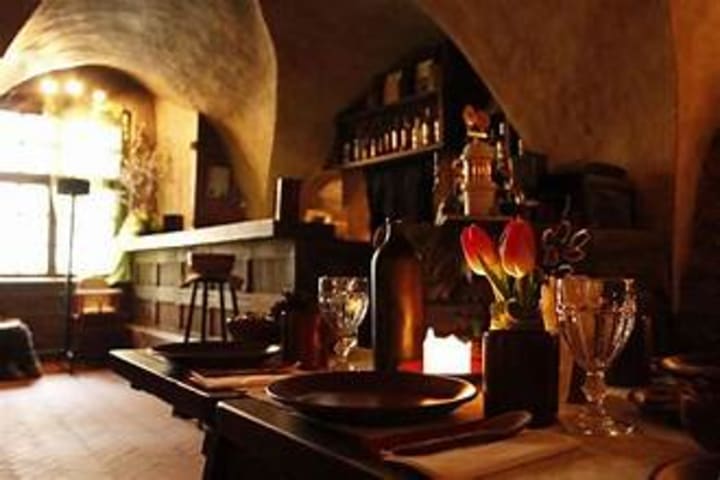
The Medieval Pub is found under the vaults of the knights' dining room. Guests enjoy dining by candlelight and listening to early music. It is known for its feasts in Medieval-style for groups, friends, colleagues, or families.
Every August on the first Saturday the castle hosts the annual Medieval Festival in the courtyard featuring knights battling each other to win the favor of the fair lady of the castle, arts and crafts fair, concerts, and exhibitions. Also each year on the evening of January 1 is the annual Carnival in masks.
Koknese Castle
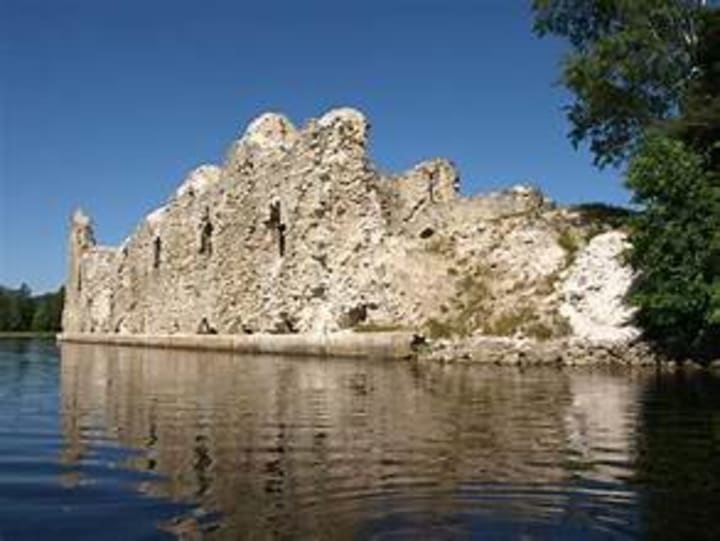
This is a complex in Koknese, in the Vidzeme region of Latvia, dating from the 13th century. The castle was once situated on a high bluff that overlooked the Daugava River Valley. In 1965 a hydroelectric dam was built downriver, creating a water reservoir that partially submerged the castle and flooded the surrounding valley. Today, the picturesque location has been used to host a number of events and activities like concerts, wedding ceremonies, and even Catfish Walking Contests.
Riga Castle
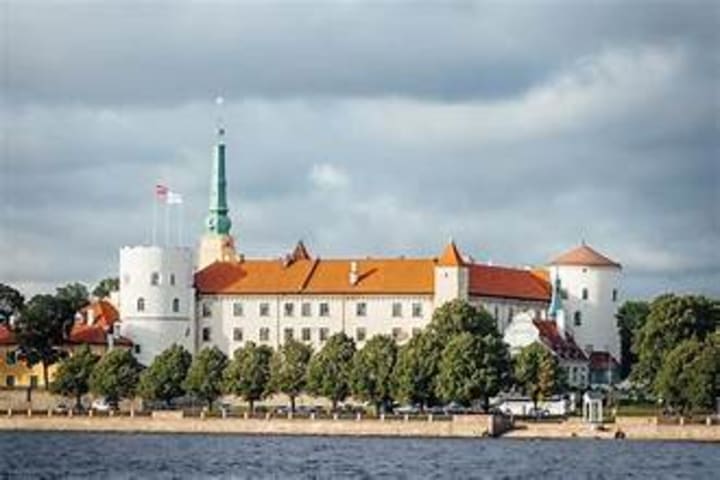
Riga Castle is located in the lovely Old Town of the capital of Latvia, Riga. The castle was built in 1330 and renovated in the 15th and 16th centuries. In the 1930s the famous Latvian architect Eizens Laube re-designed the castle. Today it is home to the Latvian President. Certain parts of the castle host museums open to the public.
Rundale Palace

Rundale Palace is one of the two major Baroque palaces built for the Dukes of Courland and is located in Pilsrundale, in Rundāle Parish, Bauska Municipality in the Semigallia region, 12 km west of Bauska.There is a castle museum and outside beautiful French and Rose Gardens.
Most of the interior decorations were created between 1765 and 1768 when a sculptor from Berlin Johann Michael Graff, and Italian painters from St. Petersburg Francesco Martini and Carlo Zucchi worked at the palace.The representation rooms in the eastern wing of the palace – the Gilt Hall, the White Hall, and the Great Gallery – are open to the public.
The Rundale Palace Museum exhibits applied art, fine art and historical expositions; the palace hosts the Early Music Festival and recitals of classical music.
Sigulda Castle
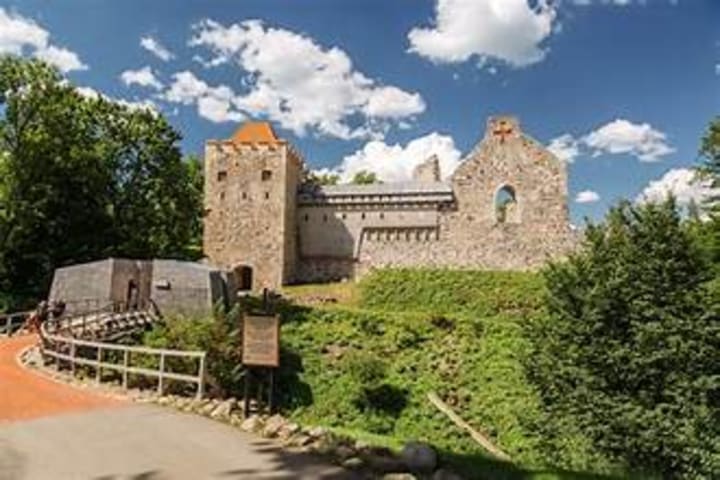
Sigulda Castle, also known as Sigulda New Castle, is a castle in Sigulda, Sigulda Municipality in the Vidzeme region of Latvia.It is located in the lovely Gauja National Park overlooking the Gauja River. The castle was constructed as an old Roman fort in the 13th century and became the residence of the Livonian Order in the 15th century. The original building has seen many transformations over the course of its existence, from the original 3-meters-thick (nearly 10 feet) dolomite walls to the three-story-high building made from local stone. The old Sigulda Castle has quite a few stories to tell. Today the old castle ruins can be explored.
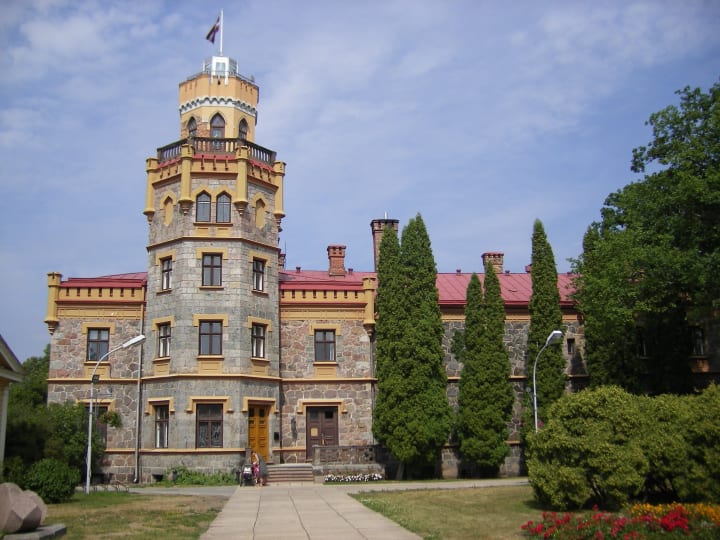
The new castle on the grounds was built in the late 19th century and is of both cultural and historical significance.
About the Creator
Rasma Raisters
My passions are writing and creating poetry. I write for several sites online and have four themed blogs on Wordpress. Please follow me on Twitter.
Keep reading
More stories from Rasma Raisters and writers in Wander and other communities.
Capital Cities of Africa Mogadishu
In the very heart of the city you'll find the Mogadishu Fish Market offering an insight into local cuisine and culture. The market is known for its vibrant colors, sounds, and delicious scents. Fishmongers shout out the prices of their daily catch. The market offers a wide array of seafood options, including various types of fish, shellfish, and crustaceans. Whether you are looking for red snapper, kingfish, or lobster, you can find it all at the Mogadishu Fish Market. The freshness and quality of the seafood here are unparalleled, as the catch is brought in daily by local fishermen.
By Rasma Raisters9 months ago in Wander
Worth the Wait: Puerto Viejo, Costa Rica
Beach bumming in a small Caribbean beach town sounded like a perfect way to end our 6-month trip through Mexico and Central America. Or so we thought. The foul, fishy stench of rotten seaweed hit our nostrils as we stepped from the cramped bus and looked out at a rather depressing, empty, and underwhelming black sand beach. It was pouring with rain, and we had to quickly fish out our ponchos. We thought, this couldn’t be it, could it?
By Sh*t Happens - Lost Girl Travel5 days ago in Wander
What Makes Overwater Dreams So Irresistible (And Why They're Here to Stay)
Overwater accommodation represents one of hospitality's most enduring innovations. These structures suspended above tropical waters continue capturing imaginations decades after their introduction, proving their appeal extends far beyond fleeting trends.
By Claudia Fennela day ago in Wander




Comments
There are no comments for this story
Be the first to respond and start the conversation.