
Stories from The Arabic Peninsula
Oman, the Land of Frankincense
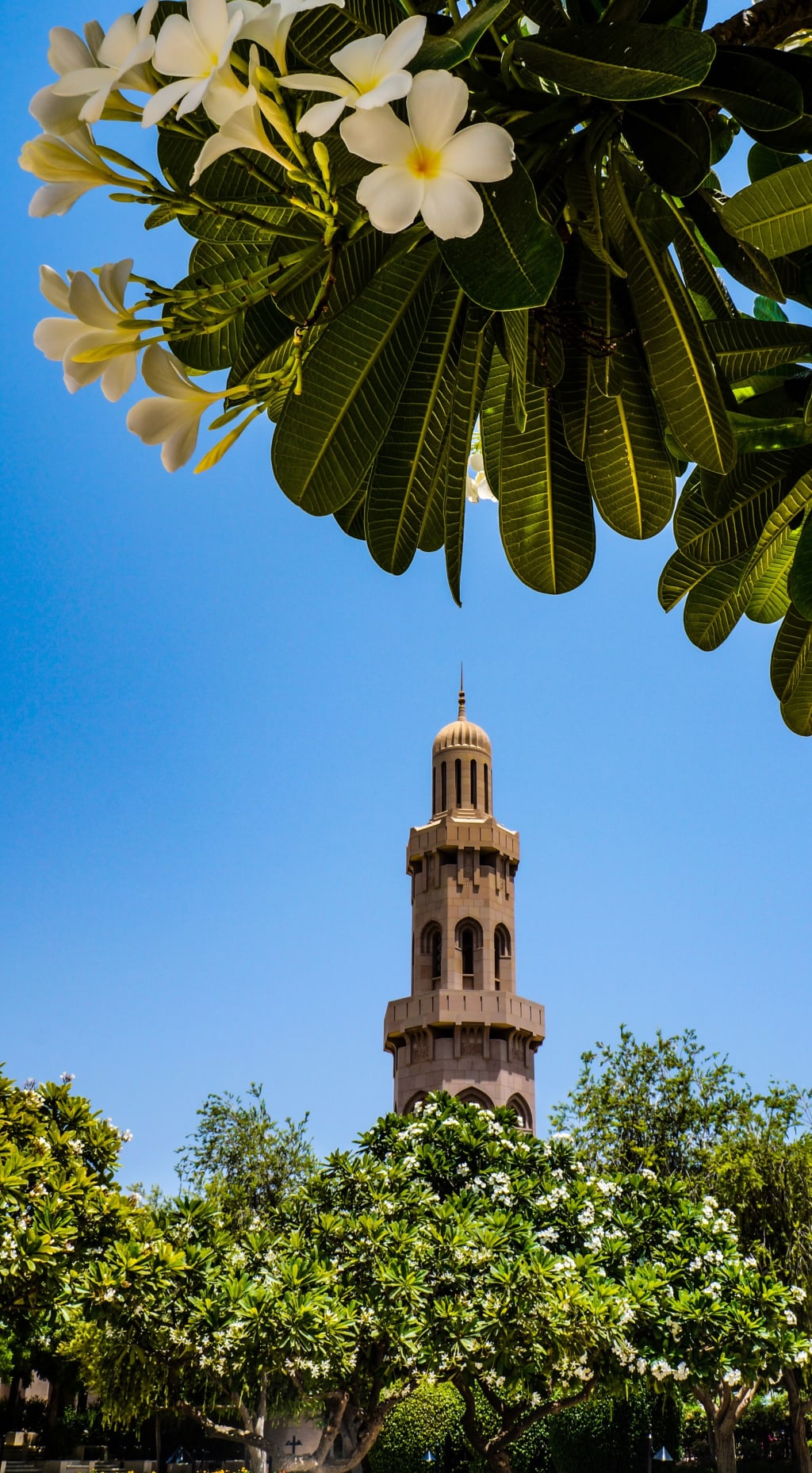
The region is composed of a variety of cultures and people, with Oman being the most liberal and progressive destination in the region. The country is incredibly diverse, offering a wide variety of activities and attractions.
From breathtaking landscapes to fun-filled adventures to educational trips, Oman has something for everyone and never fails to amaze and fascinate. It is the perfect destination for a holiday or to explore and discover the culture and beauty of Arabia.
The country is characterised by friendly people who are eager to share their hospitality and culture with visitors from all over the world. It is easy to meet and engage with locals, and there is an abundance of hospitality, not just in the city but all around the country.
Oman is home to some of the most unique and stunning sights in the world. From the imposing mountains of Musandam to the rolling sand dunes of the Syhan desert and the clear, azure waters of the Arabian Sea, Oman is full of captivating beauty.
Be sure to visit the city of Muscat, where a stroll through the bustling souqs will make you feel like you have stepped back in time, and explore the local culture and its ancient traditions.
For a more adventurous experience!
With a rich history that goes back over 100,000 years ago, Oman is one of the oldest nations to have formed in the Arab countries. The beauty of beaches, the history and intricate designs of forts, the lush green mountains, unique wildlife and endless deserts will dazzle you. You will find local bazaars or souks thrust with handicrafts and the most famous item of Oman - Frankincense.
The four components of the Land of Frankincense dramatically illustrate the trade in frankincense that flourished in this region for many centuries. They constitute outstanding testimony to the civilizations in South Arabia since the Neolithic. The successive ports of Khor Rori (4th century BC to the 5th century AD) and Al Baleed (8th century till 16th century AD) and an outpost close to the Great Desert Rub Al Khali, Shisr, about 170 km inland, represent a unique way the distribution of frankincense which was produced in the wadis of the coastal hinterland. All three sites were exceptionally fortified. Wadi Dawka is an outstanding example of the growth of the frankincense tree (Boswellia sacra) from which the resin was produced, collected and traded. The port of Khor Rori (the Moscha Limen of classical geographical texts) lies 40 km to the east of Salalah on a hilltop on the eastern bank of a sweet-water outlet (khor). About 400 metres from the open sea, it dominates the Khor which opens to the sea and served as a natural harbour. The remains of the fortress are located on a rocky spur running east-west, forming part of a wider defensive system, details of which are still evident. The walls have dressed stone faces with rubble cores. The most heavily fortified part is on the north, where the entrance is located, itself a massive structure with three successive gates on the steep entry path. It is flanked by the remains of towers. The port was refounded at the end of the 1st century by LL'ad Yalutas (evidenced by an inscription still in situ) to control the trade in Dhofar incense. It was the hub of the trading settlements on this coast at that time.
The process of disintegration began in the 5th century. Al-Baleed, a harbour directly placed on the beaches of the Indian Ocean with a khor, a sweet water reservoir behind it, is the historically late name for the town. Artefacts from China (Ming) and other countries indicate its importance as a harbour along the ´Silk Road to the Sea´ from where, in exchange, frankincense was also traded. Though heavily fortified, the town was attacked and partially destroyed on several occasions in the 13th century. By the late 15th century, radical changes to trading patterns imposed by the Portuguese and other European trading nations sealed the fate of the town. Shisr lies about 180 km north of Salalah in the desert.
This agricultural oasis and caravan site was a very important station also for water supply on the routes from the Nejd and the hinterland from where frankincense was brought to the ports along the coast. Wadi Dawkah is a major place where the frankincense tree (Boswellia sacra) can still be found and frankincense is harvested to this day. The wadi seasonally drains the north-south mountains disappearing into the desert of the ´Empty Quarter´, the Rub al Khali. The trees grow in the alluvial bed of the wadi under the extreme heat of this region.
HISTORY OF FRANKINCENSE
Boswellia, commonly known as Frankincense, is derived from the milky white sap that is secreted by the Frankincense tree. After the tree’s sap droplets are allowed to dry and harden into tear-shapes on the tree over the course of a few days, they are finally scraped off to be made into an essential oil. The Boswellia tree is native to regions such as Africa and the southern Arabian Peninsula. The earliest and best-known source of Frankincense is the country of Oman, which has shipped this fragrant resin to regions like the Mediterranean, India, and China for thousands of years. The name of the tree comes from the term “franc encens,” which is French for “high-quality incense.” “Franc” is known to mean “pure” while “encens” comes from a word that means “to burn.” It was thus considered “pure incense” and the most desirable of all the other types of incense. Its potent aroma can be described as woody, earthy, and spicy with a fruity nuance. For some, its scent is comparable to that of liquorice.
The history of Frankincense usage has ancient roots and is closely linked with being burned in sacred places and religious rituals, as it was valued for its powerful aroma and the white smoke it exuded when burned. It was also used in perfume, cosmetics such as eyeliner, salves, and Egyptian mummification methods.
There are still daily uses for Frankincense in many cultures, namely Somali, Ethiopian, Arabian, and Indian cultures. Its fragrance is believed to bring good health, cleanse the home, and purify clothing. In Ayurvedic medicine, Frankincense is referred to as “dhoop” and is used to heal wounds, relieve arthritis, balance hormones in females, and purify the air.
BENEFITS OF FRANKINCENSE
The main chemical constituents of the essential oil are Limonene, Pinene, Borneol, Farnesol, Phellandrene, Myrcene, and other constituents. Limonene demonstrates antioxidant, anti-inflammatory, and anti-fungal properties. It is believed to reduce feelings of anxiety and to stimulate the immune system. Pinene is known to strengthen and invigorate the respiratory system and is reported to have diuretic properties based on empirical evidence. Borneol contributes tonic, anesthetic, sedative and anti-spasmodic properties to this oil. Farnesol is the component that allows this oil to reduce the user’s signs of ageing by smoothing the look of wrinkles and increasing skin elasticity. Used topically and cosmetically, its astringent and cytophylactic qualities help Frankincense oil to reduce the appearance of wrinkles and skin imperfections such as discolouration. It stimulates the growth of new cells, thus when used on cuts it promotes faster healing. Used in aromatherapy, Frankincense works as an expectorant to clear the nasal passageway, promote the relief of congestion, and encourage easy breathing. Its sweet, woody aroma is sedative and enhances mood by diminishing feelings of stress and anxiety while improving concentration and memory. Used medicinally, this anti-inflammatory oil is known to soothe inflamed skin by reducing the sensations of redness, swelling, and itching. It helps to disinfect and tighten the pores, thereby promoting the speedy healing of cuts, wounds, and scars. It is used to relieve flatulence, stimulate the growth of new skin cells, and stimulate blood flow and circulation among other competencies. As illustrated, Frankincense essential oil is reputed to have many therapeutic properties. The following highlights its many benefits and the kinds of activity it is believed to show: COSMETIC: Astringent, cytophylactic. ODOROUS: Carminative, expectorant, sedative. MEDICINAL: Antiseptic, anti-inflammatory, astringent, carminative, cicatrisant, cytophylactic, diuretic, emmenagogue, expectorant, tonic.
CULTIVATING AND HARVESTING QUALITY FRANKINCENSE
Frankincense oil is obtained from the resin of the Boswellia carterii or Boswellia sacra tree and can thrive in a dry, rocky, desert environment requiring negligible amounts of soil. Harvesting Frankincense resin involves farmers making incisions in the tree bark until it exudes its secreted milky fluid, which it expels in the form of small “tears.” The droplets are allowed to dry on the tree for ten days, after which time they are scraped off and given another period of time to completely harden. At this dried stage, the resin looks like tiny, rough, uneven, translucent rocks. The quality of the Frankincense tree resin depends on the climate, environmental conditions, and the harvesting period. The resin quality can be determined by its size and colour – the larger and lighter the resin, the higher the quality. Although the West most often sees the golden or amber resin, the purest, most expensive resin ranges in colour from clear to white or silvery with a hint of light green. To achieve the highest quality resin, the tree is “wounded” three times. Cutting it any more than this might damage the tree, which requires a period of rest and regeneration.
HOW IS FRANKINCENSE OIL EXTRACTED?
At the distillery, the raw Frankincense resin “crystals” are crushed into powder and placed in an oil bath. After it undergoes steam distillation or CO2 extraction, it produces a pleasantly aromatic essential oil with a scent that has been described as earthy or woody. As with all other essential oils, Frankincense essential oil will retain stability and have a prolonged shelf life if stored in a cool, dry place away from direct sunlight with the cap tightly closed.
USES OF FRANKINCENSE OIL
Frankincense essential oil can be added to a diffuser or vaporizer and inhaled for its sedative, earthy fragrance that is known to enhance the mood and combat stress and anxiety. It is believed that, in spiritual practices, the scent of Frankincense strengthens both intuition and a spiritual connection. A few drops of Frankincense added to a diffuser or mixed with water to make an air-freshening spray can eliminate airborne bacteria. Sprayed in a bedroom at night, it can help achieve a state of relaxation and readiness for sleep. After dilution with an unscented carrier oil, the oil can be absorbed into the skin via topical application. In a relaxing bath, a few drops of the oil can be added to relieve stress. By blending Frankincense with other essential oils and diluting the mixture, it can be used in cosmetics to make natural homemade anti-ageing facial serums. In shampoos, its tonic property is believed to help strengthen hair roots. This antiseptic oil makes a natural homemade cleaner and disinfectant to cleanse indoor environments, eliminate harmful bacteria therein, and deodorize any rooms in the home. When mixed with baking soda and Lemon essential oil, it creates a scrubbing substance that is useful for removing grease and for leaving the area unsoiled and aromatic. To use it with a dishcloth, it can be blended with water and Thyme essential oil to wipe down surfaces like countertops.
Enjoyed your first excursion to Oman? More to come!
About the Creator
Elisabeth
For more than 25 years I have called home one of the most amazing places on Earth - The Sultanate of Oman. I have travelled all the corners, the mountains, the green valleys, the sand dunes and sea.
Time to share my experience and stories!
Why Hanifaru Bay is a Dream Destination for Marine Life Enthusiasts
Hanifaru Bay, situated in the Baa Atoll in the Maldives, is one of the earth's most bizarre protected marine areas. This protected zone has a special reputation for the annual visitation of mantas and whale sharks and provides a chance for a nature enthusiast to explore the wonders of the ocean.
By ameliarosannaabout 14 hours ago in Wander
A Mountain Overture Beneath the Alps
I met this mountain feast at dawn, the moment I pushed open the window. The wind rushed in, carrying the damp scent of pine needles and fresh grass. Lifting my eyes, I saw the Alps stretching their boundless arms in the morning light. The distant peaks wore crowns of silver, their snow gleaming with a sacred glow beneath the rising sun. Dark gray mountain faces, like ancient books worn smooth by time, stood in silent devotion, bearing this purity upon their backs.
By CeeCee Yan36 minutes ago in Wander


Comments
There are no comments for this story
Be the first to respond and start the conversation.