
Spain's Changing Approach to Tourism: Measures to Protect Local Communities
Spain tackles overtourism with stricter rental rules, beach regulations, and cruise limits to balance tourism growth with local community well-being.

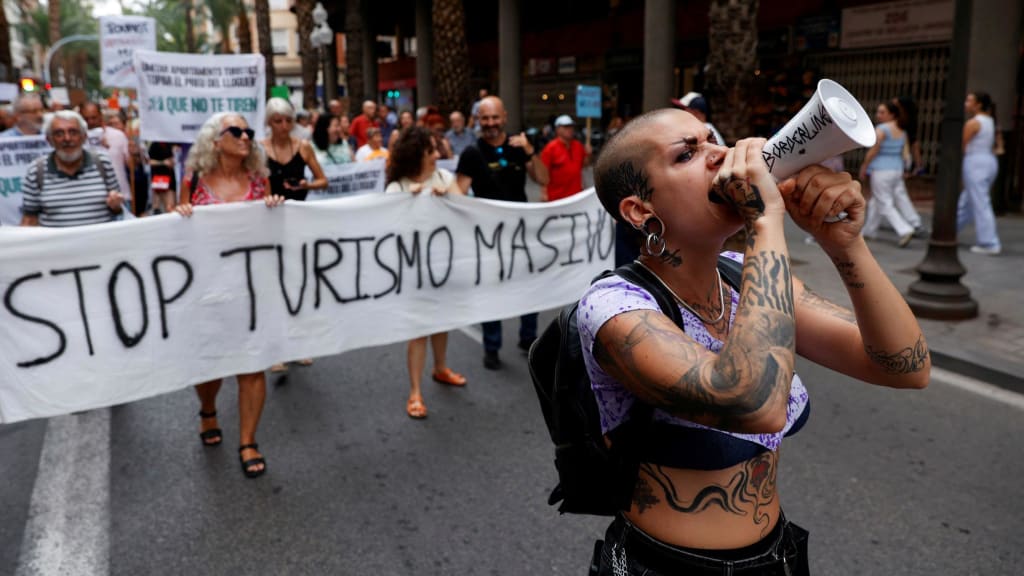
In recent years, Spain has taken significant steps to address the challenges posed by mass tourism. While often labeled as "tourist bans," these measures aim to strike a balance between preserving the interests of local residents and sustaining the economic benefits brought by visitors. From rental regulations to beach enforcement actions, the country's evolving policies reflect its determination to promote responsible tourism practices.
New Rules on Holiday Rentals
In cities like Málaga, authorities have begun targeting the rapid expansion of holiday rentals, which have been linked to skyrocketing housing costs and the displacement of local residents. A recently implemented three-year moratorium prohibits the registration of new short-term rentals in 43 districts across the city. This pause is intended to give officials time to assess the impact of rentals on local communities and introduce more comprehensive regulations.
This policy reflects a broader trend across Spain to protect housing affordability and ensure that locals are not priced out of their own neighborhoods. By limiting holiday rental options, cities aim to preserve the sense of community that has been disrupted by the transient nature of tourist accommodations.
Stricter Information Requirements for Tourists
As part of efforts to tighten oversight, Spain recently mandated that tourists provide additional personal information when booking accommodations. This includes home addresses, email contacts, and other sensitive data. The move is primarily aimed at combating organized crime, though it has also sparked debates over privacy and practicality.
Hoteliers have raised concerns about the added burden of these requirements, arguing that they create logistical challenges and complicate the booking process. Nonetheless, the government has defended the measures as necessary for ensuring security and accountability in a rapidly evolving tourism landscape.
Local Backlash Against Overtourism
In regions heavily affected by tourism, such as Barcelona, the Balearic Islands, and the Canary Islands, residents have expressed frustration over the strain that large numbers of visitors place on infrastructure and public services. Protests have become increasingly common, with locals calling for measures to reduce overcrowding and mitigate the environmental impact of tourism.
Barcelona, in particular, has been at the forefront of these efforts. The city has announced plans to phase out short-term tourist rentals entirely by 2028. Mayor Jaume Collboni has emphasized the importance of preserving the city's identity and quality of life, stating that Barcelona cannot sustain infinite growth in tourism. This decision has sparked debates among property owners and tourism stakeholders, but the city remains steadfast in its commitment to long-term sustainability.
Increased Scrutiny of Cruise Tourism
Cruise tourism has also come under scrutiny in recent years. Barcelona, a popular destination for cruise ships, is exploring measures to limit the number of short-stay cruise passengers. Potential strategies include increasing taxes on these visitors to discourage brief stopovers that offer little economic benefit to local businesses. Such measures aim to prioritize quality over quantity, attracting tourists who contribute meaningfully to the local economy while minimizing the environmental footprint of mass tourism.
Regulating Behavior on Beaches
Spain has also begun cracking down on problematic tourist behavior in public spaces. In Málaga, for example, authorities are targeting the common practice of "beach hogging," where visitors leave unattended sunbeds and umbrellas to reserve spots for extended periods. Police have started confiscating these items, requiring a hefty fee for their return. This move is part of a broader effort to ensure fair access to public spaces and maintain a welcoming environment for all.
Balancing Economic Benefits with Sustainability
Tourism remains a cornerstone of Spain's economy, contributing significantly to employment and local businesses. However, the surge in visitor numbers has highlighted the need for a more sustainable approach. The measures being implemented across the country reflect a shift towards a tourism model that prioritizes quality of life for residents and the preservation of Spain's cultural and natural heritage.
Looking Ahead
As Spain continues to navigate the complexities of managing tourism, collaboration between government officials, residents, and industry stakeholders will be crucial. The goal is to create a balanced system where tourists can enjoy the country's unique offerings without compromising the well-being of local communities.
These ongoing efforts signal a clear message: Spain is committed to ensuring that its tourism industry thrives in harmony with its people and environment. While the road ahead may involve difficult decisions, the country's proactive approach sets an example for destinations worldwide grappling with similar challenges.
About the Creator
Minecraft APK Download (Android, Pro Unlocked)
Fast free Minecraft APK Download for Android. Get Minecraft Pocket Edition, mods, and the latest version. Enjoy building and exploring in Minecraft PE. NBS Reborn APK.
Keep reading
More stories from Minecraft APK Download (Android, Pro Unlocked) and writers in Wander and other communities.
Canada Pension Plan Payments: What You Need to Know for 2025
The Canada Pension Plan (CPP) is a vital part of retirement planning for millions of Canadians. Whether you’re nearing retirement, already receiving payments, or just starting to think about your financial future, understanding how the CPP works is crucial. This guide breaks down everything you need to know about CPP payments in 2025, making it simple and straightforward.
By Minecraft APK Download (Android, Pro Unlocked)12 months ago in Journal
Absolved of All Sins!
We went on a day trip to Armenia with my son and friend Katie to explore its apostolic monasteries. Our first stop, Akhtala Monastery, had a monument to Armenian-Georgian friendship in the form of two rings joined by a pomegranate, the national fruit of both countries.
By Lana V Lynx2 days ago in Wander
Gift of the Epiphany
I have come to love the Mike's monthly unofficial challenges. They spark my imagination and cause me to dig, explore and search out truths. They also cause personal memories of mine to sparkle for a bit. January's challenge was no exception. In fact, the events that I'm now journaling still amaze me because those steps felt so ordered, yet unmistakingly, not mine.
By Shirley Belk4 days ago in Wander



Comments (1)
This is a well-written and insightful analysis of Spain's approach to managing mass tourism. You've effectively captured the complexity of the issue, highlighting the tension between economic benefits and the impact on local communities. The examples you've chosen, from rental regulations in Málaga to beach enforcement and the crackdown on cruise tourism in Barcelona, clearly illustrate the various strategies being employed. I particularly appreciate the focus on the local perspective and the growing frustration with overtourism. The concluding emphasis on the need for balance and collaboration is crucial. Overall, this is a timely and informative piece that provides a valuable overview of a critical issue facing many popular tourist destinations. Excellent work!👍✨