
Lufthansa and 747's Love Affair
The Truth About Lufthansa's Love for the 747

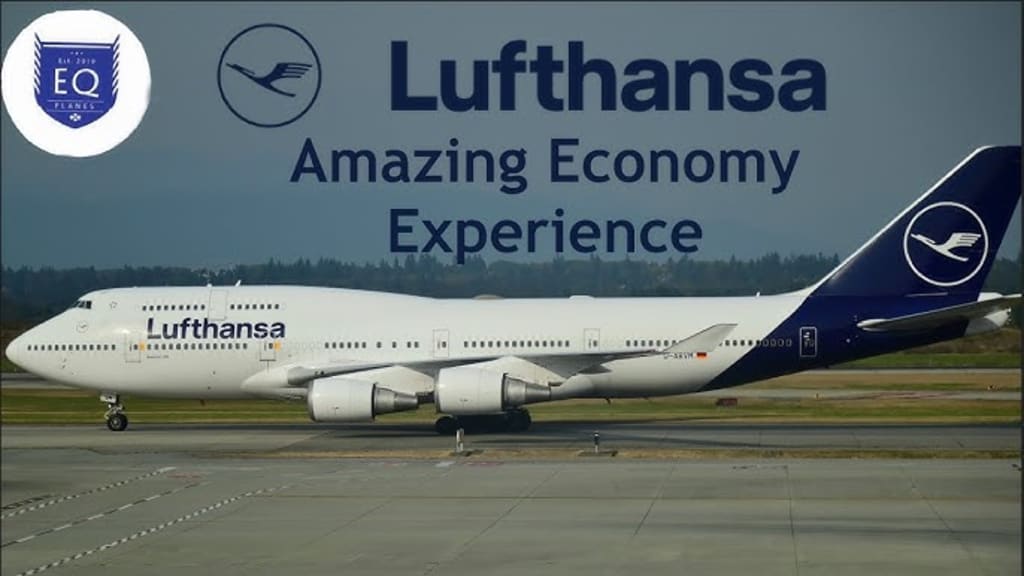
In early 2024, a landmark event took place in Everett, Washington—the final Boeing 747 ever built was rolled off the assembly line. This occasion was celebrated with a grand ceremony, featuring thousands of Boeing employees, speeches from high-ranking executives, and a surprise appearance by actor John Travolta. However, the most captivating moment came when Carsten Spohr, CEO of Lufthansa, announced the airline's commitment to upgrading and continuing to operate the 747-8 well into the next decade. Given the widespread discontinuation of this iconic aircraft by other airlines, why does Lufthansa remain so devoted to the 747? Let’s delve into the reasons behind Lufthansa's steadfast dedication to this legendary jumbo jet.
The Rise and Fall of the Boeing 747
The Boeing 747, often referred to as the "Queen of the Skies," once reigned supreme in the world of commercial aviation. Its distinctive hump and quad-engine design made it instantly recognizable and earned it the title of the world's best-selling widebody jet. The 747's combination of range, capacity, and safety set it apart, leading to its widespread adoption by airlines around the globe.
Yet, despite its storied past, the 747 has faced significant challenges in recent years. Modern widebody aircraft, such as the Boeing 787 and Airbus A350, have increasingly replaced the 747 due to their efficiency. These newer models, equipped with just two engines, offer similar range and capacity while consuming significantly less fuel. As a result, the 747 has become less economical for passenger service, leading many airlines to retire the aircraft from their fleets.
Lufthansa's Unwavering Commitment
While the majority of airlines have phased out the 747, Lufthansa remains an exception. The German flag carrier not only continues to operate the 747 but plans to do so well into the 2030s. This decision might seem puzzling, especially given the global push for environmental sustainability and the high fuel consumption of quad-engine jets. So, why does Lufthansa hold on to the 747 when others have moved on?
The Importance of Premium Travel
A major factor behind Lufthansa's commitment to the 747 is its ability to cater to premium passengers. Premium seating, including business and first class, is critical for airlines to achieve profitability. While these premium seats represent a small portion of a plane's total capacity, they can generate a substantial percentage of an airline's revenue. According to Boeing's 2023 Commercial Market Outlook, airlines have been increasing the number of premium seats on their aircraft over the past five years. For Lufthansa, which serves as a key connector for Germany's robust economy and extensive export industry, the demand for business and first-class travel is particularly strong.
The 747 offers unparalleled onboard real estate compared to other commercial jets. Lufthansa’s configuration of the 747-8 includes 88 business and first-class seats, making it possible to cater to a substantial number of premium passengers. This configuration is a significant advantage over other 747 operators like Korean Air and Air China, who have fewer premium seats on their 747-8s.
A Competitive Differentiator
Beyond financial considerations, the 747 provides a unique flying experience. For premium travelers, flying on a 747 offers a distinct sense of luxury and exclusivity. The aircraft’s upper deck, reserved solely for business class, creates an intimate and private environment, akin to flying on a private jet. First-class seats located in the nose of the aircraft enjoy a high level of privacy and quiet, enhancing the overall travel experience.
Lufthansa's use of the 747 is not just about maintaining a fleet of aircraft; it’s about offering a product that stands out in a competitive market. The 747’s design allows Lufthansa to provide an exceptional flying experience, which is a crucial differentiator in the premium travel segment.
The Role of Maintenance
Another reason Lufthansa can continue operating the 747 is its significant advantage in maintenance. The 747's quad-engine design means higher maintenance costs compared to newer, twin-engine aircraft. However, Lufthansa owns one of the largest aviation maintenance companies in the world, Lufthansa Technik. This division has extensive experience and expertise in maintaining the 747, allowing the airline to keep repair costs down. Lufthansa Technik’s size and bargaining power with suppliers further help in managing these costs effectively.
Solving the Puzzle
Lufthansa's continued use of the 747 is a result of a unique combination of business needs and operational advantages. The aircraft’s capacity to generate premium revenue and offer a distinctive flying experience outweighs its higher operating costs, especially given Lufthansa Technik's role in managing those costs. While the airline has invested in modern aircraft like the Airbus A350-1000 and Boeing 787-9 to modernize its fleet and reduce its carbon footprint, these planes complement rather than replace the 747.
As long as the 747 continues to meet Lufthansa's needs and provide a competitive edge in the premium travel market, it seems likely that the airline will continue to operate this iconic jet well into the future.
Closing
Lufthansa's unwavering commitment to the Boeing 747 reflects a deep appreciation for the aircraft's unique attributes and its crucial role in the airline's strategy. Despite the global trend toward newer, more fuel-efficient aircraft, Lufthansa has found a way to keep the 747 relevant and profitable, thanks to its focus on premium travel and its strategic maintenance capabilities. As the aviation industry evolves, Lufthansa's love for the 747 serves as a reminder of the enduring appeal of this legendary jumbo jet.
About the Creator
Horace Was
Essay Writer, Aviation and Technology Expert
Keep reading
More stories from Horace Was and writers in Wander and other communities.
KLM’s A350 Decision
KLM Royal Dutch Airlines, the world's oldest airline still in operation, has recently made headlines with its decision to upgrade its long-haul fleet. Despite a long history of favoring Boeing aircraft, KLM has opted to purchase the Airbus A350 rather than the Boeing 787 Dreamliner. This decision marks a significant shift in the airline's procurement strategy and has sparked considerable interest in the aviation community. Here’s a detailed look into why KLM chose the A350 over the 787.
By Horace Was2 years ago in Wander
Worth the Wait: Puerto Viejo, Costa Rica
Beach bumming in a small Caribbean beach town sounded like a perfect way to end our 6-month trip through Mexico and Central America. Or so we thought. The foul, fishy stench of rotten seaweed hit our nostrils as we stepped from the cramped bus and looked out at a rather depressing, empty, and underwhelming black sand beach. It was pouring with rain, and we had to quickly fish out our ponchos. We thought, this couldn’t be it, could it?
By Sh*t Happens - Lost Girl Travel5 days ago in Wander
Watching The Total Lunar Eclipse and Blood Moon...March 3rd 2026.
By a stroke of good luck - I just happened to be in Colorado to watch (or squint) at the 2026 Lunar Eclipse in the wee hours of the morning. It was freezing cold, but who can resist the beautiful Rocky Mountain peaks as the antics in the sky compete with dawn. The advent of morning grudgingly pausing in its beginning of yawning awake.
By Novel Allen2 days ago in Wander




Comments
There are no comments for this story
Be the first to respond and start the conversation.