
Langtang Valley Trek – The Hidden Gem I Didn’t Know I Needed
Quiet Trails, Warm People, and Mountain Views That Stay With You

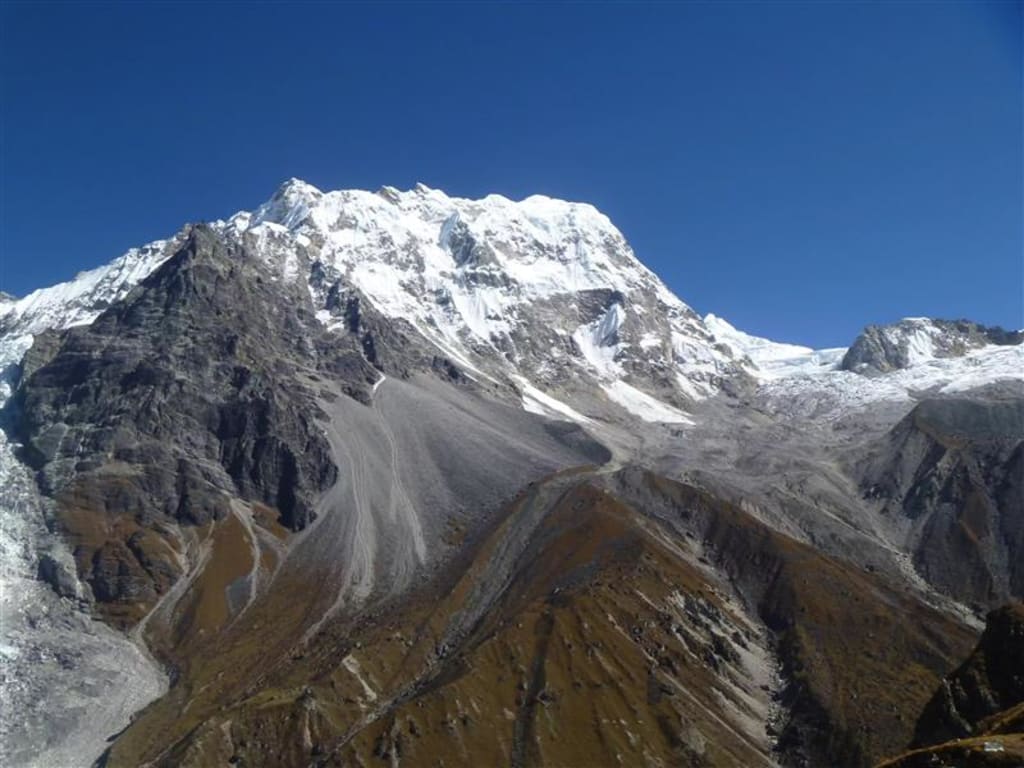
Have you ever thought about trekking in Nepal but didn’t want huge crowds of Everest or Annapurna, let me tell you about the Langtang Valley Trek. I didn’t have lots of expectations when I chose it, but by the end, I was honestly amazed by how peaceful, beautiful, and meaningful the whole experience turned out to be.
Langtang Valley is north of Kathmandu, pretty close to the border with Tibet. Compared to other famous trekking routes, it’s less busy, which was one of the main reasons I picked it. I was looking for quiet trails, less touristy villages, and a more authentic experience. Langtang gave me all of that.
Getting There and the Start of the Trail
To start the trek, I had to get to Syabrubesi, a small village that’s about a 7-8 hour drive from Kathmandu. The road isn’t the smoothest, and the ride gets bumpy in some parts, but honestly, the scenery keeps it interesting. You see hills, rivers, and small towns, and you start to feel like you’re really leaving city life behind.
Once the trek begins, the trail follows the Langtang River, and you walk through forests filled with pine, bamboo, and rhododendron. I saw a bunch of monkeys swinging through the trees and some really colorful birds. There were waterfalls along the way, and the sound of the river was kind of calming, it made the long walks feel easier.
The Villages and People
One of my favorite parts of the Langtang Valley Trek was the people. The villages along the trail are home to the Tamang community. These people have Tibetan roots, and their culture is deeply tied to Buddhism. You can see prayer flags everywhere, small stone stupas, and walls carved with ancient prayers (called mani walls). Most people speak Nepali and Tamang, but many also understand basic English, especially those who work in the tea houses.
The locals are warm and welcoming. In every village, I was offered tea, a smile, and sometimes even a little story about the area or their family. They live a simple life, mostly farming, yak herding, and running small lodges for trekkers. Many families still carry on traditions passed down for generations. I stayed in family-run tea houses where dinner was cooked on a wood fire, and we ate together like old friends.
Langtang Village and the 2015 Earthquake
Something that hit me deeply was learning about the 2015 earthquake that destroyed the original Langtang Village. It was a tragic event that killed many locals and trekkers. The whole village was buried under a landslide. When I visited the newly built Langtang Village (just a bit above the old site), I could still see the pain in the eyes of some people but also their strength.
Locals have rebuilt their homes, lodges, and lives. There’s even a memorial site where the old village used to be, and I stopped there for a while. It’s a quiet place, and it made me think about how strong people can be after going through something so horrible.
Reaching Kyanjin Gompa
The last main stop of the trek is Kyanjin Gompa, a small settlement with a monastery, some tea houses, and open space surrounded by snow-covered mountains. I loved this place. It was peaceful, quiet, and had a kind of spiritual vibe. I visited the monastery and sat there for a while, just listening to the wind and prayer chants in the background.
Nearby, there’s a local cheese factory where they make yak cheese. I tried some with a bit of local bread, and it was actually pretty good salty, strong, and perfect after a long walk.
Most people climb Kyanjin Ri (around 4,700 meters) for a view of the whole valley and surrounding peaks. The climb is steep, and I was out of breath most of the time, but when I reached the top, I could see glaciers, mountains, and the full stretch of the valley. I sat there for a long time, just soaking it all in.
Why I’d Recommend Langtang to Anyone
Langtang Valley Trek isn’t just about the mountains it’s also about the people, the culture, and the peaceful feeling you get from walking through quiet trails and remote villages. It’s not a super easy trek, but it’s not extremely hard either. If you’re in average shape and go slow, you can definitely do it. Plus, the altitude doesn’t get crazy high compared to other treks.
You don’t need a big budget, either. Tea houses are affordable, food is basic but filling (lots of dal bhat, noodles, soups, and tea), and the permits are cheaper than in other regions.
If you're looking for a quieter, more personal trekking experience with great mountain views and deep cultural roots, Langtang Valley is a solid choice. For me, it wasn’t just a trek it felt like a journey through real life in the mountains.
About the Creator
Cristofer Farnandez
I'm a travel guide at Adventure White Himalaya. We offer great mountain trip packages. Even if you can’t trek long, you can still see Everest up close with our Everest View Trek, just a few hours of walking to make your dream come true.
Keep reading
More stories from Cristofer Farnandez and writers in Wander and other communities.
Gokyo Lakes Trek – Discover the Hidden Gems of the Himalayas
There are some places in the world that feel like they’re straight out of a dream, and Gokyo Lakes is one of them. Let me tell you about my experience, because this trek is unlike anything you can imagine.
By Cristofer Farnandez10 months ago in Wander
Literary Heartbeats
Step through an unassuming storefront in Saratoga Springs, New York. Let the city’s familiar bustle fade behind you. Sink into the creak of hardwood floors as your gaze is drawn toward a labyrinth unfolding, room after room, swollen with stories. This is the Lyrical Ballad Bookstore—a place where literary ghosts linger, and generations of readers, writers, and dreamers have lost themselves amid 200,000 volumes of wonder.
By Kristen Barenthaler2 days ago in Wander
Away from the Crowds in Oklahoma
Imagine traveling in Catoosa and seeing the Blue Whale. This blue creature was built by Hugh Davis in 1972 as a 34th wedding anniversary gift for his wife. Since then, people driving down Route 66 have admired it. Another purpose for building the whale was so that it could serve as a swim dock for neighborhood children to dive and slide into a pond.
By Rasma Raisters4 days ago in Wander




Comments
There are no comments for this story
Be the first to respond and start the conversation.