
Kurinjal Trek: A Hidden Gem in Karnataka’s Western Ghats
Trek doesn’t just promise adventure—it offers solitude, fresh mountain air, and a chance to witness the untamed beauty of the Western Ghats without the tourist crowds.
When it comes to trekking in Karnataka, the spotlight often falls on the more famous trails—Kudremukh, Kodachadri, or Kumara Parvatha. But if you’re looking for a quieter path, where dense forests open up to rolling grasslands and panoramic views, the Kurinjal Trek in Kudremukh National Park is an underrated gem worth exploring.
This trek doesn’t just promise adventure—it offers solitude, fresh mountain air, and a chance to witness the untamed beauty of the Western Ghats without the tourist crowds.
Why Kurinjal Trek Stands Out
The Kurinjal peak rises to about 5,751 feet, tucked inside the Kudremukh National Park in Chikkamagaluru district. Unlike its more crowded cousin, Kudremukh, Kurinjal offers a more peaceful experience while still delivering everything trekkers crave: thick forests, waterfalls, open grasslands, and jaw-dropping summit views.
The trail is moderate in difficulty, making it ideal for beginners who want to test their stamina and seasoned trekkers looking for a less commercial route. What makes Kurinjal unique is its raw, untouched charm. You’re more likely to hear the rustle of leaves and the call of Malabar hornbills than the chatter of large trekking groups.
Best Time to Visit Kurinjal Trek
The trek is open most of the year, but timing your visit can transform your experience:
Winter (November to February): Clear skies, cool weather, and excellent visibility make this the best time. Trekking temperatures hover around 10–20°C.
Monsoon (June to September): The forest comes alive in shades of green, streams gush with fresh rainwater, and mist wraps around the hills. However, trails can be slippery and leeches are plenty, so be prepared.
Summer (March to May): Warmer, with temperatures rising up to 30°C. The grasslands can feel dry, but early morning treks are still enjoyable.
If it’s your first time, winter and post-monsoon months (October to February) are ideal for both comfort and views.
How to Reach Kurinjal
Getting to the base of the trek is straightforward, but requires some planning.
By Air: The nearest airport is Mangalore International Airport (110 km), about 3.5 hours by road.
By Train: The closest major railway stations are Mangalore (115 km) and Udupi (95 km). From there, you can hire a cab or catch local buses.
By Road: From Bangalore (330 km, 7–8 hours), drive via Hassan and Chikkamagaluru to Kudremukh. Buses to Kalasa or Horanadu are frequent, from where jeeps or taxis can take you to the starting point.
The trek begins near the Kurinjal check post, inside Kudremukh National Park. Since entry is regulated, you’ll need permission from the forest office, which is usually arranged by trekking organizers or local guides.
The Trail: What to Expect on the Kurinjal Trek
The trek covers about 7 km one way (14 km round trip) and typically takes 5–6 hours depending on your pace.
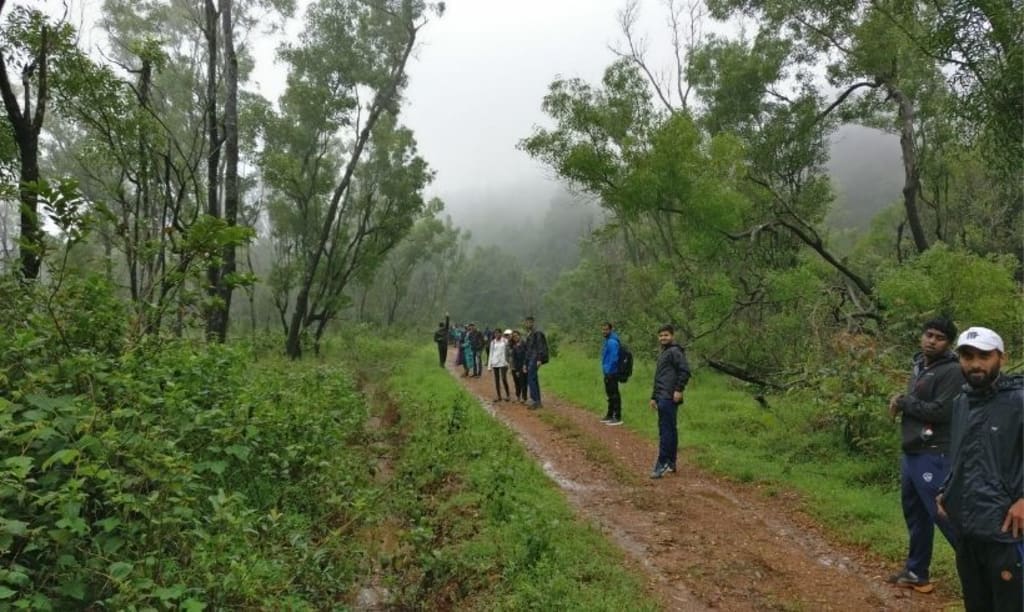
The trail begins under a dense canopy of shola forests, where sunlight barely filters through. You’ll hear the sounds of cicadas and might even spot langurs leaping across branches. As you climb higher, the forest slowly gives way to open grasslands, offering sweeping views of the surrounding peaks.
The real highlight is the final stretch. As you near the summit of Kurinjal Peak, you’ll walk along narrow ridges with panoramic views of Kudremukh’s rolling hills on one side and deep valleys on the other. On a clear day, the sight is breathtaking—layers of green hills fading into the horizon, clouds drifting lazily above.
Reaching the top feels rewarding, not just for the view but for the silence. Unlike busier treks, you might just have the summit to yourself. It’s the perfect spot to rest, snack, and soak in nature before descending.
Nearby Attractions to Add to Your Itinerary
If you’ve come all the way to Kudremukh, don’t just stop at Kurinjal. The region is packed with natural beauty and cultural gems:
Kudremukh Trek: The more famous sibling, offering a longer and more challenging trail with equally stunning views.
Hanuman Gundi Falls: A gorgeous waterfall inside the national park where you can take a refreshing dip.
Gangamoola: A hill considered the origin point of three rivers—Tunga, Bhadra, and Nethravathi.
Kalasa and Horanadu Temples: For a cultural detour, these historic temples are worth a visit.
Tea and Coffee Plantations: Explore estates around Chikkamagaluru for a taste of local plantation life.
Local Tips and Safety
Trekking in Kudremukh National Park is regulated, and a few guidelines will make your experience smoother:
Get forest permits. Entry is controlled to protect the ecosystem. These can be arranged in advance or through local guides.
Hire a guide. Trails can get confusing inside the forest, and guides help with navigation and wildlife awareness.
Start early. This ensures you can finish the trek by daylight, as camping isn’t allowed inside the park.
Carry essentials. Sturdy trekking shoes, rain jackets (especially in monsoon), water bottles, energy snacks, and insect repellent are must-haves.
Stay eco-friendly. The national park is a biodiversity hotspot—avoid littering, and carry back all waste.
Safety-wise, the trek is relatively safe for beginners with moderate fitness. Just watch your footing during monsoon, as trails can get slippery.
Budgeting for Kurinjal Trek
The good news? Kurinjal is one of the more budget-friendly treks in Karnataka.
Permits: Around ₹275–₹400 per person, depending on the season.
Guide Charges: ₹500–₹1,000 for the group.
Stay: Budget homestays in Kalasa and Kudremukh cost about ₹800–₹1,500 per night, while mid-range resorts go up to ₹3,000–₹5,000.
Food: Simple local meals (rice, sambar, curries) cost around ₹150–₹300 per person.
Transport: Shared jeeps from Kalasa or Horanadu cost ₹800–₹1,500 one way, taxis from Mangalore or Bangalore will be higher.
A 2-day Kurinjal trek trip from Bangalore can cost around ₹3,500–₹6,000, depending on transport and accommodation choices.
Suggested Itinerary
Here’s a simple plan for a weekend trip:
Day 1: Leave Bangalore early morning, reach Kudremukh by evening, and check into a homestay. Relax, explore nearby plantations, and prepare for the trek.
Day 2: Start the trek by 7 AM, reach the Kurinjal peak by late morning, descend by afternoon, and return to your stay. Leave for Bangalore by evening.
If you have extra time, add Hanuman Gundi Falls or Kalasa Temple to your return journey.
Why Kurinjal Trek Should Be on Your List
Kurinjal isn’t about ticking off a bucket-list peak—it’s about experiencing the Western Ghats in their rawest, most peaceful form. With its balanced mix of forest trails, grassland ridges, and panoramic summit views, it packs a lot into a single day.
For those who’ve done the crowded treks and crave something more offbeat, Kurinjal delivers the perfect blend of adventure and solitude. It’s the kind of trek that stays with you long after you’ve left—the smell of wet earth, the calls of hidden birds, the endless green of the hills.
So if you’re planning your next trekking escape in Karnataka, skip the obvious choice. Go for Kurinjal—you won’t regret it.
About the Creator
Rohit SEN
Hey! Come along with me to explore beautiful places, learn about different cultures, and share my adventures. Let's Explore together! From a travel lover!
Absolved of All Sins!
We went on a day trip to Armenia with my son and friend Katie to explore its apostolic monasteries. Our first stop, Akhtala Monastery, had a monument to Armenian-Georgian friendship in the form of two rings joined by a pomegranate, the national fruit of both countries.
By Lana V Lynx3 days ago in Wander
Gift of the Epiphany
I have come to love the Mike's monthly unofficial challenges. They spark my imagination and cause me to dig, explore and search out truths. They also cause personal memories of mine to sparkle for a bit. January's challenge was no exception. In fact, the events that I'm now journaling still amaze me because those steps felt so ordered, yet unmistakingly, not mine.
By Shirley Belk5 days ago in Wander


Comments
There are no comments for this story
Be the first to respond and start the conversation.