
Kanchenjunga Trek: Journey to the World's Third Highest Mountain
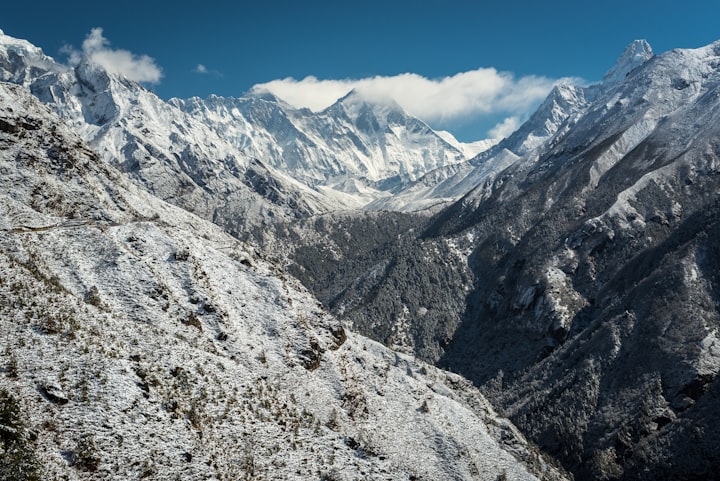
The world’s third-highest mountain at 8,586 meters.


The Kanchenjunga Trek is one of the most thrilling and remote treks in Nepal, taking adventurers through rugged landscapes to the base of Kanchenjunga, the world’s third-highest mountain at 8,586 meters. This challenging trek offers a perfect mix of natural beauty, cultural richness, and stunning mountain views. You’ll pass through lush rhododendron forests, traditional Sherpa and Rai villages, and diverse wildlife as you gradually ascend to high-altitude terrain.
Key Highlights:
Remote and Untouched Beauty: Unlike more popular treks like Everest or Annapurna, the Kanchenjunga region remains relatively untouched, offering pristine landscapes and a sense of solitude.
Cultural Experience: The trail runs through isolated villages where you can learn about the lifestyle, culture, and traditions of local ethnic groups like the Sherpas and Limbus.
Incredible Mountain Views: From the Kanchenjunga Base Camp, you'll witness breathtaking views of massive peaks, including the majestic Kanchenjunga itself.
Overview of the Kanchenjunga Trek
The Kanchenjunga Trek takes you into the remote northeastern part of Nepal, bordering Tibet and the Indian state of Sikkim. Unlike the more popular treks like the Everest Base Camp or the Annapurna Circuit, the trails here are far less trodden, offering trekkers an immersive experience in unspoiled nature and a sense of solitude that is rare in the more trafficked areas.
The trek typically starts in Taplejung and winds through thick rhododendron forests, terraced farmlands, glacial rivers, and traditional villages inhabited by various ethnic groups, including Sherpas, Limbus, and Rai communities. The diverse flora and fauna in this region, including sightings of rare wildlife like the snow leopard and red panda, add to the allure of this trek.
At its core, the Kanchenjunga Trek is about reaching the Kanchenjunga Base Camp, but the journey to get there is just as remarkable as the destination. Towering mountains, scenic landscapes, and the welcoming warmth of local people combine to create an adventure of a lifetime.
1. Remote and Untouched Beauty
The Kanchenjunga region remains relatively isolated from mainstream tourism, meaning the landscapes are untouched and the villages retain their traditional charm. You will traverse across pristine wilderness that feels like a world away from the more developed trekking regions of Nepal. The serenity and raw beauty of the area give the trek a unique atmosphere, as though you are venturing into a hidden paradise.
2. Incredible Mountain Views
The trek offers stunning views of some of the tallest peaks on Earth. While Kanchenjunga is the main attraction, towering at 8,586 meters, you’ll also witness magnificent views of other giants like Mount Jannu (7,710 meters), Yalung Kang (8,505 meters), and Kambachen Peak (7,903 meters). As you ascend, you’ll get up-close views of these majestic mountains, especially from the Kanchenjunga Base Camp.
3. Two Base Camps: North and South
A unique feature of the Kanchenjunga Trek is that it offers access to two base camps, the North Base Camp at Pangpema and the South Base Camp at Oktang. Each base camp provides breathtaking views of the mountain, and trekkers often visit both as part of their journey. The North Base Camp gives you panoramic views of the north face of Kanchenjunga, while the South Base Camp offers an extraordinary view of the Yalung Glacier and the southwest face of the peak.
4. Rich Cultural Experience
The trek passes through remote villages where the traditions and lifestyle have remained largely untouched by modern development. You’ll interact with various ethnic groups, such as the Limbu, Rai, and Sherpa communities, giving you a chance to learn about their unique cultures and practices. The hospitality of the locals is heartwarming, and many trekkers consider this cultural aspect one of the highlights of their journey.
5. Biodiversity and Wildlife
Kanchenjunga Conservation Area, where most of the trek takes place, is a biodiversity hotspot. As you trek through lush forests, there’s a chance to see rare and endangered species like the snow leopard, red panda, Himalayan black bear, and various bird species such as the Impeyan pheasant and blood pheasant. The diversity of flora, including oak, pine, and rhododendron forests, adds to the region’s natural beauty.
Trekking Itinerary
A standard Kanchenjunga Trek itinerary lasts between 18 and 24 days, depending on how many rest days and acclimatization days you include. Below is a sample itinerary for the trek:
Day 1-2: Kathmandu to Taplejung
After arriving in Kathmandu, trekkers usually take a domestic flight to Bhadrapur, followed by a scenic drive to Taplejung, the starting point of the trek.
Day 3-5: Taplejung to Chirwa
The trail starts with a descent through terraced fields and small villages. You’ll pass through the village of Mitlung before reaching Chirwa, a small village located by the river.
Day 6-7: Chirwa to Ghunsa
From Chirwa, you’ll continue the trek through lush forests and suspension bridges before reaching Ghunsa, a traditional Tibetan village that serves as an acclimatization stop.
Day 8-9: Ghunsa to Kambachen and Lhonak
These days take you higher into alpine terrain with spectacular mountain views. Kambachen and Lhonak offer excellent vistas of surrounding peaks.
Day 10: Lhonak to Pangpema (North Base Camp)
This is one of the most exciting days as you reach Pangpema, the North Base Camp, where you’ll be greeted by breathtaking views of Kanchenjunga’s north face.
Day 11-13: Return to Ghunsa and Cross Sele La Pass
After reaching the North Base Camp, you’ll return to Ghunsa and cross the Sele La Pass (4,290 meters), heading toward the South Base Camp.
Day 14-16: Oktang (South Base Camp)
After crossing the pass, you’ll trek to Oktang, the South Base Camp, where the dramatic Yalung Glacier and the southwest face of Kanchenjunga await.
Day 17-22: Return to Taplejung
The return journey takes you back to Taplejung, where you’ll conclude your trek before driving or flying back to Kathmandu.
Trek Difficulty and Physical Fitness
The Kanchenjunga Trek is considered one of the most challenging treks in Nepal. It’s a strenuous journey that demands both physical fitness and mental endurance. Trekking for several weeks in remote areas at high altitudes, often above 4,000 meters, means that altitude sickness is a potential risk. Trekkers need to be prepared for steep ascents, rugged terrain, and long walking days.
While prior trekking experience isn’t mandatory, it is highly recommended. A high level of cardiovascular fitness and endurance will make the trek more enjoyable and reduce the risk of exhaustion or injury. It’s advisable to train with long hikes and uphill climbs for several months before embarking on the trek.
Best Time to Trek Kanchenjunga
The best times to trek the Kanchenjunga region are during spring (March to May) and autumn (September to November). These seasons offer stable weather, clear skies, and excellent visibility of the mountains. In spring, the rhododendron forests bloom in vibrant colors, while autumn brings crisp air and the clearest views of the snow-capped peaks.
Winter trekking is possible but not recommended for most due to the harsh weather conditions, heavy snowfall, and the potential for closed passes. Similarly, the summer monsoon season (June to August) brings heavy rainfall, making trails muddy and increasing the risk of landslides.
Permits and Costs
Since the Kanchenjunga region is a restricted area, trekkers are required to obtain special permits, including:
Kanchenjunga Restricted Area Permit
Kanchenjunga Conservation Area Permit
Additionally, trekkers must be accompanied by a registered guide, as solo trekking is not allowed in this region. Depending on the trekking package, the cost of the Kanchenjunga Trek can range from $2,000 to $3,500, covering permits, guide and porter fees, accommodation, food, and transportation.
Conclusion
The Kanchenjunga Trek is the ultimate adventure for trekkers seeking an off-the-beaten-path experience in Nepal. From its towering mountains and diverse landscapes to the rich cultural tapestry of the local villages, this trek offers a journey of discovery in one of the most remote corners of the Himalayas. While challenging, the rewards of witnessing the untouched beauty and grandeur of Kanchenjunga are worth every step.
For those ready to embrace the adventure and push their limits, the Kanchenjunga Trek promises a life-changing experience in the heart of the Himalayas.
About the Creator
Prakash Lamsal
Hi, I am Prakash Lamsal founder of Nepal Himalayas Trekking. I am a passionate in writng about travel and trekking.
Want to do Everest Base Camp Helicopter Tour and Everest Base Camp Trek? If you are interested then WhatsApp me or email us.
Keep reading
More stories from Prakash Lamsal and writers in Wander and other communities.
Everest Base Camp Trek Distance: A Complete Guide
The Everest Base Camp (EBC) trek is one of the most popular trekking routes in the world, attracting adventurers from all walks of life. But one question often asked is, "How far is the trek?" Understanding the Everest Base Camp trek distance helps you plan, prepare, and pace yourself for the journey. This guide covers everything you need to know about the distance of the trek, including key milestones, daily distances, and what to expect on the way.
By Prakash Lamsalabout a year ago in Wander
Everest Three Passes Trek 15 Days: A Demanding But Rewarding Route
The Everest region is often associated with the classic Everest Base Camp trail. But for trekkers looking for something more challenging and less predictable, the Three Passes route offers a deeper experience of the Khumbu.
By Saraswati Karki3 days ago in Wander



Comments
There are no comments for this story
Be the first to respond and start the conversation.