
Everest Base Camp Trek Distance: A Complete Guide
The Everest Base Camp (EBC) trek is one of the most popular trekking routes in the world, attracting adventurers from all walks of life.

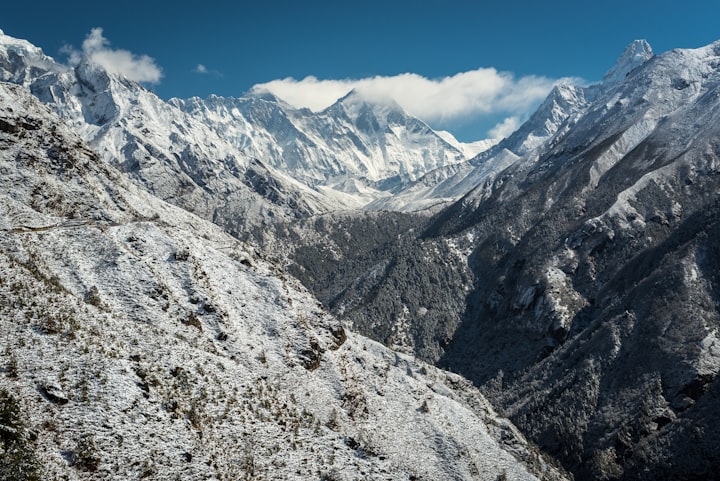
The Everest Base Camp (EBC) trek is one of the most popular trekking routes in the world, attracting adventurers from all walks of life. But one question often asked is, "How far is the trek?" Understanding the Everest Base Camp trek distance helps you plan, prepare, and pace yourself for the journey. This guide covers everything you need to know about the distance of the trek, including key milestones, daily distances, and what to expect on the way.
Total Distance of the Everest Base Camp Trek
The total distance of the Everest Base Camp trek is approximately 130 kilometers (80 miles) round trip. That includes the distance from the starting point, Lukla, to Everest Base Camp and back to Lukla. You may be surprised that 130 kilometers doesn’t seem too long, but the trek takes 12-14 days due to the challenging terrain, high altitude, and acclimatization stops.
Here’s a quick breakdown:
Lukla to Everest Base Camp: 65 km (40 miles)
Everest Base Camp back to Lukla: 65 km (40 miles)
This may not sound too difficult, but there’s more to this trek than just distance. The trail takes you through steep inclines, rugged paths, and high-altitude conditions, all of which make it a test of both endurance and mental strength.
Key Stages and Distances
The trek is typically divided into several stages to allow time for acclimatization and recovery. Here is a breakdown of the key milestones along the route and the distance between them.
Day 1: Lukla to Phakding (8 km / 5 miles)
Starting Elevation: 2,800 meters (9,186 feet)
Destination Elevation: 2,610 meters (8,562 feet)
Your trek begins at Lukla after a short, scenic flight from Kathmandu. The distance on the first day is relatively easy, about 8 km. The trail mostly descends through picturesque villages, crossing rivers and passing by mani stones (sacred Buddhist carvings). You’ll end the day at Phakding, a village nestled in the Dudh Koshi Valley.
Day 2: Phakding to Namche Bazaar (10-12 km / 6-7.5 miles)
Starting Elevation: 2,610 meters (8,562 feet)
Destination Elevation: 3,440 meters (11,286 feet)
This is where the trek starts to get challenging. The distance covered is 10-12 km, but there is a significant elevation gain of almost 800 meters. The trail includes several suspension bridge crossings and uphill climbs, especially the final ascent to Namche Bazaar, the largest town in the region and a bustling hub for trekkers and mountaineers.
Day 3: Acclimatization Day at Namche Bazaar
On the third day, you won’t be covering much distance as this is a rest and acclimatization day. Many trekkers take short hikes to nearby viewpoints like Everest View Hotel, which offers a first glimpse of Mount Everest. This day is crucial for adjusting to the altitude and helps prevent altitude sickness.
Day 4: Namche Bazaar to Tengboche (10-11 km / 6.5-7 miles)
Starting Elevation: 3,440 meters (11,286 feet)
Destination Elevation: 3,860 meters (12,660 feet)
After your acclimatization day, the trek resumes with a moderately challenging 10-11 km hike to Tengboche. You’ll pass through forests, cross more suspension bridges, and finally arrive at the Tengboche Monastery, one of the most famous in the region. The view from Tengboche includes some of the most iconic Himalayan peaks, including Everest, Lhotse, and Ama Dablam.
Day 5: Tengboche to Dingboche (11-12 km / 7-7.5 miles)
Starting Elevation: 3,860 meters (12,660 feet)
Destination Elevation: 4,410 meters (14,468 feet)
The distance from Tengboche to Dingboche is about 11-12 km, with a gradual ascent. As you move higher, the landscape becomes more barren and the air thinner. Dingboche is a popular place to rest, with a beautiful view of the valley and surrounding peaks.
Day 6: Acclimatization Day at Dingboche
Just like in Namche, you’ll take another day for acclimatization in Dingboche. A popular short trek is to the nearby Nangkar Tshang peak, which offers breathtaking views. This day helps your body adjust to the altitude, as you’ll be trekking above 4,000 meters for the remainder of the journey.
Day 7: Dingboche to Lobuche (11-12 km / 7-7.5 miles)
Starting Elevation: 4,410 meters (14,468 feet)
Destination Elevation: 4,940 meters (16,207 feet)
The trek from Dingboche to Lobuche covers a distance of around 11-12 km. The terrain becomes more rugged, and you’ll walk past memorials dedicated to climbers who lost their lives in the Himalayas. As you get closer to Lobuche, you’ll feel the altitude more intensely, but the excitement of nearing Everest Base Camp keeps the motivation high.
Day 8: Lobuche to Gorak Shep to Everest Base Camp (15 km / 9 miles)
Starting Elevation: 4,940 meters (16,207 feet)
Base Camp Elevation: 5,364 meters (17,598 feet)
This is the longest and arguably the most challenging day of the trek, covering about 15 km. You’ll trek from Lobuche to Gorak Shep, where you’ll stop for a rest before continuing to Everest Base Camp. The terrain is rocky and glacier-covered, but reaching Everest Base Camp at 5,364 meters is the ultimate reward. After spending some time at the camp, you’ll return to Gorak Shep for the night.
Day 9: Gorak Shep to Kala Patthar to Pheriche (17 km / 10.5 miles)
Starting Elevation: 5,164 meters (16,942 feet)
Kala Patthar Elevation: 5,545 meters (18,192 feet)
Destination Elevation: 4,280 meters (14,042 feet)
Though you’ve reached Everest Base Camp, the trek isn’t complete without ascending Kala Patthar, a popular viewpoint offering panoramic views of Mount Everest. The distance from Gorak Shep to Kala Patthar and down to Pheriche is about 17 km. The climb to Kala Patthar is steep and challenging, but the views are breathtaking.
Day 10: Pheriche to Namche Bazaar (20-22 km / 12.5-14 miles)
Starting Elevation: 4,280 meters (14,042 feet)
Destination Elevation: 3,440 meters (11,286 feet)
On the return journey, you’ll retrace your steps, covering around 20-22 km back to Namche Bazaar. Although it’s a descent, the long day can still be tough on your knees, so trekking poles come in handy here.
Day 11: Namche Bazaar to Lukla (19-20 km / 12-12.5 miles)
Starting Elevation: 3,440 meters (11,286 feet)
Destination Elevation: 2,800 meters (9,186 feet)
The final stretch covers about 19-20 km, taking you back to Lukla. After an exhilarating 12 days, you’ll feel accomplished and perhaps a bit nostalgic as you make your way through familiar villages and cross the Dudh Koshi River for the last time. Upon reaching Lukla, many trekkers celebrate the completion of their journey.
Factors That Affect Trekking Distance
Though the official distance is approximately 130 km round trip, the actual mileage can vary based on a few factors:
Side Trips: Some trekkers take additional side hikes, such as visiting monasteries, viewpoints, or nearby villages.
Acclimatization Walks: On acclimatization days, short hikes are encouraged to help adjust to the altitude.
Route Variation: Depending on weather conditions, some routes may require slight detours.
How to Prepare for the Everest Base Camp Trek
Even though the trek is doable for many people with basic fitness, the elevation and terrain make it tough. Here are a few preparation tips:
Cardiovascular Training: Focus on activities that improve endurance, such as running, cycling, or swimming.
Hiking Practice: If possible, go on hikes with a weighted backpack to simulate trekking conditions.
Altitude Acclimatization: If you live at a low elevation, consider spending time at higher altitudes before your trek, or arrive in Nepal a few days early.
Conclusion
The total distance of the Everest Base Camp trek may seem manageable at 130 km, but the challenge lies in the high altitude, unpredictable weather, and rugged terrain. By breaking the journey into stages and allowing time for acclimatization, most trekkers can complete the trek safely and enjoy the unforgettable experience of standing at the base of the world’s tallest mountain. Whether you’re an experienced trekker or a first-timer, the Everest Base Camp trek offers an adventure of a lifetime, filled with stunning scenery, rich culture, and
About the Creator
Prakash Lamsal
Hi, I am Prakash Lamsal founder of Nepal Himalayas Trekking. I am a passionate in writng about travel and trekking.
Want to do Everest Base Camp Helicopter Tour and Everest Base Camp Trek? If you are interested then WhatsApp me or email us.
Keep reading
More stories from Prakash Lamsal and writers in Wander and other communities.
Top 5 Trekking Destinations in Nepal: A Journey to Adventure
Nepal, nestled in the heart of the Himalayas, is a paradise for trekking enthusiasts. Home to some of the world's highest peaks, including Mount Everest, this small yet stunning country offers incredible trekking experiences that vary in difficulty, scenery, and cultural richness. Whether you're an experienced trekker or a beginner looking for adventure, Nepal has something for everyone.
By Prakash Lamsalabout a year ago in Wander
A Planetary Alignment will coincide with Mercury Retrograde
Double phenomena in the heavens Some people say in jest that the planets have aligned in their favor when life works the way they desire. Were you aware that there are seasons when things do line up in the heavens? There will be a planetary alignment AKA a planet parade, on February 28, 2026.
By Cheryl E Preston5 days ago in FYI



Comments
There are no comments for this story
Be the first to respond and start the conversation.