
Kailash Mansarovar Yatra: A Sacred Journey to the Abode of Lord Shiva
A transformative journey of faith, devotion, and Himalayan serenity.
Overview
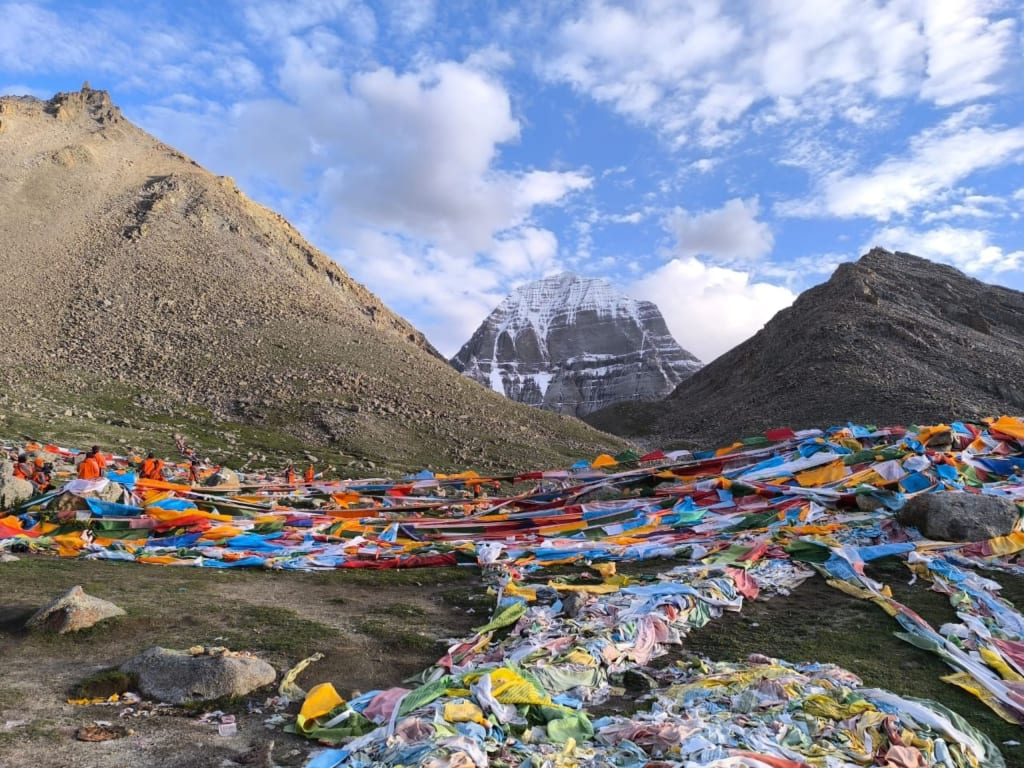
The Kailash Mansarovar Yatra is one of the most revered pilgrimages in the world, drawing devotees from across the globe to the majestic Mount Kailash and the sacred Lake Mansarovar in Tibet. This spiritual odyssey takes you to an altitude of over 19,500 feet, where the divine peak of Mount Kailash stands as an eternal symbol of spiritual awakening and cosmic energy.
Mount Kailash, standing at 6,638 meters, is considered the earthly manifestation of the mythical Mount Meru, the axis of the universe in Hindu, Buddhist, Jain, and Bon traditions. The mountain remains unconquered, its symmetrical pyramid shape inspiring awe and devotion in equal measure. Lake Mansarovar, situated at 4,590 meters, is believed to have been created in the mind of Lord Brahma and is said to purify the soul of those who bathe in its pristine waters.
This journey is not merely a physical expedition but a profound inner transformation. Pilgrims undertake the challenging parikrama (circumambulation) of Mount Kailash, a 52-kilometer trek that tests both body and spirit while offering unparalleled opportunities for meditation, prayer, and self-discovery.
Highlights of the Journey
Mount Kailash Parikrama: The circumambulation of the sacred mountain is the spiritual heart of the yatra. Walking in the footsteps of countless pilgrims, you'll traverse the Dolma La Pass at 5,630 meters, believed to wash away the sins of a lifetime.
Lake Mansarovar: The highest freshwater lake in the world offers moments of serene contemplation. Pilgrims perform puja on its shores, take holy dips, and collect its sacred waters. The lake's turquoise waters reflect the surrounding snow-capped peaks, creating a landscape of otherworldly beauty.
Gauri Kund: Located during the parikrama, this small lake is associated with Goddess Parvati and holds special significance for female pilgrims.
Breathtaking Landscapes: The journey takes you through diverse terrains—from the lush valleys of Nepal to the stark, magnificent high-altitude desert of the Tibetan plateau. You'll witness dramatic mountain vistas, vast open plains, and nomadic Tibetan settlements.
Cultural Immersion: Experience Tibetan Buddhist culture through interactions with local communities, visits to ancient monasteries, and observation of unique traditions that have remained unchanged for centuries.
Spiritual Transformation: Beyond the physical sights, pilgrims consistently describe the yatra as a life-changing experience that brings clarity, peace, and a profound sense of connection to the divine.
Best Time to Visit
The Kailash Mansarovar Yatra operates during a limited window each year due to the extreme weather conditions in the region.
May to June: This is considered one of the best periods. The winter snow has melted, making paths more accessible. Temperatures are relatively warmer, ranging from 5°C to 15°C during the day, though nights remain cold. The landscape begins to show signs of spring, and visibility is generally excellent.
September to early October: Another ideal window, this period follows the monsoon season. The air is crisp and clear, offering spectacular mountain views. Temperatures are similar to the spring period. The autumn colors add beauty to the already stunning landscape.
Weather Considerations: Even during favorable months, weather at high altitudes can be unpredictable. Be prepared for sudden temperature drops, strong winds, and occasional rain or snow. The parikrama route can experience harsh conditions regardless of the season.
Avoid: The monsoon months of July and August bring heavy rainfall, making trails slippery and dangerous. Winter months from November to April are extremely harsh with heavy snowfall and sub-zero temperatures, making the yatra nearly impossible.
Physical and Mental Preparation
Fitness Requirements: This yatra demands excellent physical fitness. Begin preparing at least three months in advance with cardiovascular exercises, strength training, and endurance building. Regular walking with a loaded backpack, stair climbing, and hiking at progressively higher altitudes will help condition your body.
Altitude Acclimatization: Proper acclimatization is crucial to prevent Acute Mountain Sickness (AMS). The journey includes gradual altitude gains with rest days built in for adjustment. Listen to your body, stay hydrated, and inform your guide immediately of any symptoms like headache, nausea, or dizziness.
Mental Preparation: The physical challenges are matched by the mental demands of the journey. Cultivate mental resilience through meditation and pranayama. The yatra requires patience, determination, and a positive attitude when facing difficulties.
Medical Clearance: Obtain a comprehensive medical examination before departure. People with heart conditions, high blood pressure, respiratory issues, or other serious health concerns should consult with their physicians. Carry all medical reports and necessary medications.
Comprehensive Packing Guide
Clothing Layers:
- Thermal base layers (at least 2-3 sets)
- Fleece mid-layers or down jacket
- Waterproof and windproof outer shell jacket and pants
- Warm trekking pants and shorts
- Warm hat, sun hat, and balaclava
- Multiple pairs of gloves (waterproof outer and warm inner)
- Woolen socks (at least 5-6 pairs)
- Comfortable trekking boots (well broken-in)
- Sandals or camp shoes for evenings
Personal Equipment:
- High-quality sleeping bag rated for -15°C or lower
- Trekking poles for stability during parikrama
- Headlamp with extra batteries
- Large backpack (60-70L) and daypack
- Water bottles or hydration system
- Sunglasses with UV protection (category 4)
- High SPF sunscreen and lip balm
- Personal toiletries and hygiene items
- Quick-dry towel
Health and Safety:
- Personal first aid kit with bandages, antiseptic, pain relievers
- Altitude sickness medication (consult your doctor)
- Diamox or other prescribed altitude medications
- Oral rehydration salts
- Any personal prescription medications (carry double the required amount)
- Water purification tablets or filter
- Hand sanitizer and wet wipes
Spiritual and Personal Items:
- Prayer items (mala, religious texts, photographs of deities)
- Camera with extra batteries and memory cards
- Power bank for electronic devices
- Journal and pen for recording experiences
- Plastic bags for collecting Mansarovar water
- Offerings for puja at sacred sites
Documents (keep in waterproof pouches):
- Valid passport with required permits
- Multiple photocopies of all documents
- Passport-sized photographs
- Travel insurance documents
- Medical reports and prescriptions
- Emergency contact information
Important Tips:
- Pack light but don't compromise on essential warm clothing
- Everything should fit in your backpack as porterage may be limited during parikrama
- Choose moisture-wicking and quick-dry fabrics
- Break in your trekking boots well before the journey
- Carry high-energy snacks like nuts, dried fruits, and chocolate
Health and Safety Guidelines :
Hydration: Drink at least 3-4 liters of water daily to combat altitude sickness and dehydration. Warm soups and herbal teas also help maintain hydration.
Diet: Eat light, nutritious meals high in carbohydrates. Avoid alcohol, smoking, and heavy foods that are difficult to digest at high altitudes.
Recognize Altitude Sickness: Know the symptoms—headache, nausea, loss of appetite, fatigue, and difficulty sleeping. If symptoms worsen, descend immediately and seek medical attention.
Sun Protection: The thin atmosphere at high altitudes offers little protection from UV rays. Apply sunscreen every few hours and wear protective clothing.
Pace Yourself: Walk slowly and steadily, following the principle of "pole pole" (slowly slowly in Swahili). Rest frequently and never overexert yourself.
Cultural Sensitivity and Etiquette
Respect Local Customs: Tibet has deep Buddhist traditions. Always walk clockwise around monasteries and religious sites. Remove shoes before entering sacred spaces.
Photography: Ask permission before photographing people or inside monasteries. Some areas may prohibit photography entirely.
Environmental Responsibility: This is a pristine, fragile ecosystem. Carry all trash back, use biodegradable products, and minimize your environmental impact. Leave nothing but footprints.
Interaction with Locals: The Tibetan people are warm and hospitable. Learn a few basic phrases in Tibetan, respect their customs, and engage with genuine interest and humility.
Sacred Sites: Maintain silence and reverence at holy places. Avoid loud conversations, playing music, or any behavior that might disturb the sanctity of the space.
What Makes This Journey Unforgettable
The Kailash Mansarovar Yatra transcends conventional travel experiences. It's a pilgrimage that strips away the superficial layers of daily existence and confronts you with fundamental questions about life, faith, and purpose. The physical challenges become metaphors for life's obstacles, and overcoming them builds profound inner strength.
Many pilgrims describe experiencing moments of clarity and peace that have eluded them for years. The silence of the high-altitude desert, the majesty of the mountains, and the company of fellow seekers create conditions perfect for introspection and spiritual growth.
The yatra is also a journey of surrender—to the mountain, to the elements, to forces greater than yourself. This surrender, paradoxically, brings a sense of liberation and empowerment that stays with pilgrims long after they return home.
Final Thoughts
The Kailash Mansarovar Yatra is not for everyone, but for those called to undertake it, the journey offers rewards beyond measure. It demands preparation, perseverance, and faith, but returns these investments manifold in the form of unforgettable experiences, spiritual insights, and memories that last a lifetime.
This sacred pilgrimage reminds us that some destinations are worth every difficult step, that the journey itself transforms us, and that in the shadow of the eternal mountain, we find our truest selves. Whether you seek spiritual awakening, personal challenge, or simply to witness one of Earth's most magnificent landscapes, Mount Kailash and Lake Mansarovar await to welcome you with their timeless grace.
Om Namah Shivaya!
About the Creator
Jessie
Jessie is an adventurous traveler known for exploring Nepal’s most breathtaking trails with a light backpack and an open heart.
Keep reading
More stories from writers in Wander and other communities.
Weather in Morocco in July By Morocco Family Vacation
When we planned our family trip to Morocco, July wasn’t my first choice. Like most parents, I worried about the heat especially with kids. I pictured endless sun, cranky afternoons, and constant searching for shade. But our schedule left us with July, so we adjusted our expectations and planned carefully.
By Ariel Cohenabout 19 hours ago in Wander
Silver Screen Magic with Mae West
American actress and singer Mae West became a popular film actress during the Great Depression. She started entertaining in vaudeville, then performed on Broadway, and finally went to Hollywood. She signed up with Paramount Pictures and made her debut in the 1932 film “Night After Night.” She also starred in musicals, comedies, and crime dramas. The American Film Institute named her one of the best classic Hollywood actresses.
By Rasma Raisters6 days ago in Geeks




Comments
There are no comments for this story
Be the first to respond and start the conversation.