
How Traveling by Plane Will Change in 2026: A New Era of Smarter, Greener, and Faster Flights
From biometric boarding to eco-friendly aircraft, air travel is entering a smarter and more passenger-focused future.

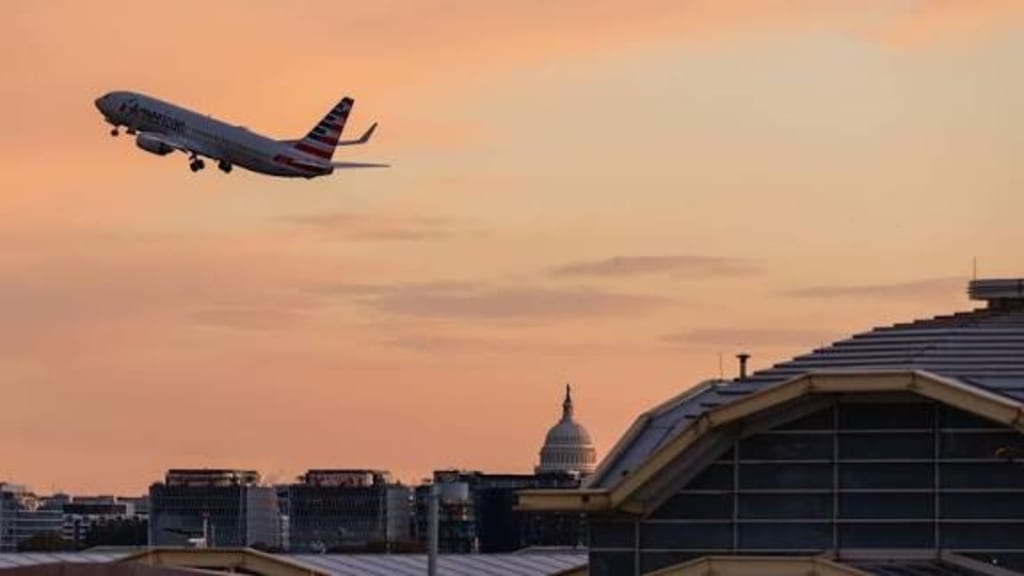
Air travel has always reflected the world’s changing priorities—speed, safety, comfort, and innovation. As we move toward 2026, flying is set to undergo some of its most noticeable transformations in decades. From biometric boarding to greener aircraft and redesigned cabins, the way passengers experience air travel is evolving rapidly. What once felt futuristic is becoming routine, and 2026 is expected to mark a turning point in how we fly.
Biometric Travel Will Become the New Normal
One of the biggest changes passengers will notice in 2026 is the widespread use of biometric identification. Facial recognition, already in use at select airports, will become standard for check-in, security, and boarding.
Instead of presenting passports and boarding passes multiple times, travelers will simply walk through checkpoints where cameras verify their identity in seconds. This will reduce queues, speed up boarding, and minimize physical contact—something travelers now value more than ever.
Airports aim to become “walk-through” experiences, where your face becomes your boarding pass.
Shorter Airport Wait Times Through AI and Automation
Artificial intelligence will play a major role in reducing delays. AI-powered systems will predict congestion, adjust staff deployment, and optimize flight schedules in real time. Security scanners will become smarter, requiring fewer manual checks while maintaining safety standards.
Robotic assistants may also appear more frequently—guiding passengers, answering questions, and even helping with luggage in large terminals. For frequent flyers, this means less stress and more predictability.
Greener Aircraft and Sustainable Flying
Sustainability is no longer optional for the aviation industry. By 2026, airlines are expected to significantly increase their use of Sustainable Aviation Fuel (SAF), which can reduce carbon emissions by up to 80% compared to traditional jet fuel.
Newer aircraft models will be lighter, quieter, and more fuel-efficient. Some airlines may begin limited electric or hybrid-electric flights on short regional routes. While fully electric long-haul flights are still years away, 2026 will represent a major step toward eco-conscious aviation.
Passengers may also see carbon-footprint labels on tickets, allowing them to make more informed travel choices.
Cabin Design Will Focus on Comfort and Personal Space
The days of one-size-fits-all cabin layouts are fading. In 2026, aircraft interiors will prioritize ergonomics, hygiene, and personalization.
Seats will feature better lumbar support, adjustable headrests, and smart cushions that adapt to body movement. Improved air filtration systems will enhance cabin air quality, while antimicrobial materials will become standard on high-touch surfaces.
Economy class may see subtle but meaningful upgrades, while premium cabins will offer more privacy through sliding doors and quieter spaces—even on mid-range flights.
In-Flight Entertainment Will Be Personalized
Seatback screens will no longer be the primary entertainment source. Instead, airlines will integrate personal device streaming, allowing passengers to watch content on their own phones, tablets, or laptops.
AI-driven systems will recommend movies, music, and even destination tips based on passenger preferences. High-speed satellite Wi-Fi will become more reliable, enabling video calls, live streaming, and remote work at 35,000 feet.
For business travelers, flights in 2026 may feel more like mobile offices than downtime.
Faster, More Flexible Booking and Pricing
Dynamic pricing powered by AI will allow airlines to offer more personalized fares. Ticket prices may vary not just by demand, but by loyalty status, travel history, and flexibility preferences.
Passengers will also enjoy more modular booking options—paying only for what they need. Want extra legroom but no checked baggage? Prefer flexible dates but basic seating? By 2026, customization will be key.
Health and Wellness Will Matter More
Airlines are paying closer attention to passenger well-being. Expect better cabin lighting to reduce jet lag, healthier in-flight meals, and hydration-focused services on long-haul routes.
Some airlines may introduce quiet zones or wellness-focused seating areas, acknowledging the growing demand for mindful travel experiences.
Conclusion: Flying in 2026 Will Feel Smarter, Not Just Faster
Traveling by plane in 2026 won’t just be about reaching a destination—it will be about how smoothly, responsibly, and comfortably you get there. Technology will reduce friction, sustainability will guide decisions, and personalization will shape every stage of the journey.
While the romance of flying remains, the experience itself is becoming more human-centered. In many ways, the future of air travel isn’t about machines—it’s about making flying work better for people.
As these changes take flight, passengers can expect a journey that feels less like a hassle and more like a seamless part of modern life.
About the Creator
Fiaz Ahmed Brohi
I am a passionate writer with a love for exploring and creating content on trending topics. Always curious, always sharing stories that engage and inspire.
Keep reading
More stories from Fiaz Ahmed Brohi and writers in Wander and other communities.
Business Class Passenger Jailed for 20 Months for Stealing Another Person’s Bag
Air travel is often associated with convenience, comfort, and a sense of security—especially in premium cabins like business class. However, a recent court case has shattered the assumption that crime is less likely in elite spaces. A business class passenger has been sentenced to 20 months in jail after stealing another traveler’s bag, sending a strong message that privilege does not place anyone above the law.
By Fiaz Ahmed Brohi27 days ago in Wander
Why Fencing Choices Matter More Than Ever in Saudi Arabia
Fencing Is No Longer Just a Boundary In many construction and infrastructure discussions, fencing is treated as an afterthought—something added at the end to “close the site.” In Saudi Arabia, that mindset no longer works. From industrial zones to residential developments, fencing now plays a direct role in safety, durability, compliance, and even long-term cost control.
By Matco Industry5 days ago in Wander


Comments
There are no comments for this story
Be the first to respond and start the conversation.