
Business Class Passenger Jailed for 20 Months for Stealing Another Person’s Bag
A Costly Crime at 35,000 Feet Raises Questions About Trust and Security in Air Travel

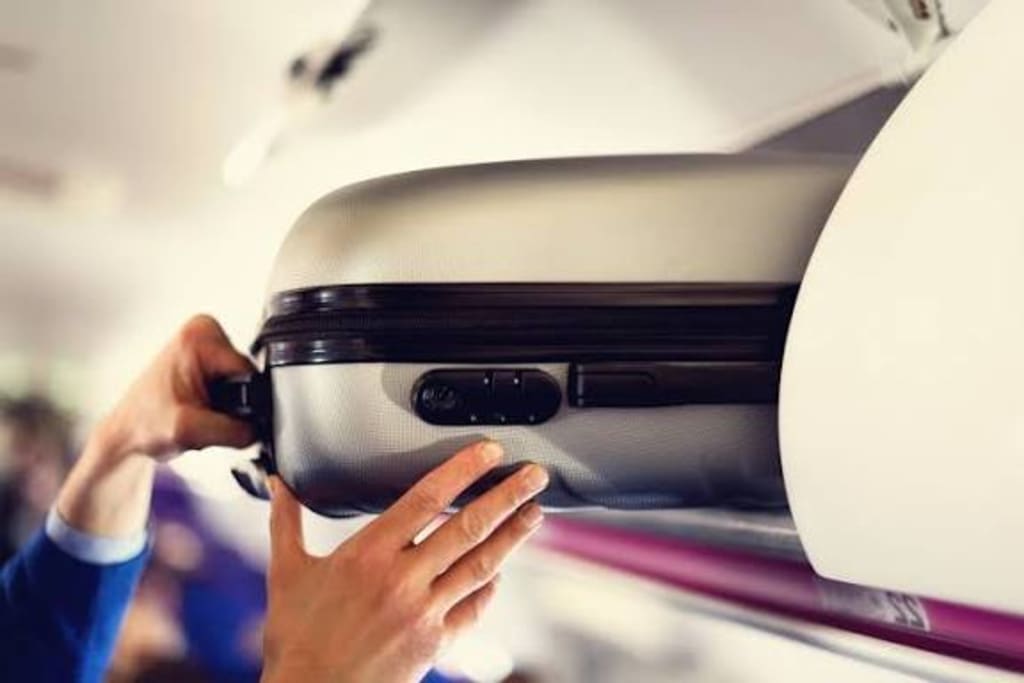
Air travel is often associated with convenience, comfort, and a sense of security—especially in premium cabins like business class. However, a recent court case has shattered the assumption that crime is less likely in elite spaces. A business class passenger has been sentenced to 20 months in jail after stealing another traveler’s bag, sending a strong message that privilege does not place anyone above the law.
The Incident That Shocked Fellow Travelers
The incident took place during an international flight, where the accused passenger was seated in the business class section. According to court findings, the individual deliberately removed another passenger’s carry-on bag from an overhead compartment while the rightful owner was distracted or asleep.
The stolen bag reportedly contained valuable personal belongings, including electronics, documents, and cash. When the victim noticed the bag was missing, cabin crew were alerted, triggering an onboard investigation.
Unlike petty thefts that go unnoticed, this case unraveled quickly due to heightened security measures and attentive airline staff.
How the Theft Was Discovered
Cabin crew began discreetly checking nearby storage areas and questioning passengers. Suspicion grew when inconsistencies appeared in the accused passenger’s account of their belongings. Upon inspection, items matching the victim’s description were found in the suspect’s possession.
Airport authorities were alerted ahead of landing, and law enforcement officers detained the suspect immediately upon arrival. Surveillance footage from the airport and witness testimony further strengthened the case against the accused.
Court Ruling and Sentence
During the trial, prosecutors emphasized that the theft was premeditated rather than accidental. The court heard arguments that the defendant targeted a fellow passenger based on opportunity and perceived anonymity during flight.
The judge rejected defense claims that the act was a misunderstanding, citing clear evidence of intent. In delivering the verdict, the court sentenced the business class passenger to 20 months in prison, underscoring the seriousness of theft in a secure travel environment.
The ruling highlighted that crimes committed in confined spaces such as aircraft pose additional risks and distress to victims, justifying harsher penalties.
A Wake-Up Call for Air Travelers
This case has sparked widespread discussion about safety aboard flights. Many travelers assume that premium cabins offer immunity from theft due to smaller passenger numbers and higher ticket prices. However, experts warn that theft can occur anywhere opportunity exists.
Airlines encourage passengers to:
Keep valuables close at all times
Avoid placing high-value items in overhead bins
Use bags with locks or tracking devices
Report suspicious behavior immediately
The incident demonstrates that vigilance remains essential, regardless of seating class.
Airline Responsibility and Passenger Trust
Airlines invest heavily in creating a safe and trustworthy environment, but responsibility is shared between staff and passengers. Cabin crews are trained to manage safety, not police criminal behavior, making prompt reporting critical.
Following this case, several airlines reiterated their commitment to improving onboard security procedures, including increased awareness training for crew members and clearer guidance for passengers on safeguarding belongings.
Trust is a cornerstone of the travel experience, and incidents like this risk eroding passenger confidence if not handled decisively.
Crime Has No Class Boundaries
One of the most striking aspects of the case is the social perception it challenges. Business class passengers are often assumed to be professionals or frequent travelers with high ethical standards. The court’s ruling makes it clear that criminal behavior is not limited by wealth, status, or seating category.
Legal analysts note that courts are increasingly unwilling to show leniency based on social standing. Instead, judges are emphasizing accountability and deterrence to prevent similar crimes.
Broader Implications for Aviation Security
The case may influence how airlines and regulators approach onboard security in the future. Some experts suggest that better surveillance, improved baggage
About the Creator
Fiaz Ahmed Brohi
I am a passionate writer with a love for exploring and creating content on trending topics. Always curious, always sharing stories that engage and inspire.
Keep reading
More stories from Fiaz Ahmed Brohi and writers in Wander and other communities.
Firework Displays Near Me: A Celebration of Light, Color, and Community
When we think of fireworks, we often think of celebrations — sparkling skies on New Year’s Eve, bursts of color on Bonfire Night, or dazzling displays marking Independence Day and summer festivals. Typing “firework displays near me” into a search bar has become a favorite tradition for families and friends eager to find the nearest spot to witness the magic.
By Fiaz Ahmed Brohi5 months ago in Wander
Worth the Wait: Puerto Viejo, Costa Rica
Beach bumming in a small Caribbean beach town sounded like a perfect way to end our 6-month trip through Mexico and Central America. Or so we thought. The foul, fishy stench of rotten seaweed hit our nostrils as we stepped from the cramped bus and looked out at a rather depressing, empty, and underwhelming black sand beach. It was pouring with rain, and we had to quickly fish out our ponchos. We thought, this couldn’t be it, could it?
By Sh*t Happens - Lost Girl Travel10 days ago in Wander
What Hidden Costs Should You Know in Armenia Tour Packages?
Booking Armenia Tour Packages is one of the easiest ways to explore this beautiful Caucasus destination. Many travel packages include hotels, transfers, and sightseeing tours, making travel convenient and organized. However, travelers should also be aware that some hidden costs may not always be included in the initial price.
By Viacation Tourism5 days ago in Wander
Hottest in the Office
Dear Rafi, You’re very distracting to work around. For the first second I saw you the other day, I thought you were some type of executive. It took a moment to realize no, you were just the new guy, dressed up for the job he wants. Be still, my heart.
By Gabriel Shames6 days ago in Pride




Comments
There are no comments for this story
Be the first to respond and start the conversation.