
Hawa Mahal: The Crown Jewel of Jaipur
Hawa Mahal, also known as the "Palace of Winds," is one of the most iconic landmarks in Jaipur, Rajasthan.

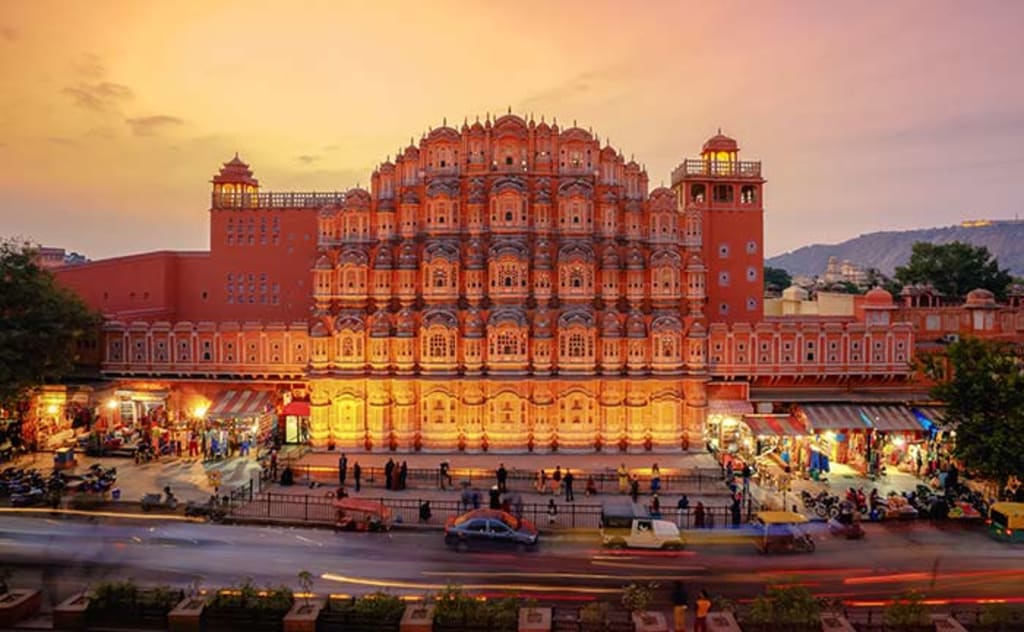
Hawa Mahal, also known as the "Palace of Winds," is one of the most iconic landmarks in Jaipur, Rajasthan. This stunning pink sandstone structure stands as a symbol of the city’s rich cultural heritage and architectural brilliance. But what makes Hawa Mahal truly fascinating is not just its beauty—it's the stories, traditions, and history that have been built into every intricately carved jharokha (window). Let's dive deep into the history and significance of this architectural wonder.
The History of Hawa Mahal
The Hawa Mahal was commissioned by Maharaja Sawai Pratap Singh in 1799. Inspired by the unique Khetri Mahal in Jhunjhunu, he envisioned a palace that would allow the royal women of the court to observe everyday life on the streets of Jaipur without being seen. It was built as an extension of the City Palace and served a specific purpose within the framework of the "purdah" system, a cultural tradition that kept royal women secluded.
Architecture of Hawa Mahal
Hawa Mahal is a five-story structure that showcases a stunning fusion of Rajput and Mughal architectural styles. Its facade, which resembles a honeycomb, is what makes it stand out. The palace has a pyramidal shape and is adorned with 953 small windows or jharokhas, which are intricately carved. These jharokhas not only enhance the beauty of the palace but also allow for a constant flow of air, keeping the interiors cool during Rajasthan’s hot summers.
The 953 Windows: Jharokhas
One of the most fascinating aspects of Hawa Mahal is its 953 jharokhas. These windows were not merely decorative but served a functional purpose. They allowed royal women to observe street festivals and daily life without being seen by the public. The windows also facilitated excellent ventilation, making the palace a cooling haven even during the scorching heat of Jaipur.
The Purpose of the Palace
Hawa Mahal was primarily built to enable the women of the royal family to engage with the outside world without compromising their privacy. This aligns with the "purdah" system, which restricted women from appearing in public without a veil. The palace acted as a vantage point, offering royal women a glimpse of the bustling city life below.
Materials Used in Construction
Constructed from pink sandstone, Hawa Mahal is a perfect example of Jaipur's unique architectural identity. The city is often referred to as the "Pink City," and Hawa Mahal contributes to that moniker with its stunning color. The use of pink sandstone reflects the cultural and aesthetic sensibilities of the time, while its intricate carvings are a testament to the craftsmanship of the artisans who built it.
The Five Floors of Hawa Mahal
Each of the five floors of Hawa Mahal has its own distinct feature. The top floors are particularly narrow and less spacious compared to the lower ones. The first floor, called the "Sharad Mandir," was used for celebrations and festivals. The second floor, known as the "Ratan Mandir," is adorned with beautiful glasswork, while the third and fourth floors, Vichitra Mandir and Prakash Mandir, are notable for their open terraces. The fifth and final floor, Hawa Mandir, offers stunning panoramic views of Jaipur.
The Ventilation System
Hawa Mahal’s natural cooling system is a masterpiece of ancient engineering. The 953 windows are strategically placed to allow the free flow of air, making the interiors cool even during the hottest days of summer. This is why it’s called the "Palace of Winds." The airflow through the jharokhas creates a cooling effect, providing a comfortable environment for the residents of the palace.
Cultural and Historical Importance
Beyond its architectural splendor, Hawa Mahal holds immense cultural and historical value. It’s a reflection of the royal traditions and the societal norms of its time. Throughout history, the palace has hosted various royal events and ceremonies, making it an integral part of Rajasthan’s rich heritage.
Hawa Mahal as a Symbol of Jaipur
Hawa Mahal is not just a historical monument; it’s a symbol of Jaipur's identity. Its unique design, rich history, and cultural significance make it a must-visit for anyone traveling to Rajasthan. The palace embodies the spirit of Jaipur with its fusion of art, history, and architecture.
Hawa Mahal and Tourism
Today, Hawa Mahal is one of the most popular tourist attractions in Jaipur. Visitors from all over the world come to marvel at its architectural beauty and learn about its historical significance. The best time to visit Hawa Mahal is in the early morning when the sun casts a golden glow on its pink facade, making it a photographer’s paradise.
Hawa Mahal's Views and Photography Spots
Hawa Mahal offers some of the most spectacular views of the city of Jaipur. From its top floors, visitors can get a bird’s-eye view of the bustling streets, as well as iconic landmarks like Jantar Mantar and City Palace. The palace itself is a favorite spot for photographers, thanks to its intricate details and picturesque backdrop.
Nearby Attractions
Located in the heart of Jaipur, Hawa Mahal is surrounded by other significant landmarks. Just a short walk away, you’ll find the City Palace, a sprawling complex that gives visitors a deeper insight into Rajasthan’s royal history. Another nearby attraction is Jantar Mantar, a UNESCO World Heritage site known for its astronomical instruments.
Hawa Mahal in Modern Media
Hawa Mahal has been featured in numerous films, television shows, and documentaries, further cementing its place in Indian culture. The palace’s unique design and historical significance make it a favorite location for filmmakers and photographers alike. Efforts are also being made to preserve the monument, ensuring that it remains a symbol of Jaipur for future generations.
Conclusion
Hawa Mahal stands as a timeless symbol of Jaipur’s royal heritage and architectural ingenuity. Its intricate design, historical significance, and cultural importance make it a must-visit destination for travelers from around the world. Whether you're fascinated by its history or simply mesmerized by its beauty, Hawa Mahal is a place where the past comes alive.
FAQs
What is the best time to visit Hawa Mahal?
The best time to visit is early morning when the sunlight enhances the pink sandstone's glow.
Can you enter the palace?
Yes, visitors can enter and explore the various floors of Hawa Mahal.
How much does it cost to visit?
The entry fee for Indian tourists is ₹50, while international tourists are charged ₹200.
Is Hawa Mahal part of the City Palace?
While Hawa Mahal was built as an extension of the City Palace, it stands as a separate structure.
About the Creator
Kiomoi
Kiomoi is a travel start-up founded by veterans of the online travel industry. We are passionate travellers, entrepreneurial team geographically distributed in different parts of India. www.kiomoi.com
Take a Hike in Mexico
The Ajusco Summit Trail, located in the Cumbres Del Ajusco National Park, is one of the most popular hikes in Mexico. Hikers hike to the peaks of Ajusco or Malacatepeti for awesome views. Trails take hikers through forests and rough terrain. The trail is a 10 km long loop and is a high-altitude trek. The trail passes through high mountain pine forests and alpine meadows, providing a diverse hiking experience.
By Rasma Raisters5 days ago in Wander
Coastal Series: Part I (Washington State)
Washington does not introduce its coastline. It lets you find it... There’s no sudden reveal, no postcard moment engineered for the windshield. The coast arrives gradually, in pieces... Through rain-darkened trees, through logging towns that never rebranded themselves, through long stretches of road where the radio fades, and the sky lowers itself closer to the ground.
By The Iron Lighthouse6 days ago in Wander



Comments
There are no comments for this story
Be the first to respond and start the conversation.