
Hampta Pass Trek from Manali – A Journey Through Contrasting Worlds
Some treks test your endurance, others reward your senses. But few take you through two completely different worlds in a matter of days like the Hampta Pass Trek.
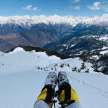
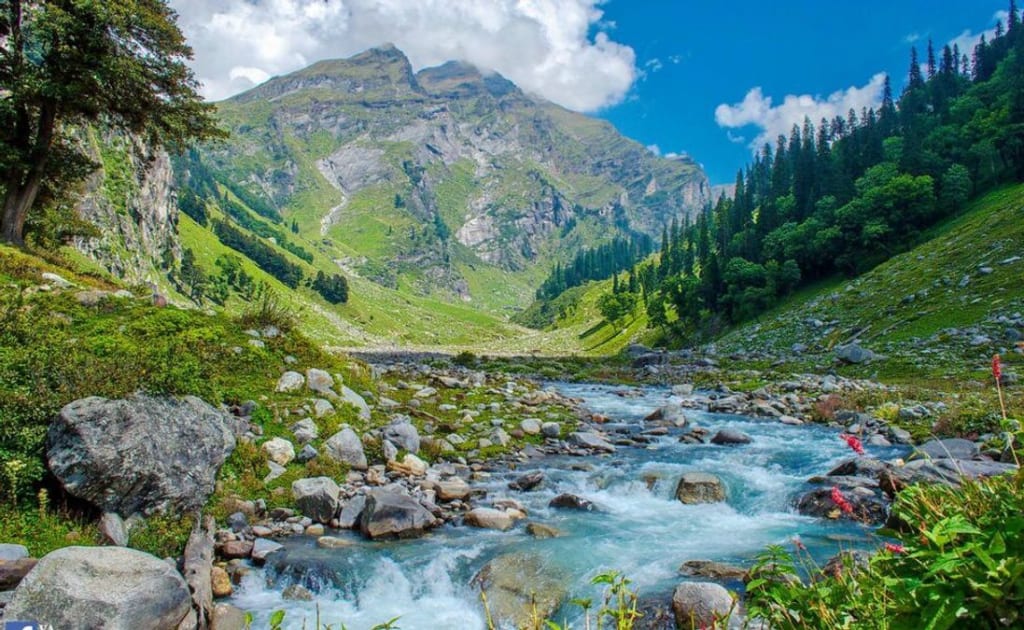
Some treks test your endurance, others reward your senses. But few take you through two completely different worlds in a matter of days like the Hampta Pass Trek. Starting in the lush green valleys of Kullu and crossing over to the cold desert of Spiti, this trek offers a visual transformation that feels almost surreal. I recently completed the Hampta Pass Trek, and here's my story — one filled with adventure, snow, valleys, and stargazing nights I’ll never forget.
Day 1: Manali to Jobra – Easing Into the Trail
The trek began in Manali, where I met my group and trek leaders. After a short briefing, we drove to Jobra, the starting point of the trek at around 9,800 feet. The ride took about two hours, passing through thick pine forests and apple orchards, setting the tone for what lay ahead.
From Jobra, we started a short 2–3 hour trek to our first campsite at Chika. The trail was easy, perfect for breaking in our legs. We crossed wooden bridges, trekked alongside the Rani Nallah (a glacier-fed stream), and were surrounded by tall deodar trees and wildflowers. We pitched our tents on a green patch by the stream. The sound of water and the cool breeze made it hard to believe this was just the beginning.
Day 2: Chika to Balu Ka Ghera – Into the High Meadows
After an early breakfast, we continued our ascent toward Balu Ka Ghera (meaning "bed of sand"). The trail took us deeper into the valley, crossing multiple streams. The landscape changed rapidly — from grasslands to boulder fields, with glimpses of snow-covered peaks ahead.
We crossed the river barefoot at one point (freezing but fun!) and walked along the base of towering cliffs. The air got thinner, and the temperature dropped, especially as the sun started hiding behind the clouds.
By the time we reached Balu Ka Ghera (12,000 ft), the view had completely changed. We were now in a cold, windswept zone, with a wall of snow-covered mountains in front of us. The campsite was raw and dramatic, surrounded by rocks and glacier paths. We had an early dinner and tucked into our sleeping bags, ready for the big day ahead.
Day 3: Balu Ka Ghera to Hampta Pass to Siagoru – The Big Push
This was the most exciting and challenging part of the trek — the climb to Hampta Pass, which sits at an altitude of 14,100 feet. We woke up before sunrise and started trekking in the cold morning air. The trail was steep and rocky, with sections still covered in snow depending on the month.
After hours of uphill climbing, we finally reached the Hampta Pass top. Standing at the pass, I was stunned by what lay ahead — a complete shift in landscape. On one side, the lush green valleys of Kullu; on the other, the barren, rugged terrain of Spiti Valley. It felt like stepping from one country into another.
After celebrating the moment and capturing it in photos, we began the descent toward Siagoru, a windswept, cold desert-like campsite. The descent was steep and required careful footing. Siagoru felt completely different — no greenery, just silence, wind, and a rocky world that seemed untouched.
Day 4: Siagoru to Chatru – Meeting the Spiti Roads
The next morning, we began our final leg — a descent from Siagoru to Chatru, which took around 4–5 hours. The trail involved crossing glacial streams and walking on loose scree. The views opened up into vast, dry mountain landscapes typical of Spiti Valley.
Once we reached Chatru, we had officially exited the trekking trail. This was where the roads from Manali, Spiti, and Ladakh intersect. From here, trekkers usually take a detour to visit the stunning Chandratal Lake, if road and weather conditions allow.
After days of trekking through snow and forests, seeing a road and a vehicle again felt strange — but comforting. We camped one last night under the open sky, surrounded by silence and stars, with nothing but the sound of the wind and our tired breaths.
Trek Details – Everything You Need to Know
Here’s a quick breakdown if you’re planning your Hampta Pass Trek:
Region: Himachal Pradesh
Duration: 4 to 5 days
Altitude: Max at Hampta Pass – 14,100 feet
Difficulty: Moderate
Trek Distance: Approx. 26–28 km
Best Time: Mid-June to October
Start/End Point: Manali – Jobra to Chatru
Highlight: Contrasting terrains of Kullu and Spiti, Chandratal Lake (optional)
What to Pack – Essentials for Hampta Pass
Sturdy, waterproof trekking shoes
Layered clothing (thermal, fleece, waterproof jacket)
Gloves, woolen cap, sunglasses
Sunscreen & lip balm
Trekking poles (optional but helpful)
Headlamp, power bank
Water bottles, energy bars/snacks
Basic first aid and personal meds
ID proof for permits
Why Hampta Pass Trek Should Be on Your Bucket List
The Hampta Pass Trek is not just about the thrill of climbing or camping at high altitudes — it's about the contrast, the transformation, and the sense of achievement. It’s a journey where every day offers a different landscape, every step tells a new story, and every campsite brings you closer to the sky.
If you’re looking for a Himalayan trek that combines moderate difficulty, breathtaking views, and an unforgettable transition between two completely different worlds — Hampta Pass is the one.
About the Creator
Rohit SEN
Hey! Come along with me to explore beautiful places, learn about different cultures, and share my adventures. Let's Explore together! From a travel lover!
Miss Persephone's Manual to a Seemingly Ordinary Life
Miss Persephone was found at the dining table, her blue eyes swollen, her tears arriving and retreating like the tides of the ocean. Earlier that day, her family had visited her in the retirement home where she had lived for eight years. It was her eightieth birthday.
By Imola Tóth2 days ago in Fiction



Comments
There are no comments for this story
Be the first to respond and start the conversation.