
Green Airports
How Airports are Embracing Green and Low-Carbon Transformation in 2024


In an era where environmental concerns are at the forefront, airports are taking significant strides toward sustainability. As of 2024, the aviation industry is responsible for about 2% of global greenhouse gas emissions, and this figure is expected to rise as air travel continues to grow. However, airports are not merely passive players in this scenario; they are actively embracing green and low-carbon transformations to mitigate their environmental impact. Let’s explore some of the innovative practices being adopted by airports around the world, with a particular focus on Heathrow Airport’s initiatives.
Electric Vehicle Charging Points

One of the most impactful ways airports are addressing their carbon footprint is through the promotion and integration of electric vehicles (EVs). As global awareness of environmental issues grows, airports are stepping up to become leaders in green transportation. This shift is evident in major airports like Heathrow, which have invested heavily in installing EV charging infrastructure across their facilities.
Heathrow Airport, along with other forward-thinking airports, has strategically placed EV charging stations in various locations, including parking lots, drop-off zones, and employee areas. This thoughtful placement ensures that EV owners have easy access to charging points, regardless of whether they are arriving, departing, or working at the airport. The installation of these charging stations is part of a broader strategy to reduce the carbon emissions associated with ground transportation. The charging infrastructure at airports typically includes a mix of standard and fast-charging points to accommodate different types of electric vehicles and varying levels of battery charge. By offering multiple charging options, airports are not only catering to a wider range of EV users but also minimizing the time needed for vehicles to recharge. This convenience encourages more travelers to choose electric vehicles for their airport journeys, further supporting the airport’s sustainability goals.

Electric vehicle charging stations at airports play a crucial role in reducing the emissions from ground transportation. Traditional fossil fuel-powered vehicles contribute significantly to an airport’s overall carbon footprint, especially given the high volume of traffic. By providing infrastructure for electric vehicles, airports are addressing one of the major sources of local air pollution and greenhouse gas emissions. Moreover, the transition to electric vehicles is not limited to passengers. Airports are increasingly incorporating EVs into their own fleets. For example, many airports are replacing their diesel-powered shuttle buses and service vehicles with electric alternatives. This shift reduces direct emissions from airport operations and demonstrates a commitment to sustainability that extends beyond just passenger vehicles.
The presence of EV charging stations at airports also serves a symbolic and practical purpose in promoting sustainable travel choices. By highlighting the availability of charging facilities, airports signal to travelers that they support and encourage the use of green transportation options. This can influence travelers’ decisions, making them more likely to opt for electric vehicles for their airport commutes. Additionally, airports are often in a position to partner with electric vehicle manufacturers and charging network providers to enhance the overall experience for EV users. Such partnerships can lead to innovations in charging technology, improved accessibility, and even incentives for travelers who choose electric vehicles, such as discounted parking rates or priority access to charging points.
As the adoption of electric vehicles continues to rise, the role of airports in supporting this transition will become even more critical. Future developments may include expanding the number of charging stations, integrating advanced charging technologies such as ultra-fast chargers, and exploring innovative solutions like wireless or inductive charging. Airports are also likely to collaborate with urban planners and local governments to ensure that the infrastructure for electric vehicles is seamlessly integrated into broader transportation networks. This holistic approach can help create a more sustainable and interconnected transportation system that benefits both the environment and travelers. Ultimately, electric vehicle charging points are a key element of airports’ sustainability strategies. By providing the necessary infrastructure, promoting the use of EVs, and incorporating green transportation options into their operations, airports are making significant strides toward reducing their carbon footprint and leading the way in environmental responsibility.
Autonomous Transport Solutions

The rapid advancement in technology is transforming the way airports operate, with autonomous transport solutions playing a pivotal role in this evolution. Airports are embracing these innovations not only to streamline operations but also to advance their sustainability goals. A prominent example of this is Heathrow Airport, which has introduced cutting-edge driverless pods to enhance passenger mobility within the airport.
Autonomous transport solutions like the driverless pods at Heathrow are revolutionizing the airport experience. These futuristic vehicles are designed to provide a seamless and efficient travel experience for passengers. Unlike traditional modes of airport transport, such as shuttle buses, which may be subject to delays and variable schedules, autonomous pods offer a consistent and predictable service. Passengers benefit from a smoother, more reliable journey between terminals, parking areas, and other key airport locations. The design of these pods prioritizes user comfort and convenience. They are typically equipped with modern amenities, such as spacious interiors and user-friendly interfaces, making the travel experience more pleasant and stress-free. Additionally, the ability to operate continuously without the need for human drivers allows for a higher frequency of service, reducing wait times and enhancing overall passenger satisfaction.
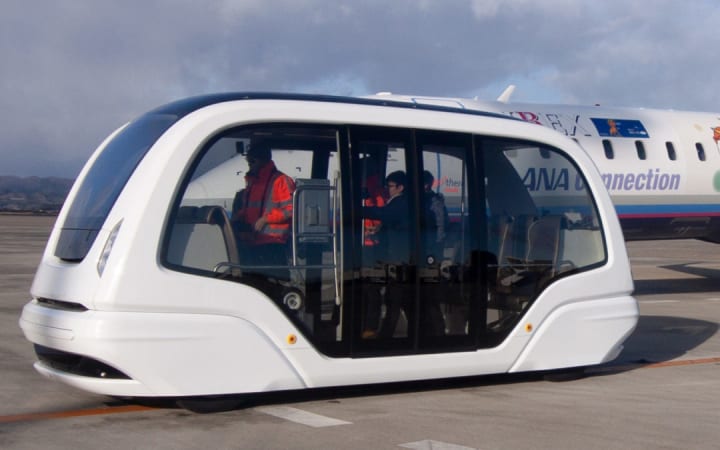
One of the most significant advantages of autonomous transport solutions is their contribution to environmental sustainability. The driverless pods at Heathrow are powered by electricity, which contrasts sharply with the diesel-powered shuttle buses traditionally used at airports. By using electric power, these pods eliminate the direct emissions associated with fossil fuel combustion, which significantly reduces the airport’s carbon footprint. The energy efficiency of autonomous pods extends beyond their electric power source. These vehicles are designed with advanced technologies that optimize their energy use. For instance, they employ regenerative braking systems that recover and reuse energy, further enhancing their efficiency. Additionally, the routes and schedules of these pods are meticulously planned to minimize energy consumption, ensuring that they operate using the least amount of power necessary.
The implementation of autonomous transport solutions is not just about replacing older systems with newer ones; it also involves integrating sophisticated technologies to maximize operational efficiency. Autonomous pods utilize a range of technologies, including GPS, LIDAR (Light Detection and Ranging), and advanced sensors, to navigate the airport environment safely and efficiently. These technologies enable the pods to operate autonomously without human intervention, while also ensuring that they adhere to safety protocols and avoid obstacles. The precise control and monitoring capabilities of these systems contribute to smoother and more reliable operation. Furthermore, the ability to gather and analyze data from the pods’ operations allows for continuous improvements in route planning and energy management.
In addition to environmental benefits, autonomous transport solutions offer substantial operational efficiencies. The integration of electric, driverless pods can lead to cost savings in several areas. For instance, the reduced need for maintenance and operation of traditional diesel vehicles translates to lower operational costs. Moreover, the increased efficiency and reliability of autonomous pods can lead to better management of passenger flow and reduced congestion within the airport. The deployment of these pods can also reduce the overall footprint of airport transport infrastructure. Since autonomous pods require less space and infrastructure compared to traditional vehicles, airports can optimize their layout and reduce the need for extensive parking and servicing areas. This space-saving aspect contributes to more efficient use of airport real estate and can enhance the overall functionality of the airport.
The adoption of autonomous transport solutions is still evolving, and future developments promise even greater advancements. Upcoming innovations may include the integration of autonomous vehicles with other forms of sustainable transport, such as electric buses and bicycles, to create a comprehensive green transport network within the airport. Furthermore, advancements in autonomous vehicle technology may lead to improvements in safety, efficiency, and passenger experience. As the technology matures, we can expect to see more airports adopting similar solutions and setting new standards for sustainability and operational excellence. Autonomous transport solutions represent a significant leap forward in the quest for greener and more efficient airport operations. By embracing these innovative technologies, airports like Heathrow are not only enhancing the passenger experience but also making substantial contributions to their sustainability goals. As technology continues to advance, the potential for further improvements in autonomous transport will only enhance the positive impact on both the environment and airport operations.
Sustainable Aviation Practices
Airports are increasingly taking proactive steps to enhance sustainability not only in their own operations but also across the broader aviation industry. Heathrow Airport, a leading example in this arena, has made significant strides in integrating sustainable practices into its operations and has committed substantial resources to achieve its sustainability goals. These efforts are reflected in various innovative approaches to managing aircraft fuel and emissions, which aim to minimize the environmental impact of aviation operations.

Heathrow Airport’s commitment to sustainability is underscored by its substantial investment in transformation projects. With over £100 million allocated to various sustainability initiatives, Heathrow is at the forefront of efforts to reduce its carbon footprint and promote environmental stewardship. This investment encompasses a range of projects designed to enhance the airport’s operational efficiency and minimize its environmental impact. The focus of these projects includes the development and implementation of cutting-edge technologies and practices aimed at reducing greenhouse gas emissions. By prioritizing sustainability, Heathrow not only addresses its own carbon footprint but also sets a benchmark for other airports and the aviation industry as a whole.
One of the key areas where Heathrow is making a significant impact is in the management of aircraft fuel. Traditionally, fuel is delivered to aircraft via fuel trucks, which can result in emissions and logistical challenges. To address this issue, Heathrow has implemented an underground piping system that connects fuel tanks directly to the aircraft. This approach eliminates the need for fuel trucks, thereby reducing associated emissions and improving the efficiency of fuel delivery. The underground piping system represents a major advancement in fuel handling, offering numerous benefits. It streamlines the fuel delivery process, reduces the risk of spills and accidents, and minimizes the environmental impact of ground operations. Additionally, this system helps to optimize the overall management of fuel resources, contributing to a more sustainable and efficient airport operation.
Sustainability efforts at Heathrow also extend to the management of aircraft landing and takeoff procedures. These phases of flight are particularly critical in terms of fuel consumption and emissions, as aircraft operate at full power during takeoff and descend with increased fuel consumption during landing. To address this, airports are investing in improved procedures and technologies designed to optimize these critical phases. For example, Heathrow is implementing advanced flight management systems and optimizing air traffic control procedures to enhance the efficiency of landing and takeoff operations. These improvements help to reduce fuel consumption and lower emissions during these phases, contributing to overall environmental sustainability.
Another important aspect of sustainable aviation practices is the integration of sustainable aviation fuels (SAFs). SAFs are derived from renewable sources and have the potential to significantly reduce the carbon footprint of aviation. Heathrow is actively involved in the development and use of SAFs, working with airlines and fuel suppliers to facilitate the transition to these greener alternatives. The use of SAFs aligns with Heathrow’s broader sustainability goals and supports the aviation industry’s efforts to reduce greenhouse gas emissions. By investing in SAFs and encouraging their adoption, airports can play a crucial role in advancing the development and widespread use of these innovative fuels.

Heathrow’s sustainability efforts extend beyond its own operations, involving collaboration with airlines, regulatory bodies, and industry stakeholders. By leading initiatives that promote environmental responsibility, Heathrow sets an example for other airports and contributes to the development of industry-wide standards and practices. This collaborative approach includes engaging with industry groups and participating in research and development projects focused on sustainability. Through these efforts, Heathrow helps to drive innovation and support the broader aviation industry in achieving its environmental goals.
As the aviation industry continues to evolve, airports like Heathrow are likely to pursue even more ambitious sustainability initiatives. Future developments may include advancements in aircraft technology, further integration of renewable energy sources, and continued improvements in operational efficiency. The ongoing commitment to sustainability will be crucial in addressing the environmental challenges associated with aviation. By embracing innovative practices and investing in new technologies, airports can play a pivotal role in shaping the future of sustainable aviation. Ultimately, sustainable aviation practices at airports like Heathrow encompass a wide range of initiatives aimed at reducing environmental impact. From innovative fuel management systems to enhanced landing and takeoff procedures and the integration of sustainable aviation fuels, these efforts contribute to a greener and more efficient aviation industry. By leading the way in sustainability, Heathrow sets a high standard for other airports and plays a crucial role in advancing the environmental goals of the aviation sector.
Renewable Energy and Efficiency
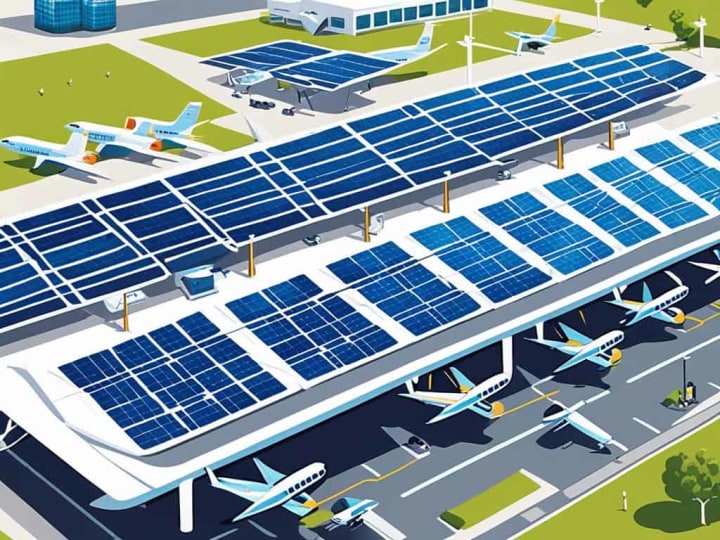
The integration of renewable energy sources is a fundamental aspect of modern airport sustainability initiatives. Airports worldwide are increasingly adopting green technologies to minimize their environmental impact, with Terminal 2 at Heathrow serving as a leading example of this trend. By incorporating renewable energy solutions and enhancing resource efficiency, airports are making significant strides toward reducing their carbon footprint and promoting environmental stewardship.
One of the most notable aspects of Terminal 2’s sustainability efforts is its reliance on renewable electricity. The terminal is powered entirely by solar energy, thanks to an impressive array of 124 solar panels installed on its roof. This investment in solar power not only provides a substantial portion of the terminal’s energy needs but also significantly reduces its dependence on fossil fuels. The solar panels generate electricity that is used to power various operations within Terminal 2, from lighting and climate control to electronic systems and passenger amenities. By harnessing the power of the sun, Terminal 2 can effectively offset its energy consumption, lowering its carbon emissions and contributing to the overall goal of achieving carbon neutrality.
In addition to solar power, Terminal 2 incorporates biomass boilers and renewable gas as part of its energy mix. Biomass boilers utilize organic materials, such as wood pellets or agricultural residues, to generate heat. This process is considered more sustainable than traditional fossil fuel-based heating methods, as biomass is a renewable resource that can be replenished over time. Renewable gas, produced from sources such as biogas or synthetic natural gas, is another component of Terminal 2’s energy strategy. This type of gas is derived from renewable feedstocks and can be used to generate electricity and heat with a lower environmental impact compared to conventional natural gas. The combination of biomass boilers and renewable gas complements the terminal’s solar power usage, providing a diverse and sustainable energy portfolio. This multi-faceted approach ensures a steady and reliable energy supply while minimizing the overall carbon footprint of the terminal’s operations.
Energy efficiency is a critical component of any sustainability strategy, and Terminal 2 is committed to implementing measures that enhance resource efficiency and reduce waste. One of the key upgrades in this regard is the installation of LED lighting throughout the terminal. LED lights are known for their energy efficiency, longevity, and reduced environmental impact compared to traditional incandescent or fluorescent lighting. The shift to LED lighting not only lowers energy consumption but also reduces maintenance costs and enhances the overall lighting quality within the terminal. By adopting this technology, Terminal 2 contributes to a more sustainable and cost-effective operation.
Resource efficiency at Terminal 2 extends beyond energy to include water management and waste reduction. The terminal features strategically placed water refill stations, which encourage passengers to use reusable water bottles instead of single-use plastic containers. This initiative helps to reduce plastic waste and supports the broader goal of minimizing environmental impact. Recycling facilities are also integrated into Terminal 2’s design, making it easier for passengers and staff to segregate and dispose of recyclable materials. By promoting recycling and waste reduction, the terminal plays a role in minimizing landfill contributions and supporting a circular economy. The focus on renewable energy and resource efficiency at Terminal 2 exemplifies how airports can lead by example in their sustainability efforts. By integrating solar power, biomass boilers, renewable gas, and energy-efficient technologies, Terminal 2 is able to reduce its environmental impact and set a high standard for other airports to follow. These initiatives not only contribute to the terminal’s goal of carbon neutrality but also serve as a model for sustainable airport operations. The commitment to renewable energy and efficiency reflects a broader trend within the aviation industry to prioritize environmental responsibility and innovation.
Looking ahead, airports are likely to continue advancing their sustainability practices, incorporating new technologies and strategies to further reduce their carbon footprint. Innovations in renewable energy, energy storage, and resource management will play a key role in shaping the future of sustainable airport operations. As the industry progresses, the lessons learned from projects like Terminal 2’s renewable energy integration will be invaluable in guiding future developments and encouraging more airports to adopt similar practices. The ongoing commitment to sustainability will be crucial in addressing the environmental challenges facing the aviation sector and supporting the transition to a greener future. Renewable energy and efficiency are central to the sustainability efforts at modern airports. By leveraging solar power, biomass boilers, renewable gas, and energy-efficient technologies, Terminal 2 at Heathrow demonstrates a commitment to reducing its carbon footprint and promoting environmental stewardship. These initiatives not only enhance the terminal’s sustainability but also set a precedent for the aviation industry’s future.
Sustainable Dining Options

Sustainability in airports is not limited to energy use and transportation but extends to dining options as well. Airports are increasingly recognizing the importance of reducing the environmental impact of their food services and are taking steps to incorporate sustainability into their dining offerings. Heathrow Airport, for instance, has introduced a pioneering restaurant focused on sustainable fish, highlighting a commitment to responsible sourcing and eco-friendly practices in food production. Heathrow’s initiative to feature a restaurant specializing in sustainable fish is a significant move towards promoting environmentally responsible dining options. This restaurant aligns with broader sustainability goals by sourcing seafood that meets rigorous environmental and ethical standards. Sustainable fish are typically those that are caught or farmed in ways that ensure their populations remain healthy and ecosystems are preserved.
The restaurant’s commitment to sustainable seafood involves several key practices:
Responsible Sourcing. The fish served is sourced from fisheries or aquaculture operations that adhere to sustainable practices. This includes avoiding overfished species, using methods that minimize bycatch (the capture of non-target species), and ensuring that fishing or farming practices do not harm the marine environment.
Certifications and Labels. Many sustainable seafood options are certified by organizations such as the Marine Stewardship Council (MSC) or the Aquaculture Stewardship Council (ASC). These certifications provide assurance that the seafood meets high standards for sustainability and traceability.
Seasonal and Local Choices. The restaurant may also focus on seasonal and local seafood options, which can reduce the carbon footprint associated with transporting food over long distances. By prioritizing local and seasonal products, the restaurant supports regional fisheries and reduces its environmental impact.
By offering sustainable dining options, airports play a crucial role in influencing passenger behavior and promoting eco-friendly choices. The availability of such options provides travelers with the opportunity to make more environmentally conscious decisions about their food consumption. This initiative reflects a broader commitment to addressing environmental concerns across all aspects of airport operations.
Educational Initiatives. Many airports and restaurants use their platforms to educate passengers about the importance of sustainability in food choices. Informational materials or signage may highlight the environmental benefits of choosing sustainable seafood and encourage travelers to consider the impact of their dining decisions.
Reducing Waste. Sustainable dining options often include measures to minimize food waste. This can involve practices such as portion control, composting food scraps, and offering takeaway options for leftover food. Reducing waste not only conserves resources but also decreases the overall environmental footprint of food services.
Heathrow’s focus on sustainable dining is part of a growing trend within the aviation industry to integrate sustainability into every aspect of airport operations. As travelers increasingly prioritize environmental responsibility, airports are responding by adopting practices that align with these values.
Expanding Sustainability Efforts. Beyond sustainable seafood, airports are exploring various ways to enhance the sustainability of their food services. This includes offering plant-based and organic menu options, reducing the use of single-use plastics, and sourcing ingredients from sustainable and ethical suppliers.
Influencing the Food Industry. The adoption of sustainable dining practices at airports can also influence broader food industry trends. By setting an example, airports encourage restaurants and food providers to consider their environmental impact and adopt similar sustainability measures.
Incorporating sustainability into dining options helps to foster a culture of environmental responsibility among travelers and airport staff. It sends a clear message that sustainability is a core value of the airport and extends beyond operational practices to include the entire passenger experience.
Passenger Engagement. Offering sustainable dining options enhances the overall passenger experience by aligning with growing consumer preferences for eco-friendly practices. Travelers are more likely to appreciate and support airports that demonstrate a commitment to sustainability.
Corporate Responsibility. For airports, adopting sustainable dining practices reflects a broader commitment to corporate social responsibility. It aligns with efforts to reduce environmental impact, contribute to community well-being, and support global sustainability goals.
The introduction of sustainable dining options, such as Heathrow’s focus on sustainable fish, represents an important aspect of airport sustainability efforts. By prioritizing responsible sourcing, reducing waste, and encouraging eco-friendly choices, airports are making meaningful contributions to environmental conservation. These initiatives not only enhance the passenger experience but also set a standard for sustainability in the food industry. As airports continue to embrace sustainability, the integration of eco-friendly dining options will play a crucial role in achieving broader environmental goals and fostering a culture of responsibility and stewardship.
Encouraging Sustainable Travel Choices
Airports are increasingly recognizing the importance of not only improving their own sustainability practices but also influencing passenger behavior to support broader environmental goals. By encouraging travelers to make more conscious decisions, airports aim to amplify the impact of their sustainability initiatives and contribute to a more eco-friendly travel ecosystem. Here’s how airports are working to promote sustainable travel choices:
1. Reducing Unnecessary Flights
One of the primary ways airports and airlines are encouraging sustainable travel is by urging passengers to consider the necessity of their flights.
Travel Planning and Alternatives. Airports provide information and resources to help travelers plan their trips more effectively, considering whether their journey could be replaced by alternative means of transportation, such as trains or buses. In some cases, airports offer partnerships with local and regional transport services to facilitate seamless overland travel options.
Carbon Footprint Awareness. By raising awareness about the carbon footprint of air travel, airports aim to encourage passengers to evaluate whether their flights are essential. This might include educational campaigns about the environmental impact of aviation and promoting the benefits of reducing flight frequency.
2. Opting for Overland Travel
Encouraging passengers to choose overland travel when feasible is another strategy airports use to support sustainability.
Integration with Public Transport. Airports often work on improving connectivity with public transportation options. By making it easier for travelers to access trains, buses, and other forms of public transport, airports facilitate a shift from air to overland travel for shorter journeys.
Collaborations and Incentives. Some airports collaborate with transportation providers to offer incentives for travelers who use overland options. This might include discounts on train tickets or partnerships with bus services to provide convenient and eco-friendly travel alternatives.
3. Choosing Non-Stop Flights
When air travel is necessary, airports encourage travelers to choose non-stop flights whenever possible.
Environmental Benefits. Non-stop flights generally have a lower environmental impact compared to flights with multiple stops. This is because take-offs and landings are the most fuel-intensive phases of a flight. By minimizing the number of take-offs and landings, non-stop flights help reduce overall fuel consumption and emissions.
Educational Campaigns. Airports may run campaigns to inform passengers about the benefits of non-stop flights. This can include providing information on the reduced environmental impact of non-stop flights and highlighting airlines that prioritize this option.
4. Supporting Sustainable Airlines
Airports promote the importance of supporting airlines that are committed to sustainable practices.
Sustainability Certifications. Passengers are encouraged to choose airlines that have sustainability certifications or are recognized for their commitment to reducing their environmental footprint. This might include airlines that invest in fuel-efficient aircraft, use sustainable aviation fuels, or have strong environmental policies.
Transparency and Information. Airports may provide information on which airlines are leading in sustainability efforts. This can be in the form of guides, website resources, or in-terminal displays that highlight the environmental initiatives of various airlines.
5. Offsetting Carbon Emissions
Offsetting carbon emissions is another way airports are encouraging sustainable travel choices.
Carbon Offset Programs. Many airports and airlines offer carbon offset programs that allow passengers to contribute to projects aimed at reducing greenhouse gas emissions, such as reforestation initiatives or renewable energy projects.
Ease of Participation. Airports may make it easy for travelers to participate in these programs by offering options to purchase carbon offsets during the booking process or at airport kiosks.
6. Promoting Eco-Friendly Practices
Airports also work to promote eco-friendly practices among travelers, beyond just the choices they make about flights.
Waste Reduction. Encouraging passengers to reduce waste during their travels is part of creating a more sustainable travel experience. This can include providing information on recycling and waste management practices within the airport and promoting the use of reusable items such as water bottles and bags.
Energy-Efficient Behaviors. Airports might offer tips and information on how travelers can be more energy-efficient during their journey. This can include advice on minimizing the use of electronic devices and turning off lights in hotel rooms or other accommodations.
7. Creating a Culture of Sustainability
Ultimately, airports aim to foster a culture of sustainability among travelers.
Educational Initiatives. Educational programs and informational campaigns help to build awareness about the impact of travel choices and the importance of sustainability. By engaging passengers in sustainability efforts, airports can help create a more environmentally conscious traveler base.
Community Engagement. Airports often engage with local communities and stakeholders to support broader sustainability goals. This can include hosting events, supporting local environmental initiatives, and collaborating with community organizations to promote sustainable practices.
Encouraging sustainable travel choices is a critical aspect of airports’ efforts to support broader environmental goals. By promoting practices such as reducing unnecessary flights, opting for overland travel, choosing non-stop flights, supporting sustainable airlines, offsetting carbon emissions, and adopting eco-friendly behaviors, airports are helping to create a more sustainable travel ecosystem. These initiatives not only complement the sustainability efforts implemented at airports themselves but also empower travelers to make choices that contribute to reducing the overall environmental impact of air travel.
Looking Ahead
While fully emission-free planes powered entirely by renewable energy may still be on the horizon, the progress being made in airport sustainability is a promising step toward a greener future. Airports worldwide are adopting green technologies, such as electric vehicle charging stations, autonomous transport solutions, and renewable energy systems, to reduce their environmental impact. These efforts are complemented by initiatives to improve operational efficiency and promote sustainable practices among travelers, such as encouraging eco-friendly travel choices and supporting sustainable airlines. The growing focus on fostering a culture of environmental responsibility within airports is also significant. By integrating sustainability into all aspects of their operations, airports are setting an example for the aviation industry and travelers alike. As these initiatives continue to evolve, it’s crucial for both airports and passengers to support and embrace these changes, ensuring that the aviation industry contributes positively to global environmental goals. Together, these efforts represent a significant stride toward a more sustainable and responsible future for air travel.
About the Creator
Horace Was
Essay Writer, Aviation and Technology Expert
Keep reading
More stories from Horace Was and writers in Wander and other communities.
Pacific enigma
Have you ever wondered why your flight from the U.S. to Asia seems to take a detour over Alaska rather than heading straight across the Pacific Ocean? It’s a question that might seem puzzling at first, especially when it looks like a direct route would be much quicker. But as it turns out, the reasons behind these flight paths are a fascinating mix of safety, efficiency, and geography.
By Horace Was2 years ago in Wander
Worth the Wait: Puerto Viejo, Costa Rica
Beach bumming in a small Caribbean beach town sounded like a perfect way to end our 6-month trip through Mexico and Central America. Or so we thought. The foul, fishy stench of rotten seaweed hit our nostrils as we stepped from the cramped bus and looked out at a rather depressing, empty, and underwhelming black sand beach. It was pouring with rain, and we had to quickly fish out our ponchos. We thought, this couldn’t be it, could it?
By Sh*t Happens - Lost Girl Travel5 days ago in Wander
Watching The Total Lunar Eclipse and Blood Moon...March 3rd 2026.
By a stroke of good luck - I just happened to be in Colorado to watch (or squint) at the 2026 Lunar Eclipse in the wee hours of the morning. It was freezing cold, but who can resist the beautiful Rocky Mountain peaks as the antics in the sky compete with dawn. The advent of morning grudgingly pausing in its beginning of yawning awake.
By Novel Allen3 days ago in Wander




Comments
There are no comments for this story
Be the first to respond and start the conversation.