
From Sapa to Ha Giang
The Best Northern Vietnam Overland Adventure

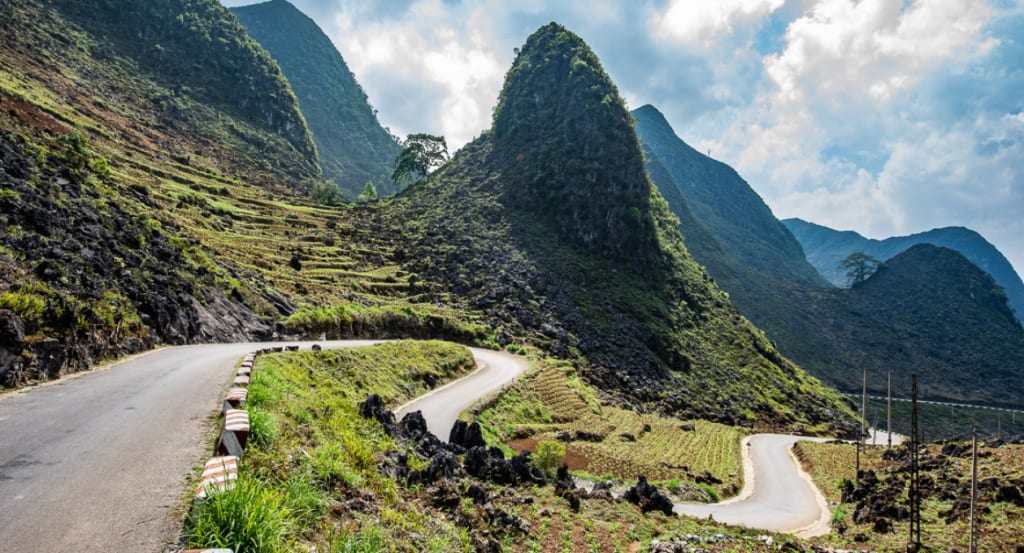
I’m a wanderlust-driven blogger slowly making my way from the southern tip of Vietnam right up to the Chinese border. After soaking in the misty rice terraces of Sapa, my next stop is Ha Giang - arguably the crown jewel of Northern Vietnam’s mountain adventures.
I’ve done my homework scouring Reddit threads, TripAdvisor reviews, and local blogs, so let me walk you through everything you need to know for an unforgettable journey from Sapa to Ha Giang. Buckle up (and maybe pack a warm jacket) because this is going to be a detailed ride!
Why Sapa to Ha Giang? A Tale of Two Highlands
Sapa’s Charm: Iconic rice terraces, colorful hill-tribe markets (like Cát Cát and Ta Phin), and Hmong cultural homestays make Sapa a backpacker favorite.
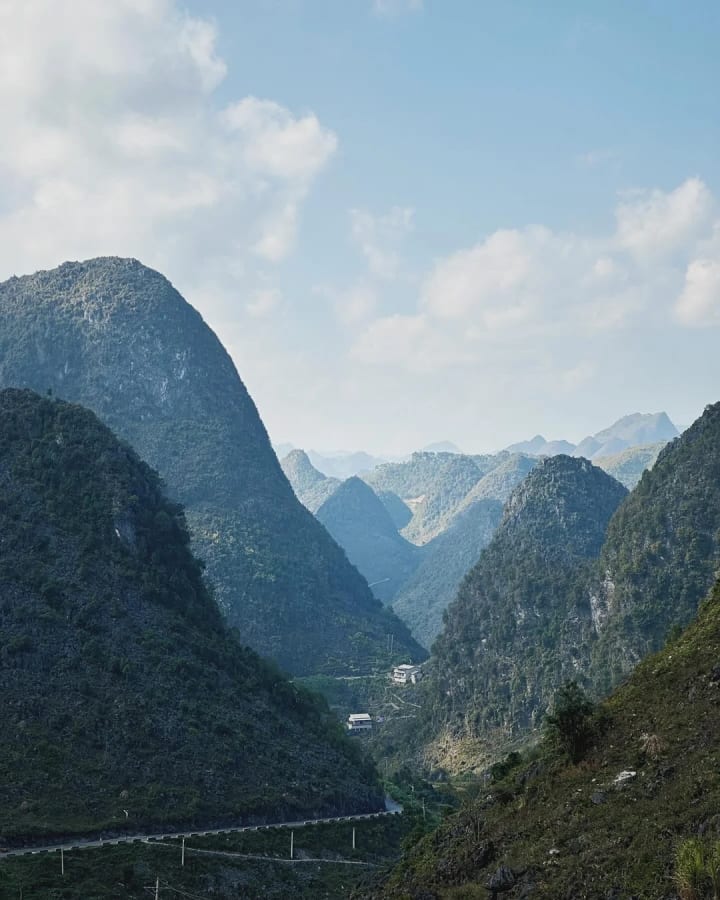
Ha Giang’s Allure: Rugged karst peaks, the legendary “Ha Giang Loop,” and authentic interactions with Dao, Hmong, Tay, and Lo Lo ethnic groups.
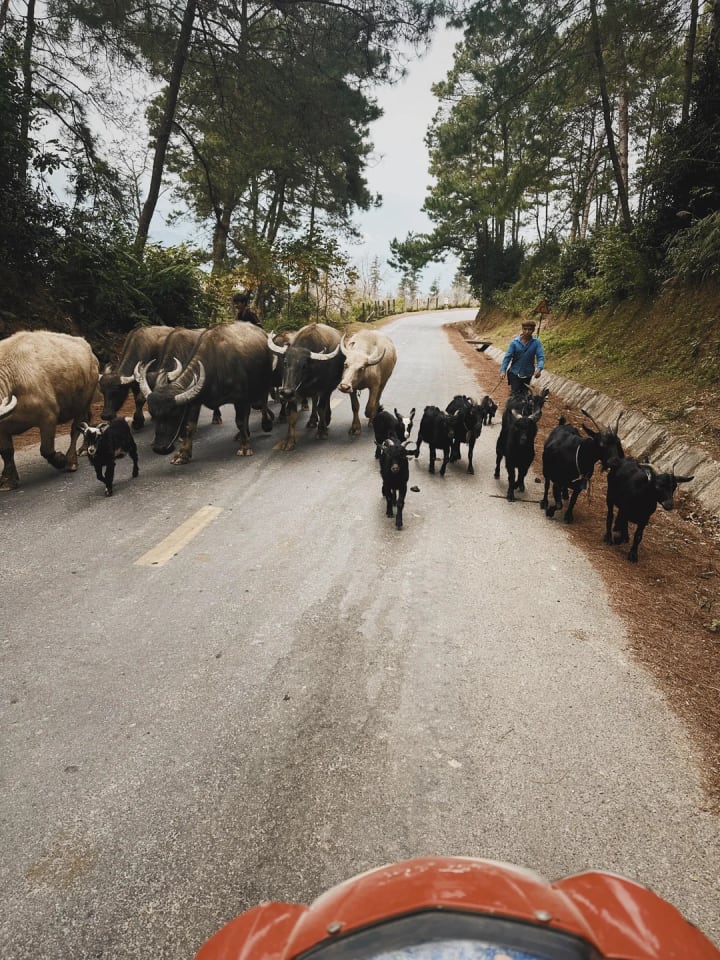
Combining Sapa’s lush terraces with Ha Giang’s raw mountain roads gives you an authentic slice of Northern Vietnam’s diverse highland cultures and jaw-dropping scenery.
How to Get from Sapa to Ha Giang
1. Sleeper Bus (Most Popular & Budget-Friendly)
Duration: ~6 to 7 hours
Cost: 296,000–350,000 VND (~$12–15)
Sleeper buses run multiple times a day, mostly in the evening and at night.
Where to Catch: Sapa Bus Station or arrange pick-up via your hotel.
Arrival Point: Ha Giang Bus Station, typically between 11 pm–1 am.
Pro Tip: If arriving late, book a homestay or cheap hotel near the station to crash for the night.
2. Private Car / Taxi Transfer
Duration: Around 5 hours
Cost: 3,200,000–3,800,000 VND ($130–150)
Why Choose?: Comfortable, door-to-door, great for groups or families.
Booking: Arrange via your hotel or a local transport provider.
3. Motorbike (Only for Experienced Riders)
Route: Sapa → Lao Cai → Bắc Hà → Bảo Yên → Trấn Yên → Nghĩa Lộ → Văn Chấn → Yên Minh → Ha Giang
Distance: ~218 km
Time: 6–7 hours
Cost:
Rental: ~200,000–250,000 VND/day
Fuel: ~200,000 VND round-trip
Road Condition: Mountainous, winding, with some unpaved stretches. Only for confident, experienced riders.
Where to Rent: Many Sapa hotels/hostels offer motorbike rentals.
Must-Stops & Hidden Gems en Route
1. Bắc Hà Sunday Market (Sundays, 7 am–12 pm)
A colorful ethnic market where Hmong, Giay, and Tay people gather to trade everything from water buffalo to embroidered bags. Free to enter, but you’ll want to bring cash for food and handmade crafts.
2. Silver Waterfall (Thác Bạc)

Just 20 minutes from Sapa, this 200-meter tall waterfall is a great pit stop if you’re riding yourself. Entry fee is around 20,000 VND. Best to visit in the morning before it gets crowded.
3. Thang Hen Lake (Yên Minh)
A tranquil highland lake surrounded by limestone cliffs and rice paddies. You can rent small paddleboats or just relax by the shore. Entry: ~30,000 VND; Boat rental: ~50,000 VND/hour.
4. Khoang Xua Village
A quiet Tay minority village where traditional stilt houses line the valley floor. Free to enter, and if you're lucky, you might get invited in for a cup of home-brewed rice wine.
Arriving in Ha Giang: Essentials & First Impressions
Accommodation:
Budget: Hostels from 100,000 VND/night
Mid-range: Homestays or guesthouses from 250,000–400,000 VND/night
Local Food to Try:
Thắng cố: A horse meat stew popular among highland minorities
Phở chua: Sour noodle soup with peanuts and pickled vegetables
Thịt lợn cắp nách: Grilled mountain pork
ATM & Money Tips:
Cash is king. Bring Vietnamese dong. ATMs exist in Ha Giang City but not always reliable.
Ha Giang Permit:
Foreign travelers must obtain a travel permit (20,000 VND) to explore the Ha Giang Loop.
Your hostel or homestay can usually help arrange it quickly.
Quick Guide to the Ha Giang Loop
If you’re heading straight into the loop after arriving, here’s a 4-day suggestion:
Day Route Highlights Stay
Day 1 Ha Giang → Quan Ba → Yen Minh Heaven Gate Pass, Twin Mountains Yen Minh
Day 2 Yen Minh → Dong Van Tham Ma Pass, Dong Van Market Dong Van
Day 3 Dong Van → Meo Vac Ma Pi Leng Pass, Nho Que River Meo Vac
Day 4 Meo Vac → Du Gia → Ha Giang Waterfalls, rice fields, local villages Ha Giang
Loop Costs (Approximate):
Bike Rental: ~200,000–300,000 VND/day
Fuel: ~200,000 VND total
Homestays: 200,000–300,000 VND/night (with dinner)
Permit: 20,000 VND
Optional: Easy Rider (guided motorbike tour) from ~3,500,000 VND (includes guide, gas, food, accommodation)
Hidden Gems in Ha Giang
1. Nai Nam Dam Waterfall (Quan Ba)
Off-the-beaten-path waterfall where you’ll rarely see other tourists. Perfect for a cooling dip.
2. Pho Cao Town
Traditional houses and photogenic alleys in a sleepy village that’s yet to be commercialized.
3. Thẩm Mã Slope
A dizzying stretch of winding road with a panoramic viewpoint at the top. Great spot for drone shots.
4.
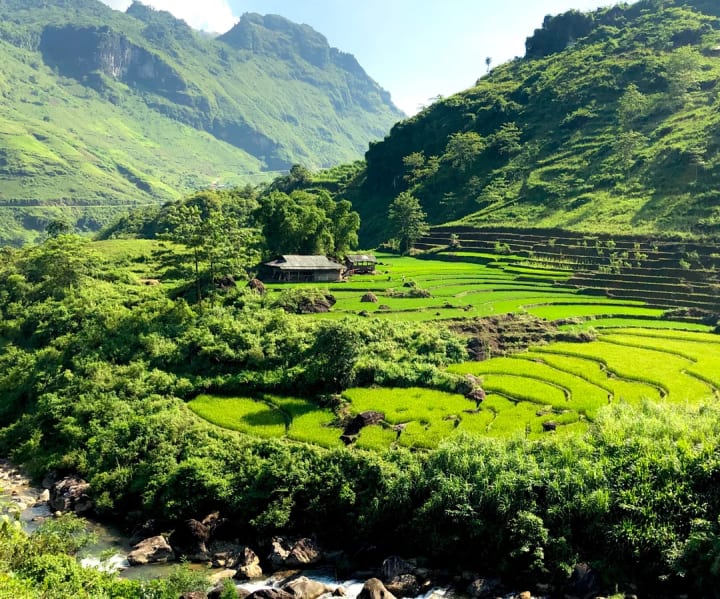
Tucked in a peaceful valley, this village is all rice paddies, dogs, and slow life. Don’t miss the waterfall trail.
Packing Essentials & Tips
Must-Pack:
Waterproof jacket, sturdy shoes, power bank, offline maps, sunglasses, sunscreen. Warm clothes if visiting Oct–Feb (yes, it gets cold!)
Phone Signal: Viettel and Vinaphone offer the best coverage, but expect dead zones in the mountains.
Safety:
Stick to ~40 km/h on curves. Watch out for goats, fog, and gravel patches.
Always carry ID, permit, and emergency contacts.
FAQ: Everything You’re Googling Right Now
1. Can I take a direct bus from Sapa to Ha Giang?
Yes! Several companies offer direct sleeper buses. They usually leave in the evening and arrive around midnight.
2. Do I really need a permit in Ha Giang?
Yes, it’s required for all foreigners. It’s easy to get and only costs about 20,000 VND.
3. Is riding a motorbike safe?
If you’ve ridden in SE Asia before and are confident in mountainous roads, yes. If not, consider hiring an Easy Rider or taking a bus.
4. Best time to go?
Spring (March–May): Flowers and mild temps
Autumn (Sept–Nov): Golden rice fields, best for photos
Winter (Dec–Feb): Cold and sometimes foggy
Rainy season (June–August): Lush green but risk of landslides
5. Is the Ha Giang Loop better than Sapa?
They’re different! Sapa is more touristy and polished. Ha Giang is raw, dramatic, and less discovered. If you love adventure, Ha Giang wins.
About the Creator
Jungle Boss
JungleBoss Tours brings you epic adventures in Phong Nha, Vietnam! From trekking through lush jungles to exploring breathtaking caves, we’ve got your next unforgettable experience covered. Come check us out at junglebosstours.com
Keep reading
More stories from Jungle Boss and writers in Wander and other communities.
Why Phong Nha Should Be on your Vietnam Itinerary
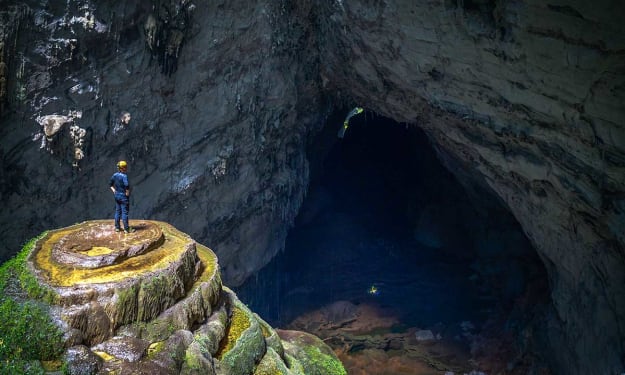
Phong Nha is home to the largest cave system on earth. Think emerald rivers cutting through ancient karst mountains, jungles teeming with wildlife, and caves so massive they have their own ecosystems. As someone who’s backpacked Vietnam from Ho Chi Minh City to Hanoi, I can confidently say Phong Nha is a must-visit—especially for adventurers and budget travelers. Let’s dive into how to plan the perfect Phong Nha tour!
By Jungle Boss11 months ago in Wander
The Little Things Americans Take For Granted
America isn’t perfect. The entire country needs a serious makeover and attitude adjustment. We have it better in the country than people in some places, despite the flaws. People in some countries cannot enjoy freedom of speech. Women do not enjoy equal rights. Basic humanneeds like water and electricity are not always available. Simple acts can land someone in jail. We take so much for granted here in America. We’ve come to expect extras like electricity and Internet service. Far too often, we forget that people in some countries could only dream of the same luxuries.
By Criminal Mattersa day ago in Wander
Review of 'Man on the Run'
My wife and I saw Man on the Run, a nearly 2-hour documentary on Amazon Prime, about Wings, Paul McCartney's group that flew around the world from shortly after The Beatles broke up in early 1970 to shortly after John Lennon was murdered at the end of 1980, making a Beatles reunion forever impossible.
By Paul Levinson5 days ago in Beat


Comments
There are no comments for this story
Be the first to respond and start the conversation.