
Fly Fishing vs Spinning: Discover Which Suits You Best
Explore the differences between fly fishing vs spinning and uncover which method can make your next fishing adventure unforgettable.

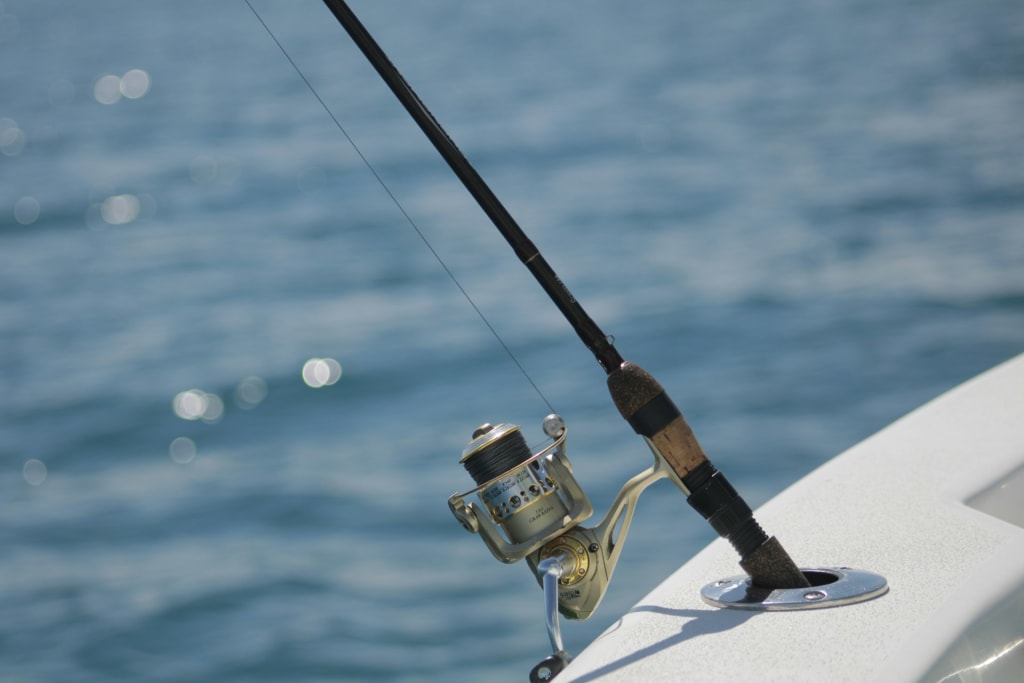
Have you ever wondered why anglers seem deeply divided when it comes to fly fishing vs spinning? Both methods seem similar at first glance—you cast a line, wait for a bite, and reel in your catch. But look closer, and you’ll find two very different worlds of movement, rhythm, and technique.
Fly fishing, for instance, feels almost poetic. The angler’s motion isn’t just a cast—it’s a dance with the wind and water. Instead of relying on the weight of a lure, the line itself carries a near-weightless artificial fly, sending it gently across the surface. The goal is to imitate the subtle drift of real insects, tricking fish with delicate precision. Every movement matters, every ripple tells a story.
Spinning, however, offers a completely different kind of thrill. It’s about simplicity, versatility, and adaptability. Using a spinning reel placed beneath the rod, the angler casts with ease, relying on the lure’s weight to drive the line outward. The action is quick, direct, and satisfying. You can move from a calm lake to a coastal pier without changing much in your setup. It’s fishing made approachable, and that accessibility invites curiosity from beginners and seasoned anglers alike.
What Makes Fly Fishing vs Spinning So Different?
The deeper you explore fly fishing vs spinning, the more fascinating their contrasts become. Fly fishing equipment is intentionally delicate. Each element—the fly rod, reel, line, leader, and tippet—works together to achieve one thing: lifelike presentation. The cast is more than a motion; it’s a craft that blends timing and touch. When you watch a skilled fly fisher, you can see how effortlessly the line dances through the air before settling onto the water like a whisper.
Spinning tells a story of balance and control. The spinning reel’s open design allows smooth casts with fewer tangles, while the drag system manages tension during a fight with the fish. It’s forgiving, adaptable, and ideal for nearly any environment. The mechanics may be simpler than fly fishing, but that simplicity hides surprising depth. You can experiment with lure types, retrieval speeds, and techniques—all to find what sparks a fish’s curiosity beneath the surface.
The environments for both styles couldn’t be more distinct. Fly fishing shines in crystal-clear streams and rivers, where trout or salmon rise to inspect tiny insects. It’s a game of observation and patience. Spinning thrives in a broader range of settings—murky lakes, deep reservoirs, or even turbulent ocean water. Its versatility allows you to explore environments that fly gear might struggle with. Each cast becomes an experiment, a chance to learn how fish respond to changing conditions.
Curiosity Leads the Choice Between Fly Fishing vs Spinning
So, which technique truly fits you best in fly fishing vs spinning? The answer depends on what kind of experience you seek. Fly fishing attracts those who love discovery through mastery. Every session feels like a lesson in physics and patience—how air, line, and water interact in perfect timing. The more you practice, the more you notice details that once went unseen: the way light touches a current, how a fish rises, how the rhythm of your cast affects the drift of your fly.
Spinning appeals to explorers who crave versatility and motion. There’s something exciting about changing your lure, shifting techniques, or adapting to a new species on the fly. You can cast long distances, adjust your retrieval, and feel the immediate thrill when something tugs on your line. It’s less about precision and more about experimentation—a style that rewards curiosity and responsiveness.
Budget and practicality also play roles. Fly fishing gear tends to be more specialized, with handcrafted flies and rods that often come at a higher cost. Spinning setups are typically more affordable, easy to maintain, and suitable for travel. If you’re curious but hesitant, spinning provides an accessible entry point that still offers endless room to grow.
Ultimately, the choice depends not just on what you want to catch, but how you want to experience the water. Do you find fascination in the small details of a drifting fly? Or do you prefer the dynamic, flexible excitement of casting across a wide expanse? Both paths invite you to experiment and learn, deepening your connection with nature along the way.
The Wonder of Learning Both Techniques
One of the most rewarding discoveries about fly fishing vs spinning is that you don’t necessarily have to choose between them forever. In fact, many anglers find that learning both expands their understanding of fish behavior, water movement, and their own patience.
Fly fishing encourages mindfulness. The quiet focus needed to control the line and read the water becomes almost meditative. You start to see patterns—the way fish react to subtle shadows or changing currents. It’s a discipline that rewards curiosity about the smallest details in the natural world.
Spinning, meanwhile, teaches adaptability. You learn how to respond to fish activity, how to switch techniques mid-cast, and how to make the most of each location. Every new body of water becomes a puzzle, waiting for you to piece together which lure or speed might unlock its secrets. There’s a joy in that experimentation, an instant feedback loop that keeps you coming back for more.
What’s fascinating is that both techniques, though seemingly opposite, share the same core lesson: observation. Whether you’re floating a fly delicately downstream or feeling the vibration of a spinning lure, the most curious anglers notice everything. That awareness is what transforms fishing from a pastime into a lifelong exploration.
The Joy of Discovery in Fly Fishing vs Spinning
At its heart, the debate of fly fishing vs spinning isn’t about which is better—it’s about what kind of experience fuels your curiosity. Fly fishing invites you to slow down, study, and understand. It asks you to engage deeply with your environment and your technique. Each cast becomes a quiet question to the water, and every strike, a whispered answer.
Spinning, on the other hand, thrives on experimentation and movement. It rewards curiosity through immediate feedback. You can change your strategy, adjust your lure, and see instant results. It’s the method for those who love to explore and adapt, who find excitement in the unknown.
In truth, both methods complement each other beautifully. Fly fishing cultivates patience and observation, while spinning fosters adaptability and exploration. The curious angler will find endless fascination in practicing both—discovering how each approach reveals something new about the water, the fish, and themselves.
Fishing isn’t just about catching; it’s about wondering. Whether you stand knee-deep in a mountain stream or cast from the edge of a quiet lake, fly fishing vs spinning offers an open invitation to keep asking questions, keep experimenting, and keep discovering the mysteries hidden just below the surface.
About the Creator
Keep reading
More stories from Jett Harris of Arkansas and writers in Wander and other communities.
Beyond the Office: How Volunteering with Youth Transformed My Leadership Mindset
When I first signed up to volunteer with a youth mentorship program, I imagined myself as the teacher, not the student. I expected to share wisdom, guide others, and practice my leadership development in a new environment. I didn’t expect how much I would learn about humility, empathy, and the power of authentic influence.
By Jett Harris of Arkansas3 months ago in Education
Across the Bridge of Flowers
Welcome, fellow wanderers, to Postcards Between Pages, where stories spill out from well-thumbed novels into the world, and where travel isn’t just a journey of miles, but a pilgrimage of meaning. I’m your host, inviting you today to one of the most poetic destinations on the American map—a place where steel and stone have, quite literally, been transformed by blossoms and imagination: the Bridge of Flowers, in Shelburne Falls, Massachusetts.
By Kristen Barenthalera day ago in Wander
Whispers of Winter
"There are places where the holiday season doesn’t just arrive — it settles in. It curls around you like a wool scarf, it glows like a candle in a frosted window, and it whispers stories you swear you’ve heard before. Today, we’re stepping into one of New England’s most enduring traditions: the Enchanted Village at Jordan’s Furniture in Avon, Massachusetts."
By Kristen Barenthalera day ago in Wander



Comments
There are no comments for this story
Be the first to respond and start the conversation.