
Exploring Chinese Fishing Nets: A Detailed Information About Chinese Fishing Nets Kochi, Entry Fee, Timings And Much More
The Chinese fishing nets of Kochi are not just a tourist attraction, they are the visual proof of the city’s rich cultural history and its connections to the wider world.

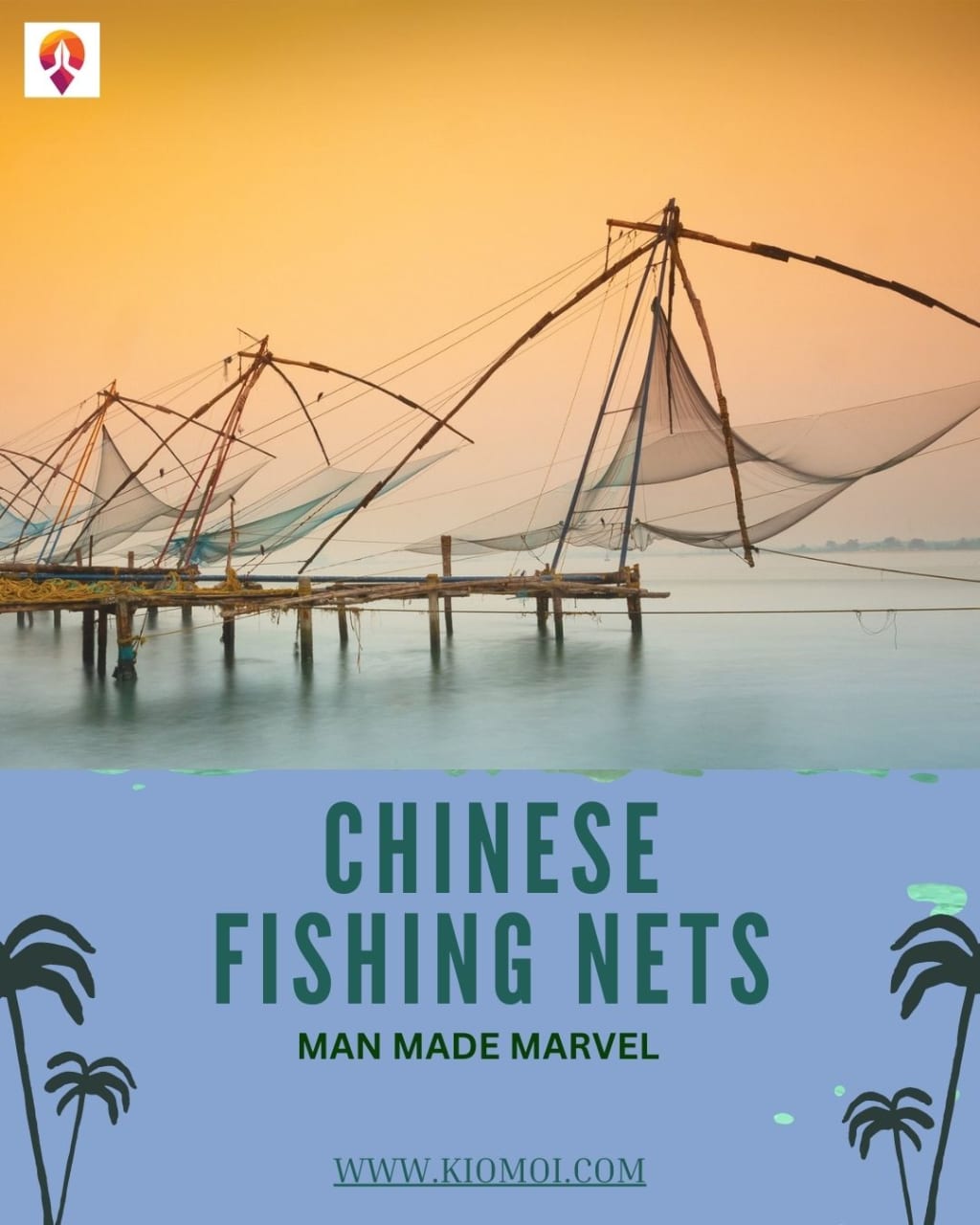
Kochi, often referred to as the "Queen of the Arabian Sea," is a city rich in history, culture, and unique traditions. Among its many attractions, the Chinese fishing nets stand out as an iconic symbol of the region. Known locally as "Cheena vala," these fishing nets not only serve as an evidence to the city’s long-standing maritime connections but also an enduring symbol of the cultural exchange between India and China. Whether you’re a history lover , a photography lover, or simply someone who appreciates the beauty of traditional craftsmanship, the Chinese fishing nets of Kochi offer a fascinating glimpse into the past.
The Origin and History of Chinese Fishing Nets Kochi
The Chinese fishing nets in Kochi are believed to have been introduced by Chinese explorers, possibly as early as the 14th century, during the reign of the Chinese emperor Kublai Khan. According to local knowledge, the nets were brought to the Malabar Coast by the Chinese explorer Zheng He, though some historians argue that the nets might have been introduced by Chinese traders who settled in the region long before Zheng He’s voyages. Regardless of their exact origin, these nets have become an integral part of Kochi’s coastal landscape, symbolizing the ancient trade links between Kerala and China.
The Unique Design of Chinese Fishing Nets Kerala
What makes the Chinese fishing nets so remarkable is their unique design and engineering. The nets are essentially large, cantilevered structures made of bamboo or teak wood, with a net spread out over a large area, typically 20 meters or more. The entire structure is operated by a system of weights, often large stones tied to ropes, which allows the net to be lowered into the water and then raised back up with the catch.
The Process of Fishing with Chinese Fishing Net Kochi
Fishing with Chinese nets is a labor-intensive process that requires skill and teamwork. Usually, a group of four to six fishermen operates each net. The net is lowered into the water and left there for a few minutes before being hauled up, hopefully with a catch of fish. The process is repeated several times throughout the day, with the best catches usually coming at dawn and dusk. While the yield from these nets is generally modest, the process itself is a sight to behold, particularly when multiple nets are operated in unison along the shoreline.
The Cultural Significance of the Chinese Fishing Nets
Over the centuries, the Chinese fishing nets have become much more than just a fishing tool. They are a symbol of Kochi’s rich cultural heritage and its historical ties to global maritime trade. The nets have also become a major tourist attraction, drawing visitors from around the world who come to watch the fishermen at work, take photographs, and enjoy the scenic beauty of the Kochi coastline. This cultural significance has helped sustain the use of these nets, even as modern fishing techniques have become more prevalent.
The Best Places to See Chinese Fishing Nets in Kochi
The most famous location to see the Chinese fishing nets is Fort Kochi, a historic area that is also home to many other cultural and historical landmarks. However, these nets can also be found in other parts of Kerala, such as Vypeen Island and along the backwaters, offering multiple vantage points to experience their charm.
Fort Kochi: A Historical Backdrop
Fort Kochi, with its colonial architecture and vibrant cultural scene, provides the perfect backdrop for the Chinese fishing nets. Here, the nets line the shoreline, creating a picturesque setting that is especially beautiful during sunrise and sunset. The combination of the historic fort, the bustling local market, and the serene waters makes Fort Kochi a must-visit destination for anyone interested in experiencing the essence of Kerala.
Vypeen Island: Another Scenic Spot
Located just a short ferry ride from Fort Kochi, Vypeen Island is another great place to see the Chinese fishing nets in action. The island offers a quieter, more laid-back atmosphere compared to the bustling streets of Fort Kochi, making it an ideal spot for those looking to enjoy the beauty of the nets in a more tranquil setting.
Chinese Fishing Nets Kochi Entry Fee And Visiting Time
To fully appreciate the beauty and cultural significance of the Chinese fishing nets, it’s best to visit them early in the morning or late in the evening, when the nets are most likely to be in operation. Watching the fishermen work at dawn, with the first light of day illuminating the nets, is an experience not to be missed.
Chinese Fishing Nets Kochi Entry Fee: There is no official entry fee to view the Chinese fishing nets in Kochi. However, it is customary to tip the fishermen if you wish to take photographs or watch them operate the nets up close.
Photography Tips for Capturing the Nets
The Chinese fishing nets are a photographer’s dream, offering a perfect mix of natural beauty, cultural significance, and historical charm. For the best photos, visit during the golden hours of sunrise or sunset, when the light is soft and the colors are vibrant. Position yourself at a low angle to capture the full scale of the nets against the backdrop of the sky and sea. Don’t forget to capture the fishermen at work, as their movements add a dynamic element to your shots.
The Decline and Preservation of Chinese Fishing Nets
Despite their cultural significance, the use of Chinese fishing nets has been in decline over the past few decades. Several factors have contributed to this, including the advent of modern fishing techniques, environmental changes, and economic challenges faced by the local fishing communities.
Modern Challenges
The fishermen who operate the Chinese nets face numerous challenges today. The declining fish population, due to overfishing and pollution, has made it increasingly difficult to sustain a livelihood using these traditional methods. Additionally, the cost of maintaining the large wooden structures has risen, making it less viable for younger generations to continue the practice.
Preservation Initiatives
Recognizing the cultural and historical value of the Chinese fishing nets, both the government and local communities have taken steps to preserve them. Various initiatives, including financial support for the fishermen and efforts to promote sustainable fishing practices, are in place to ensure that these iconic structures remain a part of Kochi’s landscape for generations to come. Tourism also plays an important role in preservation, as the interest of visitors provides an additional source of income for the fishermen.
How to Support the Local Fishermen
If you’re visiting the Chinese fishing nets in Kochi, there are several ways you can support the local fishermen. Tipping them for photos and demonstrations is a small but meaningful way to contribute. You can also purchase fresh seafood directly from the fishermen, helping to support their livelihoods.
Experiencing Local Cuisine by the Chinese Fishing Nets
One of the best ways to immerse yourself in the local culture is to sample the fresh seafood available near the Chinese fishing nets. Several small eateries and stalls in Fort Kochi offer freshly caught fish, prawns, and other seafood, often prepared in traditional Kerala style. Whether you’re enjoying a simple grilled fish or indulging in a spicy seafood curry, dining by the Chinese fishing nets is an experience you won’t soon forget.
Conclusion
The Chinese fishing nets of Kochi are more than just a tourist attraction; they are a living evidence to the city’s rich cultural history and its connections to the wider world. Despite the challenges they face, these nets continue to be a symbol of Kochi’s identity, attracting visitors with their unique charm and offering a glimpse into the lives of the local fishing communities. Whether you’re exploring the bustling streets of Fort Kochi or enjoying the peaceful atmosphere of Vypeen Island, the Chinese fishing nets are an essential part of the Kerala experience.
FAQs
1. What is the best time of day to visit the Chinese fishing nets?
The best time to visit the Chinese fishing nets is during sunrise or sunset when the nets are most likely to be in operation, and the lighting is ideal for photography.
2. Is there an entry fee to see the Chinese fishing nets in Kochi?
No, there is no official entry fee to view the Chinese fishing nets, but it is customary to tip the fishermen if you wish to take photographs or observe them up close.
3. Can tourists try operating the fishing nets?
Yes, in some cases, the fishermen may allow tourists to try their hand at operating the nets, usually in exchange for a small tip.
4. How do Chinese fishing nets differ from other fishing techniques?
Chinese fishing nets are unique due to their large, cantilevered structure and the traditional method of operation, which relies on a system of weights and pulleys rather than modern machinery.
5. Where can I buy fresh seafood near the Chinese fishing nets?
You can purchase fresh seafood from the fishermen operating the nets or from nearby stalls and eateries in Fort Kochi, where the catch is often prepared on the spot.
About the Creator
Akash
Akash is a tour guide consultant who provides advice and guidance to the Indian tourist regarding their travel
related queries in the best possible way to satisfy the customers.
Worth the Wait: Puerto Viejo, Costa Rica
Beach bumming in a small Caribbean beach town sounded like a perfect way to end our 6-month trip through Mexico and Central America. Or so we thought. The foul, fishy stench of rotten seaweed hit our nostrils as we stepped from the cramped bus and looked out at a rather depressing, empty, and underwhelming black sand beach. It was pouring with rain, and we had to quickly fish out our ponchos. We thought, this couldn’t be it, could it?
By Sh*t Happens - Lost Girl Travel10 days ago in Wander
My First Time Skiing and I Got Lost, Alone, in the French Alps
Looking back, I can trace some of my life’s biggest adventures to a simple action from my sister. She’d introduced me to Tommy (a very long time ago), a colleague of hers, who had overshared his penchant for Italian-looking women, and I ticked that box.
By Chantal Christie Weiss3 days ago in Humans




Comments
There are no comments for this story
Be the first to respond and start the conversation.