
Explore the Ancient Marvel of Udayagiri and Khandagiri Caves
Discover the history and beauty of Udayagiri and Khandagiri caves in Bhubaneswar. Learn about timings, architecture, and see images that showcase these iconic cave monuments of Odisha.

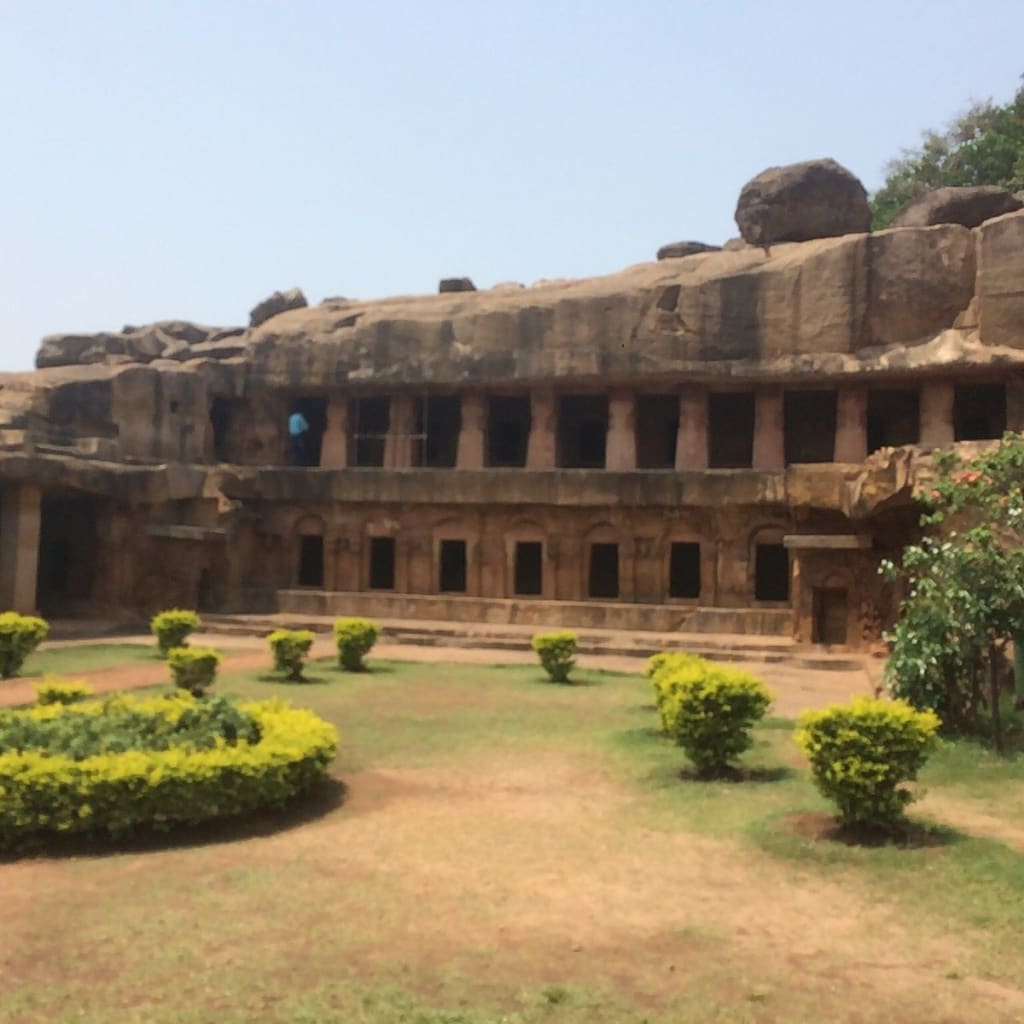
The Udayagiri and Khandagiri caves in Bhubaneswar, Odisha, are among the most fascinating ancient monuments in India. Carved more than two thousand years ago, these caves stand as silent storytellers of India’s glorious past. Built during the reign of King Kharavela of the Mahameghavahana dynasty in the 1st century BCE, the caves were originally intended as residential blocks for Jain monks. Today, they remain a powerful symbol of Jain heritage and Indian rock-cut architecture.
Situated on two adjacent hills, Udayagiri meaning “Sunrise Hill” and Khandagiri meaning “Broken Hill,” the caves are not only a place of spiritual significance but also an architectural and archaeological treasure. With inscriptions, sculptures, and remarkable carvings adorning the walls, these caves are visited by historians, pilgrims, and tourists from around the world.
The Beauty and Significance of Udayagiri Caves
The Udayagiri caves are perhaps the more elaborately carved of the two sets. There are 18 caves in Udayagiri, each with a unique design and religious purpose. These caves are known for their intricate carvings that depict royal processions, dancers, musicians, animals, and scenes from daily life in ancient India. One of the most famous caves here is the Rani Gumpha, or Queen’s Cave. It is a two-storied structure featuring beautifully detailed carvings and spacious chambers, believed to have been used for meditation and religious rituals.
The Udayagiri caves Odisha are not just places of historical interest, but they also offer breathtaking views of the surrounding landscape. Visitors who climb to the top of the hill are rewarded with panoramic views of Bhubaneswar, making the site a visual delight as well as a historical wonder. The silence of the caves and the breeze that flows through them create a calming experience that makes the visit truly memorable.
Discovering the Mystique of Khandagiri Caves
On the opposite hill lies the Khandagiri caves, consisting of 15 rock-cut caves, which, while less ornate than those in Udayagiri, are equally significant. These caves also served as dwellings for Jain ascetics. Some caves in Khandagiri are partially collapsed or unfinished, which adds to the site’s ancient charm and archaeological intrigue. Despite this, the raw rock surfaces and minimalistic design allow visitors to appreciate the simplicity of ascetic life that these caves were meant to support.
One cave that stands out here is the Ananta Cave, known for its beautiful carvings of elephants, lions, and other mythological figures. Walking through the Khandagiri caves Bhubaneswar gives a sense of stepping back into a time where religion, art, and daily life blended seamlessly into the natural environment. Each cave has its own story, carved in stone, waiting to be discovered.
Planning Your Visit to the Caves
To make the most of your journey, it's important to know the Udayagiri and Khandagiri caves timings. The caves are open every day from 9:00 AM to 5:00 PM. It's advisable to visit in the early morning or late afternoon to avoid the heat, especially during the summer months. Entry requires a nominal fee, and guided tours are available if you wish to understand the historical context more deeply.
Wearing comfortable shoes is recommended as there’s a fair amount of walking and climbing involved. The surrounding area has shops selling snacks, water, and souvenirs, so you can take short breaks during your exploration. The site is accessible via road, and it’s only a short drive from central Bhubaneswar, making it easy for both tourists and locals to visit.
Capturing the Caves: A Visual Experience
For those who enjoy photography, the caves offer countless opportunities. The carvings, shadows, natural light filtering through the stone openings, and the backdrop of Bhubaneswar city make for stunning pictures. Khandagiri caves images often showcase the mysterious charm of the place, with moss-covered rocks and ancient inscriptions telling untold stories.
Similarly, Udayagiri caves photos capture the grandeur of the ancient carvings and the peaceful environment surrounding them. These images help preserve the essence of the site and inspire many to learn more about Indian heritage. Whether you're using a phone camera or professional equipment, there’s beauty at every corner waiting to be captured.
A Place of Culture, Religion, and Heritage
More than just a tourist destination, the Udayagiri Khandagiri caves are an important cultural and spiritual site. Jain pilgrims visit to pay respect to the monks who once lived and meditated in these stone chambers. The site reflects the teachings of Jainism, including non-violence, simplicity, and meditation.
Inscriptions found within the caves provide valuable historical information about the life and achievements of King Kharavela. These records are among the earliest known examples of historical documentation in India. The site is also used during certain festivals and cultural events, celebrating Odisha’s rich spiritual and historical legacy.
The Lasting Impact of a Visit
Visiting the caves is a journey into India’s ancient soul. Unlike many historical places that are simply structures, the Udayagiri and Khandagiri caves feel alive with stories. As you walk through the passages, sit in the meditation halls, or view the carvings, you feel a connection with the past that books and pictures cannot offer.
It’s not just about observing history, but about experiencing it in a raw, untouched form. These caves continue to be an important part of Bhubaneswar’s cultural identity and remain one of Odisha’s most cherished heritage sites. From school trips to scholarly visits and from spiritual retreats to tourist explorations, the caves welcome all with equal warmth.
Final Thoughts
The Udayagiri and Khandagiri caves are more than just archaeological sites—they are living testaments to India’s ancient wisdom, artistic excellence, and spiritual depth. They stand quietly, holding centuries of history, yet continue to inspire awe and reverence. If you’re ever in Bhubaneswar, a visit to these caves is not just recommended—it’s essential.
Take your time to explore both the Udayagiri caves and Khandagiri caves, reflect on their history, admire the artistry, and let the peace of the surroundings soak in. Your visit will not only enrich your understanding of India’s past but also leave you with a deep sense of appreciation for its enduring cultural richness.
About the Creator
Akash
Akash is a tour guide consultant who provides advice and guidance to the Indian tourist regarding their travel
related queries in the best possible way to satisfy the customers.
Worth the Wait: Puerto Viejo, Costa Rica
Beach bumming in a small Caribbean beach town sounded like a perfect way to end our 6-month trip through Mexico and Central America. Or so we thought. The foul, fishy stench of rotten seaweed hit our nostrils as we stepped from the cramped bus and looked out at a rather depressing, empty, and underwhelming black sand beach. It was pouring with rain, and we had to quickly fish out our ponchos. We thought, this couldn’t be it, could it?
By Sh*t Happens - Lost Girl Travel10 days ago in Wander
Lost in Translation: How Getting It Wrong in Asia Taught Me How to Travel Right
My first morning in Hanoi started with a sensory assault. I was sitting on a tiny blue plastic stool, knees touching my chin, watching a woman whisk an egg yolk into a cup of robusta coffee. The air smelled of charcoal smoke, cilantro, and exhaust fumes. It was chaotic, loud, and utterly mesmerizing.
By Eleni N. Markou7 days ago in Wander




Comments
There are no comments for this story
Be the first to respond and start the conversation.