
Embracing Evolving Travel Trends: A Journey Towards Sustainability and Authentic Experiences
Exploring Modern Travel Practices that Prioritize the Environment, Cultural Immersion, and Personal Growth

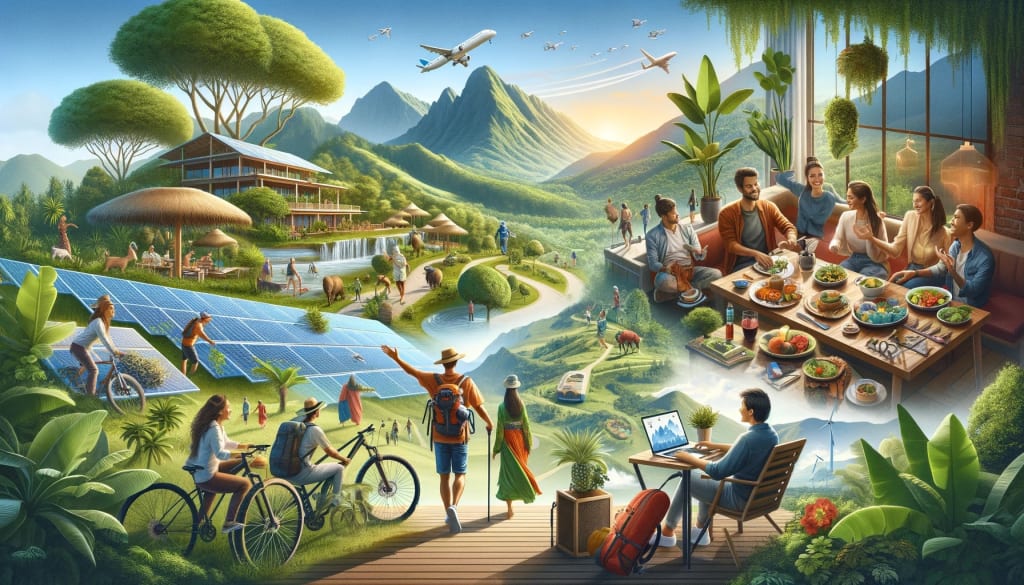
In our rapidly changing world, the way we travel is evolving to reflect shifting societal values, technological advancements, and a growing environmental awareness. As we navigate this transformative era, several emerging trends are reshaping the travel landscape, offering new opportunities to explore the world while making a positive impact.
Sustainable Travel: One of the most significant trends in modern travel is the emphasis on sustainability. Travelers are increasingly conscious of their ecological footprint, seeking ways to minimize environmental harm while exploring new destinations. Sustainable travel includes choosing eco-friendly accommodations, opting for carbon-neutral transportation, supporting responsible wildlife tourism, and participating in community-based initiatives. This rise in eco-conscious travelers has encouraged destinations to adopt sustainable tourism practices such as waste reduction, promoting renewable energy, and preserving natural habitats. By embracing these principles, adventurers can help preserve fragile ecosystems and support local communities, ensuring that future generations can also enjoy the wonders of our planet.
Experiential Travel: Today's travelers crave authentic, immersive experiences that allow them to connect with local cultures and traditions on a deeper level. Experiential travel involves engaging with destinations in a meaningful way, whether it’s taking a cooking class with a local chef, participating in a cultural exchange with indigenous communities, or volunteering for a conservation project. These experiences offer travelers a glimpse into the daily lives of locals, fostering cross-cultural understanding and appreciation. Experiential travel often includes adventure activities, wellness retreats, and culinary tours, catering to a wide range of interests. By prioritizing authentic experiences over superficial attractions, travelers can create lasting memories and forge genuine connections with the places they visit.
Remote Work Travel: With the rise of remote work, more people are combining work with leisure by becoming digital nomads. This trend allows professionals to escape traditional office settings and explore new destinations while staying productive. Remote work travel offers flexibility and freedom, enabling individuals to design their own work-life balance and pursue their passions. From vibrant co-working spaces in bustling cities to serene retreats in picturesque locations, digital nomads have access to a variety of destinations and accommodations tailored to their needs. Besides the personal benefits, remote work travel can also boost local economies and promote sustainable development in remote areas. As technology continues to advance, the possibilities for remote work travel are limitless, offering a new way to work and travel in the 21st century.
Solo Travel: Solo travel is gaining popularity as individuals seek independence, self-discovery, and personal growth through solitary adventures. Whether it’s a solo backpacking trip across continents or a tranquil solo retreat, this trend reflects a desire for empowerment, self-reliance, and the freedom to chart one’s own course. Solo travel offers a unique opportunity for introspection and self-discovery, allowing individuals to step out of their comfort zones and embrace new challenges. While solo travel may seem daunting at first, it can be incredibly rewarding, fostering independence, resilience, and a sense of accomplishment. By embarking on solo adventures, travelers can expand their horizons, cultivate new skills, and gain a deeper understanding of themselves and the world around them.
Off-the-Beaten-Path Destinations: As overcrowding and overtourism threaten popular tourist spots, travelers are increasingly drawn to off-the-beaten-path destinations that offer unspoiled natural beauty, cultural authenticity, and a sense of discovery. These destinations may lack the infrastructure and amenities of more touristy areas, but they often reward adventurous travelers with breathtaking landscapes, rich cultural heritage, and unforgettable experiences. From remote islands and secluded villages to hidden gems in rugged landscapes, exploring lesser-known locales appeals to those seeking unique experiences off the tourist trail. By venturing off the beaten path, travelers can support local economies, preserve natural habitats, and promote sustainable tourism, ensuring these hidden gems remain accessible for generations to come.
In conclusion, the future of travel is marked by a blend of sustainability, authenticity, and innovation. By embracing these evolving trends, travelers have the opportunity to enrich their own lives while contributing to the preservation of our planet and fostering cultural understanding across borders. As we embark on this journey towards responsible and meaningful travel, let us remember that every adventure is an opportunity to leave a positive footprint on the world.
About the Creator
Keep reading
More stories from David H. Lee and writers in Wander and other communities.
Embracing the Trendy Grannie: Redefining Aging in the Modern Era
In today's rapidly evolving world, the traditional image of a grandmother as a demure, house-bound figure is being delightfully upended. Enter the "Trendy Grannie" – a vibrant, tech-savvy, fashion-forward elder who embodies the spirit of modernity and challenges ageist stereotypes. This article celebrates these inspiring women and explores how they are redefining what it means to age gracefully and dynamically.
By David H. Lee2 years ago in Longevity
Hotels vs. Riads in Morocco for Families
Before our first family trip to Morocco, I didn’t fully understand the difference between riads and hotels. I’d heard the words riad, kasbah, riad but wasn’t sure what made them unique. As a mom, I cared most about one thing: what’s actually better for my kids?
By Ariel Cohen7 days ago in Wander



Comments
There are no comments for this story
Be the first to respond and start the conversation.