
Dudhsagar Trek: Chasing the “Sea of Milk” in the Western Ghats
Here’s everything you need to know if you’re planning your own Dudhsagar adventure.

There are some treks that stay with you long after you’ve finished them, and the Dudhsagar Trek is definitely one of them. Known as the “Sea of Milk,” Dudhsagar waterfalls is one of India’s tallest waterfalls, tumbling down from a height of about 310 meters in Goa’s Bhagwan Mahavir Wildlife Sanctuary. Watching that roaring white cascade framed by lush green forests is nothing short of magical. But what makes it even more special is the journey — trekking along railway tracks, through dense jungles, and finally catching your first glimpse of the falls as they thunder down in full glory.
I’ve done this trek once during monsoon, and the memory is still fresh — the rain-soaked trails, leeches trying their luck, and the sheer joy of reaching the waterfall after hours of walking. Here’s everything you need to know if you’re planning your own Dudhsagar adventure.
Why Do the Dudhsagar Trek?
Unlike typical treks that take you up a mountain, this one’s all about the journey. Walking along the railway line with tunnels, bridges, and the forest on either side feels surreal. And the reward at the end — the sight of Dudhsagar Falls crashing down with a thunderous roar — makes every step worth it.
It’s not just a trek; it’s also a slice of India’s railway heritage and natural beauty rolled into one.
Best Time to Visit Dudhsagar
Monsoon (June–September): The falls are at their most powerful, turning into a milky torrent. The trek is tougher due to heavy rains and leeches, but the views are unmatched.
Post-Monsoon (October–February): The safest and most popular time. The water is still strong, and the weather is pleasant.
Summer (March–May): The flow reduces, and it gets hotter. Not the best time for trekking.
Personally, I’d recommend August to December — you get the full force of the falls without extreme rain hazards.
How to Reach the Trek Starting Point
The trek usually begins from Castle Rock (Karnataka) or Kulem (Goa).
From Bangalore: Overnight train or bus to Castle Rock (around 500 km).
From Goa: Kulem station is just 60 km from Panaji. Many travelers prefer starting from here.
From Pune/Mumbai: Overnight trains connect to Castle Rock or Kulem.
Both routes are scenic, but the Castle Rock route (14 km) is more popular with trekkers, while the Kulem route (11 km) is slightly shorter.
The Trekking Experience
The trail is mostly along the railway track, which means walking on stones, crossing dark tunnels, and occasionally stepping aside when a train passes. Each tunnel feels like an adventure — dark, echoing, and chilly inside. A headlamp or torch is a must here.
The forest around is alive with the sound of birds, crickets, and the occasional rustling of leaves. During monsoon, the greenery feels endless, and smaller streams flow across the trail, adding to the fun.
The first sight of Dudhsagar Falls is unforgettable. You hear it before you see it — a distant roar that grows louder until suddenly, the falls appear, tumbling down like liquid silver. If you stand close, prepare to be drenched in mist within minutes!
Travel Safety and Tips
Start Early: The trek can take 5–6 hours depending on your pace.
Carry Essentials: Torch/headlamp (for tunnels), raincoat, water bottles, energy bars.
Footwear: Strong trekking shoes with good grip — railway stones can be slippery.
Permits: Sometimes, forest officials check for entry permission at Castle Rock/Kulem. Carry an ID proof.
Leeches in Monsoon: Salt or antiseptic liquid helps.
Respect Nature: Don’t litter, especially near the waterfall.
Budgeting Your Dudhsagar Trek
A weekend trek from Bangalore or Goa is easy on the wallet:
Train/Bus to Castle Rock/Kulem: ₹600–₹1200 (one way).
Food & Snacks: ₹300–₹500.
Homestay/Guesthouse near base: ₹800–₹1500 per night.
Guide (optional): ₹500–₹800 per group.
Overall, you can manage the trip within ₹2500–₹4000 per person for a 2-day plan.
Nearby Attractions to Explore
If you have extra time, combine your trek with these places:
Tambdi Surla Temple: A 12th-century Shiva temple hidden in the forest.
Mollem National Park: Great for wildlife spotting and birdwatching.
Goa Beaches: After the trek, a beach day in South Goa is the perfect reward.
Final Thoughts
The Dudhsagar Trek isn’t just about reaching a waterfall; it’s about the entire journey — the forest walks, tunnels echoing with your footsteps, trains rushing past, and finally, that jaw-dropping view of the falls. It’s raw, adventurous, and deeply satisfying.
If you’re looking for a trek that mixes natural wonder with a touch of thrill, Dudhsagar should be high on your bucket list. And trust me, once you stand in front of that roaring cascade, with mist spraying your face and the sound drowning out everything else, you’ll know it was worth every step.
About the Creator
Rohit SEN
Hey! Come along with me to explore beautiful places, learn about different cultures, and share my adventures. Let's Explore together! From a travel lover!
Why Hanifaru Bay is a Dream Destination for Marine Life Enthusiasts
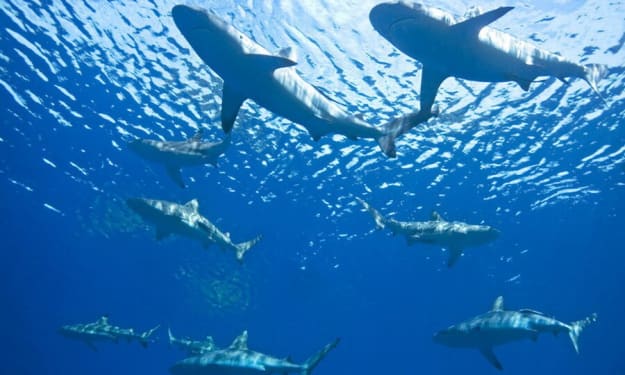
Hanifaru Bay, situated in the Baa Atoll in the Maldives, is one of the earth's most bizarre protected marine areas. This protected zone has a special reputation for the annual visitation of mantas and whale sharks and provides a chance for a nature enthusiast to explore the wonders of the ocean.
By ameliarosannaa day ago in Wander
A Mountain Overture Beneath the Alps
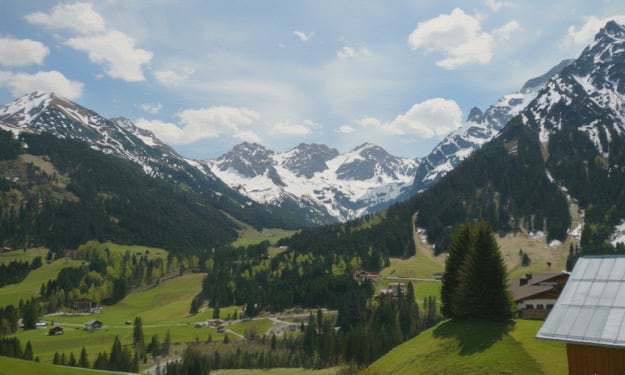
I met this mountain feast at dawn, the moment I pushed open the window. The wind rushed in, carrying the damp scent of pine needles and fresh grass. Lifting my eyes, I saw the Alps stretching their boundless arms in the morning light. The distant peaks wore crowns of silver, their snow gleaming with a sacred glow beneath the rising sun. Dark gray mountain faces, like ancient books worn smooth by time, stood in silent devotion, bearing this purity upon their backs.
By CeeCee Yanabout 15 hours ago in Wander

Comments
There are no comments for this story
Be the first to respond and start the conversation.