
Dudhsagar Trek: A Journey into Goa’s Wild Heart
Best way to truly experience it isn’t from a jeep safari or a passing train window, but on foot, walking through forests, tunnels, and misty trails.

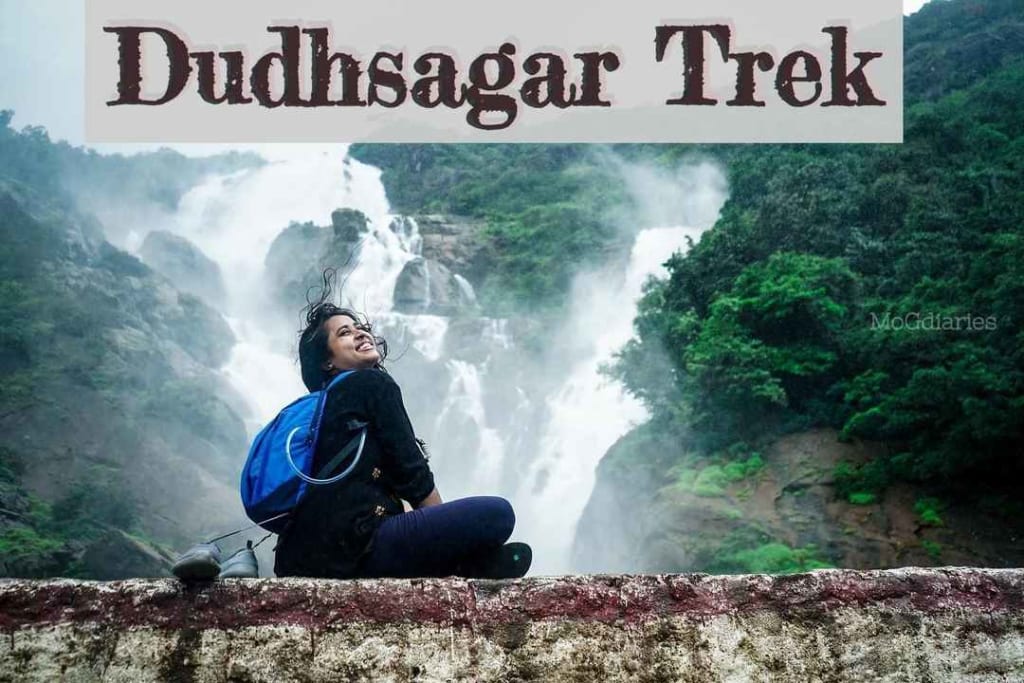
When you think of Goa, golden beaches, lively shacks, and sunsets over the Arabian Sea may come to mind. But hidden away in the folds of the Western Ghats lies an adventure that’s just as captivating—the Dudhsagar Trek. Known as the “Sea of Milk,” this towering waterfall is one of India’s tallest and most spectacular natural wonders. And the best way to truly experience it isn’t from a jeep safari or a passing train window, but on foot, walking through forests, tunnels, and misty trails.
Why Dudhsagar Falls is Special
Dudhsagar Waterfall plunges dramatically from a height of about 1017 feet (310 meters) in multiple tiers, creating a thunderous cascade that looks like a stream of milk flowing down the mountainside. The name Dudhsagar literally translates to ocean of milk.
The iconic railway bridge that cuts across the falls has made it one of India’s most photographed waterfalls. But beyond its cinematic fame, the falls are part of the Bhagwan Mahavir Wildlife Sanctuary, surrounded by dense forests rich with flora, fauna, and the raw energy of nature.
How to Reach the Starting Point
The falls lie on the Goa–Karnataka border, and there are two popular routes for trekkers:
Kulem Route (Goa side): About 11 km one way, beginning at Kulem railway station. This is the more common and accessible route for most travellers.
Castle Rock Route (Karnataka side): Around 14 km one way, beginning from Castle Rock station. This trek takes you through railway tunnels, bridges, and long stretches along the tracks.
From Goa International Airport (Dabolim), Kulem is roughly 80 km away, while from Madgaon it’s about 60 km. Local trains, buses, and taxis are available, making it easy to plan even as a short weekend escape.
The Trekking Experience
The trek to Dudhsagar is not just about the destination—it’s a full sensory journey. Starting from Kulem, the trail takes you along lush forests, muddy paths, and railway tracks. The air smells of wet earth, and bird calls echo through the trees. During the monsoon and post-monsoon months, smaller streams crisscross your path, adding to the sense of adventure.
The most thrilling part of the trek is walking through railway tunnels. With only a torchlight in hand, you feel the dampness on the walls and hear your footsteps echo as you make your way through the darkness. The suspense builds until suddenly you emerge into daylight again, often greeted by smaller waterfalls tumbling down rocky cliffs.
After a few hours of walking, the roar of Dudhsagar becomes louder. And then, as if the forest curtain parts, you see it—a colossal sheet of white water crashing down in full force, throwing up clouds of mist. Standing at the base, drenched in spray, is an awe-inspiring moment you’ll never forget.
Best Time to Trek Dudhsagar
The falls change their character with the seasons, so timing matters:
Monsoon (June–September): Dudhsagar is at its wildest and most powerful, but trekking is risky due to landslides and flooding. Trekking routes are often closed.
Post-Monsoon (October–February): The best season for trekking. The waterfall is still strong, the forest is lush, and the weather is cool.
Summer (March–May): The falls shrink considerably, and the trek can be hot and exhausting.
If you’re planning a trek, October to January is ideal.
What Else to See Nearby
A trip to Dudhsagar isn’t just about the waterfall. The surrounding region has plenty of hidden gems:
Tambdi Surla Temple: A 12th-century Shiva temple built in Kadamba style, nestled inside the sanctuary.
Bhagwan Mahavir Wildlife Sanctuary: Home to leopards, deer, sloth bears, and exotic birds.
Devil’s Canyon: A rugged gorge with turbulent waters, perfect for a quick detour.
Spice Plantations: Around Ponda, you can explore traditional spice farms and enjoy Goan meals.
These add-ons can turn your trek into a wholesome 2- or 3-day getaway.
Travel Tips for a Safe and Enjoyable Trek
Trekking to Dudhsagar is moderately challenging, so being prepared makes a huge difference.
Wear sturdy trekking shoes—the tracks can get slippery.
Carry at least 2 liters of water, light snacks, and a torchlight for tunnels.
Avoid swimming near the base of the waterfall, as currents are strong.
Travel in a group or hire a local guide for safety and navigation.
If you’re on a budget, stay in simple homestays at Kulem. Eco-resorts near Mollem are great for those wanting more comfort.
Suggested Itinerary
Here’s a simple plan you can follow:
Day 1: Arrive in Goa → Travel to Kulem → Stay overnight at a guesthouse.
Day 2: Early morning start for the Dudhsagar trek → Spend time at the falls → Return to Kulem by evening → Visit Tambdi Surla Temple en route.
With an extra day, you can explore wildlife safaris or spice plantations before heading back.
Why Dudhsagar Trek Should Be on Your List
The Dudhsagar Trek is more than just a hike; it’s an immersion into Goa’s untamed wilderness. It shows you a side of Goa that few tourists explore—the side where forests hum with life, railway tracks cut through misty tunnels, and a waterfall as tall as the sky roars with unrelenting power.
If you’re looking to balance Goa’s beaches with an adventure that stirs the soul, this trek is the perfect choice. Pack your boots, gather your friends, and let Dudhsagar remind you of the wild, raw beauty that lies beyond the coastline.
About the Creator
Rohit SEN
Hey! Come along with me to explore beautiful places, learn about different cultures, and share my adventures. Let's Explore together! From a travel lover!
Top 10 colonial hotels in sri lanka
Sri Lanka, once known as Ceylon, carries a rich colonial legacy shaped by Portuguese, Dutch, and British rule. This history is beautifully preserved in a number of colonial-era hotels scattered across the island. From grand seaside mansions to hill-country retreats and fortified townhouses, these hotels offer travelers a chance to step back in time while enjoying modern comfort. Staying in a colonial hotel is not just about accommodation—it is about experiencing stories, architecture, and traditions that have survived for centuries.
By Buddhika Jayanatha day ago in Wander


Comments
There are no comments for this story
Be the first to respond and start the conversation.