
Discovering the Magic of Lake Titicaca: A Journey Through Culture, Nature, and Ancient Legends
Uncover Peru’s Hidden Gem of Culture, Legends, and Floating Wonders

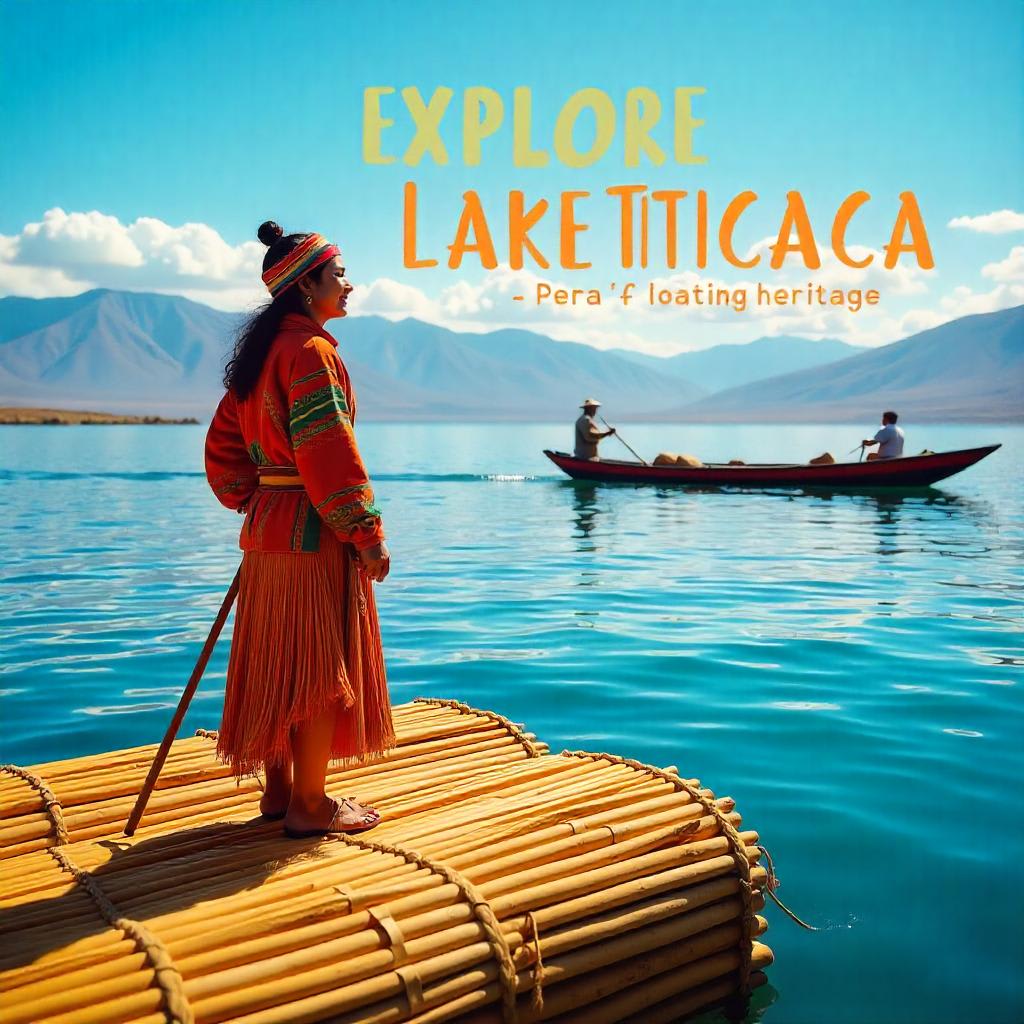
When you think of Peru, the first image that likely pops into your mind is the awe-inspiring Machu Picchu perched high in the Andes. But venture southeast, and you'll uncover another breathtaking gem—Lake Titicaca, the highest navigable lake in the world and a cultural sanctuary nestled on the border of Peru and Bolivia.
For U.S. travelers with a thirst for the extraordinary, Lake Titicaca is more than just a scenic destination—it's a portal into ancient civilizations, indigenous traditions, and serene natural beauty. Whether you're a cultural enthusiast, an adventure seeker, or someone looking to unwind in the tranquility of the Andes, Lake Titicaca offers an experience like no other.
Where Is Lake Titicaca?
Located at an elevation of over 12,500 feet (3,800 meters), Lake Titicaca straddles the border between southeastern Peru and western Bolivia. The Peruvian side is accessible through the charming city of Puno, a vibrant highland hub with easy transport connections from Cusco and Arequipa.
If you're planning a larger Peruvian itinerary—perhaps including the Lares Trek to Machu Picchu or the famous Cusco to Machu Picchu route—Lake Titicaca is a perfect addition to round out your cultural and scenic exploration of the Andes.
Why Lake Titicaca Should Be on Your Bucket List
1. The Floating Islands of Uros
No visit to Lake Titicaca is complete without stepping onto the floating islands of Uros—an ancient marvel constructed entirely from totora reeds. These man-made islands have been home to the Uros people for centuries, who maintain a lifestyle rooted in sustainable living and community resilience.
Walking on these islands feels like stepping into another world. Locals are eager to share their stories, showcase their handicrafts, and even let you ride their traditional reed boats. It’s a cultural exchange that brings you closer to the soul of Peru.
2. Taquile and Amantani Islands: Living Traditions
If you’re looking to dive deeper into indigenous traditions, set your sights on Taquile and Amantani Islands. Here, you’ll witness centuries-old customs preserved in daily life, from handwoven textiles to community farming.
One of the most authentic experiences you can have is staying overnight with a local family. You'll eat home-cooked quinoa soup, dance to traditional music, and sleep under a sky studded with Andean stars. It’s rustic, real, and unforgettable.
3. Epic Scenery at Every Turn
Lake Titicaca’s sapphire waters shimmer beneath snow-capped mountains, creating a panoramic dreamscape. The air may be thin, but the views are breathtaking. For photographers and nature lovers, the golden sunsets, mirrored reflections, and alpacas grazing in the distance offer endless opportunities to capture postcard-worthy moments.
And the best part? There’s no rush. Unlike the busier tourist spots around Machu Picchu, Lake Titicaca invites you to slow down and savor each moment.
A Personal Connection: A Conversation on the Floating Islands
During a visit to one of the floating Uros islands, I had the chance to speak with Doña Felicia, a local artisan who welcomed visitors with her warm smile and vibrant, handmade textiles. As we sat on bundles of totora reeds under the bright Andean sun, she shared a piece of her life with quiet pride.
"We build these islands with our hands—just like my grandmother did, and her grandmother before her. The lake gives us everything. It's our home, our food, and our stories."
She showed me how the reeds are layered and replaced every few weeks, how the island shifts ever so slightly underfoot. When I asked her why she chooses to stay despite the rising challenges of tourism and climate change, she answered with a gentle certainty:
"Because here, we are not just living—we are remembering. Every day on the lake is a gift from our ancestors."
That short exchange left a lasting impression. It reminded me that travel isn’t just about seeing new places—it’s about connecting with people who live very differently but share the same human spirit.
Cultural and Spiritual Significance
According to Inca mythology, Lake Titicaca is the birthplace of the sun. It is believed that the first Inca king, Manco Capac, and his sister-wife Mama Ocllo emerged from the lake, sent by the sun god Inti to found the Inca civilization in Cusco.
This myth imbues the lake with a deep spiritual resonance. Even today, local Quechua and Aymara communities regard the lake as sacred. As you explore the shores and islands, you’ll find ancient temples, sun-worshipping sites, and oral histories that date back millennia.
How to Get to Lake Titicaca from the USA
From the United States, travelers typically fly into Lima, Peru’s capital. From there, you can take a domestic flight to Juliaca, the nearest airport to Puno (about an hour away by taxi or bus). Another option is traveling by bus or train from Cusco, which can also serve as your base for other popular adventures like the Lares Trek to Machu Picchu or the Salkantay Trek Cusco.
Although the journey takes effort, the reward is more than worth it. You’ll step into a slower pace of life, far from the hustle and bustle of commercialized tourism.
Tips for Visiting Lake Titicaca
Acclimate to the Altitude: Lake Titicaca sits higher than Cusco, so plan to acclimate gradually. Drink coca tea and avoid strenuous activity on your first day.
Pack Layers: Days are sunny and warm, but nights can be freezing. Layers, including a good jacket and thermal wear, are essential.
Respect Local Customs: Many communities are shy about photography. Always ask permission before snapping pictures of people or religious ceremonies.
Support Local Economies: Buy handmade crafts directly from the artisans and consider participating in community-based tours that benefit local families.
Combining Lake Titicaca With Other Adventures
Lake Titicaca fits beautifully into a larger travel plan through Peru. If you’re a hiking enthusiast, consider starting your journey with the Lares Trek to Machu Picchu or the Choquequirao Trek and then make your way southeast to Puno for some post-trek relaxation by the lake.
Alternatively, if you’re coming from Bolivia, Lake Titicaca can be a wonderful finale before entering Peru for more adventure—perhaps a Machu Picchu Hike or a Sacred Valley Tour from Ollantaytambo.
Final Thoughts
Lake Titicaca isn’t just a destination—it’s a story still being told. It’s a place where ancient traditions thrive in harmony with nature, where legends rise from the water, and where every traveler leaves with a deeper sense of connection to the land and its people.
If you’re planning your next escape from the U.S. and want something unique, authentic, and soul-enriching, Lake Titicaca deserves a place on your itinerary.
About the Creator
Encuentros Peru Adventure
Encuentros Peru Adventure offers an extensive array of excursions, encompassing cultural expeditions, gentle to moderate hikes, and adrenaline-pumping adventure sports activities.
Keep reading
More stories from Encuentros Peru Adventure and writers in Wander and other communities.
Photographer’s Guide to the Lares Trek: Capturing Peru’s Hidden Gem
If you're a photographer seeking both breathtaking landscapes and cultural authenticity, the Lares Trek to Machu Picchu offers an unmatched visual experience. Tucked away from the crowds of the Inca Trail, this alternative trek immerses you in the untouched beauty of the Andes while guiding you through villages where centuries-old traditions still thrive. Whether you're an amateur with a smartphone or a professional carrying a DSLR, the Lares Trek Peru will reward you with stunning shots—if you know where and how to look.
By Encuentros Peru Adventure9 months ago in Wander
Da Mayor Trip
I’m going to tell you a story. The Story doesn’t end here, this is just the beginning. On November 19 I was surprisingly terminated from my job. And for dubious reasons as well. I enjoyed my job for the most part. The work was easy, I got a long with my co-workers for the most part and the benefits and time off allowed me to do what I wanted to do – travel, go places and do things, and most of all – not be at work!
By D.A. Mayor5 days ago in Wander
What I Learned Is Considered Disrespectful in Morocco by Morocco Family Vacation
Before visiting Morocco with my family, I read countless articles about customs, etiquette, and cultural differences. Still, I worried I’d make a mistake especially traveling as a mom with children who ask questions loudly, touch everything, and don’t always understand unspoken rules.
By Ariel Cohena day ago in Wander


Comments
There are no comments for this story
Be the first to respond and start the conversation.