
Photographer’s Guide to the Lares Trek: Capturing Peru’s Hidden Gem
A visual journey through Peru’s hidden Andean trail

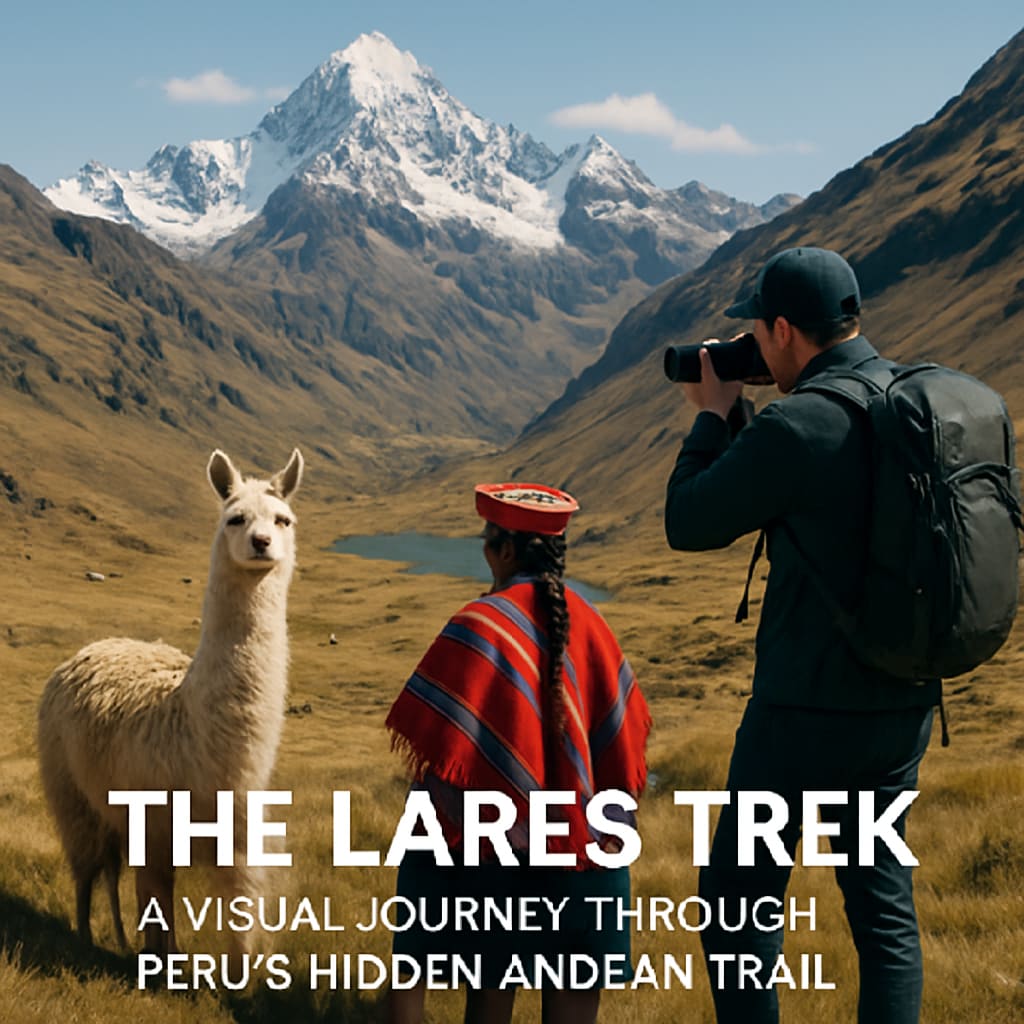
If you're a photographer seeking both breathtaking landscapes and cultural authenticity, the Lares Trek to Machu Picchu offers an unmatched visual experience. Tucked away from the crowds of the Inca Trail, this alternative trek immerses you in the untouched beauty of the Andes while guiding you through villages where centuries-old traditions still thrive. Whether you're an amateur with a smartphone or a professional carrying a DSLR, the Lares Trek Peru will reward you with stunning shots—if you know where and how to look.
In this guide, we’ll share essential tips, gear suggestions, and must-capture moments to help you make the most of your photography adventure on the Lares Trek.
1. Understanding the Lares Trek: Why It’s a Photographer’s Dream
Unlike the more popular routes to Machu Picchu, the Lares Trek Peru offers a quieter, more culturally immersive experience. The route passes through high mountain passes, emerald lakes, ancient farmlands, and remote Andean villages where you’ll meet local Quechua-speaking communities. The trek typically spans 3 to 5 days before connecting to Machu Picchu via train.
Here’s what makes it especially appealing for photographers:
Diverse landscapes: Snow-capped peaks, valleys, lagoons, and terraced farmlands.
Rich cultural interaction: Locals in vibrant traditional clothing, weaving, and farming.
Wildlife opportunities: Llamas, alpacas, and possibly Andean condors.
Golden hour magic: Crisp, high-altitude light during sunrise and sunset.
2. Must-Capture Moments on the Lares Trek
📍Patacancha and Huacahuasi Villages
These traditional Andean villages are teeming with photographic opportunities. Capture portraits of local weavers working their looms, elders tending to llamas, and children playing near their adobe homes.
📍 Ipsaycocha Lake
This turquoise alpine lake, surrounded by towering peaks, offers mirror-like reflections in the early morning light. It’s a fantastic location for landscape shots and long exposures.
📍 Mountain Passes (over 4,500 meters)
Sweeping panoramic views make these spots ideal for wide-angle shots. Be sure to stop and capture the dramatic vistas of snow-capped mountains and winding paths below.
📍 The Train Journey to Machu Picchu
After the trek, the train ride to Aguas Calientes offers unique perspectives of the Sacred Valley and the Urubamba River. Take this opportunity for dynamic motion shots or quiet landscape compositions from the window.
3. Gear Recommendations for High-Altitude Photography
Shooting at high altitudes and remote locations like the Lares Trek to Machu Picchu requires thoughtful preparation. Here’s what to pack:
Camera body: A lightweight mirrorless camera (e.g., Sony A7C or Fujifilm XT-4) balances quality and portability.
Lenses:
Wide-angle (16-35mm) for landscapes.
Portrait (50mm or 85mm) for cultural shots.
Zoom (70-200mm) for distant wildlife or peaks.
Tripod: A compact carbon-fiber tripod is great for long exposure and night shots.
ND Filters: Help with high-contrast scenes and long-exposure photography near water.
Extra batteries: Cold temperatures at high elevations drain batteries faster—bring at least 3–4.
Weather protection: Waterproof camera bag and lens covers are essential.
4. Tips for Capturing Stunning Photos
Time Your Shots
The early mornings and late afternoons offer the best light. Plan to start trekking early and pause during golden hour to shoot landscapes.
Respect the Culture
When photographing people, always ask for permission, preferably through your guide if there’s a language barrier. A simple smile and “¿Puedo tomar una foto?” go a long way.
Embrace All Weather
Mist, fog, or even snowfall can add mystique to your images. Don’t shy away from cloudy days—they often produce softer light and more moody photos.
Go Beyond the Obvious
While the mountain views are spectacular, don’t miss the smaller details: weathered hands weaving wool, colorful textiles drying in the wind, or footsteps in the snow.
5. Editing Tips for Lares Trek Photos
Post-processing can bring out the richness of the Andes. A few suggestions:
Boost vibrancy slightly to enhance the bright traditional clothing.
Use graduated filters in Lightroom to balance dramatic skies.
Sharpen details in textiles and landscapes to emphasize texture.
Maintain a natural look—don’t oversaturate or over-process.
6. Final Thoughts
The Lares Trek Peru is more than just a route to Machu Picchu—it's a living storybook of tradition, wilderness, and resilience. For photographers, this journey offers a blend of epic scenery and human connection that’s hard to find anywhere else in the world.
Whether you're aiming to build a travel portfolio, create content for social media, or simply capture memories for yourself, the Lares Trek to Machu Picchu will fill your lens with moments worth remembering.
About the Creator
Encuentros Peru Adventure
Encuentros Peru Adventure offers an extensive array of excursions, encompassing cultural expeditions, gentle to moderate hikes, and adrenaline-pumping adventure sports activities.
Keep reading
More stories from Encuentros Peru Adventure and writers in Wander and other communities.
Skip the Crowds: Best Treks and Tours to Machu Picchu Without the Inca Trail
Machu Picchu is one of the world’s most sought-after travel destinations — but getting there doesn’t always mean walking the famous Inca Trail or the popular Salkantay route. Whether you're looking for fewer crowds, more cultural immersion, or a more adventurous path, there are several alternative treks and tours that offer unique experiences en route to this iconic Inca citadel.
By Encuentros Peru Adventure11 months ago in Wander
Worth the Wait: Puerto Viejo, Costa Rica
Beach bumming in a small Caribbean beach town sounded like a perfect way to end our 6-month trip through Mexico and Central America. Or so we thought. The foul, fishy stench of rotten seaweed hit our nostrils as we stepped from the cramped bus and looked out at a rather depressing, empty, and underwhelming black sand beach. It was pouring with rain, and we had to quickly fish out our ponchos. We thought, this couldn’t be it, could it?
By Sh*t Happens - Lost Girl Travel8 days ago in Wander
Lost in Translation: How Getting It Wrong in Asia Taught Me How to Travel Right
My first morning in Hanoi started with a sensory assault. I was sitting on a tiny blue plastic stool, knees touching my chin, watching a woman whisk an egg yolk into a cup of robusta coffee. The air smelled of charcoal smoke, cilantro, and exhaust fumes. It was chaotic, loud, and utterly mesmerizing.
By Eleni N. Markou5 days ago in Wander
TUS NUA - ch 53
TUS NUA – ch 53 New Beginnings – Mia and Midnight (*)(*)(*) Finola knew Ali’s brother-in-law needed to put his mind at rest. She fed her arm through his and led him outside. “We’ll sit here. If you like, I can put a block around us so our conversation will be private.”
By Margaret Brennan6 days ago in Fiction




Comments
There are no comments for this story
Be the first to respond and start the conversation.