
Discover Kintamani: A Must-Visit Destination in Bali
Enjoy a quieter and more refreshing side of Bali by exploring the beauty of Kintamani
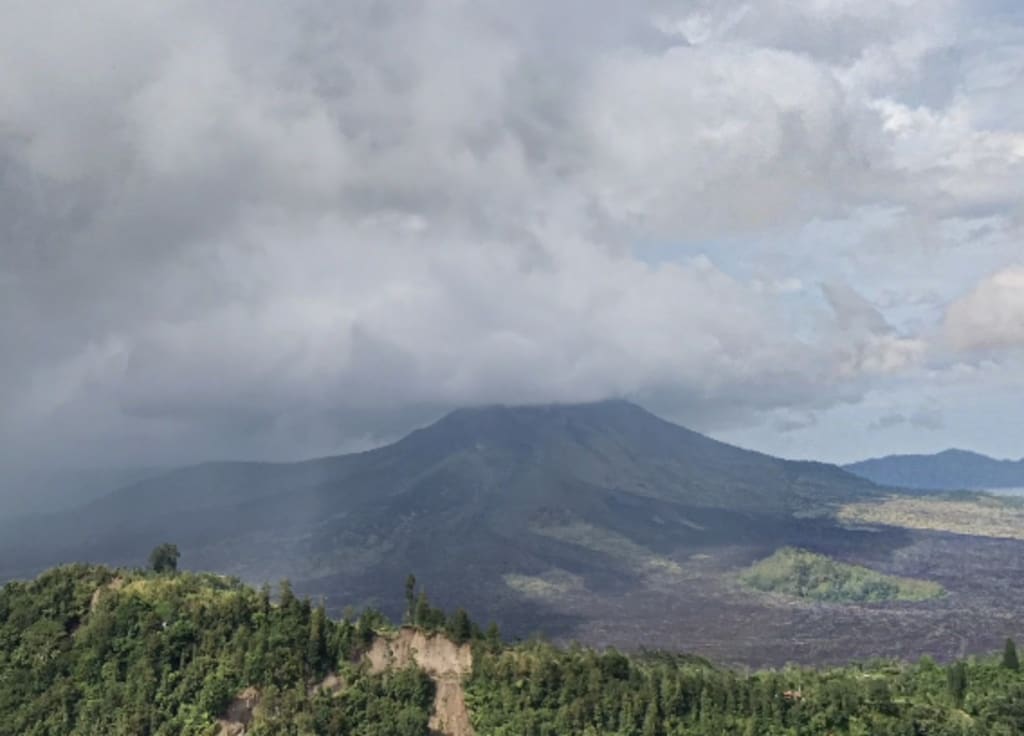
Bali remains one of the most popular destinations for travelers, both domestic and international. As of April 2024, more than 6 million tourists have visited the island. Bali's charm never fades, offering a rich cultural heritage and breathtaking tourist spots. One must-visit destination is Kintamani, a scenic area in Bangli Regency that boasts incredible natural beauty. Surrounded by the majestic Mount Batur and the serene Lake Batur, Kintamani is also known for its cool and refreshing climate. Additionally, it is home to the unique Trunyan Cemetery, where the indigenous Bali Aga people practice a distinct burial tradition. For those seeking a more peaceful and refreshing side of Bali, Kintamani is the perfect choice. With its stunning landscapes and tranquil atmosphere, this destination offers a unique and serene getaway, different from Bali’s more crowded tourist areas.
1. The Beauty of Mount and Lake Batur

One of Kintamani’s main attractions is Mount Batur, an active volcano that offers a breathtaking sunrise trekking experience. The hike to the summit usually begins in the early hours of the morning, allowing visitors to witness the spectacular sunrise from the peak. For those who prefer not to trek on foot, off-road jeeps are available for rent, providing a more comfortable way to reach the best sunrise viewpoints.
At the foot of Mount Batur lies Lake Batur, the largest volcanic lake in Bali, offering a serene landscape with its crystal-clear waters surrounded by lush green hills. Visitors can relax by the lakeside, rent a boat to explore its waters, or try fishing in designated spots. The lake is also a vital resource for the local community, supporting fish farms and traditional fishing activities that visitors can observe.
2. Culinary Delights with Stunning Views
Kintamani is also famous for its culinary experiences, where visitors can enjoy delicious meals while admiring breathtaking views of Mount and Lake Batur. Many restaurants and cafés in the area are built on hilltops or cliffs, providing panoramic vistas of the mountainous landscape.
One of the most sought-after local dishes is Mujair Nyat-Nyat, a traditional Balinese fish dish made with fresh tilapia, cooked in rich Balinese spices, and served with rice. Enjoying this flavorful meal while surrounded by the refreshing highland air makes for an unforgettable dining experience.
3. Hot Springs
After exploring the natural beauty of Kintamani, visitors can unwind at the natural hot springs located near Lake Batur. The hot springs, sourced from Mount Batur’s volcanic activity, contain various minerals believed to offer health benefits, such as reducing stress, relieving muscle pain, and improving blood circulation.
Several hot spring resorts in Kintamani offer pools with different temperature levels, from warm to hot, catering to visitors’ preferences. The entrance fee is relatively affordable, making it a highly recommended spot for relaxation while soaking in the breathtaking views of the surrounding lake and mountains.
4. Trunyan Village: The Unique Culture of the Bali Aga

Beyond its natural beauty, Kintamani is also home to a fascinating cultural heritage, most notably found in Trunyan Village. This village is inhabited by the Bali Aga, the indigenous Balinese people who have preserved their ancestral traditions for centuries.
One of Trunyan’s most well-known customs is its unique burial tradition. Unlike other Balinese communities that practice cremation or traditional burial, the people of Trunyan place their deceased on the ground, beneath the sacred Taru Menyan tree. This tree emits a natural fragrance that neutralizes any odor from the bodies, keeping the area surprisingly clean and free from unpleasant smells.
Visitors wishinWg to explore Trunyan Village must take a boat across Lake Batur, as the village is accessible only by water. Aside from witnessing the intriguing burial practice, tourists can also experience the daily life of the Bali Aga people, who continue to live traditionally with minimal influence from modernization.
About the Creator
Keep reading
More stories from writers in Wander and other communities.
City thrice holy
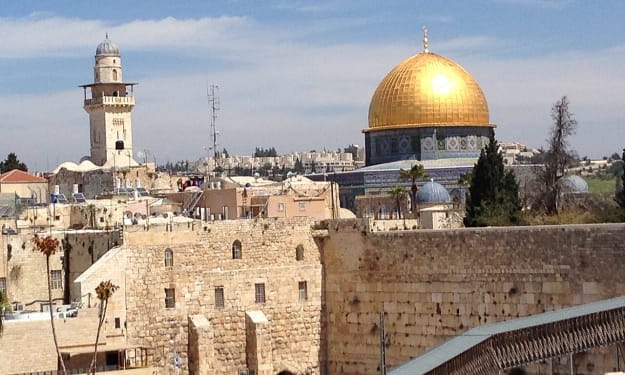
My visit to Israel in the 1990s felt like a homecoming. Don’t ask me why. A quick tour of Jerusalem took in many historic and religious sites. Not least the excavations beside the Western (or Wailing) Wall. Here, becloaked scholars read ancient Hebrew scrolls, praying with their voices, hearts, minds and bodies. Here, Roman street divides modern office and apartment blocks. Here, east meets west, Jew lives alongside Arab. Here the most holy of Christian monuments has a church that is bisected by a line cutting through two walls, floor, ceiling and alter. One side Catholic, the other Greek Orthodox.
By Raymond G. Taylor7 days ago in Wander
Five—One Grounding
Five—Locked in a perpetual battle against my failing senses and reason, I fight to survive, to get through; I am afraid of... nothingandeverythingallatonce—...—my mouth is dry, and my muscles seize up... what can I see? I can see the birdcage and birds; I can see the watercolour my beautiful wife painted many years ago and unlocked her journey into art; I can see the empty mug of tea as it sits perilously on the arm of the sofa; how many is that now? Three down, two to go; I can also see a jackdaw on the roof of our neighbour's house across the road and a bookcase of potential—Five things you can see.
By Paul Stewart5 days ago in Poets



Comments
There are no comments for this story
Be the first to respond and start the conversation.