
A Backpack, a Trail, and the People Who Refused to Make It Boring
Built for Trails, Tested by Reality

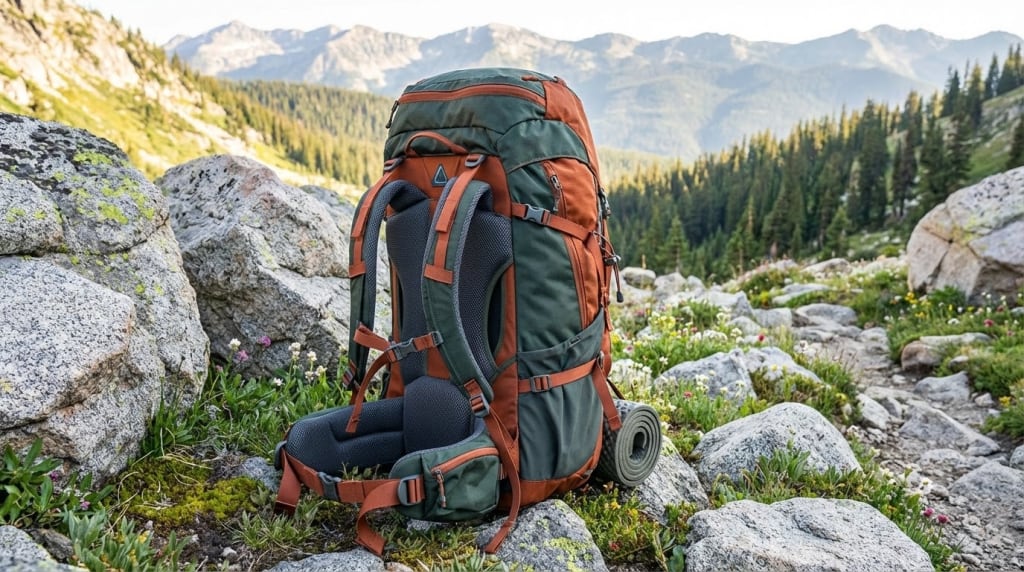
Somewhere between a sketchbook full of oddly shaped pockets and a muddy trail that smells faintly of pine and ambition, a small team decided backpacks deserved more respect. Not the dramatic, museum-style respect — but the kind that comes from knowing a zipper might be opened three hundred times in a single weekend and still needs to behave itself.
This story isn’t about a hero hiker conquering a legendary summit. It’s about the people behind the scenes who quietly make sure that hiker doesn’t lose their water bottle, patience, or sense of humor along the way.
They work in a place that could politely be called a workshop and realistically be called a chaos zone of fabric rolls, half-finished packs, coffee mugs, and heated debates about whether a pocket should be five centimeters higher “for ergonomics” or lower “because vibes.” This is where a hiking backpack manufacturer earns its reputation — one tiny design argument at a time.
Design Meetings Powered by Snacks and Strong Opinions
Design meetings usually begin with good intentions and end with someone dramatically loading fifteen pounds of random objects into a prototype “just to see what happens.” This is not recklessness. This is science.
The designers believe a backpack should feel like a helpful companion, not an overbearing reminder of gravity. They obsess over balance, ventilation, and access points with the seriousness of philosophers debating the meaning of life — except the life question is usually, “Why is the headlamp never where you think it is?”
Every pocket has a reason to exist. Some pockets are obvious. Others are controversial. There was once a heated discussion about a slim side pocket intended specifically for trash so hikers wouldn’t shove used wrappers next to clean socks and feel shame later. The pocket survived. The shame was reduced.
Materials That Have Seen Some Things
The fabrics chosen are not delicate souls. They are tested against abrasion, rain, sun, cold, and that one unavoidable moment when a pack is dragged across a rock because pride outweighed caution.
Weight matters, but so does trust. Nobody wants a pack that saves a few grams but gives up emotionally halfway through a trip. So the materials strike a careful balance: light enough to forget about, tough enough to forgive bad decisions.
Zippers are treated with deep suspicion. Every zipper is pulled, yanked, frozen, warmed, and pulled again. If it fails, it is quietly removed from consideration and never spoken of again. The survivors earn their place.
Fit: The Difference Between Adventure and Regret
Fit is where things get personal. The people behind these packs know that shoulders come in many shapes, hips have opinions, and backs absolutely remember when they’ve been wronged.
Adjustability is sacred. Straps are shaped, padded, and positioned so weight sits where it should — mostly on the hips, not emotionally on the shoulders. Ventilation channels are designed so air can move freely, because no one enjoys the feeling of carrying a small sauna uphill.
A good pack doesn’t announce itself every five minutes. It just does its job quietly while the wearer thinks about views, snacks, or whether that distant cloud looks suspicious.
Field Testing: Reality Has No Filter
Lab tests are polite. Trails are honest.
Prototypes are sent out with real people — hikers who trip, sweat, forget to pack correctly, and absolutely will not read instructions. Feedback returns in the form of notes, photos, voice messages, and the occasional dramatic sentence like, “Everything was great except that one buckle which betrayed me emotionally.”
This feedback matters. Small changes follow. Stitching is reinforced. Angles are adjusted. A strap is moved half an inch and suddenly the pack feels like it was listening all along.
Some packs come back scratched, muddy, and proud. Those are considered successful trials.
Sustainability Without the Lecture
Caring about the outdoors isn’t optional when your entire existence depends on it. Materials are chosen with long-term impact in mind. Waste is reduced wherever possible. Repair is encouraged instead of quietly discouraged.
A worn pack isn’t a failure; it’s proof of use. Replacement parts are available. Repair guides are written in plain language, without guilt or judgment. Fixing gear is framed as practical, not heroic — though it sometimes feels heroic anyway.
This mindset comes from understanding that trails last longer when people take responsibility for what they carry on them.
Guidance That Sounds Like a Friend, Not a Sales Pitch
When asked for advice, the team behind the packs doesn’t push the biggest or most complicated option. They ask questions.
How long is the trip?
What do you actually carry?
Do you like organization, or are you emotionally attached to chaos?
A day hike pack should feel light and easy. An overnight pack should feel steady and forgiving. A multi-day pack should feel like a loyal assistant who never complains and always keeps snacks within reach.
The goal is comfort, not bragging rights.
The Quiet Satisfaction of a Well-Made Pack
At the end of the day, a good backpack doesn’t demand attention. It doesn’t sparkle. It doesn’t need explaining. It just works — mile after mile, trip after trip.
That’s the quiet pride of a hiking backpack manufacturer who understands that the best gear disappears once it’s on your back. All that’s left is the trail ahead, steady steps, and the comforting knowledge that nothing important is rattling loose behind you.
And maybe, just maybe, one perfectly placed pocket holding exactly what you need.
About the Creator
Worth the Wait: Puerto Viejo, Costa Rica
Beach bumming in a small Caribbean beach town sounded like a perfect way to end our 6-month trip through Mexico and Central America. Or so we thought. The foul, fishy stench of rotten seaweed hit our nostrils as we stepped from the cramped bus and looked out at a rather depressing, empty, and underwhelming black sand beach. It was pouring with rain, and we had to quickly fish out our ponchos. We thought, this couldn’t be it, could it?
By Sh*t Happens - Lost Girl Travel5 days ago in Wander
Early March 2026: 4 Goals Accomplished
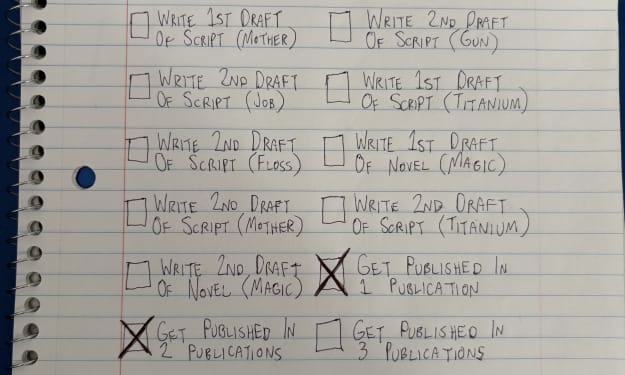
It's early March and I've now accomplished my 4th writing goal for the year of 2026. Before diving into the behind-the-scenes of it... why not tell you up front what that accomplishment was? I was published in a 2nd publication for this year. Published in Helix Literary Magazine out of Central Connecticut State University. You can read it for free right now!
By Stephen Kramer Avitabile5 days ago in Writers



Comments
There are no comments for this story
Be the first to respond and start the conversation.