
Cu Chi Tunnels Vietnam: Journey Into the Underground Legacy of War
Walking through these narrow, dark passages is like stepping back in time, offering an unforgettable blend of adventure, education, and reflection.

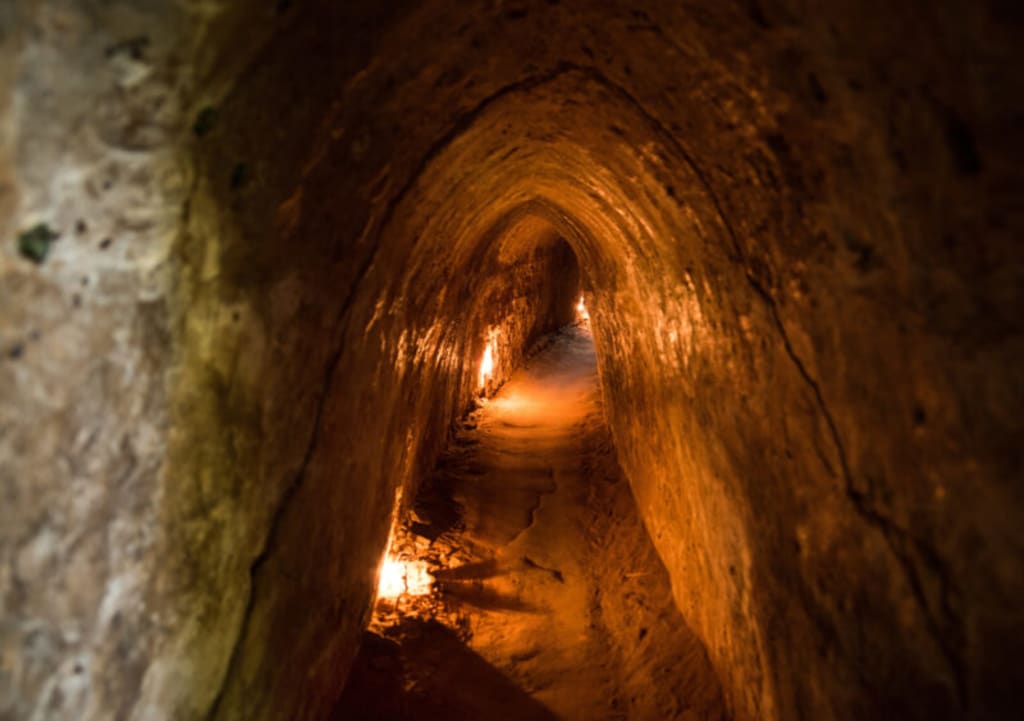
Just outside Ho Chi Minh City lies a hidden labyrinth that tells one of the most remarkable stories of human endurance. The CuChi Tunnels are not just a historical site — they are a living testament to the resilience and ingenuity of the Viet Cong during the Vietnam War. Walking through these narrow, dark passages is like stepping back in time, offering an unforgettable blend of adventure, education, and reflection.
Here’s everything you need to know about exploring this unique Vietnamese landmark.
1. A Living History Beneath the Surface
The Cu Chi Tunnels were first dug in the late 1940s during Vietnam’s resistance against French colonial rule. During the Vietnam War, they expanded into an extensive underground network spanning over 250 kilometers, connecting villages, hideouts, and strategic points.
These tunnels weren’t just military installations — they were homes, hospitals, kitchens, and meeting spaces for soldiers and their families. Life underground was harsh: cramped spaces, low light, and constant danger. Today, visiting the tunnels allows you to experience the ingenuity and survival skills that helped the Viet Cong resist for decades.
2. What to Expect Inside the Tunnels
Visitors explore sections like Ben Dinh and Ben Duoc, where the tunnels are widened for safety while retaining authenticity. A typical tour includes:
Crawling through narrow tunnels to feel the cramped conditions soldiers endured
Exploring hidden kitchens, bedrooms, and hospitals built underground
Seeing booby traps and camouflaged entrances designed for defense
Optional shooting experiences with wartime rifles at designated ranges
Above ground, exhibits explain tunnel strategies, daily life, and wartime tactics. The combination of storytelling, physical experience, and historical context makes it one of Vietnam’s most immersive attractions.
3. Best Time to Visit Cu Chi
The tunnels are open year-round, but conditions vary:
Dry Season (Dec–Apr): Ideal for comfortable walking, minimal rain, and clear skies.
Rainy Season (May–Nov): Lush greenery and waterfalls nearby, but trails can be muddy.
For a quieter visit, aim for morning tours before the influx of buses from Ho Chi Minh City.
4. How to Reach Cu Chi Tunnels
From Ho Chi Minh City: About 40 km northwest; 1–1.5 hours by car or taxi.
By Bus: Bus No. 13 from Ben Thanh Station connects to Cu Chi; then transfer to Bus 79.
Guided Tours: Most visitors choose half-day or full-day tours including transport, entrance, and a local guide.
Ben Dinh is closer to the city and more tourist-friendly, while Ben Duoc offers a larger, less crowded, and more authentic experience.
5. Practical Tips for Visitors
Claustrophobia: Some tunnels are tight; skip crawling if uncomfortable.
Clothing: Wear light, comfortable clothes and closed shoes.
Hydration: Bring water; tropical heat can be dehydrating.
Photography: Limited inside; great photo opportunities outside.
Budget: Entrance fee ~110,000 VND (~₹400), guide included.
6. Nearby Attractions
Combine your Cu Chi visit with:
War Remnants Museum (Ho Chi Minh City): Detailed history and photographs.
Mekong Delta: Floating markets, villages, and riverside landscapes.
Cao Dai Temple (Tay Ninh): A colorful spiritual and architectural stop.
These locations provide context and enhance your understanding of Vietnam’s culture and history.
7. Safety and Tips
Stay with your guide at all times.
Watch your step; some areas can be slippery.
Avoid carrying large bags through the tunnels.
Respect historical artifacts and displays.
8. Why Cu Chi Tunnels Are Unmissable
The Cu Chi Tunnels aren’t just an attraction — they are a window into human resilience, strategy, and survival. Crawling through these passages, seeing the ingenuity of wartime architecture, and hearing the stories from local guides leaves a lasting impression.
If you’re in Ho Chi Minh City, a visit to Cu Chi is more than sightseeing — it’s an experience of history you can feel. The tunnels let you walk, crawl, and explore Vietnam’s past in a way few other sites can offer.
About the Creator
Rohit SEN
Hey! Come along with me to explore beautiful places, learn about different cultures, and share my adventures. Let's Explore together! From a travel lover!
Absolved of All Sins!
We went on a day trip to Armenia with my son and friend Katie to explore its apostolic monasteries. Our first stop, Akhtala Monastery, had a monument to Armenian-Georgian friendship in the form of two rings joined by a pomegranate, the national fruit of both countries.
By Lana V Lynx4 days ago in Wander
Gift of the Epiphany
I have come to love the Mike's monthly unofficial challenges. They spark my imagination and cause me to dig, explore and search out truths. They also cause personal memories of mine to sparkle for a bit. January's challenge was no exception. In fact, the events that I'm now journaling still amaze me because those steps felt so ordered, yet unmistakingly, not mine.
By Shirley Belk6 days ago in Wander


Comments
There are no comments for this story
Be the first to respond and start the conversation.