
Capital Cities of Africa Nouakchott
The capital of the African country of Mauritania
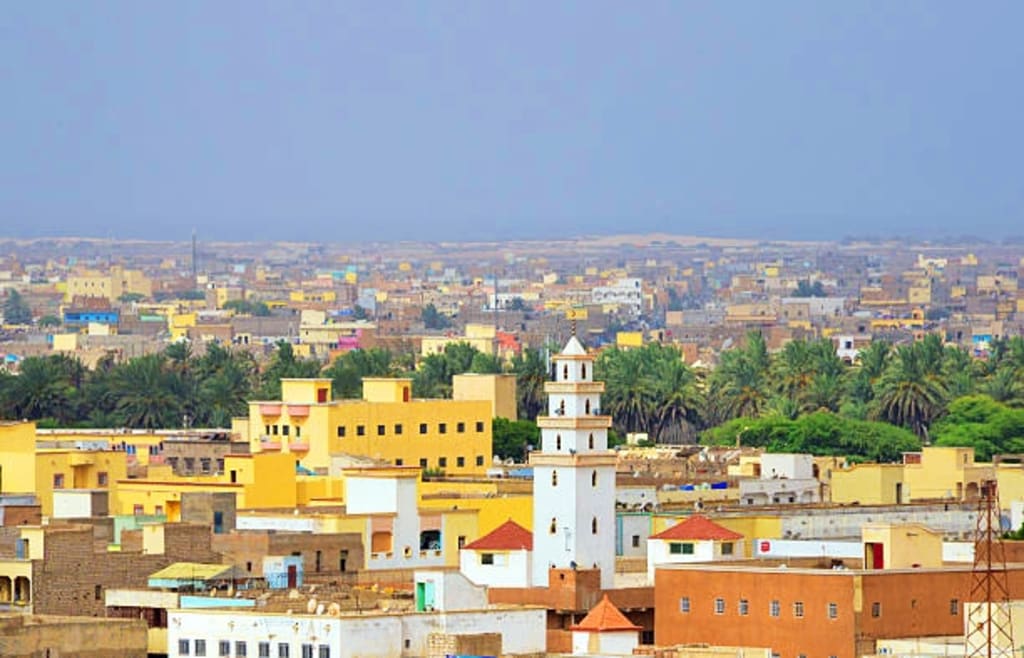
Nouakchott, the vibrant capital city of Mauritania stretching along the Atlantic Ocean.
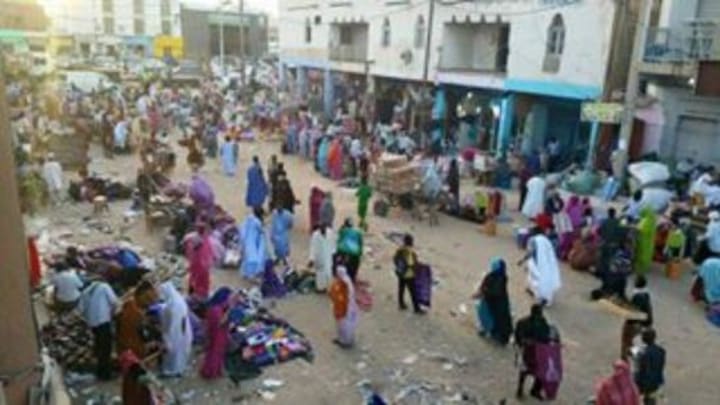
To get an idea about the bustling city and mingle with the locals explore the Souq El Had area and the Marche Capitale. This is a lively martketplace where you can see a large range of goods from traditional Mauritanian crafts and textiles to fresh produce, spices, and traditional delicacies. Visitors can stroll through the narrow lanes, bargain with friendly vendors, and indulge in the sensory experience of the market. It is famous for its vibrant colored fabrics, leather goods, and traditional Mauritanian clothing. Visitors can also find an assortment of local spices, handmade jewelry, and intricate woodwork, showcasing the rich cultural heritage of Mauritania. You can enjoy traditional Mauritanian snacks and delicious street food.
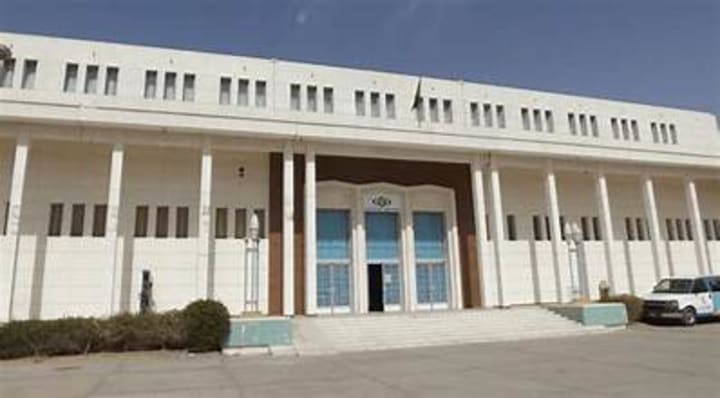
The National Museum of Mauritania has an amazing collection that showcases the rich history of the country and includes ancient artifacts, traditional clothing, and intricate artwork. Among the highlights on display are tools, weapons, and jewelry, that provide insights into the lives of the early inhabitants of the region. These artifacts date back thousands of years and offer a fascinating glimpse into Mauritania's prehistoric past. Here you can see a section that is dedicated to traditional Mauritanian textiles and learn about the traditional practices of local artisans, such as pottery-making and metalwork.
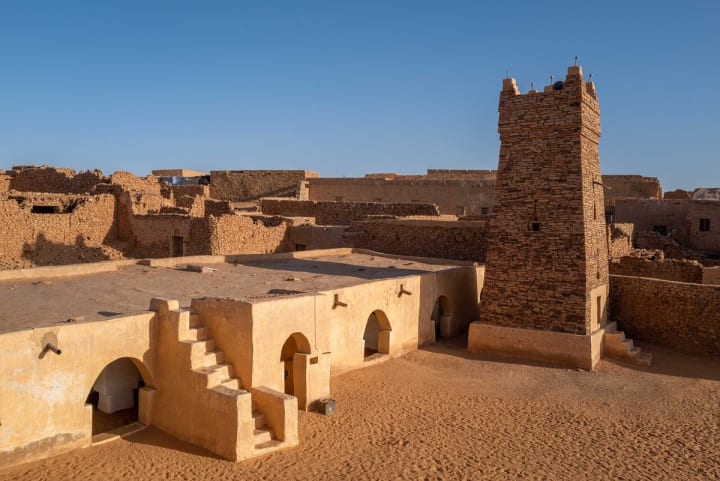
The Chinguetti Mosque is an ancient mosque and a significant religious and historical site, renowned as one of the most important centers of Islamic learning in West Africa. The mosque was built in the 13th century and its architecture reflects both traditional and Islamic influences. The mosque's distinctive structure features a towering minaret, carved wooden doors, and ornate decorations. Visitors can enjoy the inner courtyard decorated with lovely mosaic patterns and palm tree pillars. Inside, the mosque houses a collection of ancient manuscripts, including religious texts and historical documents, showcasing the rich intellectual heritage of the region.
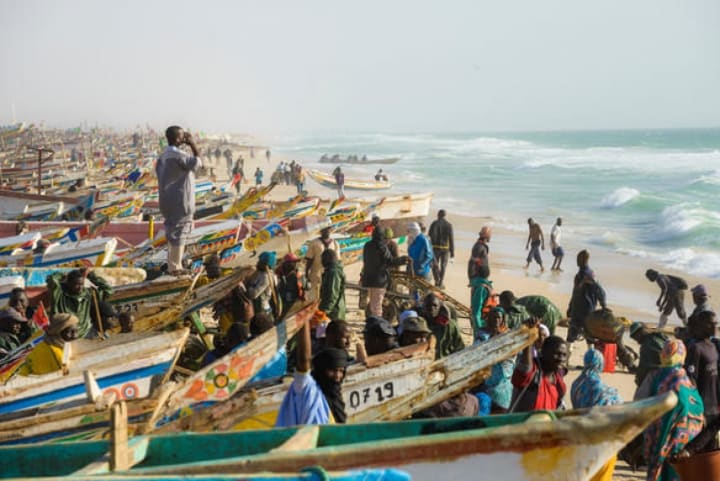
Port de Peche is known for its bustling fish market. The port offers a unique insight into the fishing industry of Mauritania. You can see fishermen bring in their fresh fish.
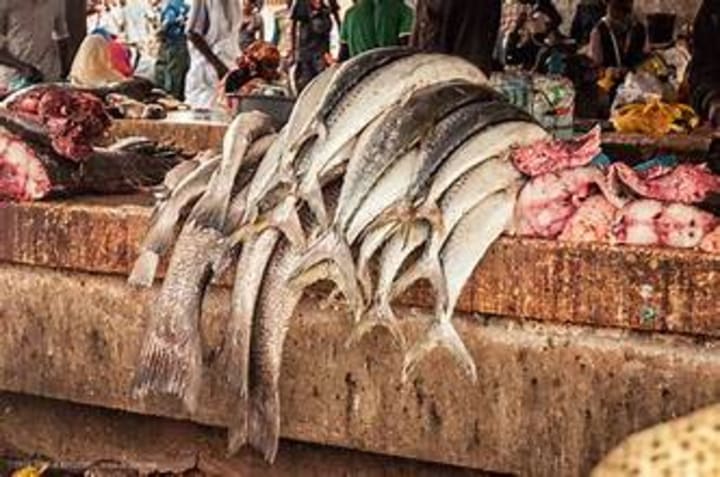
The fish market offers a colorful spectacle, with an abundance of fish and seafood varieties on display, including red mullet, mackerel, sole, and lobster.
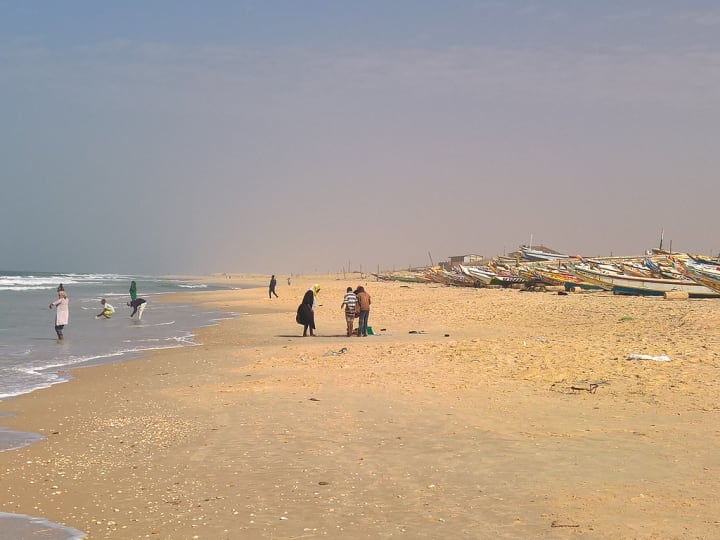
Plage de Nouakchott is a beautiful beach with golden sand and crystal-clear waters. It is a great place for relaxation under the sun, taking a swim, or walking along the shore. Visitors can enjoy the beachfront restaurants and cafes that serve freshly caught seafood while enjoying the picturesque view.
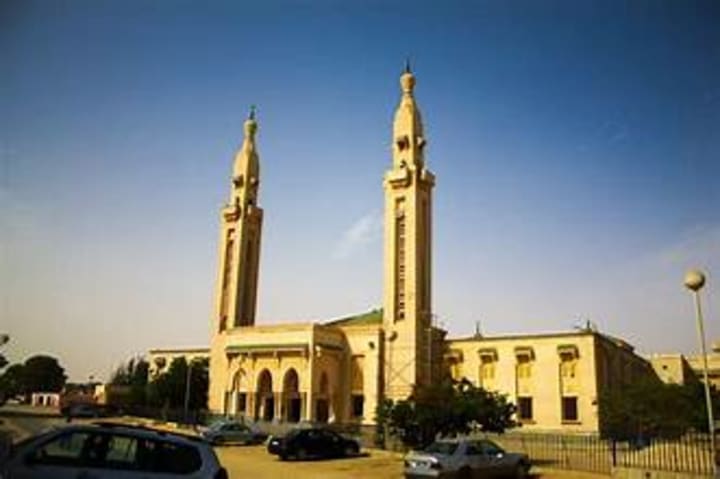
The Central Mosque of Nouakchott, also known as the Mosque Saudique or the Grand Mosque, is one of the top attractions in Nouakchott, Mauritania. This magnificent mosque is a significant religious and cultural landmark in the capital city. It was built in 1961 and is one of the largest in West Africa. It is impressive with its towering minarets and a large dome. The mosque also serves as an important center for Islamic education and cultural events. It houses several classrooms, libraries, and administrative facilities. Visitors can engage with the local community and learn about the rich cultural heritage of Mauritania through various events and gatherings held at the mosque.
The War Memorial commemorates the fallen soldiers who sacrificed their lives for the freedom and independence of the country. It stands tall as a symbol of honor and remembrance. The monument features a prominent statue that depicts a soldier holding the national flag, representing bravery and patriotism.
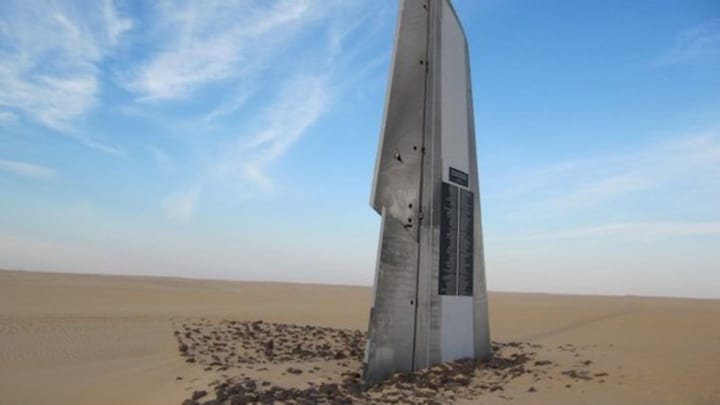
The Sahara Memorial is a symbol of resilience and endurance in the face of the challenging Sahara Desert environment. The memorial serves as a tribute to the indomitable spirit of the Mauritanian people and the countless lives lost in the desert. It highlights the historical and cultural significance of the Sahara Desert in shaping the country's identity. It also offers an opportunity to learn about the nomadic traditions and the cultural heritage of the Mauritanian people. Information boards and exhibits provide insights into the history of desert exploration and the challenges faced by those who traversed the vast Saharan expanse.
The Music Village is a haven for musicians, singers, and performers from all over Mauritania. It serves as a platform for promoting traditional Mauritanian music and fostering the creativity and talent of local artists. Visitors can explore a variety of music genres, including the popular forms of Moorish music, such as the ancient griot tradition and the unique Haratine music.
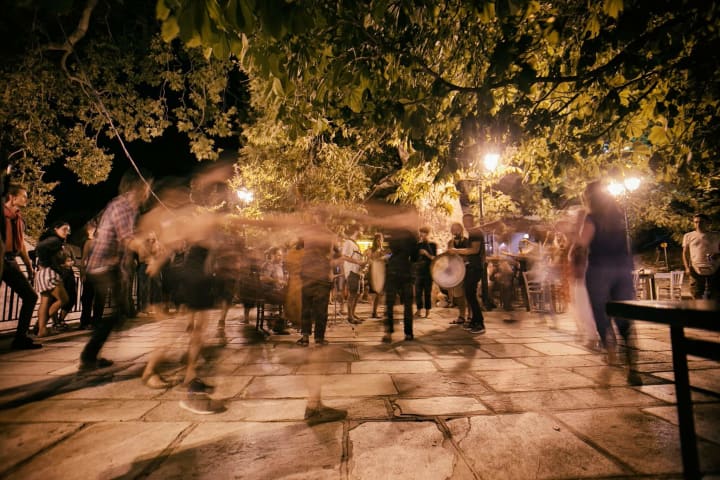
Aside from its musical offerings, the Music Village also features art galleries, workshops, and open-air performances. Visitors can witness traditional music and dance performances, try their hand at playing traditional instruments, and even participate in interactive workshops to learn about the cultural significance of music in Mauritanian society. The Music Village also offers a range of amenities, including cafes, restaurants, and souvenir shops, where visitors can relax and enjoy local delicacies
About the Creator
Rasma Raisters
My passions are writing and creating poetry. I write for several sites online and have four themed blogs on Wordpress. Please follow me on Twitter.
Keep reading
More stories from Rasma Raisters and writers in Wander and other communities.
Capital Cities of Africa Conakry
The Iles de Los are stunning islands. This archipelago consists of the islands of Tamara, Roume, and Kassa. There are sandy beaches and lush mangroves. Both Roume and Kassa have some of the most beautiful beaches in the area with resort hotels.
By Rasma Raisters8 months ago in Wander
Literary Heartbeats
Step through an unassuming storefront in Saratoga Springs, New York. Let the city’s familiar bustle fade behind you. Sink into the creak of hardwood floors as your gaze is drawn toward a labyrinth unfolding, room after room, swollen with stories. This is the Lyrical Ballad Bookstore—a place where literary ghosts linger, and generations of readers, writers, and dreamers have lost themselves amid 200,000 volumes of wonder.
By Kristen Barenthaler2 days ago in Wander
Are Trains in Morocco Kid-Friendly? by Morocco Family Vacation
Traveling with kids often means rethinking everything you take for granted as an adult from transport to meals to pacing. On our family trip to Morocco, one question kept coming up: Are trains in Morocco kid-friendly?
By Ariel Cohen6 days ago in Wander


Comments (1)
The markets in Nouakchott sound amazing. I love exploring places with a wide variety of goods like that. Makes me wonder how the bargaining works there. Do the vendors expect a certain percentage off the asking price? Also, the National Museum sounds really interesting. What kind of stories do those ancient artifacts tell about the early inhabitants?