
Capital Cities of Africa Conakry
The capital of the African country of Guinea

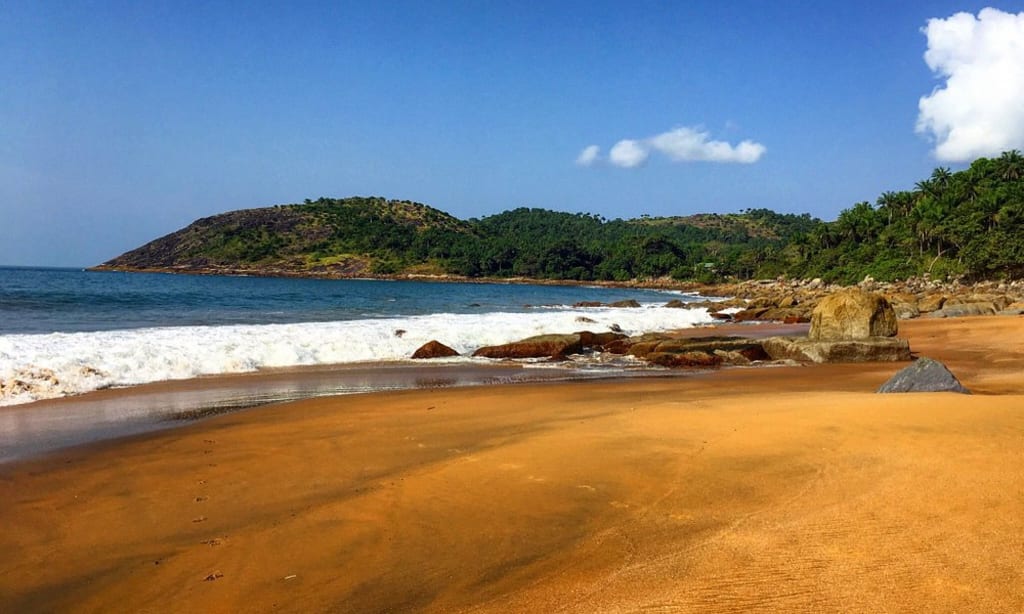
The Iles de Los are stunning islands. This archipelago consists of the islands of Tamara, Roume, and Kassa. There are sandy beaches and lush mangroves. Both Roume and Kassa have some of the most beautiful beaches in the area with resort hotels.
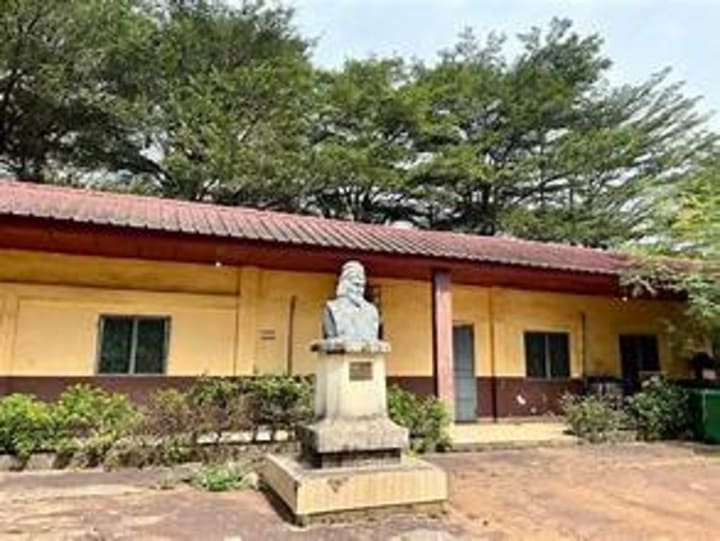
National Museum has an impressive collection of artworks and artifacts that accurately depict the traditions of Guinea’s diverse cultures. It was established in 1959 and serves as a repository for the nation’s artistic and historical artifacts, offering a glimpse into the diverse cultures that have flourished in this West African country. The museum houses a wide array of exhibits, including traditional textiles, ceremonial masks, and various artifacts that highlight the customs and traditions of different ethnic groups in Guinea.

The Grand Mosque is the fourth largest mosque in the world and is a prominent attraction in Guinea. As a place of worship, it has separate sections for men and women to ensure comfort and privacy. It stands as a significant landmark of architectural beauty and cultural importance. As one of the largest mosques in West Africa, it showcases traditional Islamic design, characterized by its grand minarets and spacious prayer halls. The mosque is an essential center for worship and community gatherings, attracting thousands of visitors not only for its spiritual significance but also for its stunning structure.
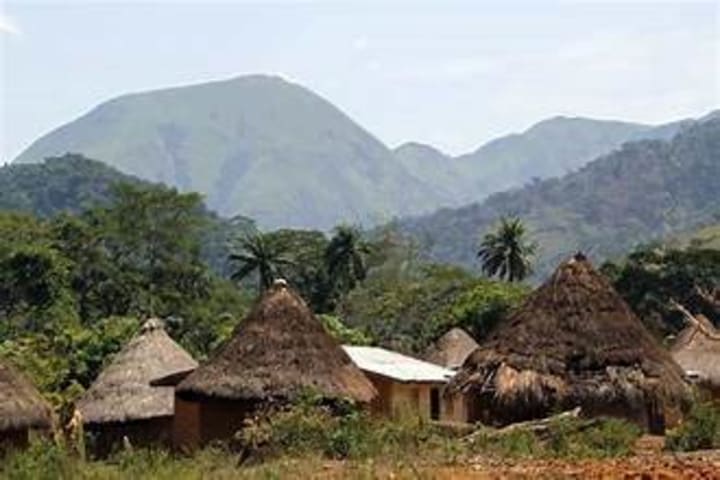
Nimba Range is a mountain range that is 5,700 feet high, and offers amazing views of the sea and clouds from the top. It is best to hire a guide to navigate the terrain to the top.
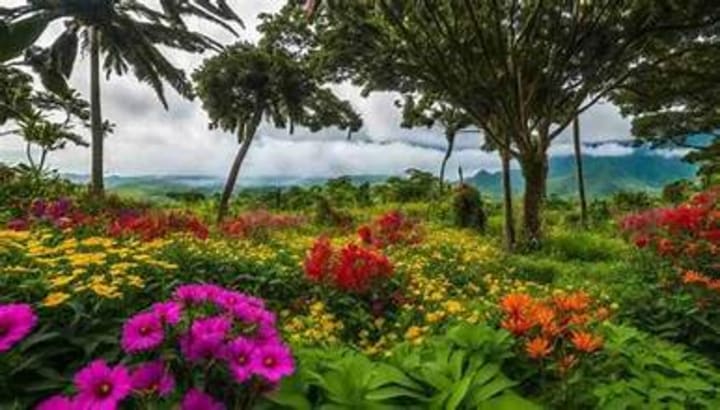
The Botanical Gardens of Conakry, located in the heart of Conakry has a variety of plant species that are native to Guinea and other parts of the worls. There are walking paths to enjoy nature and informative sinage informing about the importance of plant preservation. The gardens also have spaces for relaxation and picnics.
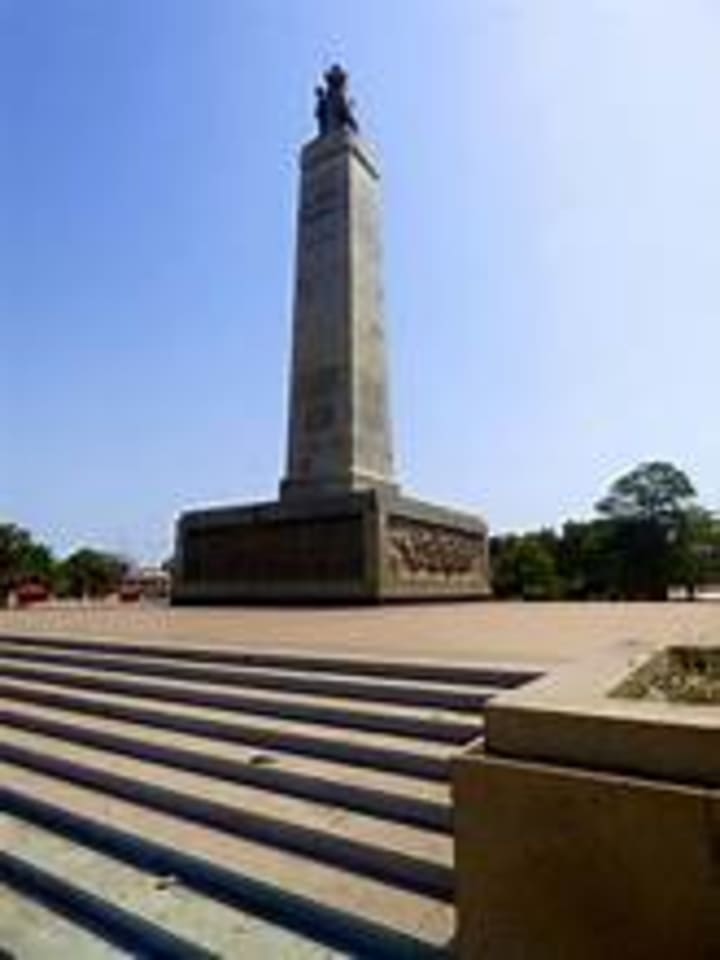
The Monument de la République stands as a poignant symbol of Guinea's national identity and pride.It was built to commemorate the country’s hard-fought independence from colonial rule. The monument stands in the heart of Conakry, featuring a blend of modern and traditional designs, reflecting Guinea's diverse heritage. You can enjoy the surrounding gardens and statues and sculptures depicting significant moments in the history of Guinea.
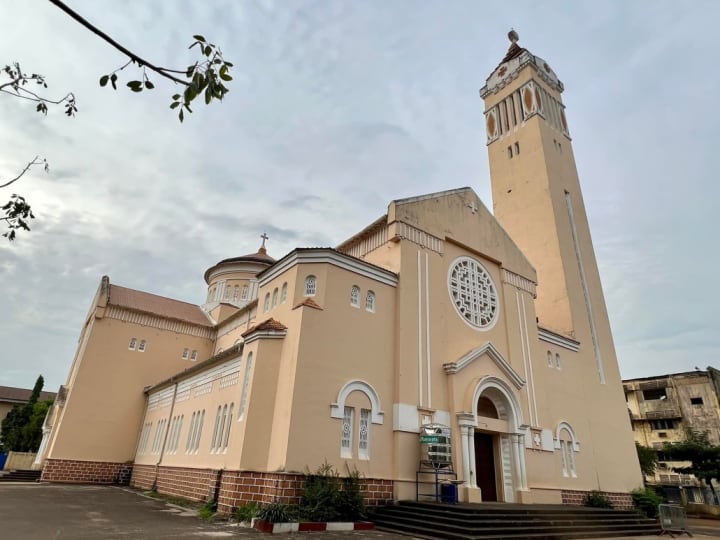
Conakry Cathedral, also known as the Cathedral of St. Mary of Conakry, is a stunning architectural landmark. It was built in the neo-Gothic syle and has impressive stained-glass windows. The grand altar reflects the rich Christian heritage of Guinea.
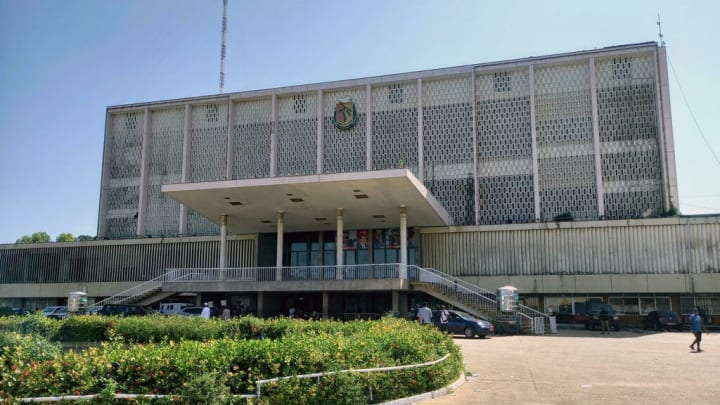
The Palais du Peuple stands as a symbol of national pride and political significance. It serves as the seat of the National Assembly. The building was constructed during the time of President Sékou Touré, making it an important landmark in the political landscape of Guinea. Visitors can admire its unique design reflecting a blend of modernist and traditional African architectural elements.
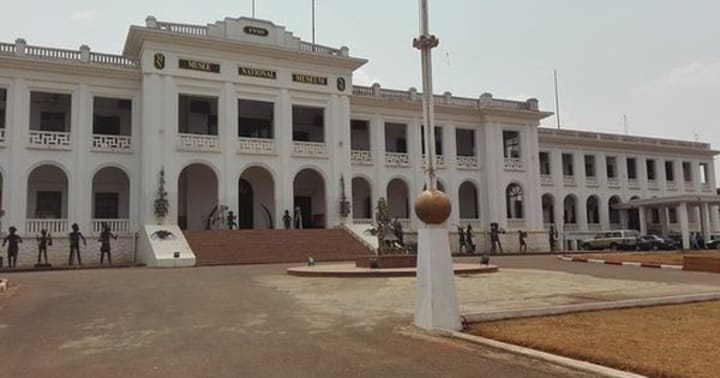
The Presidential Palace is a relatively new building and built in 1998. The lavish, grand-scale building was named Palais Sékhoutouréya as a gesture to the country’s former president, as “Sékhoutouréya” means “at Sékou Touré” in the local Sousou language.
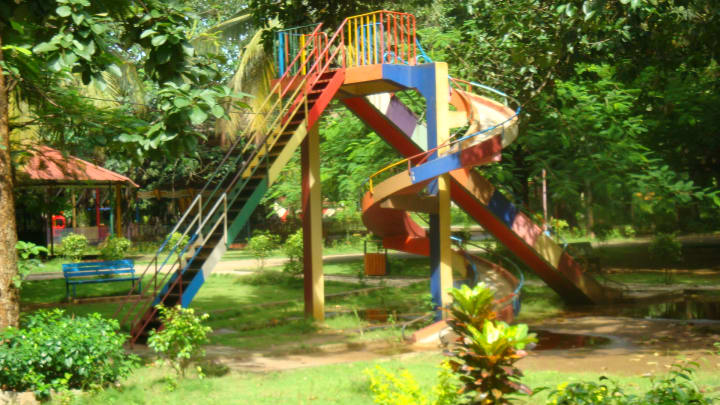
The 2nd October Garden is the only amusement park in Conakry. It includes strange sculptures and recreational equipment. It was renovated in 2009. It is an open-air museum showcasing unusual African art rather than simply a toddler playground. Among the many quirky things you can find here are slides attached to a mustached face-shaped tower, a kitschy fortress-like structure covered with colorful murals, and a large-scale futuristic sculpture of a robot popping out of a nondescript building.
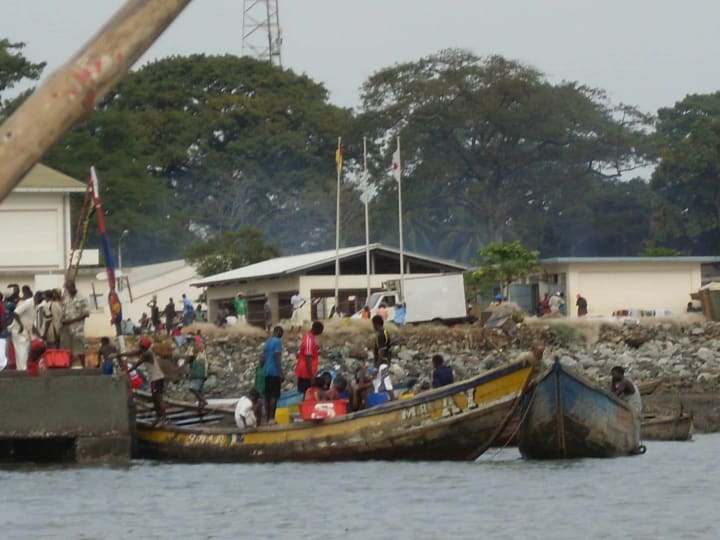
Conakry Fishing Port serves as the primary hub for the country's fishing industry. Set against the backdrop of the Atlantic Ocean, this bustling port is pivotal not only to the local economy but also to the sustenance of many families reliant on fishing for their livelihoods. The port features numerous fishing boats, both traditional and modern, and offers a panoramic view of the city alongside the ocean.
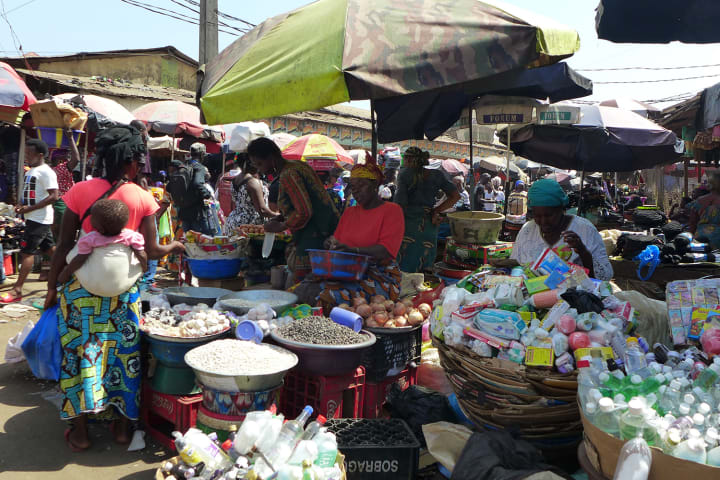
Marche Madina is a bustling market located in the Madina neighborhood. It is one of the largest markets in West Africa. You'll find a large variety of goods ranging from ample agricultural produce and pyramid-shaped piles of spices to traditional African garments and souvenirs, Chinese merchandise, and dozens of street-food stalls.
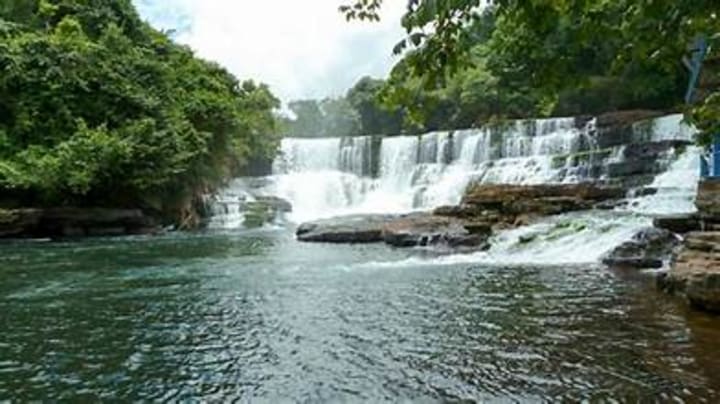
The beautiful waterfalls are located north of the capital in the suburb of Dubreka. The 15-meter-tall waterfalls cascade through a series of naturally formed steps before flowing into a couple of natural pools for swimming. Overlooking the waterfall is a two-story restaurant that offers an assortment of local food, with the dining area positioned on a spacious balcony, offering spectacular views of the waterfalls and the surrounding pools.
About the Creator
Rasma Raisters
My passions are writing and creating poetry. I write for several sites online and have four themed blogs on Wordpress. Please follow me on Twitter.
Keep reading
More stories from Rasma Raisters and writers in Wander and other communities.
Best Zoos in Europe
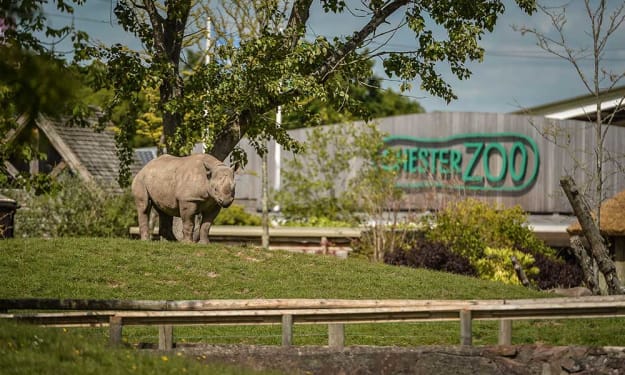
When traveling unless families have children with them they don't usually think of visiting zoos. Here are some of the best zoos around the world that are worth visiting even if you are not traveling with children. These zoos are sure to make you glad you took a look.
By Rasma Raisters10 months ago in Wander
Worth the Wait: Puerto Viejo, Costa Rica
Beach bumming in a small Caribbean beach town sounded like a perfect way to end our 6-month trip through Mexico and Central America. Or so we thought. The foul, fishy stench of rotten seaweed hit our nostrils as we stepped from the cramped bus and looked out at a rather depressing, empty, and underwhelming black sand beach. It was pouring with rain, and we had to quickly fish out our ponchos. We thought, this couldn’t be it, could it?
By Sh*t Happens - Lost Girl Travel6 days ago in Wander



Comments (1)
The Iles de Los sound like a great place to visit. The beaches and mangroves there must be amazing. The National Museum also seems really interesting, with all those artworks and artifacts. I wonder how they've managed to preserve all that cultural history over the years. And the Grand Mosque being so huge and important is quite something. What do you think would be the best way to experience all these places?