
Capital Cities of Africa Dodoma
The capital of the African country of Tanzania

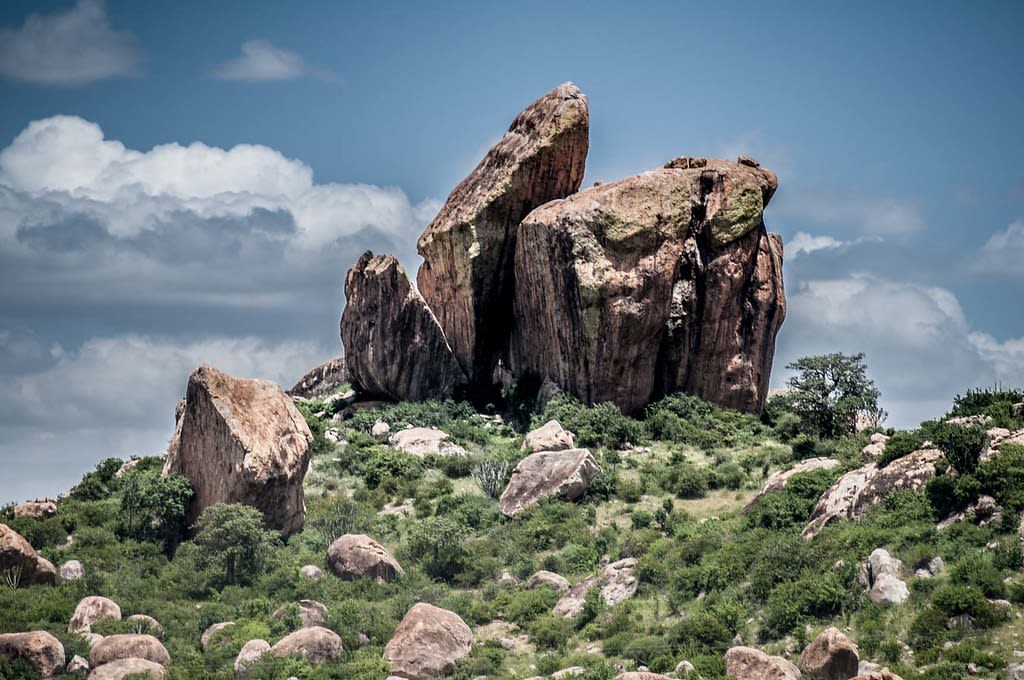
Lion Rock is the city's mos reckognizable landmark. This is a hilly formation the is topped by a few boulders. It can be seen as a backdrop from almost anywhere in the city.
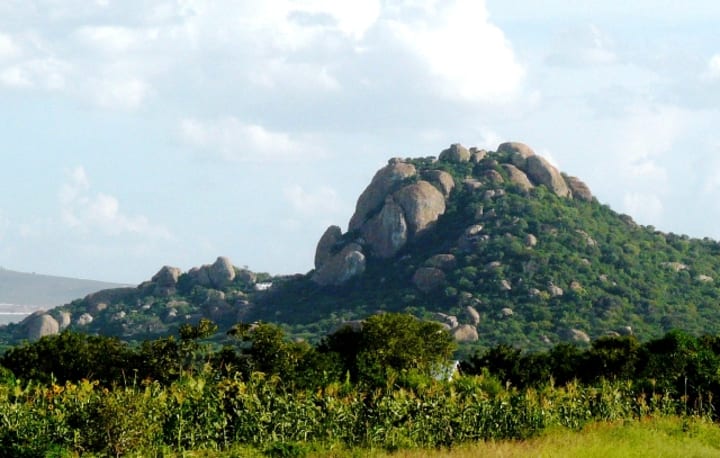
Simba Hill is a great choice for hiking as it takes only three hour to reach the top. From the top are breathtaking views of Dodoma and nearby villages.
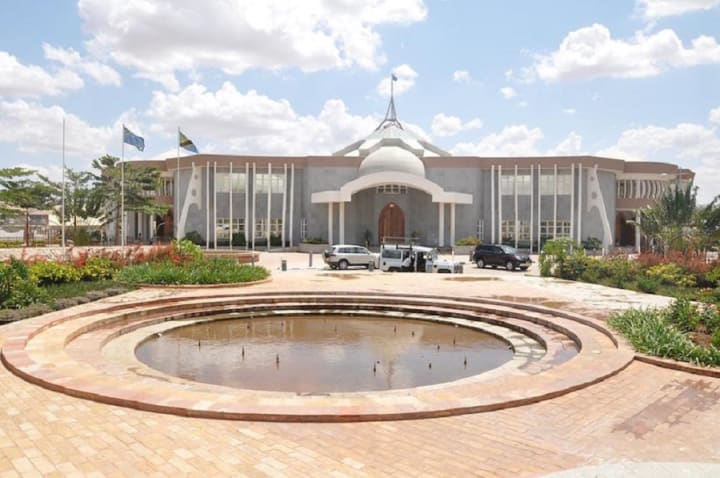
Bunge Dodoma is also known as the Parliament of Tanzania right in the heart of the city. This iconic building serves as the legislative hub of the country. Guided tours are available. The building itself is an architectural masterpiece representing a blend of modern and traditional elements. The interiro has spacious halls, grand meeting rooms, and lovely artwork. The Bunge Dodoma experience allows tourists to witness parliamentary debates and see firsthand how laws and policies are formulated and amended. The parliament complex is surrounded by beautiful gardens where visitors can take a stroll.
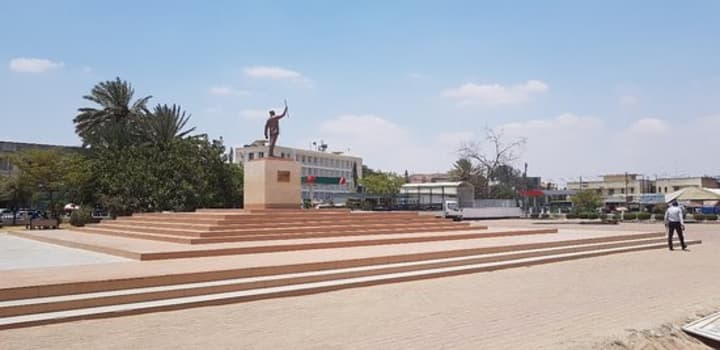
Nyerere Square is named after the founding father of the country, Julius Nyerere. It is the largest public square in East Africa and known of its impressive architecture and significant landmarks. The square is home to government buildings such as the Parliament House.
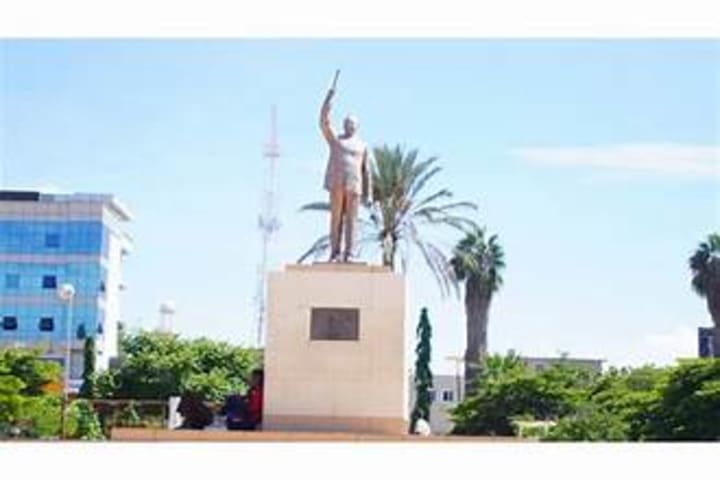
In the center of the square is a towering statue of Julius Nyerere.
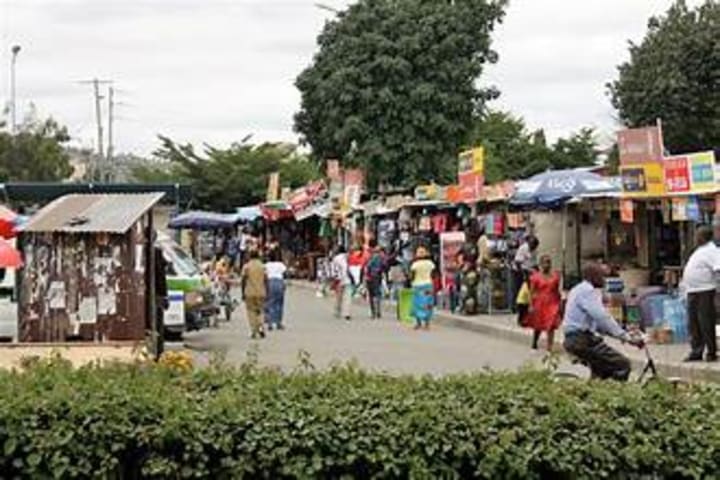
The square serves as a gathering point for locals and tourists alike. Visitors can see traditional performances, explore colorful market stalls, and interact with friendly locals. Nyerere Square offers a range of dining options, from local street food vendors to restaurants serving traditional Tanzanian cuisine.
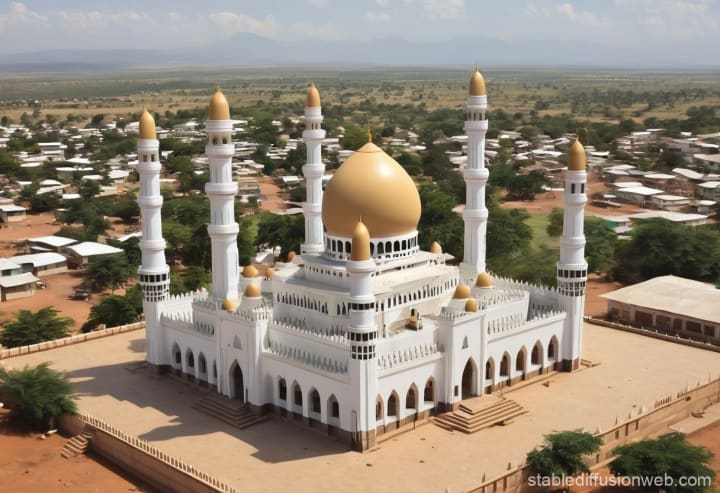
Jamia Mosque is an architectural masterpiece showcasing the rich cultural heritage of the region. It was built in the 1980s and is the largest mosque in the city accomodating thousands of worshippers. It is impressive with its towering minarets and pristine white facade making it a prominent landmark in the city. Visitors can admire the beautiful Arabic calligraphy adorning the walls and intricate designs that adorn the archways and pillars. The mosque's main prayer hall is spacious and beautifully lit, offering a serene atmosphere for prayer and reflection. As a cultural and religious hub, Jamia Mosque also hosts various community events and religious celebrations throughout the year.
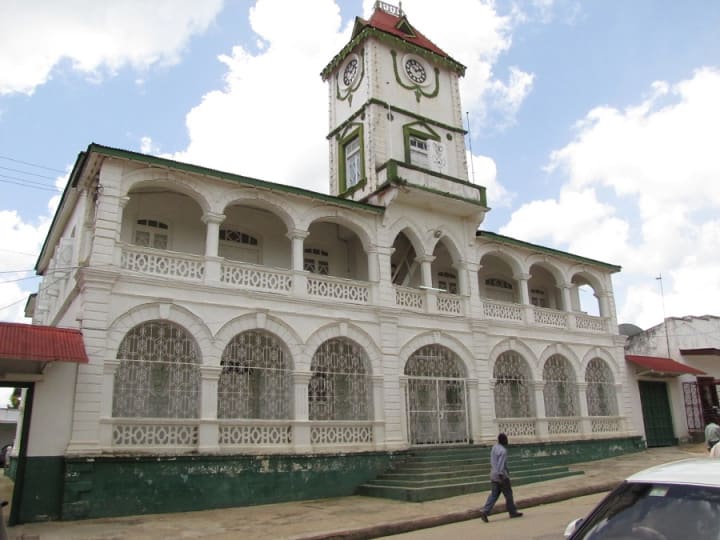
The Ismaili Jamatkhana is a significant religious site that is part of the Shia Ismaili Muslim community. It is known for its impressive architecture. The building features intricate designs, decorative elements, and striking colors, reflecting the rich cultural heritage of the Shia Ismaili community. The Jamatkhana also serves as a gathering place for the Ismaili Muslim community, fostering social connections and cultural exchanges.
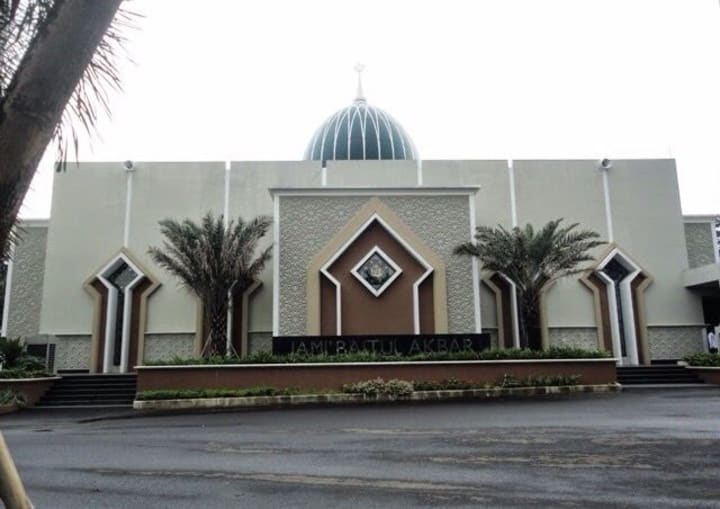
The Hayatul Islamiya Mosque is a modern and architecturally impressive mosque and a significant religious landmark in the country. The mosque showcases remarkable Islamic architecture, with beautiful domes and minarets. Visitors can admire the intricate design and intricate craftsmanship on the interiors, which are adorned with exquisite calligraphy and geometric patterns. The Hayatul Islamiya Mosque is open to tourists who want to learn more about Islamic culture and traditions. The mosque welcomes visitors of all faiths and provides guided tours for those who are interested in exploring its history and architectural features.
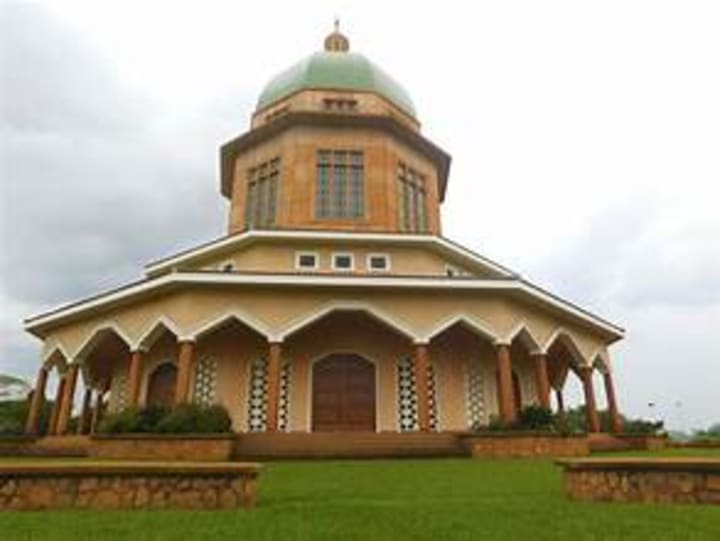
The Bahai House of Worship is also known as the Mashriqu'l-Adhkar. It is the only Bahai temple in East Africa and attracts visitors from all over the world. Its towering dome and stunning gardens create a peaceful and serene atmosphere, ideal for spiritual contemplation and relaxation. It also serves as a center for various community development activities. It promotes education, healthcare, and social advancement, making it an integral part of Dodoma's local community.
The surrounding gardens of the Bahai House of Worship are meticulously maintained, featuring vibrant flowers, trees, and manicured lawns. These gardens provide a tranquil setting for visitors to enjoy a leisurely stroll or engage in meditation.
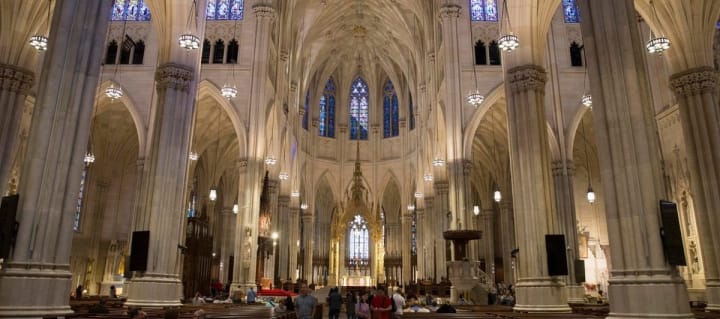
Dodoma Cathedral is a magnificent Roman Catholic cathedral, also known as St. Paul's Cathedral and is renowned for its architectural beauty and significance. The cathedral was built in the early 20th century. The interior of the cathedral is adorned with beautiful stained glass windows, intricate woodwork, and religious artwork that depict Biblical scenes and saints. The spacious nave can comfortably accommodate a large gathering, as it continues to serve as a place of worship for the local Catholic community.
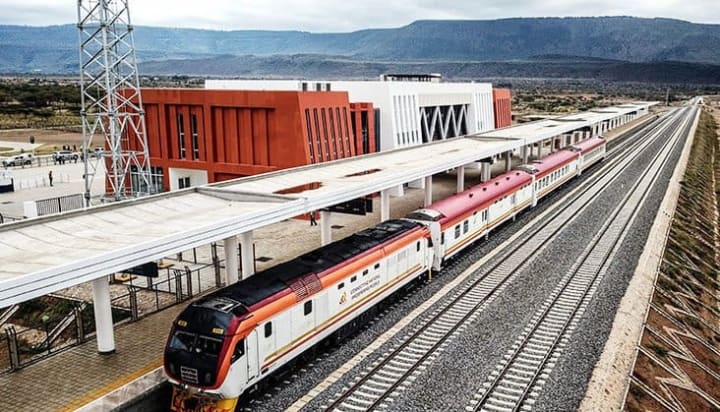
The Tanzania Railways Corporation Building is an iconic structure that is a testament to the country's rich railway heritage and is considered one of the top attractions in Dodoma. It was constructed in the 1900s to house the headquarters of the East African Railways Corporation. It served as a crucial hub during the colonial era, connecting various regions, and facilitating trade and transportation. inside is a museum that offers insights into the rich railway history of Tanzania and the region. Exhibits include historical photographs, artifacts, and interactive displays that showcase the past and present of the railway industry.
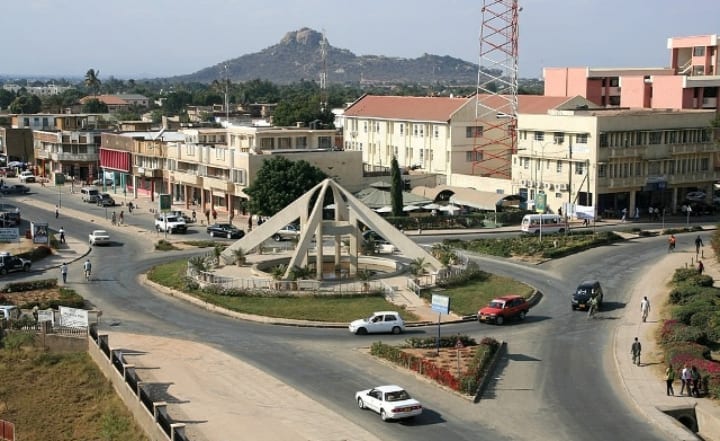
Dodoma City Hall is a historic building that serves as the administrative center for the regional government. Visitors can explore its grand halls and admire the impressive artwork and sculptures on display. The building also has a museum that exhibits the history and development of Dodoma. Here, you can learn about the city's political significance as the capital of Tanzania and its role in shaping the nation. The buildings observation deck offers breathtaking views of the surrounding landscape. The Dodoma City Hall serves as a cultural hub hosting various events and exhibitions, including art shows and cultural festivals.
Kondoa Irangi Rock Paintings
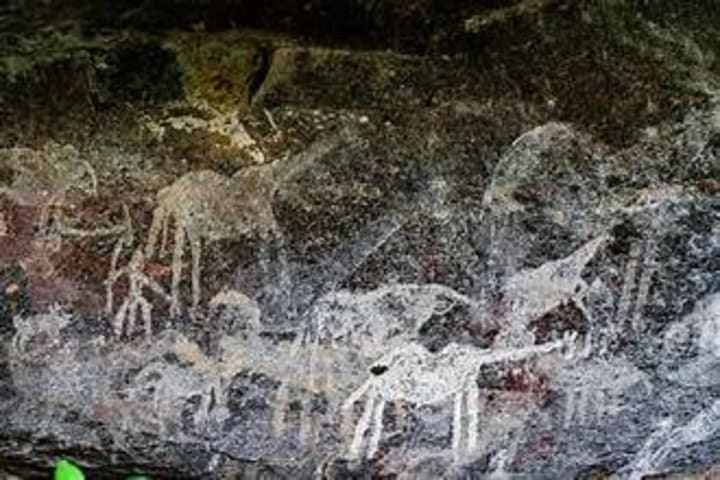
Most outsiders have an image of primitive tribalism in Africa that includes endless grasslands and coexists with wildlife. While this is rarely the case today, one such hunter-gatherer tribe, the Sandawe people, still exists and thrives in the area around Dodoma.
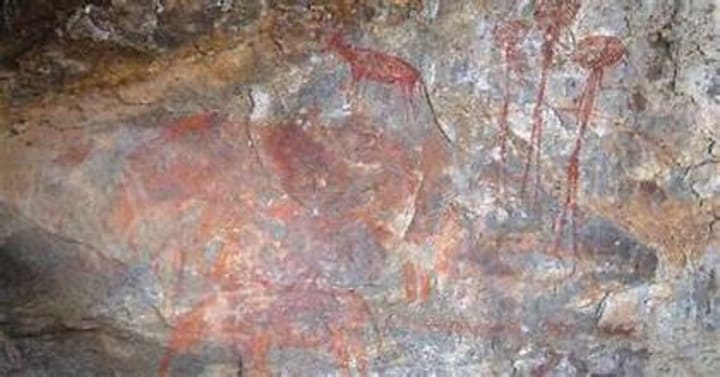
The only evidence of the pre-modern existence of the Sandawe tribe is a collection of rock paintings that can be found near the town of Kondoa, about 150 kilometers north of Dodoma. Written language and any long-standing architectural structures are also nonexistent.
The Kondoa Irangi Paintings are about 1,600 in number and dispersed across 200 different locations and are a UNESCO World Heritage site, featuring elongated human figures, wild animals like elands and giraffes, as well as haunting scenes.
About the Creator
Rasma Raisters
My passions are writing and creating poetry. I write for several sites online and have four themed blogs on Wordpress. Please follow me on Twitter.
Keep reading
More stories from Rasma Raisters and writers in Wander and other communities.
Strolling Through Beautiful Castles Latvia
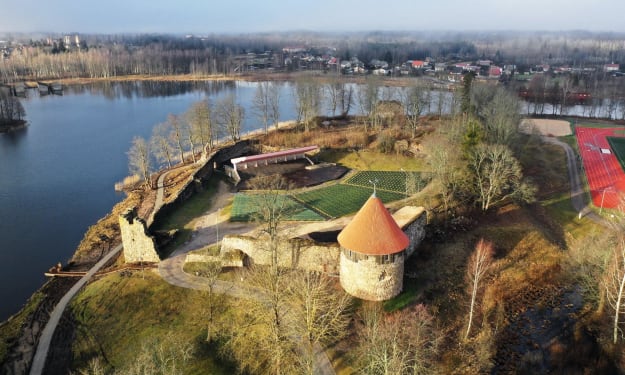
Aluksne Castle The castle is situated on one of the islands in Lake Aluksna in the Vidzeme region of Latvia. The Teutonic Order constructed it in the 14th century. The original construction was of wood but later parts were rebuilt in stone and other local materials. Today the castle is a beautiful picturesque site that is part of an open-air recreational area.
By Rasma Raisters9 months ago in Wander
Worth the Wait: Puerto Viejo, Costa Rica
Beach bumming in a small Caribbean beach town sounded like a perfect way to end our 6-month trip through Mexico and Central America. Or so we thought. The foul, fishy stench of rotten seaweed hit our nostrils as we stepped from the cramped bus and looked out at a rather depressing, empty, and underwhelming black sand beach. It was pouring with rain, and we had to quickly fish out our ponchos. We thought, this couldn’t be it, could it?
By Sh*t Happens - Lost Girl Travel7 days ago in Wander



Comments (1)
I still see Africa through the tribal warfare era. Those buildings are impressive, such a lovely place. I see the people thriving like everywhere else though.