
Capital Cities of Africa Banjul
The capital of the African country of the Gambia
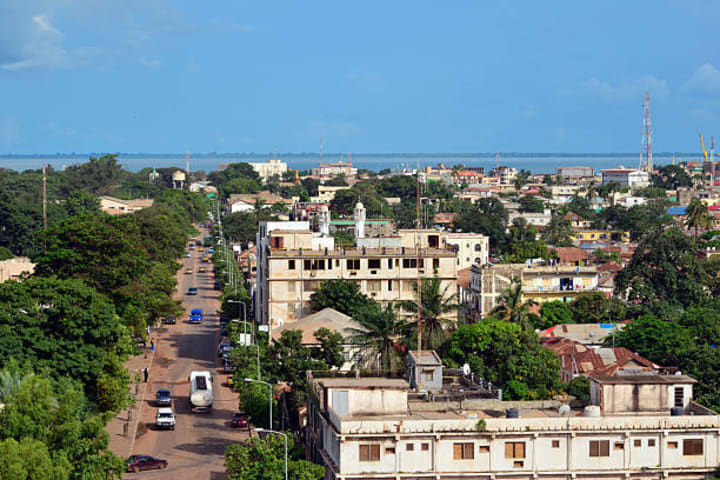
The main thoroughfare Independence Drive offers visitors a walk through history and culture. You'll see historical buildings and monuments.
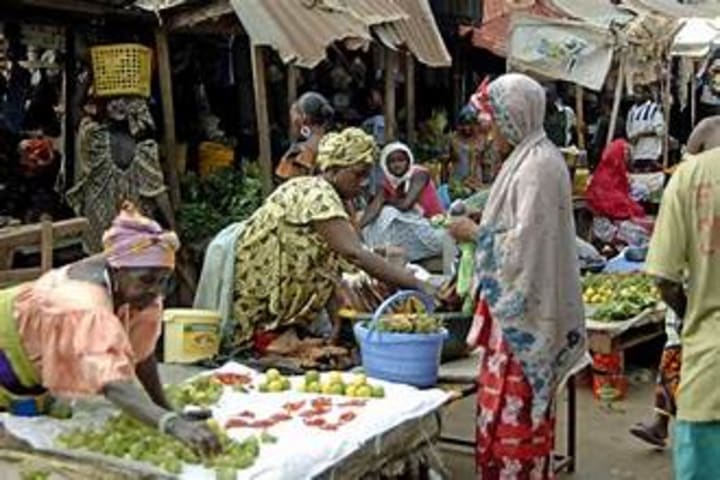
Albert Market is a lively open-air street market with a wide range of items like textiles, handicrafts, and fresh produce, The market was named after Prince Albert and features stalls selling fruits, fish, herbs, woodcarvings, and other handmade products.
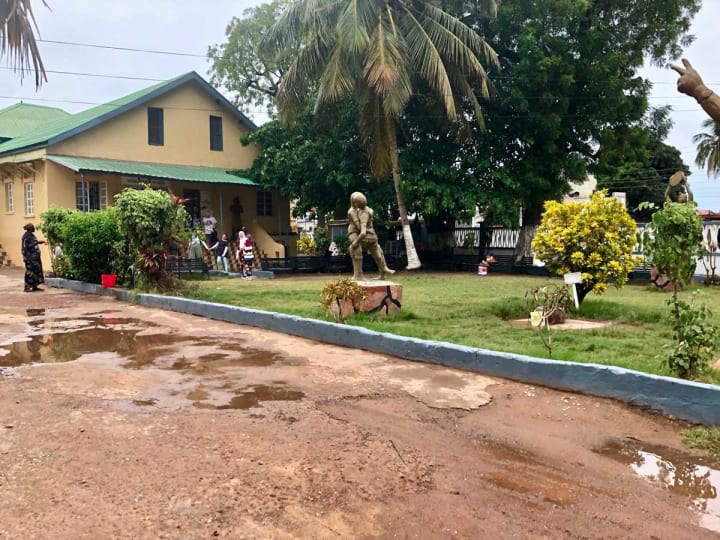
The National Museum was established in 1985. It is a three-story museum that displays artifacts giving an insight into the diverse history and traditions of Gambia. From ancient relics and traditional musical instruments to local crafts and archaeological discoveries, the museum provides a comprehensive look at the country's past. Visitors enjoy displays of ancient artifacts, traditional musical instruments, local crafts, and archaeological finds. The museum also houses exhibits dedicated to the country's natural history, showcasing its diverse flora and fauna. There are also temporary exhibitions that showcase the artwork of local artists.
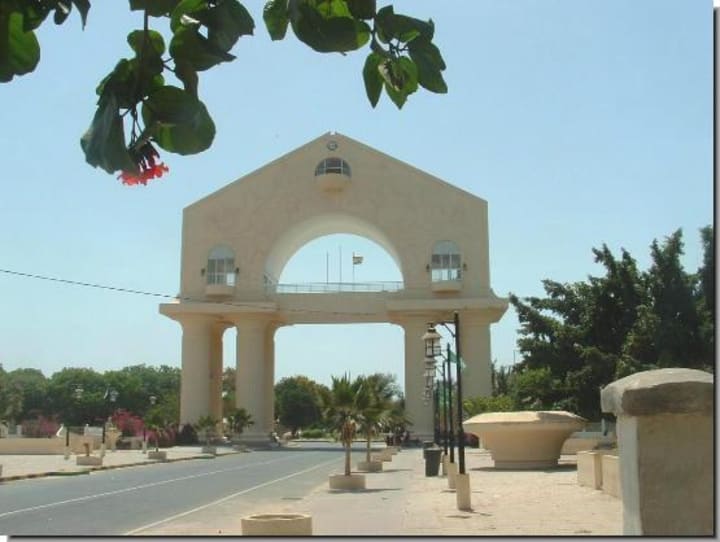
MacCarthy Square is a historic square the is a central gathering place. It was named after the former British Governor of the Gambia, Sir Charles MacCarthy. The square is surrounded by historic landmarks and government buildings among them the iconic monument Arch 22 commemorating the 1994 military coup in the country.
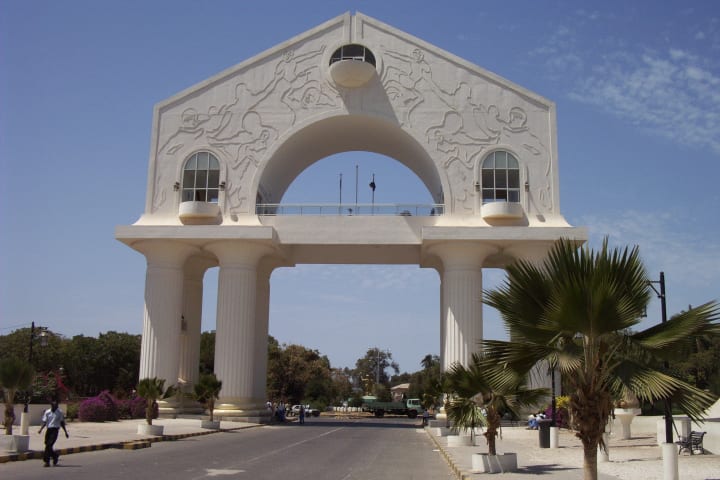
Arch 22 is a historic monument where visitors can climb to the top floor to get awesome views of the city including the Atlantic Ocean, River Gambia, and Tanbi mangroves. The top floor also houses a small museum with photos and exhibits about politicians. This iconic landmark stands tall at the entrance of the city and is often referred to as the "Gateway to Africa". The Arch was built in 1996 to commemorate the military coup d'état that took place in 1994.
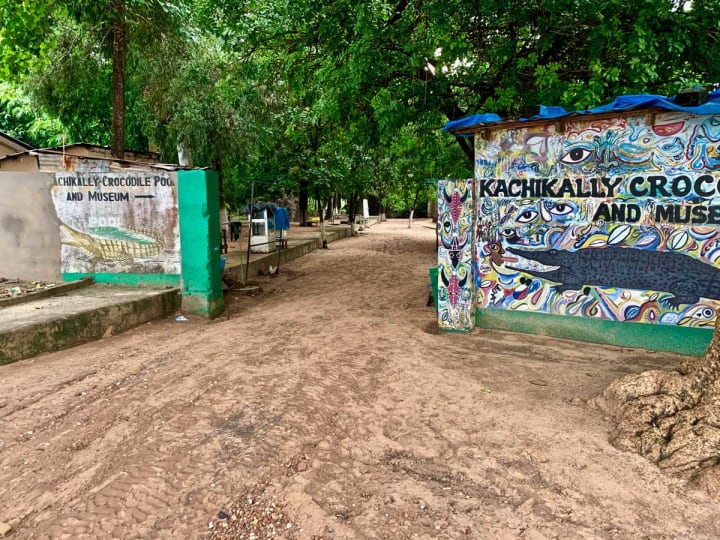
Kachikally Museum is a small museum that showcases the history and traditions of the Gambian people. It has a wide range of artifacts, including tools, musical instruments, and traditional masks, providing insights into the daily life and customs of the local communities. One of the museum's main highlights is the exhibition of fertility dolls used in traditional ceremonies.
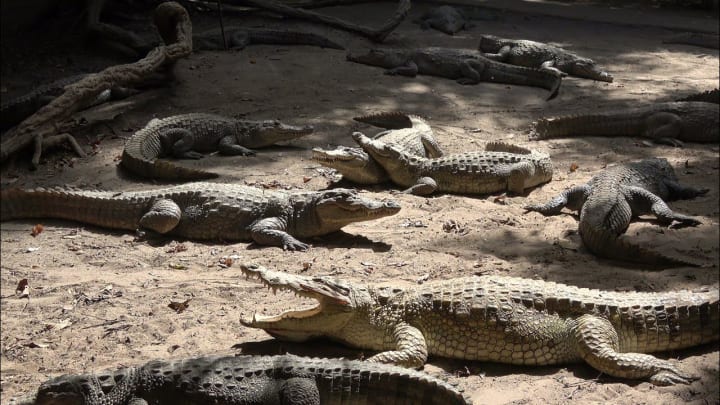
Next to the museum is the Kachikally Crocodile Pool which is a sacred site and has been a place of worship for ages. This natural lagoon is home to dozens of crocodiles, which are considered sacred and protective by the local people. There is also an opportunity to participate in the feeding of the crocodiles.
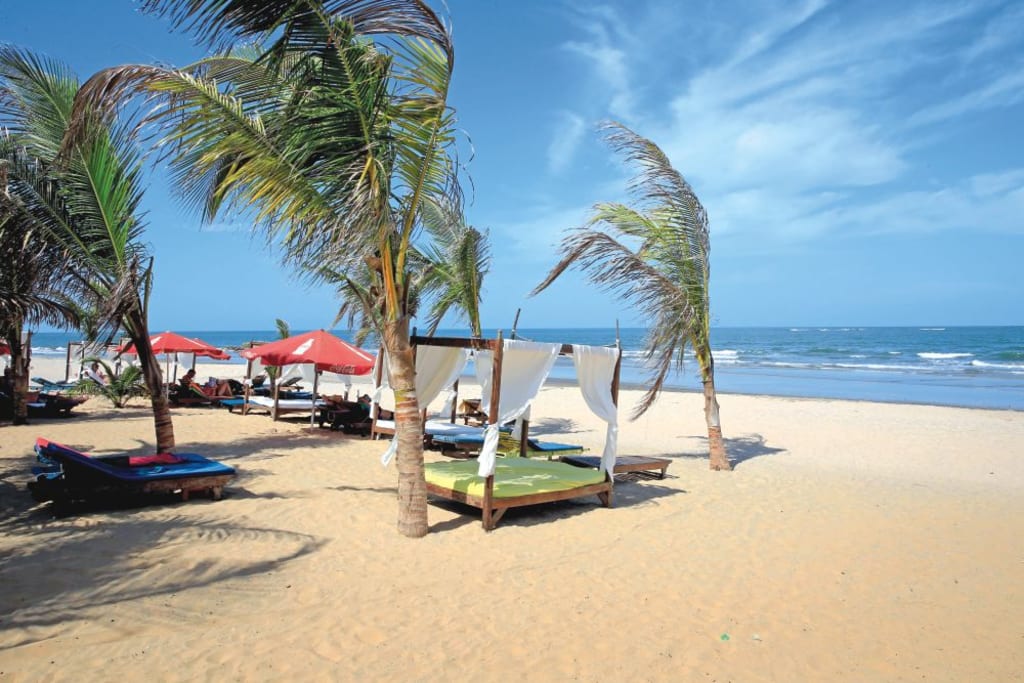
Banjul Beach (pictured above) is a great place to relax, sunbathe, and swim.
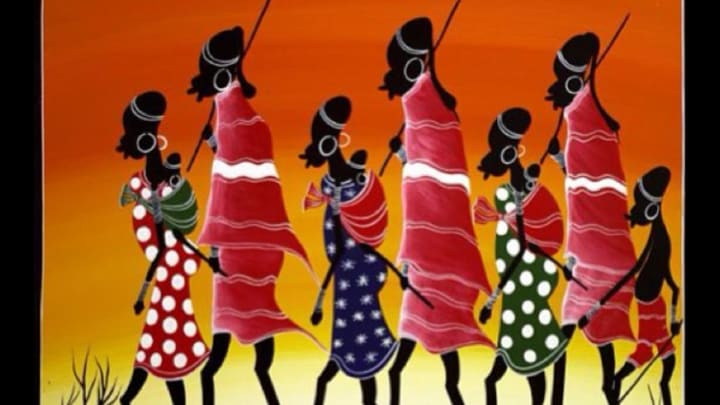
The Gambian National Gallery has a a diverse collection of contemporary and traditional Gambian artworks. It is housed in a lovely colonial building. The wide range of exhibits include paintings, sculptures, ceramics, textiles, and photography, created by both local and international artists.
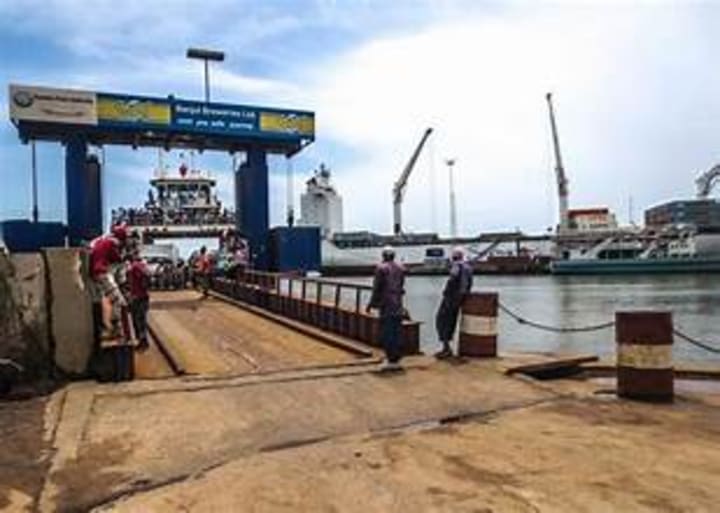
The Banjul Ferry Terminal connects the north and south banks of the Gambia River. The 30-minute journey from Banjul to Barra provides a scenic view of the sea and local fishing activities.
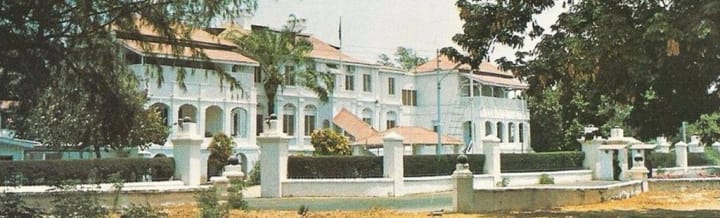
The State House is a symbol of the political legacy of the country. It is the offial residence of the President. Not accessible to the public but the architecture is impressive. It is featured on the Gambian currency.
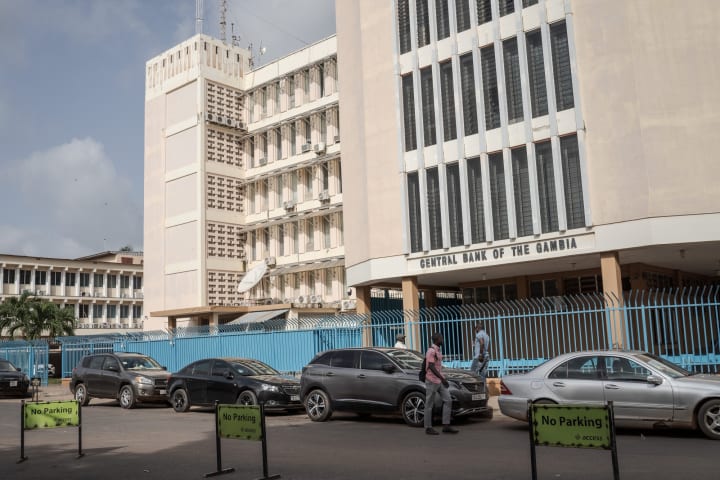
The Central Bank of Gambia is a prominent landmark and the tallest building in the city.
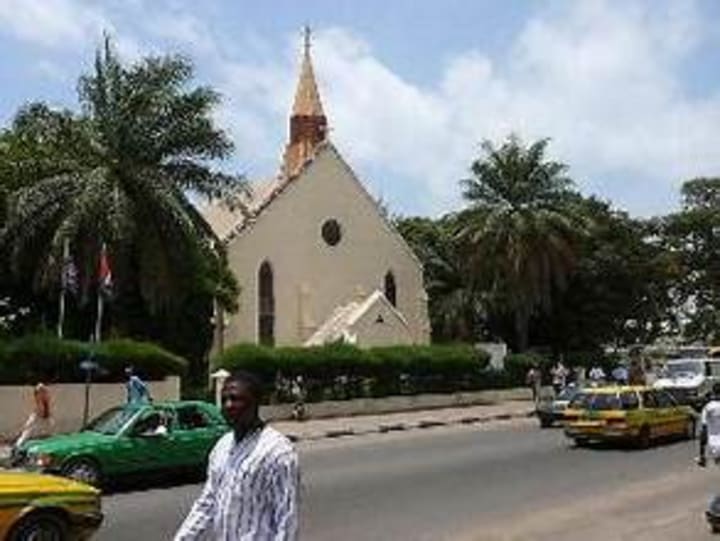
Our Lady of the Assumption Cathedral, also known as the Cathedral of Banjul was constructed during the period of British colonial rule between 1913 and 1916. This Catholic church serves as a significant place of worship and serves as the headquarters for the Diocese of Banjul.
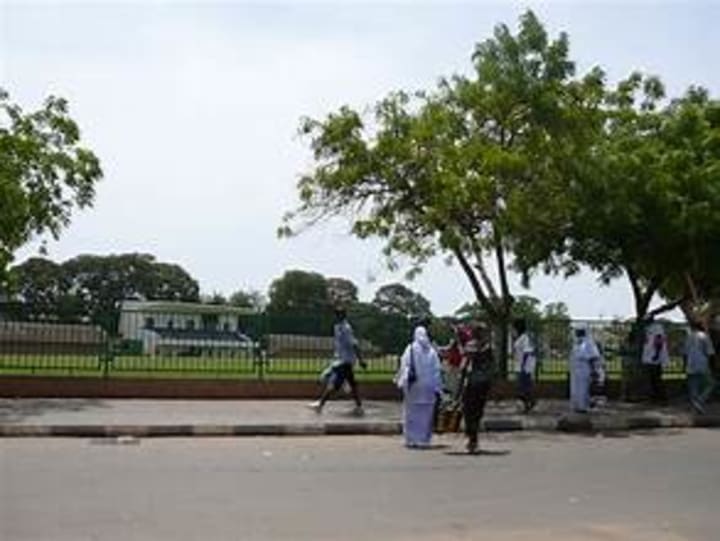
July 22nd Square is a significant landmark with historical and cultural significance. It commemorates the day when Gambia gained independence from British colonial rule on July 22, 1965. The square is beautifully landscaped, adorned with palm trees, flowering plants, and manicured lawns.
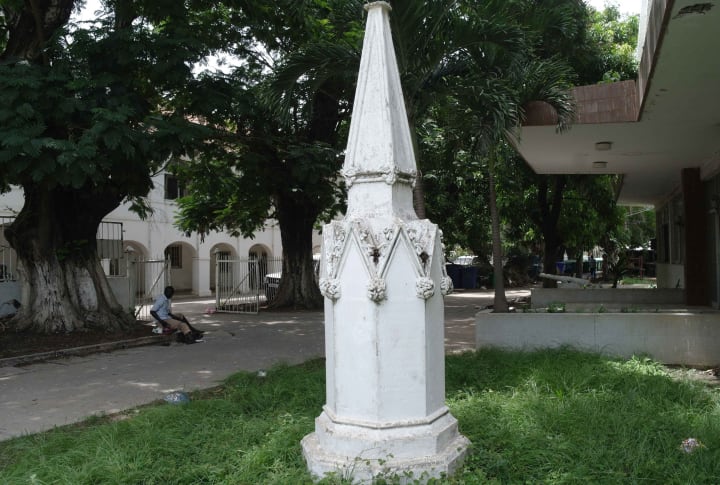
Among the highlights of the square is the iconic Obelisk that symbolizes Gambia's struggle for independence, right in the center of the square. There are benches and shaded areas where one can relax and take in the surroundings, as well as food vendors selling local delicacies and snacks.
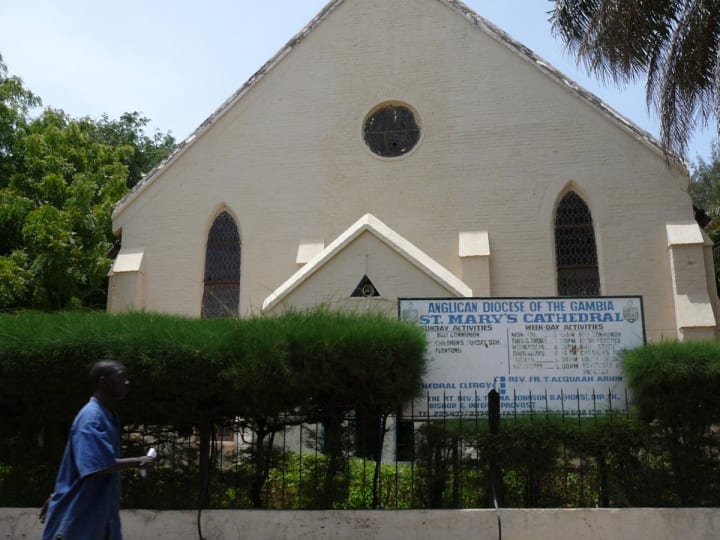
St. Mary's Church stands as an example of architectural beauty and spiritual refuge in the heart of the city. The church is adorned with exquisite stained glass windows and detailed woodwork, showcasing the remarkable skills of its artisans. Additionally, visitors can admire vibrant murals that reflect African artistic traditions.
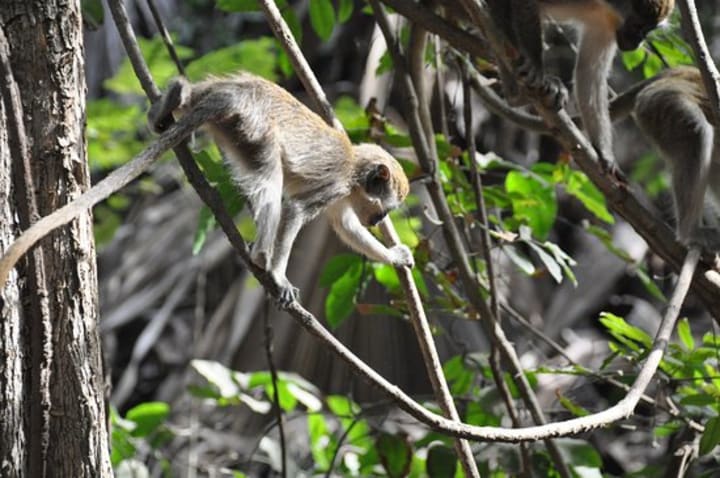
Bijilo National Park is home to various endangered species such as red colobus monkeys and birds like bee-eaters and hornbills. The park's well-maintained walking trails lead through lush vegetation, gallery forest, low bush, and grass towards the dunes.
About the Creator
Rasma Raisters
My passions are writing and creating poetry. I write for several sites online and have four themed blogs on Wordpress. Please follow me on Twitter.
Keep reading
More stories from Rasma Raisters and writers in Wander and other communities.
Coastal Series: Part I (Washington State)
Washington does not introduce its coastline. It lets you find it... There’s no sudden reveal, no postcard moment engineered for the windshield. The coast arrives gradually, in pieces... Through rain-darkened trees, through logging towns that never rebranded themselves, through long stretches of road where the radio fades, and the sky lowers itself closer to the ground.
By The Iron Lighthouse5 days ago in Wander
Miss Persephone's Manual to a Seemingly Ordinary Life
Miss Persephone was found at the dining table, her blue eyes swollen, her tears arriving and retreating like the tides of the ocean. Earlier that day, her family had visited her in the retirement home where she had lived for eight years. It was her eightieth birthday.
By Imola Tóth2 days ago in Fiction


Comments
There are no comments for this story
Be the first to respond and start the conversation.