
Aye-Aye (Daubentonia madagascariensis): The Mysterious Nocturnal Lemur
The Mysterious Nocturnal Lemur

Introduction
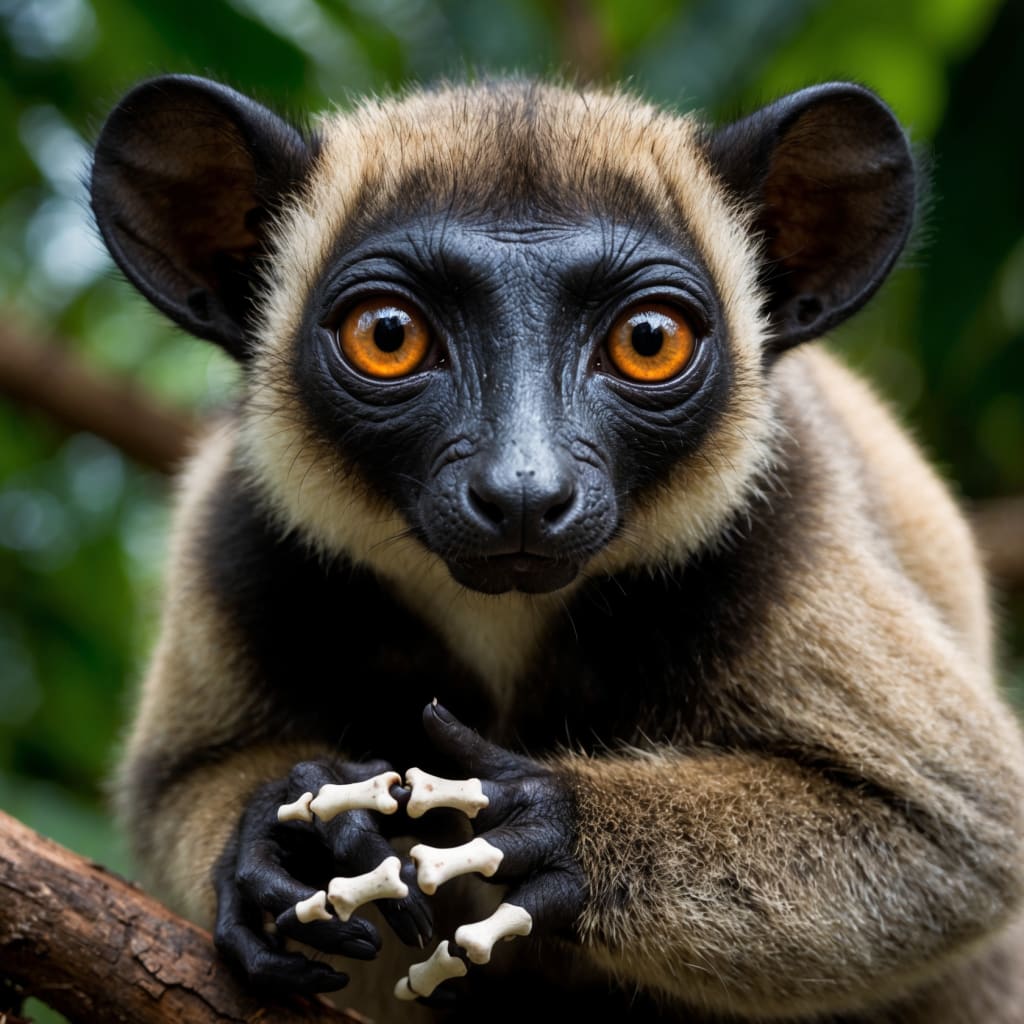
The Aye-Aye, scientifically known as Daubentonia madagascariensis, is one of nature's most unique and enigmatic creatures. This nocturnal lemur from Madagascar possesses a range of unusual characteristics that set it apart from other animals. With its large eyes, skeletal middle finger, and peculiar method of finding food, the Aye-Aye is a fascinating subject for both scientists and nature enthusiasts alike.

Table of Contents
Heading Sub-Topics
Introduction Overview of the Aye-Aye
The Aye-Aye: An Overview General Characteristics
Habitat of the Aye-Aye Natural Environment, Adaptations
Physical Characteristics Unique Features, Anatomy
Diet and Feeding Behavior Food Sources, Feeding Techniques
Nocturnal Lifestyle Nighttime Activities, Sensory Adaptations
Reproductive Behavior Mating Habits, Offspring Care
Conservation Status Threats, Conservation Efforts
Cultural Significance Folklore, Human Interactions
Scientific Research Studies, Discoveries
Adaptations for Survival Physical and Behavioral Adaptations
Interaction with Ecosystem Role in Madagascar's Biodiversity
Challenges Faced by Aye-Ayes Environmental Threats, Human Impact
Aye-Aye in Captivity Conservation Programs, Zoo Populations
Myths and Misconceptions Common Beliefs, Debunking Myths
Importance of Conservation Why Aye-Ayes Matter, Efforts Needed
Future Prospects Predictions, Ongoing Research
FAQs About Aye-Ayes Common Questions Answered
Conclusion Summary, Final Thoughts
The Aye-Aye: An Overview
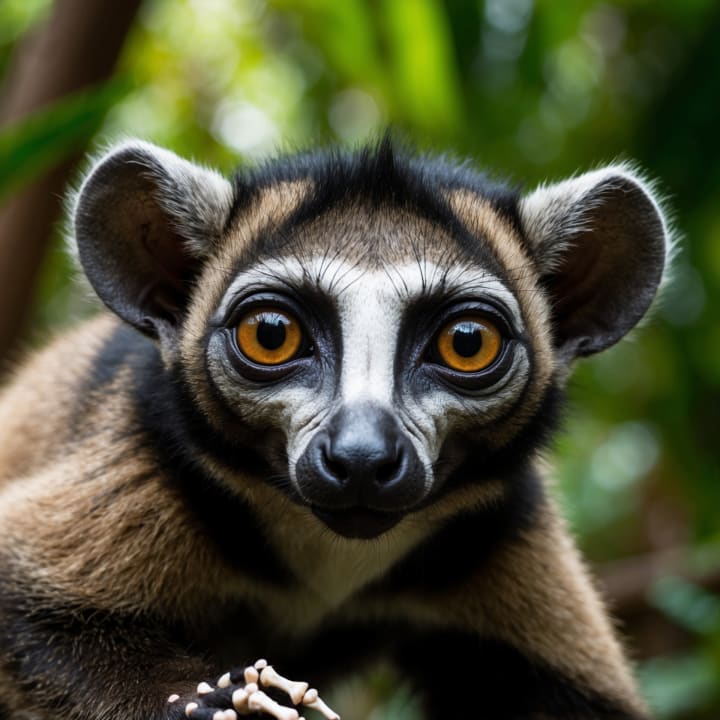
The Aye-Aye is a species of lemur that is native to the island of Madagascar. Known for its distinctive appearance and unique foraging habits, the Aye-Aye has intrigued researchers and nature lovers for decades. Its classification has been a subject of debate, but it is generally placed in its own family, Daubentoniidae, due to its unique traits.
Habitat of the Aye-Aye
Natural Environment
Aye-Ayes are primarily found in the rainforests and deciduous forests of Madagascar. They prefer areas with dense canopy cover where they can easily navigate and find food. These forests provide the ideal conditions for their nocturnal lifestyle and specialized feeding behaviors.
Adaptations
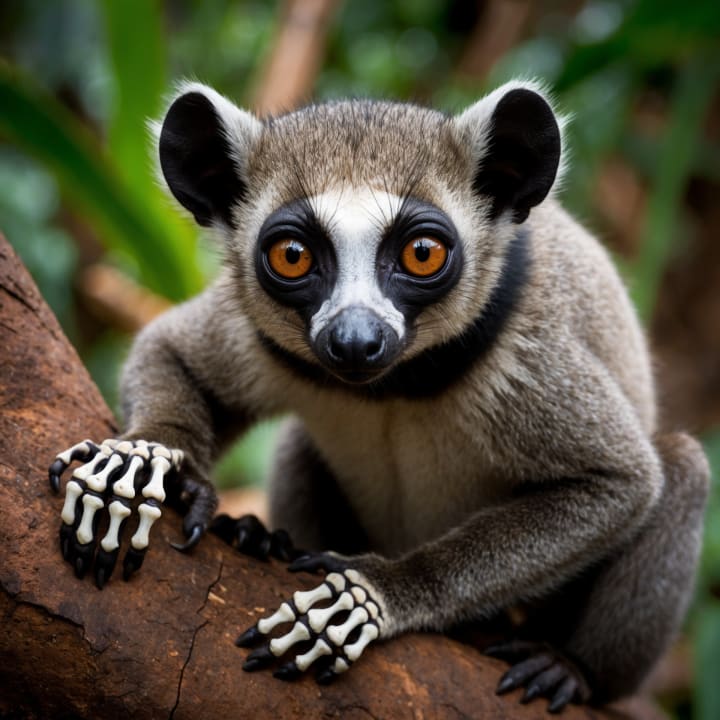
To thrive in these environments, Aye-Ayes have developed several adaptations. Their large eyes are well-suited for low-light conditions, allowing them to see clearly at night. Their elongated middle finger is another remarkable adaptation, enabling them to tap on trees to locate insect larvae hidden within.
Physical Characteristics
Unique Features
The Aye-Aye's most notable feature is its long, thin middle finger, which is used to extract insects from tree bark. This skeletal finger, combined with their large, reflective eyes and bushy tail, gives them an almost otherworldly appearance. Their fur is typically dark brown or black, providing excellent camouflage in the forest canopy at night.

Anatomy
Aye-Ayes have a specialized dentition, with ever-growing incisors similar to those of rodents. This allows them to gnaw through wood to access their food. Their powerful jaws and teeth are essential for their survival, enabling them to break into hard surfaces to reach nutritious grubs and insects.
Diet and Feeding Behavior
Food Sources
Aye-Ayes primarily feed on insect larvae, fruits, nectar, and fungi. Their diet is diverse, but their primary source of nutrition comes from the grubs they extract from trees. They also consume seeds and occasionally small vertebrates.

Nocturnal Lifestyle
Nighttime Activities
As a nocturnal animal, the Aye-Aye is most active during the night. It spends its nights foraging for food, moving through the forest canopy with agility. Their nocturnal habits help them avoid predators and reduce competition for food with diurnal species.
Sensory Adaptations
The Aye-Aye has developed several sensory adaptations to thrive in the dark. Its large eyes enhance its night vision, while its keen sense of hearing helps it detect subtle sounds made by insect larvae within trees. These adaptations are crucial for its survival in the dense forests of Madagascar

Reproductive Behavior
Mating Habits
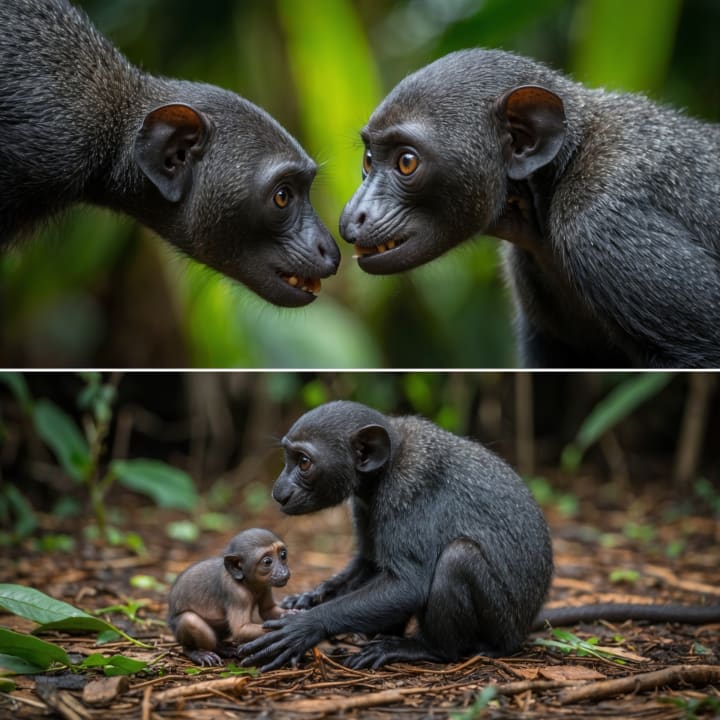
Aye-Ayes are solitary animals, coming together only to mate. Females typically give birth to a single offspring after a gestation period of around 170 days. Mating can occur at any time of the year, but there is often a peak during the rainy season when food is more abundant.
Offspring Care
Female Aye-Ayes are responsible for caring for their young. The infant stays with the mother for several months, learning essential survival skills such as foraging techniques. The young are weaned at about seven months old but may remain with the mother for up to two years before becoming fully independent.

Conservation Status
Threats
The Aye-Aye is currently listed as endangered, primarily due to habitat destruction and human persecution. Deforestation for agriculture and logging has significantly reduced their natural habitat. Additionally, local superstitions often lead to the killing of Aye-Ayes, as they are considered omens of bad luck.
Conservation Efforts
Conservation efforts are underway to protect the Aye-Aye and its habitat. Various organizations are working to establish protected areas and educate local communities about the importance of preserving this unique species. Breeding programs in captivity also aim to increase their population and genetic diversity.
Cultural Significance
Folklore
In Malagasy folklore, the Aye-Aye is often viewed with fear and superstition. Many believe that seeing an Aye-Aye brings bad luck or death. This has led to a negative perception of the animal and, in some cases, its intentional killing.
Human Interactions
Despite the negative folklore, there are efforts to change local perceptions through education and awareness programs. By highlighting the Aye-Aye's role in the ecosystem and its unique characteristics, conservationists hope to foster a more positive relationship between humans and this remarkable lemur.
Scientific Research
Studies
Scientific studies on the Aye-Aye have provided valuable insights into its behavior, ecology, and evolutionary history. Researchers continue to explore various aspects of its life, including its foraging strategies, social structure, and genetic makeup.
Discoveries
One of the most significant discoveries about the Aye-Aye is its specialized foraging technique, which has no parallel in the animal kingdom. Ongoing research aims to uncover more about its role in the ecosystem and how it has adapted to survive in its unique environment.
Adaptations for Survival
Physical Adaptations
The Aye-Aye's physical adaptations, such as its elongated finger and powerful teeth, are essential for its survival. These features allow it to exploit food sources that are inaccessible to other animals, giving it a unique niche in the ecosystem.
Behavioral Adaptations
Behaviorally, the Aye-Aye has adapted to a solitary and nocturnal lifestyle, reducing competition for resources and predation risks. Its foraging strategy is a prime example of how it has evolved to utilize available resources efficiently.
Interaction with Ecosystem
Role in Madagascar's Biodiversity
The Aye-Aye plays a crucial role in Madagascar's biodiversity. By feeding on insect larvae, it helps control pest populations and contributes to the health of the forest ecosystem. Its unique feeding behavior also aids in seed dispersal and tree health by breaking into bark and wood.
Challenges Faced by Aye-Ayes
Environmental Threats
Environmental threats such as deforestation and habitat fragmentation pose significant risks to the Aye-Aye. Loss of forest cover not only reduces their habitat but also affects the availability of food sources and shelter.
Human Impact
Human activities, including hunting and persecution due to superstitions, further threaten the survival of the Aye-Aye. Conservationists are working to mitigate these impacts through education, habitat restoration, and legal protection measures.
Aye-Aye in Captivity
Conservation Programs
Several conservation programs have been established to protect and breed Aye-Ayes in captivity. These programs aim to increase population numbers, preserve genetic diversity, and eventually reintroduce individuals into protected wild areas.
Zoo Populations
Zoos around the world have also played a role in Aye-Aye conservation. By housing and breeding these lemurs, zoos provide a safe environment for them and raise public awareness about their plight and the importance of conservation efforts.
Myths and Misconceptions
Common Beliefs
Many myths and misconceptions surround the Aye-Aye, particularly in its native Madagascar. These include beliefs that the Aye-Aye is an omen of death or bad luck, leading to fear and persecution.
About the Creator
KingFree MaN
Our purpose is to serve others. We strive to understand their needs, identify what they seek and streamline the journey to help them reach their goals. By removing obstacles and creating clear paths we work to make their experience smoother
Keep reading
More stories from KingFree MaN and writers in Wander and other communities.
Axolotl (Amby stoma Mexicana): A Marvel of Evolution and Regeneration
The axolotl, scientifically known as Ambystoma mexicanum, is a fascinating creature that has captured the interest of scientists and enthusiasts alike. Commonly referred to as the "Mexican walking fish," this unique amphibian is not a fish at all but a type of salamander that exhibits neoteny, retaining its larval characteristics throughout its entire life. Native to the lake complex of Xochimilco near Mexico City, the axolotl is a species both enigmatic and remarkable, with distinct features and extraordinary regenerative capabilities.
By KingFree MaN2 years ago in Wander
Worth the Wait: Puerto Viejo, Costa Rica
Beach bumming in a small Caribbean beach town sounded like a perfect way to end our 6-month trip through Mexico and Central America. Or so we thought. The foul, fishy stench of rotten seaweed hit our nostrils as we stepped from the cramped bus and looked out at a rather depressing, empty, and underwhelming black sand beach. It was pouring with rain, and we had to quickly fish out our ponchos. We thought, this couldn’t be it, could it?
By Sh*t Happens - Lost Girl Travel10 days ago in Wander
Fun Times at Globe Life Field: Part 2
Last month, I took a trip to my hometown of Arlington, Texas. It was the first time in nearly 15 years I've been back to the place that I grew up. During the two days I was there, I did some sight-seeing and was highly impressed with how much has changed the last time I was there, which was 2011. On the last day of my trip, I took part in a premium stadium tour at Globe Life Field, the home of the Texas Rangers. It was my first time there and was with a small group of people on the tour. I've discussed the things I've seen during the hour and a half tour in my previous story, which you can read down below. After the tour concluded, I went outside and took even more snapshots. I'll go over some of the images, individually and in collage form.
By Mark Wesley Pritchard 3 days ago in Wander




Comments
There are no comments for this story
Be the first to respond and start the conversation.