
Axolotl (Amby stoma Mexicana): A Marvel of Evolution and Regeneration
A Marvel of Evolution and Regeneration

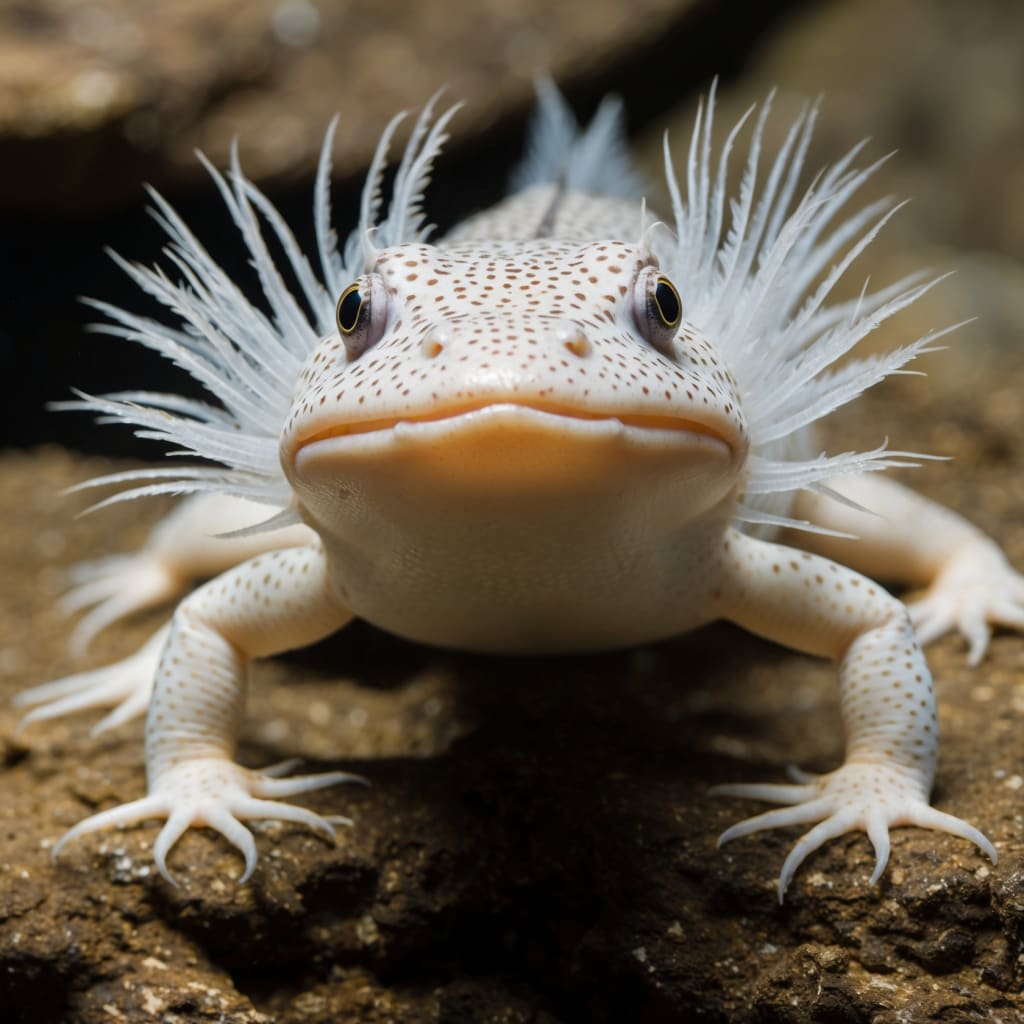
The axolotl, scientifically known as Ambystoma mexicanum, is a fascinating creature that has captured the interest of scientists and enthusiasts alike. Commonly referred to as the "Mexican walking fish," this unique amphibian is not a fish at all but a type of salamander that exhibits neoteny, retaining its larval characteristics throughout its entire life. Native to the lake complex of Xochimilco near Mexico City, the axolotl is a species both enigmatic and remarkable, with distinct features and extraordinary regenerative capabilities.
Distinctive Appearance
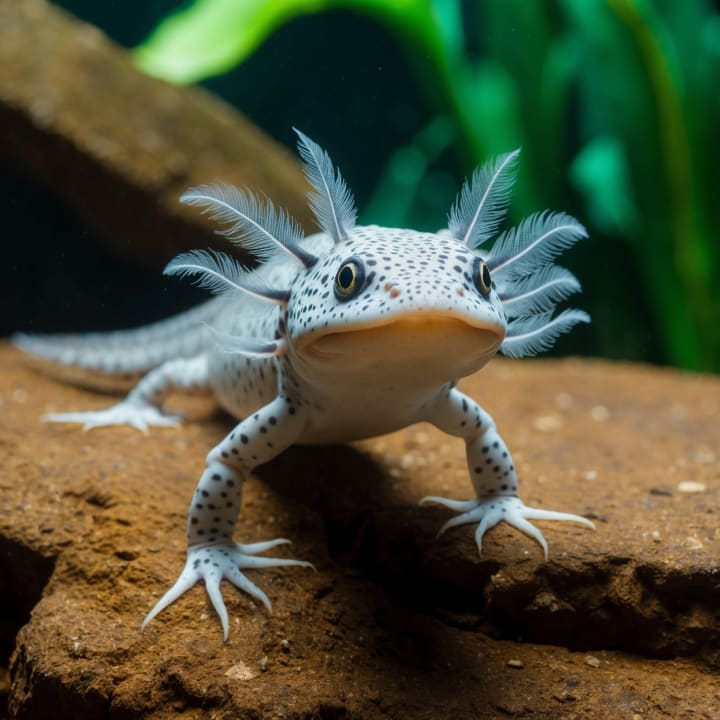
One of the most striking features of the axolotl is its appearance. Unlike most amphibians that undergo metamorphosis, transitioning from a larval to an adult stage, the axolotl remains in its larval form even as it reaches sexual maturity. This retention of juvenile features, known as neoteny, is what gives the axolotl its unique look.
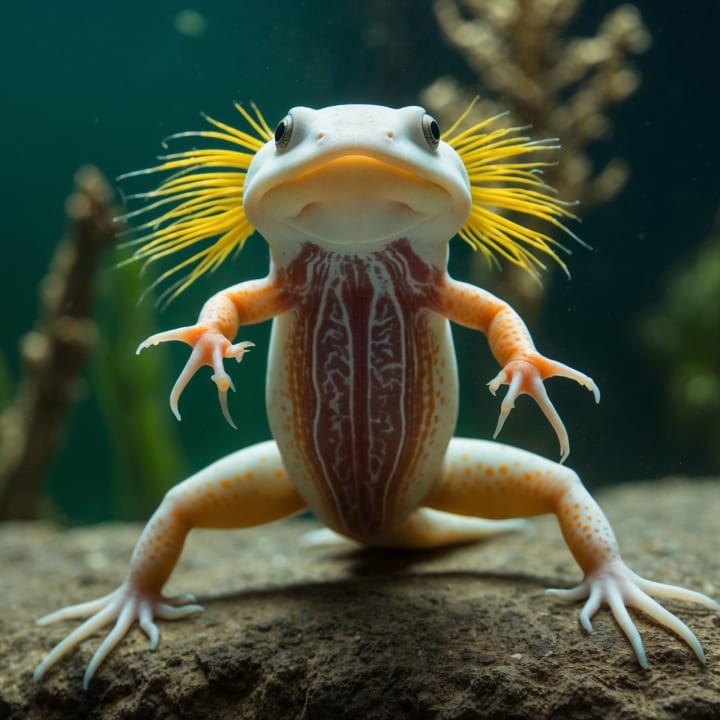
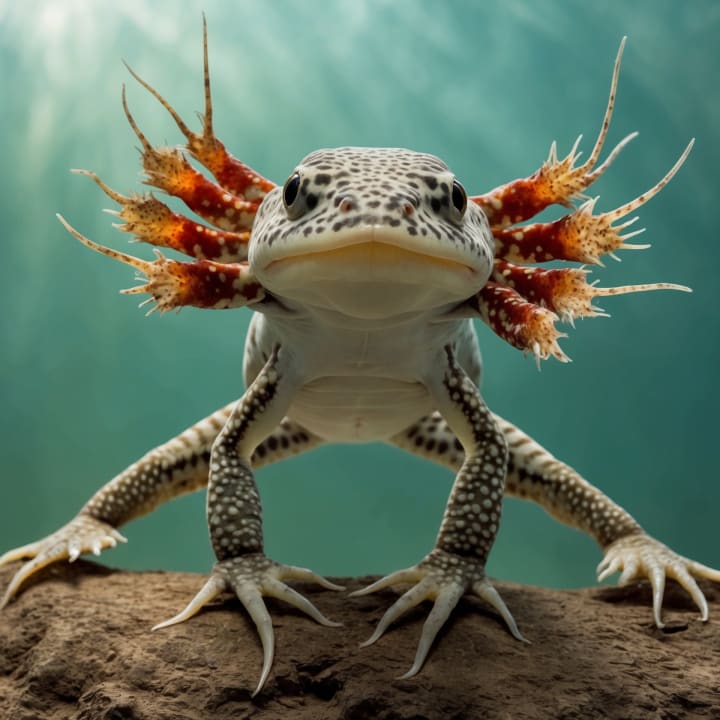
The axolotl's body is elongated and typically measures about 15 to 30 centimeters in length. Its skin is smooth and can vary in color, ranging from shades of brown and black in the wild to albino, leucistic, and other color variations in captivity. However, the most distinctive aspect of the axolotl's appearance is its feathery external gills. These gills extend from either side of its head and are used to extract oxygen from the water, giving the axolotl its characteristic frilled and delicate look
Habitat and Behavior
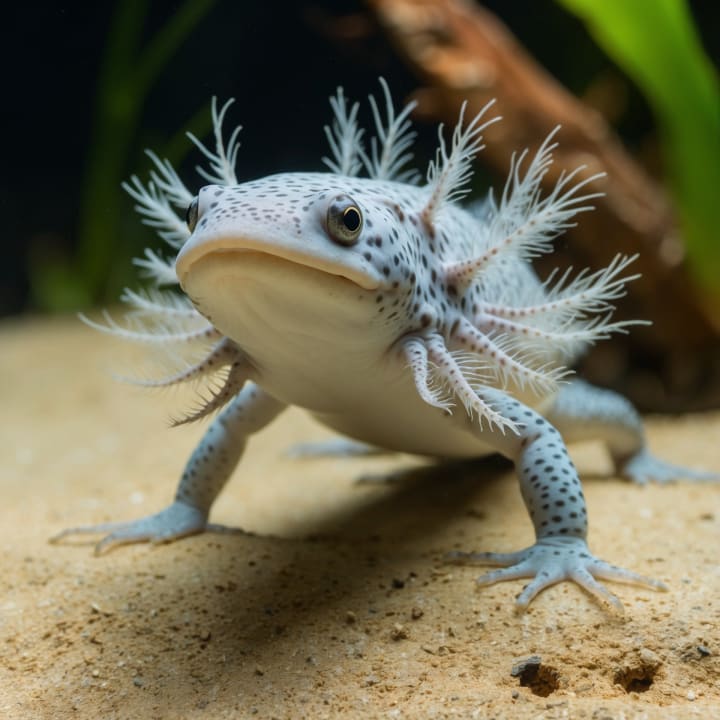
Axolotls are native to the high-altitude waters of Xochimilco, where they reside in the remnants of a vast lake system. These amphibians are primarily aquatic, spending their lives in water, unlike other salamander species that might venture onto land. Axolotls prefer still or slow-moving waters with abundant vegetation, which provides both cover and hunting grounds.
Axolotls are carnivorous and feed on a variety of prey, including small fish, worms, and insects. They have a suction feeding mechanism, wherein they draw prey into their mouths by creating a vacuum. Despite their somewhat predatory nature, axolotls are relatively docile and have become popular pets in the aquarium trade
Regenerative Abilities
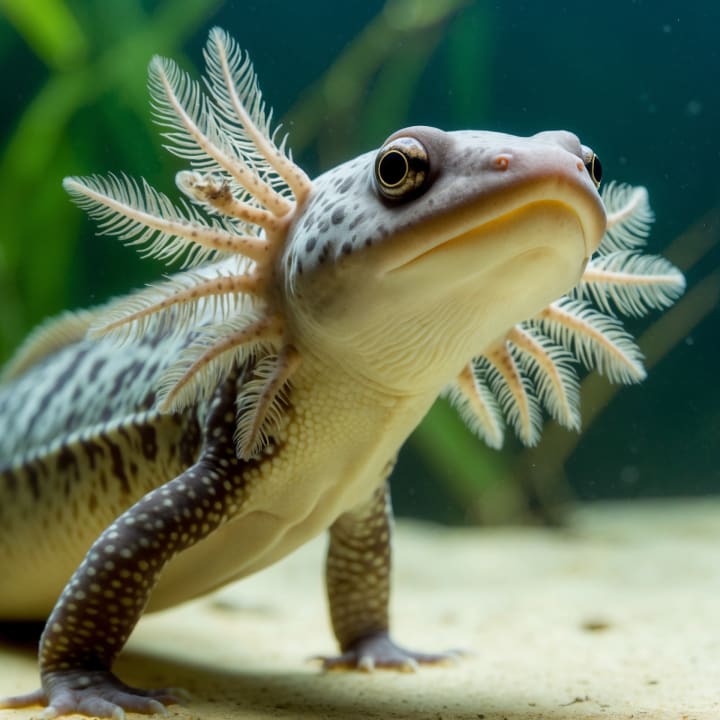
What truly sets the axolotl apart from other amphibians, and indeed most animals, is its extraordinary regenerative capabilities. Axolotls possess the ability to regenerate entire limbs, including bones, muscles, nerves, and skin, without any scarring. This remarkable process also extends to their spinal cord, heart, and other vital organs.
The regenerative prowess of the axolotl has made it a subject of significant scientific research. Understanding the molecular and genetic basis of axolotl regeneration holds potential implications for human medicine, particularly in the fields of wound healing, regenerative medicine, and organ transplantation. Researchers are keen to uncover the secrets behind the axolotl's ability to repair and regrow damaged tissues, which could one day pave the way for advancements in treating human injuries and diseases.
Conservation Status
Despite its resilience and adaptability in captivity, the axolotl faces severe threats in the wild. Habitat loss, pollution, and the introduction of invasive species have led to a dramatic decline in its natural population. The International Union for Conservation of Nature (IUCN) lists the axolotl as critically endangered, with efforts underway to preserve its remaining habitat and implement captive breeding programs.
Conclusion
The axolotl, with its unique blend of perpetual youth, distinctive appearance, and unparalleled regenerative abilities, is a true marvel of nature. As both a scientific curiosity and a symbol of the delicate balance of aquatic ecosystems, the axolotl continues to intrigue and inspire. Conservation efforts are crucial to ensure that this extraordinary species does not disappear from its natural habitat, allowing future generations to marvel at the wonders of the "Mexican walking fish."
About the Creator
KingFree MaN
Our purpose is to serve others. We strive to understand their needs, identify what they seek and streamline the journey to help them reach their goals. By removing obstacles and creating clear paths we work to make their experience smoother
Keep reading
More stories from KingFree MaN and writers in Wander and other communities.
Aye-Aye (Daubentonia madagascariensis): The Mysterious Nocturnal Lemur
Introduction The Aye-Aye, scientifically known as Daubentonia madagascariensis, is one of nature's most unique and enigmatic creatures. This nocturnal lemur from Madagascar possesses a range of unusual characteristics that set it apart from other animals. With its large eyes, skeletal middle finger, and peculiar method of finding food, the Aye-Aye is a fascinating subject for both scientists and nature enthusiasts alike.
By KingFree MaN2 years ago in Wander
Worth the Wait: Puerto Viejo, Costa Rica
Beach bumming in a small Caribbean beach town sounded like a perfect way to end our 6-month trip through Mexico and Central America. Or so we thought. The foul, fishy stench of rotten seaweed hit our nostrils as we stepped from the cramped bus and looked out at a rather depressing, empty, and underwhelming black sand beach. It was pouring with rain, and we had to quickly fish out our ponchos. We thought, this couldn’t be it, could it?
By Sh*t Happens - Lost Girl Travel9 days ago in Wander



Comments
There are no comments for this story
Be the first to respond and start the conversation.