
Amagarh Leopard Safari – A Peaceful Wildlife Escape Near Jaipur
When most travellers think of Jaipur, images of grand forts, pink-hued palaces, and lively bazaars come to mind.
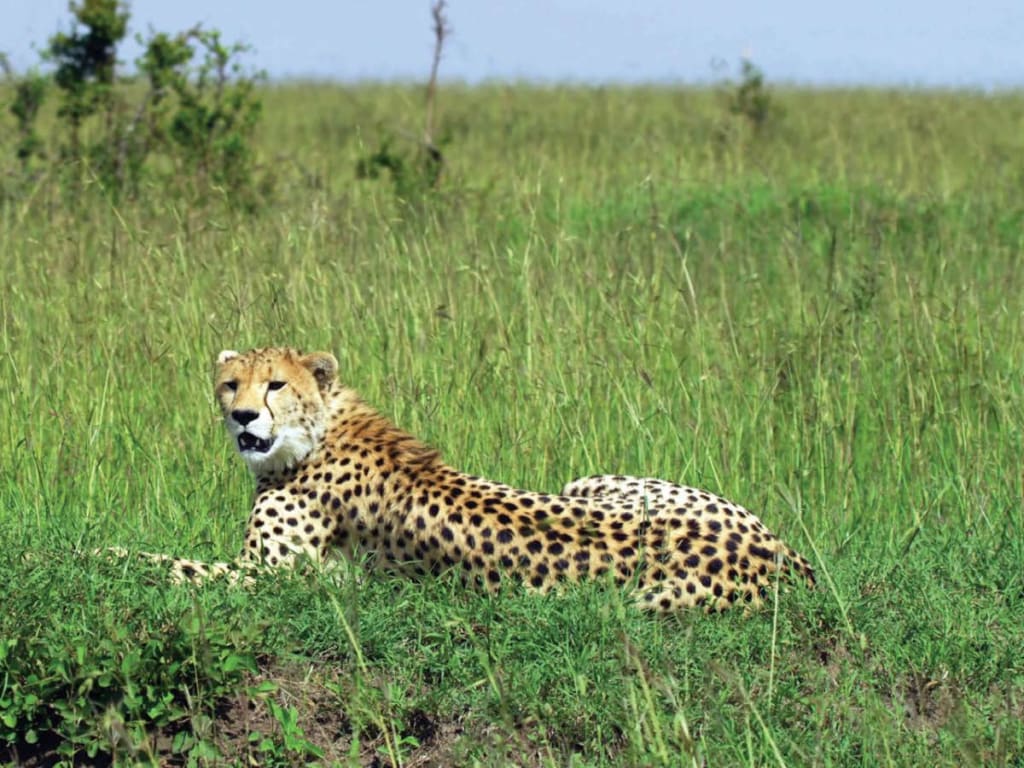
When most travellers think of Jaipur, images of grand forts, pink-hued palaces, and lively bazaars come to mind. What often goes unnoticed is that just beyond the city’s edges lies a quiet stretch of wilderness where nature still follows its own rhythm. Amagarh Leopard Safari is that rare place — close enough for a short trip, yet far enough to feel completely removed from city life.
Set in the ancient Aravalli hills, Amagarh offers an authentic wildlife experience that doesn’t feel rushed or commercial. It’s ideal for travellers who enjoy slow exploration, nature photography, and moments of silence broken only by bird calls or the crunch of jeep tires on rocky trails. In this blog, I’ll guide you through what makes Amagarh special, the best time to visit, how to reach it, nearby attractions, safety tips, and how to plan your visit in a relaxed, practical way.
Discovering the Wild Side of Jaipur
The moment you leave Jaipur’s busy roads and head towards Amagarh, the landscape begins to change. Buildings thin out, the terrain becomes rocky, and the Aravalli hills rise quietly in the distance. This transition feels almost symbolic — from urban chaos to natural calm within half an hour.
Amagarh’s forest is dry and rugged, shaped by centuries of wind and weather. Leopards thrive here because the rocky outcrops, caves, and dense shrubs provide perfect cover. While leopards are the star attraction, the forest is also home to sambar deer, nilgai, jackals, hyenas, jungle cats, and an impressive variety of birds.
What makes Amagarh different from larger wildlife parks is its intimacy. The forest doesn’t try to impress; it simply exists. Even when wildlife remains hidden, the atmosphere itself feels grounding — the kind of place where you naturally slow down and start observing small details.
Wildlife and the Safari Experience
A safari at Amagarh is less about chasing sightings and more about understanding the forest. The open jeep moves steadily through uneven trails, rocky slopes, and open clearings. Guides are experienced locals who know how to read the landscape — fresh pugmarks, alarm calls, or subtle movement among bushes often signal animal presence.
Leopard sightings are always a matter of timing and luck, but the chances here are considered good due to the terrain and the animals’ movement patterns. Even if you don’t spot one, the experience remains rewarding. Watching deer pause mid-step, spotting peacocks perched on rocks, or following birds as they glide over the hills creates a sense of quiet excitement.
Photography lovers appreciate Amagarh for its natural light and textures. Early morning sun casting long shadows across the rocks or late afternoon light softening the hills can turn simple scenes into memorable frames.
Best Time to Visit Amagarh Leopard Safari
Choosing the best time to visit Amagarh Leopard Safari depends on the kind of experience you want. Winter, from November to February, is the most popular season. The weather is pleasant, mornings are cool, and wildlife activity is higher during early hours. This is also the most comfortable time for first-time visitors.
The monsoon season, from July to September, brings a dramatic change. The hills turn green, seasonal streams appear, and birdlife increases significantly. While dense vegetation can make leopard sightings more challenging, the scenery feels fresh and peaceful, especially for nature lovers.
Summers, particularly April to June, can be hot, but they have their own advantage. Animals often gather near water sources, making early morning safaris surprisingly productive. Regardless of the season, sunrise and late afternoon safaris are always the best choices for wildlife movement and softer light.
How to Reach and Nearby Attractions
One of Amagarh’s biggest advantages is how easy it is to reach. Located about 30 minutes from Jaipur city, the safari entry point lies close to the famous Galta Ji Temple, also known as the Monkey Temple. Taxis, private cars, and app-based cabs can all take you there comfortably.
Because of its location, Amagarh fits seamlessly into Jaipur travel plans. Galta Ji is worth visiting for its temples, natural water tanks, and views of the surrounding hills. Nahargarh Fort, perched along the Aravalli ridge, is another nearby highlight, offering sweeping views of Jaipur, especially at sunset.
If you have more time, you can combine your safari with visits to Jaipur’s iconic landmarks like Hawa Mahal, City Palace, or Jal Mahal. This mix of wildlife and heritage makes your trip feel balanced and complete.
Local Tips, Travel Safety, and Responsible Tourism
A little preparation can make your safari experience much more comfortable. Wear neutral-colored clothing that blends into the environment and avoids attracting attention. Winters can be cold in the early morning, so light layers are useful, while summers demand breathable fabrics and sun protection.
Carry water, sunglasses, sunscreen, and a camera. Binoculars are highly recommended, especially for birdwatching and observing distant wildlife without disturbing it.
Travel safety at Amagarh is straightforward. Always remain seated in the jeep, avoid loud noises, and follow the guide’s instructions carefully. These rules protect both visitors and animals and increase your chances of natural sightings. Respecting the forest — not littering, not feeding animals, and maintaining silence — is essential to preserving this fragile ecosystem.
Suggested Itineraries and Budget Planning
If you’re short on time, a half-day itinerary works perfectly. Start with an early morning safari, visit Galta Ji Temple afterward, and return to Jaipur for breakfast or sightseeing.
For a full-day plan, begin with the safari, enjoy a relaxed meal nearby, and head to Nahargarh Fort in the afternoon. You can end the day exploring Jaipur’s markets or heritage sites. This combination allows you to experience wildlife, culture, and city life without feeling rushed.
From a budgeting perspective, Amagarh is relatively easy to plan. Since it’s close to Jaipur, there are no major travel or accommodation costs unless you choose to stay longer. Your main expenses include transport, safari booking, and meals. During peak seasons like winter, booking in advance helps secure preferred time slots.
Final Thoughts
Amagarh Leopard Safari is a reminder that meaningful travel doesn’t always require long journeys or elaborate plans. Sometimes, the most memorable experiences are found just outside familiar places. Quiet, raw, and beautifully natural, Amagarh offers a peaceful wildlife escape near Jaipur that appeals to both seasoned travellers and curious first-timers.
Whether you spot a leopard or simply enjoy the silence of the Aravalli hills, the safari leaves you with a deeper appreciation for nature and a slower, more mindful way of exploring. For anyone looking to see a different side of Jaipur — one shaped by hills, forests, and wildlife — Amagarh is well worth the visit.
About the Creator
Keep reading
More stories from Aditi Khandelwal and writers in Wander and other communities.
Scuba Diving in Gokarna: Breathing Blue on Karnataka’s Sacred Shore
Gokarna has always felt like a place where two worlds quietly coexist. On land, there’s devotion temple bells, barefoot pilgrims, the scent of incense drifting through narrow streets. Just a few steps away, there’s the sea—vast, blue, and endlessly patient. Most people come here seeking peace, spirituality, or a slower rhythm of life. What many don’t expect is that the calm continues far beyond the shoreline. Scuba diving in Gokarna reveals a side of this sacred town that’s hushed, intimate, and deeply grounding.
By Aditi Khandelwal23 days ago in Wander
Hotels vs. Riads in Morocco for Families
Before our first family trip to Morocco, I didn’t fully understand the difference between riads and hotels. I’d heard the words riad, kasbah, riad but wasn’t sure what made them unique. As a mom, I cared most about one thing: what’s actually better for my kids?
By Ariel Cohenabout 4 hours ago in Wander



Comments
There are no comments for this story
Be the first to respond and start the conversation.