
Scuba Diving in Gokarna: Breathing Blue on Karnataka’s Sacred Shore
Unlike popular scuba destinations that can feel crowded or commercial, Gokarna offers something refreshingly simple.
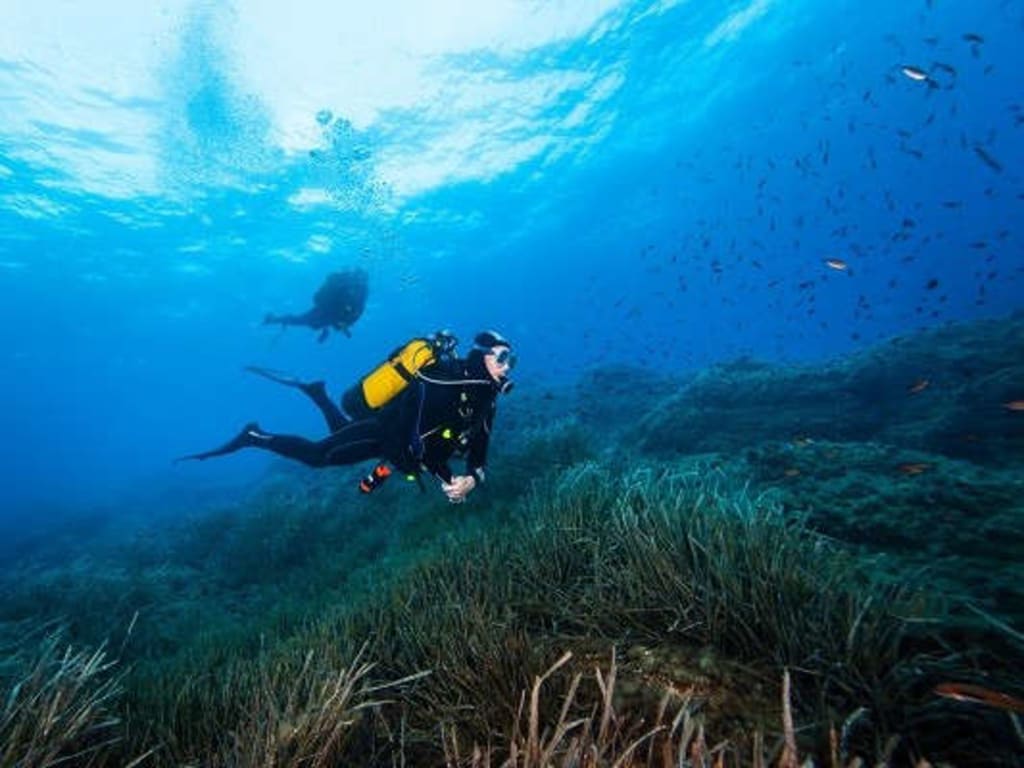
Gokarna has always felt like a place where two worlds quietly coexist. On land, there’s devotion temple bells, barefoot pilgrims, the scent of incense drifting through narrow streets. Just a few steps away, there’s the sea—vast, blue, and endlessly patient. Most people come here seeking peace, spirituality, or a slower rhythm of life. What many don’t expect is that the calm continues far beyond the shoreline. Scuba diving in Gokarna reveals a side of this sacred town that’s hushed, intimate, and deeply grounding.
This isn’t a destination where diving is flashy or over-promoted. Instead, it’s an experience that unfolds gently, rewarding those who are willing to slow down, listen, and breathe a little deeper—both above and below the water.
Why Scuba Diving in Gokarna Feels So Personal
Unlike popular scuba destinations that can feel crowded or commercial, Gokarna offers something refreshingly simple. Diving here doesn’t feel like an activity squeezed into your itinerary; it feels like a natural extension of the town itself. The dive groups are small, instructors are patient, and there’s no pressure to “perform” underwater.
The dive sites around Om Beach, Kudle Beach, and nearby offshore locations feature rocky seabeds, coral patches, and schools of colourful fish moving calmly through clear water. You won’t find dramatic drop-offs or overwhelming marine traffic, but what you do find is space—space to observe, to adjust, and to truly experience your first or next dive.
For beginners especially, scuba diving in Gokarna feels reassuring. The sea is relatively calm during the right season, the depths are manageable, and the focus is always on comfort and safety rather than thrill alone.
Best Time to Visit Gokarna for Scuba Diving
Timing plays a huge role in how enjoyable your dive will be. The best time to visit Gokarna for scuba diving is between October and March. During these months, the Arabian Sea is calmer, underwater visibility improves, and the weather is pleasant enough to enjoy beach time without exhaustion.
November to February stands out as the ideal window. Early morning dives during this period are especially beautiful, with sunlight filtering down into the water and illuminating the marine life below. These months are also perfect for exploring nearby attractions without dealing with extreme heat.
The monsoon season, from June to September, is not suitable for diving. Rough seas, strong currents, and poor visibility make it unsafe, and most dive centers remain closed. April and May are possible for diving, but the heat can be intense on land, so planning early dives and resting through the afternoon is a smart local tip.
How to Reach Gokarna and Settle In
Reaching Gokarna may feel like stepping away from the world, but it’s surprisingly accessible. The closest airport is Dabolim Airport in Goa, about 150 kilometres away. From there, taxis and buses run regularly along a scenic coastal route. Mangalore International Airport, around 240 kilometres away, is another good option for travellers coming from southern India.
If you prefer trains, Gokarna Road Railway Station is well-connected to major cities like Bangalore, Goa, Mumbai, and Mangalore. From the station, it’s a short drive to the town or the beaches.
Once you arrive, Gokarna encourages you to slow down. Renting a scooter is one of the best ways to explore, allowing you to move easily between beaches and viewpoints. Walking is equally rewarding, especially along the coastal trails connecting Kudle Beach, Om Beach, Half Moon Beach, and Paradise Beach—each offering its own mood and scenery.
What Your Scuba Diving Experience Will Be Like
If you’ve never scuba dived before, Gokarna is an excellent place to start. Most dive centers begin with a thorough briefing, explaining the equipment, breathing techniques, and underwater communication in a calm, approachable way. You’ll practice in shallow water first, giving your body time to adjust to breathing underwater and maintaining balance.
Once you’re comfortable, a short boat ride takes you to the dive site. As you descend, the surface noise disappears, replaced by a quiet, rhythmic stillness. Fish move past without urgency, coral formations appear slowly, and the world feels suspended in time.
Dives usually last between 20 and 40 minutes, depending on conditions and your comfort level. Instructors stay close throughout, guiding you gently and ensuring safety at every step. Many first-time divers are surprised not by excitement, but by peace—the sense that the ocean isn’t something to conquer, but something to share space with.
Dive Centers, Travel Safety, and Budgeting Realities
Gokarna has a handful of certified dive operators, mostly located around Om Beach and Kudle Beach. These centers offer beginner dives, refresher courses, and even certification programs. Choosing a reputable operator is essential—look for experienced instructors, proper certifications, and well-maintained equipment.
Travel safety while scuba diving comes down to awareness and preparation. Always follow your instructor’s guidance, avoid touching marine life, and communicate clearly if you feel uncomfortable underwater. Staying hydrated, avoiding alcohol before diving, and getting adequate rest are simple but important precautions.
Budgeting is one of Gokarna’s biggest advantages. A beginner scuba diving experience generally costs ₹2,500 to ₹4,500, including equipment and instructor support. Accommodation options range from budget beach huts starting around ₹600 per night to mid-range guesthouses and eco-resorts. Food is affordable and satisfying, with beach cafés serving fresh seafood, vegetarian thalis, and coastal favourites at reasonable prices.
Nearby Attractions and a Thoughtful 3-Day Itinerary
Scuba diving may be the highlight, but Gokarna offers plenty beyond the water. A relaxed 3-day itinerary allows you to experience both adventure and stillness.
Day one is best spent settling in—explore Kudle Beach or Om Beach, enjoy a slow sunset, and get used to Gokarna’s rhythm. Day two can be dedicated to scuba diving, followed by a long lunch and an afternoon beach trek to Half Moon or Paradise Beach.
On day three, explore Gokarna’s cultural and historical side. Visit the Mahabaleshwar Temple, then take a short trip to Mirjan Fort, a peaceful ruin surrounded by greenery. If you have extra time, Yana Caves or Vibhuti Falls make excellent day trips and add a touch of adventure to your journey.
Final Thoughts: More Than a Dive, It’s a State of Mind
Scuba diving in Gokarna isn’t about chasing the biggest reef or the deepest depth. It’s about presence. About breathing slowly, moving gently, and letting the ocean meet you where you are. In a town where spirituality and simplicity shape daily life, diving feels less like an adventure and more like a meditation.
If you’re a traveller seeking authenticity—someone who values calm over crowds and depth over drama—Gokarna offers something rare. Here, where temples meet the sea, you don’t just explore an underwater world. You learn how to slow down, breathe blue, and carry that stillness with you long after you return to shore.
About the Creator
Keep reading
More stories from Aditi Khandelwal and writers in Wander and other communities.
Mandalpatti jeep safari: Experiencing Coorg Before the World Wakes Up
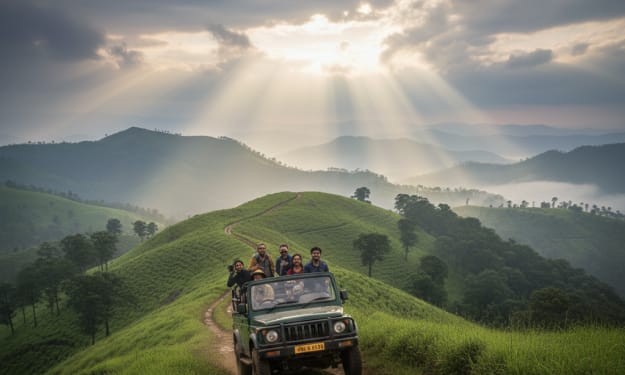
There are very few travel experiences that feel truly personal—where it’s just you, nature, and silence before the rest of the world begins its day. The Mandalpatti jeep safari is one such experience. Tucked away in the hills of Coorg near Madikeri, Mandalpatti offers a rare chance to witness the Western Ghats in their purest form mist floating gently over green valleys, cold mountain air brushing your face, and a quiet so deep you can hear the wind move through the grass.
By Aditi Khandelwal23 days ago in Wander
Why Hanifaru Bay is a Dream Destination for Marine Life Enthusiasts
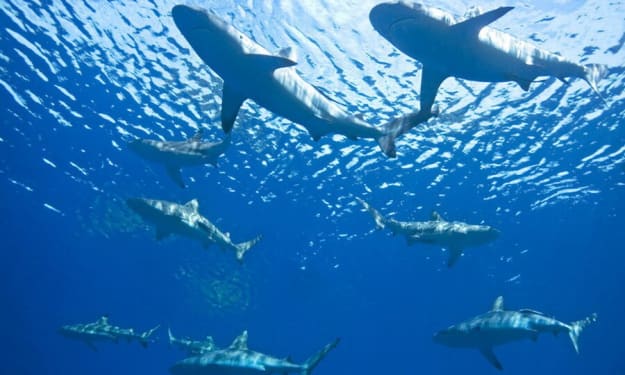
Hanifaru Bay, situated in the Baa Atoll in the Maldives, is one of the earth's most bizarre protected marine areas. This protected zone has a special reputation for the annual visitation of mantas and whale sharks and provides a chance for a nature enthusiast to explore the wonders of the ocean.
By ameliarosannaabout 10 hours ago in Wander
Literary Heartbeats
Step through an unassuming storefront in Saratoga Springs, New York. Let the city’s familiar bustle fade behind you. Sink into the creak of hardwood floors as your gaze is drawn toward a labyrinth unfolding, room after room, swollen with stories. This is the Lyrical Ballad Bookstore—a place where literary ghosts linger, and generations of readers, writers, and dreamers have lost themselves amid 200,000 volumes of wonder.
By Kristen Barenthaler3 days ago in Wander
Wild Card Weekend Recap: What Happens Now?
I think I figured out why I love Wild Card Weekend so much. It's because it's the first playoff anything of the calendar year. The NFL season starts in the fall, and once upon a time, the champion was crowned either on or slightly before New Year's. The evolution of the NFL schedule has resulted in the playoffs starting just into the New Year, and currently, the final week of the season falls on the first weekend of the New Year, with Wild Card Weekend coming a week after that. So yes, chronologically, the NFL's Wild Card Weekend serves as the first playoff anything of the calendar year.
By Clyde E. Dawkins5 days ago in Unbalanced


Comments
There are no comments for this story
Be the first to respond and start the conversation.