
Airlines turning into banks
How Airlines Turned Into Banks Without Anyone Noticing

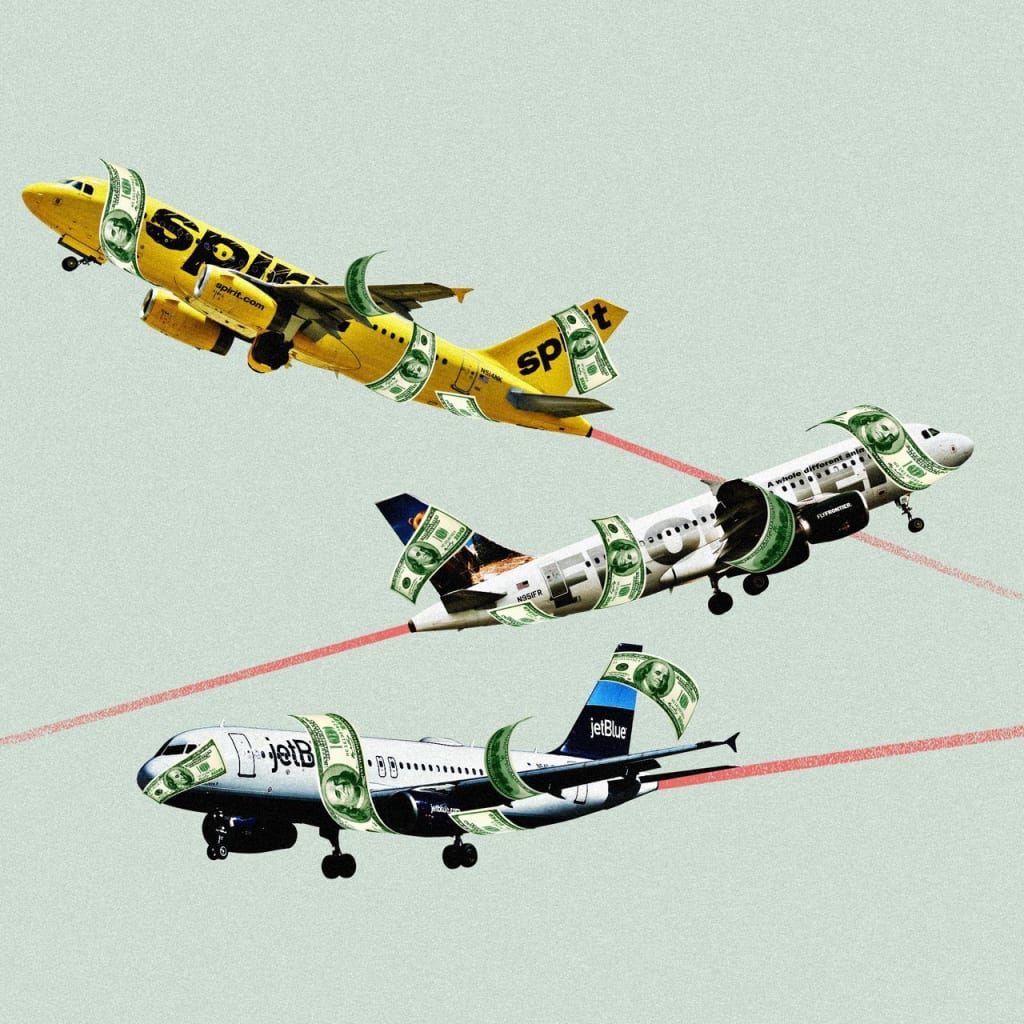
Airlines have long been synonymous with transportation, whisking passengers across the globe with speed and efficiency. However, a profound shift has taken place in the industry, one that has quietly turned airlines into something resembling banks rather than mere carriers of people. This transformation is not only intriguing but has also become a cornerstone of their business model, making their frequent flyer programs more valuable than the airlines themselves. Here’s how it happened.
Frequent Flyer Programs
The COVID-19 pandemic was a seismic event for the global aviation industry, grounding fleets, emptying airports, and plunging airlines into unprecedented financial turmoil. With travel restrictions and a steep decline in passenger demand, airlines faced a stark financial reality: they needed massive infusions of cash to stay afloat. As revenue streams dried up, traditional methods of securing loans—such as leveraging physical assets like planes and routes—became less viable. This led airlines to explore unorthodox collateral to secure the funds they desperately needed.
One of the most striking examples of this financial ingenuity came from United Airlines, a major U.S. carrier and a stalwart in the global aviation industry. Founded in 1926, United Airlines has been a significant player in the development of commercial aviation, with a robust network connecting cities worldwide. However, even a giant like United was not immune to the crippling effects of the pandemic. As the airline scrambled to survive, it turned to an asset that had long been valuable but was seldom considered as collateral: its frequent flyer program, MileagePlus.
MileagePlus, United Airlines' frequent flyer program, is one of the oldest and most established loyalty programs in the aviation industry. Initially launched as a way to reward loyal customers, the program allowed passengers to accumulate miles that could be redeemed for free flights, upgrades, and other travel-related perks. Over the decades, MileagePlus evolved from a simple loyalty scheme into a sprawling financial ecosystem, with miles becoming a form of currency that could be earned and spent across a wide range of activities and industries.
When United Airlines approached lenders in the early days of the pandemic, it became clear that traditional collateral would not suffice to secure the $5 billion loan the airline needed. Instead, United decided to leverage its MileagePlus program. This move required the airline to disclose the financial details of the program—a revelation that stunned industry analysts and investors alike. The disclosed value of MileagePlus was a staggering $21.9 billion, more than twice the airline's market value at the time. This revelation highlighted a surprising reality: the frequent flyer program was not just a supplementary business but a financial juggernaut in its own right. The miles sold to partners such as credit card companies, retailers, and other businesses generated significant revenue, far outstripping the profits from the airline's core operations.
United Airlines was not alone in this strategy. Delta Air Lines and American Airlines, two of United's primary competitors, also revealed the immense value of their loyalty programs during the pandemic. Delta's SkyMiles program was valued at $26 billion, while American's AAdvantage program was pegged at $31.5 billion. These valuations were eye-opening, underscoring the fact that frequent flyer programs had quietly become the most valuable assets these airlines owned. The implications of these revelations were profound. They forced the industry and the public to reevaluate what it meant to be an airline in the modern era. No longer were airlines merely companies that transported passengers from point A to point B. They had become sophisticated financial entities, with loyalty programs at the heart of their business models.
The transition from simple loyalty schemes to multi-billion-dollar financial assets did not happen overnight. It was the result of decades of strategic partnerships and the evolution of the concept of "miles" as a form of currency. Initially, frequent flyer programs were designed to build customer loyalty, encouraging repeat business by offering free flights and other rewards to frequent travelers. However, as airlines began partnering with credit card companies and other businesses, these programs grew exponentially in value.
Credit card companies, in particular, became significant buyers of miles, offering them as rewards to customers who used co-branded credit cards. Every time a customer swiped one of these cards, they earned miles, and the airline earned revenue from the credit card issuer. This created a lucrative cycle where miles were continuously bought, sold, and redeemed, turning frequent flyer programs into massive profit centers. Moreover, these programs were structured in a way that allowed airlines to earn more from selling miles than they did from actual flight operations. With low overhead costs and high demand, selling miles became one of the most profitable aspects of running an airline.
The disclosure of the true value of frequent flyer programs during the pandemic was a watershed moment for the airline industry. It revealed that airlines had evolved into entities that were as much about finance as they were about transportation. The frequent flyer programs, originally designed to reward customer loyalty, had become financial powerhouses that generated billions in revenue and, in some cases, were more valuable than the airlines themselves. This transformation, though gradual and largely unnoticed by the public, has redefined what it means to be an airline in the 21st century.
The Power of Loyalty
Frequent flyer programs, once modest loyalty schemes, have evolved into financial behemoths that generate billions of dollars for airlines. These programs began with humble origins, akin to a punch card at a local sandwich shop—fly a certain number of times, and you’d earn a free flight. However, the deregulation of the airline industry in 1978 set the stage for these programs to rapidly transform into complex financial ecosystems, reshaping the way airlines do business and how they generate profits.
The first major frequent flyer program, American Airlines' AAdvantage, was launched in 1981. It was a groundbreaking concept at the time, designed to foster customer loyalty in an increasingly competitive industry. With deregulation, airlines were no longer bound by strict government controls on routes and pricing, leading to fierce competition among carriers. In this environment, customer loyalty became a crucial differentiator, and frequent flyer programs were the perfect tool to secure it. AAdvantage quickly proved its worth. Members of the program were more likely to choose American Airlines, even if it meant paying slightly higher prices, just to accumulate miles that could be redeemed for free flights and other rewards. This loyalty translated into steady revenue streams for American Airlines, providing a buffer against the volatility of the airline industry. The success of AAdvantage spurred other airlines to develop their own frequent flyer programs, marking the beginning of a new era in aviation.
The real transformation of frequent flyer programs, however, occurred when airlines began to realize that the value of these programs extended far beyond just rewarding passengers for flying. The potential to monetize these programs through partnerships with external companies became apparent, leading to a revolution in how airlines generated revenue. One of the most significant developments in this evolution was American Airlines' partnership with Citibank in 1987 to create a co-branded credit card. This partnership was a game-changer. For every dollar spent on the card, customers earned miles that could be redeemed for flights, upgrades, and other travel perks. The genius of this arrangement was that it allowed customers to earn miles not just by flying, but by spending money on everyday purchases. This dramatically increased the number of miles in circulation and, more importantly, opened up a new revenue stream for the airline. The sale of miles to credit card companies like Citibank became a massive profit center. Airlines could sell miles in bulk to their financial partners, who would then distribute them to customers as rewards. This created a lucrative cycle where miles were continuously bought, sold, and redeemed, with the airlines raking in the profits.
The success of the Citibank partnership inspired other airlines to form similar agreements, not just with banks but with a wide range of partners, including car rental companies, hotels, and retailers. These partnerships meant that customers could earn miles for almost any type of purchase, from booking a cruise to buying groceries. The widespread availability of miles made frequent flyer programs even more attractive to consumers, driving further engagement and loyalty. As a result, frequent flyer programs evolved from simple customer retention tools into sophisticated financial products. The miles sold to external partners represented pure profit for the airlines, often with minimal cost to fulfill when customers redeemed them. This shift in the business model meant that frequent flyer programs became some of the most profitable segments of the airline industry. In many cases, these programs now generate more revenue than the airlines' core business of flying passengers. While the transportation side of the business often struggles with high operational costs, fuel price volatility, and fierce competition, frequent flyer programs continue to grow, providing a steady and highly profitable revenue stream.
Today, frequent flyer programs are a critical component of airline profitability, underpinning their financial stability even when the core business faces challenges. These programs have turned airlines into powerful financial players, with their value often exceeding that of the airlines themselves. By leveraging the power of loyalty, airlines have tapped into a nearly limitless source of revenue, turning what was once a simple reward scheme into a multi-billion-dollar industry.
Airlines as Financial Institutions
The transformation of airlines from mere transportation companies into financial powerhouses is a story of strategic evolution and economic ingenuity. What began as simple loyalty programs designed to reward frequent travelers has morphed into complex financial systems that drive significant revenue for airlines. Today, airlines operate in ways that more closely resemble banks, with the sale of frequent flyer miles becoming their primary revenue source. This shift has been subtle but remarkably effective, positioning airlines as major players in the financial world.
Frequent flyer programs were initially created to encourage customer loyalty, with airlines rewarding passengers based on the distance they traveled. However, as these programs grew, airlines recognized the potential to monetize miles on a much larger scale. By the 1980s, airlines began selling miles to third parties, particularly credit card companies, who would then offer them as rewards to their customers. This development was transformative. Airlines could now generate revenue not just from ticket sales, but from the sale of miles—effectively creating a new, highly profitable product. Over time, the sale of miles has become akin to the issuance of currency. Airlines sell miles in bulk to credit card companies, retailers, and other partners, who in turn distribute them to consumers as rewards. These miles are traded and sold, creating a lucrative cycle of earning and redemption. For consumers, the appeal of earning miles on everyday purchases is strong, driving further engagement with the program and increased spending on the associated credit cards.
One of the key reasons frequent flyer programs are so valuable to airlines is their unique tax status. Despite functioning similarly to a form of currency, miles are not subject to taxation. They are considered rebates rather than income, allowing airlines to generate significant profits with minimal regulatory oversight. This tax-exempt status is a major advantage, enabling airlines to capitalize on the financial power of miles without the burden of additional taxes. For airlines, this means that every mile sold to a credit card company or other partner is pure profit, largely unencumbered by tax obligations. This financial windfall has made frequent flyer programs one of the most profitable aspects of the airline business, far outstripping the profit margins of their traditional transportation services.
As frequent flyer programs grew in popularity, airlines faced challenges in ensuring these programs remained profitable. The original model, where miles were awarded based on the distance flown, was vulnerable to exploitation. Passengers could accumulate large amounts of miles on low-cost, long-haul flights, which was unprofitable for airlines. To address this, airlines began shifting towards revenue-based systems in the mid-2010s. Under the new structure, miles are awarded based on the amount of money spent rather than the distance traveled. This shift ensures that passengers who spend more—whether on premium tickets or additional services—are rewarded with more miles. The move to a revenue-based model was a strategic decision that aligned the interests of airlines with those of their customers. It ensures that airlines earn a healthy margin on the miles they issue, and it discourages behaviors that were previously unprofitable, such as booking cheap long-haul flights just to accumulate miles. Moreover, airlines have introduced various tiers and elite statuses within these programs, further incentivizing spending. Higher spenders receive additional perks and faster mile accumulation, driving even more revenue for the airline. This restructuring of frequent flyer programs has been a key factor in transforming them from simple loyalty schemes into major financial engines.
Today, the financial operations of airlines are heavily intertwined with their frequent flyer programs. These programs are not just tools for customer retention; they are central to the business models of many major airlines. The sale of miles provides a steady and highly profitable revenue stream, often outpacing the income from ticket sales. In many ways, airlines now operate like financial institutions. They issue a form of currency (miles), manage a complex network of partnerships, and generate revenue through the trade and sale of these miles. The success of this model has fundamentally changed the nature of the airline industry, turning carriers into financial powerhouses with significant influence in the markets where they operate.
As airlines continue to refine and expand their frequent flyer programs, their role as financial institutions will only grow stronger. The ability to generate billions of dollars from miles sales, coupled with the tax advantages and strategic restructuring of these programs, ensures that airlines will remain powerful financial players. The shift from transportation companies to financial powerhouses may have been subtle, but its impact on the industry—and on consumers—has been profound.
Airlines as Loyalty Program Operators
In the current landscape of the airline industry, the traditional concept of airlines as mere transportation providers has dramatically shifted. Airlines have effectively transformed into operators of vast loyalty programs that also happen to fly planes. This change reflects the growing importance of frequent flyer programs and the revenue they generate, which has come to eclipse the profits made from actual ticket sales. The modern airline is now a financial institution with wings, where the focus has shifted from moving passengers to monetizing their loyalty.
Frequent flyer programs began as a way to reward customers for their loyalty by offering free flights after a certain number of miles flown. However, over time, these programs have evolved into complex financial ecosystems. The real breakthrough came when airlines started partnering with banks to offer co-branded credit cards. These cards allow customers to earn miles not just by flying, but by making everyday purchases. The miles accumulated through credit card spending can then be redeemed for flights, upgrades, and other perks, creating a lucrative loop for both airlines and banks. For airlines, the sale of miles to banks has become a significant revenue stream. Banks purchase miles in bulk and offer them to credit card holders as rewards, creating a steady flow of income for airlines. This model is so profitable that it has become the cornerstone of the modern airline business. In fact, many airlines now earn more from selling miles to credit card companies than from selling tickets to passengers. This shift has transformed frequent flyer programs from simple loyalty schemes into major profit centers.
The influence of frequent flyer programs on the flying experience is unmistakable, particularly in the U.S. Airports are adorned with advertisements for co-branded credit cards, enticing travelers to sign up and start earning miles. Lounges, once a haven for all passengers, are now largely reserved for frequent flyers and elite members of loyalty programs. Even the in-flight experience has been co-opted by these programs, with flight attendants routinely pitching credit cards to passengers mid-flight. This pervasive marketing strategy is designed to funnel customers into loyalty programs, where they can be monetized more effectively. For airlines, the goal is not just to fill seats on planes, but to drive engagement with their loyalty programs. Every aspect of the flying experience is designed to encourage passengers to sign up for a co-branded credit card, earn miles, and eventually spend more money with the airline. The more miles a customer earns, the more likely they are to stay loyal to the airline, even if it means paying higher fares or accepting less convenient flight schedules. This loyalty is then monetized through the sale of miles to banks and other partners, creating a continuous revenue stream that is largely independent of the airline's core business of flying.
The profitability of loyalty programs has reached a point where airlines are willing to lose money on actual flights to prop up their loyalty businesses. This paradoxical situation arises because the value generated by frequent flyer programs far exceeds the thin margins typically associated with ticket sales. In some cases, airlines have been known to operate flights at a loss, using them primarily as a means to generate miles that can be sold to banks and other partners. This shift has fundamentally changed the business model of airlines. They are no longer just in the business of transporting passengers from one place to another; they are in the business of creating and selling loyalty. The planes they operate and the flights they offer are merely vehicles for driving engagement with their loyalty programs. In this new reality, the airline itself is less important than the financial ecosystem it has created around its frequent flyer program.
The transformation of airlines into loyalty program operators has led to a blurring of the lines between transportation and finance. Airlines now operate more like financial institutions, issuing a form of currency (miles) and managing a complex network of partnerships with banks, retailers, and other businesses. This financialization of the airline industry has allowed airlines to remain profitable in an era of rising fuel costs, increased competition, and fluctuating demand for air travel. The irony of this situation is that airlines have become more financially successful by focusing less on flying and more on monetizing loyalty. The modern airline is a financial institution that happens to have planes, rather than a transportation company with a sideline in loyalty programs. This shift has profound implications for the future of the industry, as airlines continue to explore new ways to generate revenue from their most valuable asset: customer loyalty.
As airlines continue to evolve, their role as operators of loyalty programs will only become more central to their business models. The profitability of frequent flyer programs ensures that airlines will remain focused on monetizing customer loyalty, even if it means losing money on flights. The transformation of airlines into financial institutions with wings represents a new age for the industry, where the true value lies not in the planes they fly, but in the loyalty they cultivate.
Final Thoughts
The transformation of airlines into financial giants has been a gradual yet significant shift. While they continue to transport passengers, their true value lies in the sophisticated financial networks they’ve built around loyalty programs. These programs have become the lifeblood of the industry, turning airlines into something far more complex and lucrative than mere transportation companies. As passengers, we may still see them as airlines, but in reality, they have quietly evolved into banks with a unique business model that thrives on our loyalty.
About the Creator
Horace Was
Essay Writer, Aviation and Technology Expert
Keep reading
More stories from Horace Was and writers in Wander and other communities.
Aviation Investment in the Mother-Land
The African aviation sector is undergoing a transformation, with increased investments from within the continent aiming to revive and enhance its capabilities. This blog explores how African nations and companies are channeling resources into their aviation industries, examining the motivations behind these investments, the challenges faced, and the potential benefits for the continent.
By Horace Was2 years ago in Wander
Worth the Wait: Puerto Viejo, Costa Rica
Beach bumming in a small Caribbean beach town sounded like a perfect way to end our 6-month trip through Mexico and Central America. Or so we thought. The foul, fishy stench of rotten seaweed hit our nostrils as we stepped from the cramped bus and looked out at a rather depressing, empty, and underwhelming black sand beach. It was pouring with rain, and we had to quickly fish out our ponchos. We thought, this couldn’t be it, could it?
By Sh*t Happens - Lost Girl Travel5 days ago in Wander




Comments
There are no comments for this story
Be the first to respond and start the conversation.