
Aviation Investment in the Mother-Land
African Investment in the Aviation Industry


The African aviation sector is undergoing a transformation, with increased investments from within the continent aiming to revive and enhance its capabilities. This blog explores how African nations and companies are channeling resources into their aviation industries, examining the motivations behind these investments, the challenges faced, and the potential benefits for the continent.
The African Aviation Landscape
Africa’s aviation industry has historically struggled with numerous challenges, including underinvestment, fragmented markets, and political instability. Despite these hurdles, the sector has shown resilience and potential for growth. Recent trends indicate a renewed focus on developing and expanding African airlines, driven by both economic opportunities and the need for greater connectivity.
Key Investments and Strategic Moves
1. South African Investment in Air Care

Allegiance Capital, a prominent South African investment firm, is making headlines with its bold commitment of $25 million towards revitalizing Air Care, the national airline of the Republic of Congo. This strategic move is not merely a financial investment but a significant part of a broader vision to rejuvenate and modernize the African aviation sector. Allegiance Capital’s investment underscores a growing trend among African firms to take proactive roles in transforming the continent's aviation landscape.
Founded in 2000, Allegiance Capital has built a reputation for identifying and nurturing high-potential investment opportunities across various sectors. The firm’s foray into the aviation industry, particularly with Air Care, highlights its strategic focus on enhancing connectivity and fostering regional economic growth. Air Care, established in 1961, has faced numerous challenges over the years, including financial difficulties and operational inefficiencies. Allegiance Capital’s involvement is set to address these issues head-on, providing much-needed capital to restore the airline to its former glory.
Impact of Investment
The $25 million investment by Allegiance Capital is poised to have a transformative impact on Air Care and, more broadly, on Central Africa’s aviation sector. Here’s how this investment is expected to shape the future:
Boosting Connectivity in Central Africa. Central Africa has historically been underserved in terms of air connectivity. The revitalization of Air Care is expected to improve connectivity within the region, linking remote and underserved areas with major cities. This increased connectivity will facilitate easier travel for passengers and more efficient movement of goods, ultimately enhancing economic integration within Central Africa.
Reducing Fragmentation in the Aviation Space. The African aviation market has often been criticized for its fragmentation, with numerous small and often inefficient airlines operating in isolation. Allegiance Capital’s investment aims to consolidate and streamline operations, reducing fragmentation and creating a more cohesive and integrated aviation network. By restoring Air Care, the firm hopes to set a precedent for other regional airlines, encouraging them to adopt best practices and improve operational efficiency.
Fostering Regional Economic Growth. The revival of Air Care is expected to stimulate regional economic growth by generating employment opportunities and supporting local businesses. An efficient national carrier can act as a catalyst for economic development, boosting tourism, trade, and investment in the Republic of Congo and neighboring countries. Improved air connectivity can also attract foreign investment, contributing to the overall economic prosperity of the region.
Modernizing Operations and Fleet. Part of the investment will be directed towards modernizing Air Care’s fleet and operations. This includes upgrading aircraft, enhancing safety standards, and improving customer service. A modern and efficient airline is better equipped to compete in the global aviation market, attracting more passengers and generating higher revenue.
Strengthening Regional Partnerships: Allegiance Capital’s investment also reflects a broader trend of increasing regional collaboration. By investing in Air Care, the firm is not only supporting a single airline but also contributing to a regional network of partnerships. This collaborative approach can lead to more coordinated efforts in addressing common challenges faced by African airlines, such as infrastructure deficits and regulatory hurdles.
Allegiance Capital’s $25 million investment in Air Care represents a significant step towards revitalizing the aviation industry in Central Africa. By addressing key challenges and focusing on modernization, connectivity, and regional economic growth, this investment has the potential to transform Air Care into a leading airline in the region. As the project progresses, it will be essential to monitor the outcomes and assess the broader impact on the African aviation sector. If successful, this initiative could serve as a model for future investments and developments across the continent, paving the way for a more interconnected and prosperous African aviation industry.
2. Ethiopian Airlines’ Expansion

Ethiopian Airlines, Africa’s largest and most influential airline, has embarked on an ambitious expansion strategy by investing in and acquiring stakes in several African airlines. This strategic approach is part of its broader vision to create a unified and efficient African aviation network. Among its notable investments are stakes in Chadia Airways, Mozambique Airlines, and Malawian Airlines, as well as the launch of Zambia Airways.
Ethiopian Airlines' investment in Chadia Airways, which serves Chad, is aimed at improving connectivity and expanding its reach in West and Central Africa. By acquiring a significant stake in Mozambique Airlines, the Ethiopian carrier is strengthening its presence in Southern Africa, an important region for trade and travel. Similarly, its investment in Malawian Airlines helps consolidate its influence in East Africa, where it has a well-established network.
The most ambitious move has been the establishment of Zambia Airways. Ethiopian Airlines leveraged its extensive experience and resources to launch this new national carrier. The new airline aims to address gaps in Zambia’s air transport sector, providing more reliable and efficient services for both passengers and cargo.
Ethiopian Airlines’ expansion strategy holds promising prospects for the future of African aviation. Here’s a closer look at how these investments are expected to shape the regional landscape:
Creating a Cohesive African Aviation Network. By acquiring stakes in various African airlines and launching new ones, Ethiopian Airlines is working towards a more integrated and cohesive aviation network. This network is crucial for improving connectivity across the continent, making travel more accessible and efficient. A cohesive network can also streamline operations and reduce costs, benefiting both airlines and passengers.
Enhancing Regional Connectivity. One of the primary goals of Ethiopian Airlines’ expansion is to enhance regional connectivity. By linking different parts of Africa through its network of partner airlines, Ethiopian Airlines is addressing the historical fragmentation in the continent’s aviation sector. Improved connectivity facilitates easier travel, promotes tourism, and boosts trade between countries, contributing to regional economic development.
Supporting Growth of New and Existing Airlines. Ethiopian Airlines’ investments provide valuable support to both new and existing airlines. For new entrants like Zambia Airways, the backing of a well-established airline offers crucial financial stability and operational expertise. Existing airlines, on the other hand, benefit from Ethiopian Airlines’ experience in managing large-scale operations and maintaining high service standards.
Strengthening Market Position. The strategic acquisitions and investments help Ethiopian Airlines strengthen its position as a leading player in the African aviation market. By expanding its footprint and forming strategic alliances, Ethiopian Airlines can better compete with other major carriers and enhance its market share. This position allows the airline to influence industry standards and practices, setting benchmarks for others to follow.
Driving Economic Growth: The expansion of Ethiopian Airlines and its network of partner airlines contributes to economic growth across Africa. Improved air connectivity facilitates trade and investment, supports local businesses, and generates employment opportunities. The presence of a strong and efficient airline network is crucial for economic development, particularly in emerging markets.
Fostering Regional Collaboration. Ethiopian Airlines’ expansion also promotes regional collaboration within the African aviation industry. By working with other airlines and governments, Ethiopian Airlines is fostering a spirit of cooperation that can lead to shared solutions for common challenges. This collaborative approach can address issues such as regulatory hurdles, infrastructure deficits, and market fragmentation.
Ethiopian Airlines’ strategic acquisitions and investments are shaping the future of African aviation by creating a more integrated, efficient, and connected network. The airline’s commitment to enhancing regional connectivity, supporting the growth of new and existing airlines, and driving economic development underscores its role as a key player in transforming the African aviation sector. As Ethiopian Airlines continues to expand and strengthen its network, the benefits are likely to be felt across the continent, contributing to a more dynamic and prosperous aviation industry.
3. Rebirth of Air Congo
The revival of Air Congo, with a notable 49% equity stake from Ethiopian Airlines, marks a significant milestone in the African aviation landscape. Scheduled for relaunch in early 2022, this venture is poised to play a pivotal role in reconnecting the Congo and enhancing regional integration across Central Africa.
Strategic Partnership
The partnership between Ethiopian Airlines and Air Congo represents a strategic alliance designed to address the gaps in the region's aviation sector. Ethiopian Airlines, with its extensive experience and established network, brings valuable expertise and resources to the table. This investment not only signifies Ethiopian Airlines’ commitment to expanding its influence but also reflects its confidence in the potential of the Congolese market.
Air Congo’s relaunch is set to benefit from Ethiopian Airlines' operational know-how, advanced technology, and robust management practices. The presence of Ethiopian Airlines as a major stakeholder is expected to elevate the standards of Air Congo, ensuring that it meets international aviation norms and delivers high-quality service.
Impact on Connectivity
One of the primary objectives of reviving Air Congo is to enhance connectivity within the Congo and to neighboring regions. The Democratic Republic of Congo (DRC) is a vast country with diverse geographical and economic landscapes, making air travel a crucial component of its transportation infrastructure. By reintroducing Air Congo, the goal is to improve connectivity between major cities within the DRC and link the country more effectively with its regional neighbors.
Improved connectivity is anticipated to facilitate trade, boost tourism, and foster economic growth. As Air Congo expands its network, it will provide essential links between key economic hubs and underserved regions, addressing the current gaps in air transportation. This enhanced connectivity is likely to stimulate economic activity, attract investment, and support local businesses.
Fostering Regional Integration
The revival of Air Congo also plays a significant role in regional integration efforts across Central Africa. The airline's operations are expected to bolster regional air travel, which has historically been fragmented and limited. By establishing a reliable and efficient air transport service, Air Congo aims to bridge gaps between Central African nations and promote greater economic and social cohesion.
Regional integration is crucial for addressing common challenges and leveraging shared opportunities. Air Congo's network expansion is likely to support collaborative initiatives, such as cross-border trade agreements and regional development projects. The airline's role in facilitating smoother and more frequent travel can enhance cooperation between neighboring countries and contribute to a more interconnected Central Africa.
Economic and Social Benefits
The relaunch of Air Congo is expected to yield significant economic and social benefits for the region. On the economic front, the airline is poised to create job opportunities, stimulate local businesses, and drive economic growth through increased trade and tourism. The introduction of new routes and improved services will likely attract both domestic and international travelers, boosting revenue for the airline and contributing to the local economy.
Socially, Air Congo’s revival is anticipated to improve accessibility and quality of life for Congolese citizens. Reliable air transportation can facilitate easier access to healthcare, education, and other essential services. Additionally, the enhanced connectivity will support cultural exchange and foster greater understanding between communities across the region.
Challenges and Future Outlook
While the prospects for Air Congo’s revival are promising, there are challenges to address. Ensuring financial sustainability, maintaining high operational standards, and navigating regulatory environments are key factors that will influence the airline's success. Ethiopian Airlines' involvement is a critical asset in overcoming these challenges, but ongoing commitment and collaboration will be essential. The rebirth of Air Congo, with Ethiopian Airlines holding a 49% equity stake, represents a transformative step for the Congolese and Central African aviation sectors. By enhancing connectivity, fostering regional integration, and driving economic and social benefits, Air Congo is set to play a crucial role in shaping the future of air travel in the region. As the airline prepares for its relaunch, the anticipation surrounding its impact underscores the significant potential for positive change in Central Africa’s aviation landscape.
Challenges and Opportunities
Regulatory and Operational Hurdles
Bilateral Agreements and Barriers. The African aviation market is often hindered by restrictive bilateral air service agreements, trade barriers, and tariff challenges. These factors can make it more expensive for African carriers to operate within the continent compared to international routes.
Political and Economic Instability. Political influences and economic instability can affect the efficiency and viability of African airlines, creating obstacles to consolidation and growth.
Potential for Growth
Economic Benefits. Investments in aviation are expected to generate economic benefits, including increased cargo volumes and reduced transportation costs. The growth in African cargo volumes by 24.6% in March 2021 highlights the sector's potential.
Private Investment and Market Liberalization. There is a growing trend towards private investment and market liberalization, which could reduce state control and foster a more competitive and dynamic aviation sector.
4. Kenya Airways: Leading the Charge in East African Aviation
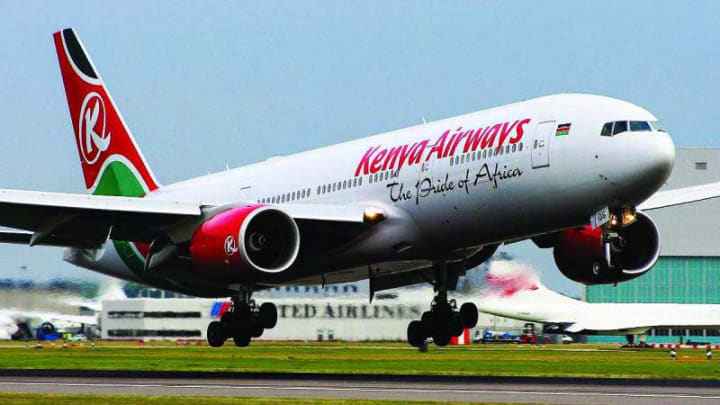
Kenya Airways, often referred to as “The Pride of Africa,” has been a pivotal player in East Africa’s aviation sector. The airline's strategy includes significant investments and strategic alliances aimed at reinforcing its position as a leading regional carrier. Recent efforts by Kenya Airways focus on expanding its network, modernizing its fleet, and strengthening partnerships within the continent and beyond. Kenya Airways has embarked on an ambitious fleet modernization program to enhance its operational efficiency and passenger experience. The airline has invested in acquiring new aircraft and upgrading its existing fleet. This investment aims to ensure that Kenya Airways operates with one of the most advanced and eco-friendly fleets in Africa. The addition of newer, more fuel-efficient aircraft will help reduce operational costs, lower emissions, and improve overall service quality.
Network Expansion
To bolster its regional and international presence, Kenya Airways has been expanding its network of routes. The airline’s strategy involves increasing connectivity between major cities in East Africa and key global destinations. By launching new routes and strengthening existing ones, Kenya Airways aims to provide passengers with more travel options and facilitate better connections for business and leisure travelers. One of the notable expansions includes the introduction of flights to underserved destinations within Africa, enhancing regional connectivity. Additionally, Kenya Airways has been strengthening its presence in global markets, focusing on key hubs in Europe, Asia, and the Middle East. These expansions are designed to position Kenya Airways as a major player in the global aviation industry and drive economic growth through increased tourism and trade.
Strategic Partnerships
Kenya Airways has strategically aligned itself with various international airlines and alliances to enhance its global reach. The airline is a member of the SkyTeam alliance, which provides it with access to an extensive network of routes and benefits from collaborative partnerships with other member airlines. This affiliation allows Kenya Airways to offer passengers a wider range of destinations and seamless travel experiences. In addition to its SkyTeam membership, Kenya Airways has formed bilateral partnerships with airlines across the globe. These partnerships facilitate code-sharing agreements, joint ventures, and other collaborative efforts that enhance connectivity and offer mutual benefits. Through these alliances, Kenya Airways can provide its passengers with greater travel options and benefit from shared resources and expertise.
Economic and Social Impact
Kenya Airways’ investments and expansions have far-reaching economic and social impacts. On the economic front, the airline plays a crucial role in driving growth in Kenya’s tourism sector, which is a significant contributor to the country’s GDP. Increased connectivity and improved air travel services attract international tourists, supporting local businesses and generating employment opportunities. Socially, Kenya Airways contributes to the accessibility of education, healthcare, and other essential services by providing reliable air transportation. The airline’s network expansion facilitates easier access to these services for communities across East Africa. Moreover, Kenya Airways’ role in fostering regional integration and cultural exchange is vital for promoting understanding and collaboration among East African nations.
While Kenya Airways’ strategic initiatives are promising, the airline faces challenges such as fluctuating fuel prices, regulatory hurdles, and competitive pressures from other regional and international carriers. Addressing these challenges requires ongoing investment in technology, operational efficiency, and customer service.
The future outlook for Kenya Airways is positive, with continued investments in fleet modernization, network expansion, and strategic partnerships set to drive its growth. The airline’s commitment to enhancing connectivity, supporting regional development, and providing high-quality services positions it as a leader in East African aviation. Kenya Airways’ efforts to modernize its fleet, expand its network, and forge strategic partnerships underscore its role as a key player in the aviation industry. As the airline continues to advance its objectives, it will contribute significantly to the growth and development of East Africa’s aviation sector, fostering economic prosperity and regional integration.
Looking Ahead
The future of African aviation hinges on overcoming existing challenges and capitalizing on the opportunities presented by increased investment. Joint ventures and strategic partnerships, such as those seen with Allegiance Capital and Ethiopian Airlines, may offer a pathway to a more integrated and efficient aviation network across the continent.
As African nations continue to invest in their aviation industries, the sector is poised for significant transformation. Enhanced connectivity, improved airline operations, and greater economic integration are all within reach if the current momentum is maintained and challenges are effectively addressed.
Closing
The revitalization of Africa’s aviation sector through strategic investments and partnerships represents a promising development for the continent. By focusing on collaboration and investment, African nations are setting the stage for a more connected and prosperous future in aviation. As these initiatives take flight, they have the potential to transform the industry, driving economic growth and enhancing connectivity across Africa.
About the Creator
Horace Was
Essay Writer, Aviation and Technology Expert
Keep reading
More stories from Horace Was and writers in Wander and other communities.
How Do Planes Fly?
Airplanes are among humanity's most remarkable achievements, capable of transporting people and cargo across vast distances in just a few hours. However, for many, the process of flight remains a mystery. How do these enormous metal machines manage to stay in the air, soaring thousands of feet above the ground? The answer lies in a fascinating interplay of physical forces, clever engineering, and meticulous design. In this blog post, we'll delve deep into the science behind flight, breaking down the key elements that allow airplanes to defy gravity.
By Horace Was2 years ago in Wander
Worth the Wait: Puerto Viejo, Costa Rica
Beach bumming in a small Caribbean beach town sounded like a perfect way to end our 6-month trip through Mexico and Central America. Or so we thought. The foul, fishy stench of rotten seaweed hit our nostrils as we stepped from the cramped bus and looked out at a rather depressing, empty, and underwhelming black sand beach. It was pouring with rain, and we had to quickly fish out our ponchos. We thought, this couldn’t be it, could it?
By Sh*t Happens - Lost Girl Travel9 days ago in Wander
The "Alternate Route" Guide: Navigating the 2026 Sri Lanka Transit Shift
For the first two months of 2026, Sri Lanka was the undisputed darling of the global travel scene. The island shattered arrival records, welcoming over 550,000 visitors who flocked to our shores for the T20 World Cup and the blooming hills of the tea country. But as of early March, the "aerial bridge" through the Gulf—the massive transit corridor through Dubai, Doha, and Abu Dhabi that typically carries over a third of our island’s tourists—effectively shifted into a complex logistical puzzle due to regional airspace closures.
By Seth Marshal6 days ago in Wander
Sometimes It's Like That and That'sThe Way It Is
It was the late 1960s, and ten-year-old Gloria Coleman was standing with her grandmother on the side of the highway waiting for the bus. As the Greyhound pulled up, it seemed monstrous and intimidating. Grandma Elizabeth grabbed Gloria's hand, holding it tightly as they boarded.
By Cheryl E Prestona day ago in Fiction



Comments
There are no comments for this story
Be the first to respond and start the conversation.