
A Love Letter to Japan: Stay True to Yourself
An ode to a country of quiet rituals, deep respect, and the beauty of everyday life — in a world rushing to modernize, Japan taught me the value of being still.

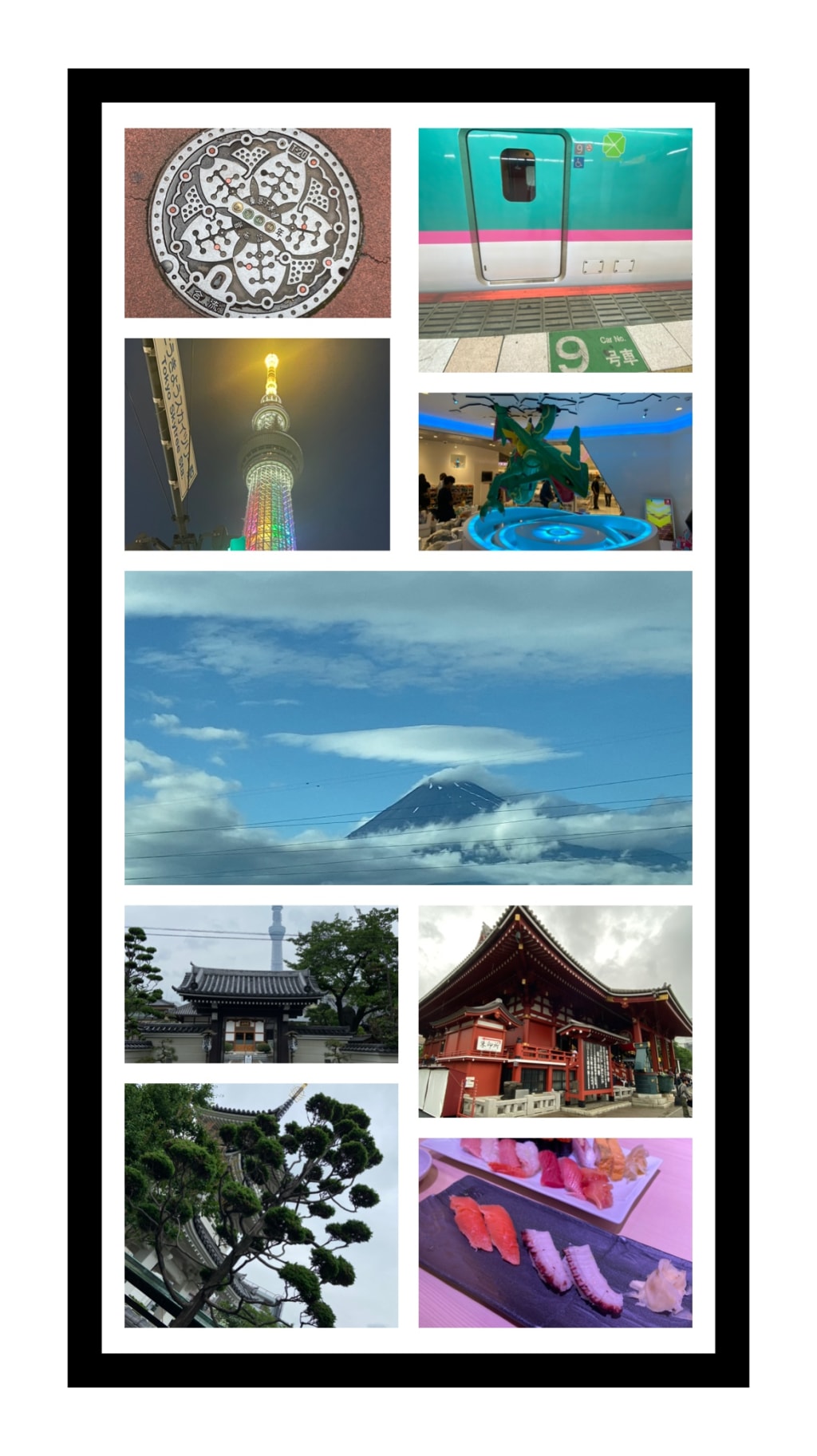
After my latest trip to Japan earlier this year, I feel compelled to write about what I notice and have read about this unique country over the years — in particular, its people and their habits.
I have been fortunate to travel to more than 60 countries in my life, and there is just something about Japan that makes it the most incredible place. It’s a unique experience for me, and the more I know, the more I want to know. To the Japanese, it’s just Japan — it’s simply how it is — but to a visitor like me, it’s a country of culture and small nuances that create a rich fabric of everyday life. Respect. Trust. Culture. Tradition. Travel. Food.
The Japanese have a tradition known as ikigai, which is a person’s reason to get up in the morning — to live every day for. It can be anything: to see the sunrise, to spend time with a friend, to do an activity, to work preparing the highest quality sushi dishes, or simply to enjoy a coffee in a particular place at a particular time of day. To me, this tradition is not about the activity itself — it’s about the ideal that a person discovers and knows what their reason for living is and religiously makes it part of their everyday.
I have visited Japan a few times, and the orderly nature of their behaviour amazes me each time.
Speaking with and observing the people, it is clear to see their strong culture, ethics, and respect for each other and the environment around them. I discovered that the reason for this is because the Japanese are taught from a young age that the sun sees everything — and so, they should behave well. Their respectful mannerisms toward their elders, each other, and visitors show this in abundance.
I experienced this in the workplace when, at the end of a meeting, we all remained seated in the meeting room until a bell rang to signal that the most senior person was leaving the office — a cue that we could leave. Admittedly, this was a few years ago and is no longer common practice. However, I suspect the change is due to foreign influences.
It is a pleasure traveling around Japan, and I feel that this says a lot about the country and its people. As the green, duck-billedShinkansen (bullet train) arrives slowly at the station, it is met by an orderly queue of travellers, each standing between the painted lines on the platform. The lines not only maintain order — they signal the exact position the numbered carriages will stop, perfectly, time after time after time. Travellers take two steps from the front of the queue and step onto the carriage without deviation.
The same can be seen at bus stops — even briefcases and backpacks are placed on the same right-hand side of people. Orderly. Organised. Respectful. The little things.
To ensure that passengers always travel facing forward, Shinkansen carriage seats are turned 180 degrees each time the train changes direction. A team of cleaners, looking a little like efficient “dustbusters” with handheld vacuums under their arms, make sure the carriage is pristine for new arrivals — all done with precise timing to avoid delaying the train’s departure.
The country — even in its largest cities — is clean and free of graffiti, litter, and miraculously, dirty cars. In all my visits, I have never seen a dirty car or taxi. Every vehicle is gleaming inside and out. Some even display the air quality inside the taxi.
Speaking (via a translator) to one taxi driver during my most recent trip, she was extremely proud that I noticed how clean her vehicle was. When I asked how she maintained this high standard, her answer was simple: every morning without fail, before starting her day, she cleans it inside and out. Amazing.
To further reinforce a sense of cleanliness, most taxi drivers wear white gloves and dress in suits. Their hands are positioned at ten and two on the steering wheel. No radio. No music. Just the faint sound of a small TV looping advertisements — a sign of the times.
Of course, Japan is world-famous for its food, such as sushi and teriyaki. As I walk around and visit different restaurants, I begin to notice that there’s a far wider variety of food than most people realise.
Restaurants are often inconspicuous — small, quaint, and full of diners. It’s best to be accompanied by a local who can guide you into those hidden places that may look unassuming from the outside but, inside, offer traditional seating, small intimate tables, and freshly cooked food. Never have I heard the ping of a microwave.
Dishes are often small, varied, and numerous — combined to create a full meal. In my opinion, the best are the restaurants where you can sit around the edge of a live open kitchen and select which raw fish or meat you’d like prepared into a sumptuous dish right before your eyes.
There are two reasons why I’m writing this. One is to hopefully enlighten the reader about a country I adore. The second is because I feel a sense of sadness that Japan is changing — and I worry for it.
I’ve read that Japan is keen to open up to visitors, and I understand why. The desire to share kindness is admirable. But I’ve also noticed that foreign business practices, social media, and lifestyle trends are diluting the strong traditions that define Japanese daily life. In my opinion, things are becoming more relaxed — more like everywhere else — and I’m not sure that’s a good thing.
Yes, we’re fortunate that the country is so welcoming to visitors, but please, Japan — remember who you are. Remember what you are: your traditions, your culture, your way of life.
The irony is that I promote tourism to anyone who asks. Definitely visit Japan. It’s like no other place. See it. Feel it. Learn from it. Just do it soon — before too much of what makes it so uniquely Japan begins to fade.
And when you go, go with reverence.
About the Creator
Jason Carr
I am a weekend wannabe footballer, weekday sales director, novice writer, regular traveler, and lifelong seeker of joyful experiences. I have a positive outlook on life and take notice of the small things that make a big difference.
Keep reading
More stories from Jason Carr and writers in Wander and other communities.
The Hour That Grounds Me
Every Saturday at 8am, I join a group of friends on a local field for a game of football. Onlookers would call it a “kickabout,” but it’s something much more deeper and meaningful—an hour of fun, connection, fitness, and joy. For me, it’s the highlight of the week, and I want to share why.
By Jason Carr7 months ago in Unbalanced
Take a Hike in Central America
In Guatemala, at Lake Atitlán is the Atitlán Volcano. The hike takes 5 to 6 hours to complete. Beautiful Lake Atitlan is among the top attractions in Central America and among the best hikes. This is an impressive crater lake flanked by three volcanoes and surrounded by steep, scenic hills.
By Rasma Raistersabout 14 hours ago in Wander
Away from the Crowds in Oklahoma
Imagine traveling in Catoosa and seeing the Blue Whale. This blue creature was built by Hugh Davis in 1972 as a 34th wedding anniversary gift for his wife. Since then, people driving down Route 66 have admired it. Another purpose for building the whale was so that it could serve as a swim dock for neighborhood children to dive and slide into a pond.
By Rasma Raisters5 days ago in Wander



Comments
There are no comments for this story
Be the first to respond and start the conversation.