
7 Best Places to Visit in Japan for a Futuristic City Vibe
Places to Visit in Japan

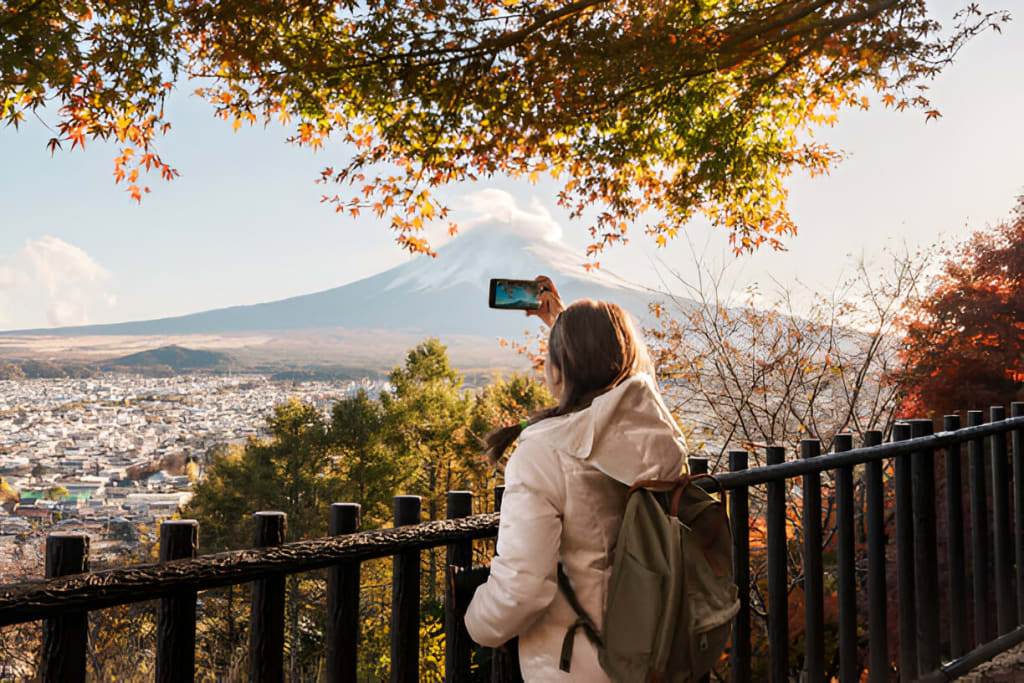
Japan, a land where ancient traditions seamlessly intertwine with cutting-edge technology, offers a unique travel experience unlike any other. While its serene temples, picturesque gardens, and historic castles draw countless visitors, another facet of Japan captivates those seeking a glimpse into the future: its vibrant and innovative cities. These urban landscapes pulse with neon lights, boast architectural marvels, and showcase technological advancements that often feel like stepping into a science fiction movie. For travelers yearning for a futuristic city vibe, Japan presents a plethora of destinations that will ignite their imagination and leave them in awe of human ingenuity.
Here are the 7 Best Places to Visit in Japan for a Futuristic City Vibe:
1. Tokyo: The Electric Metropolis
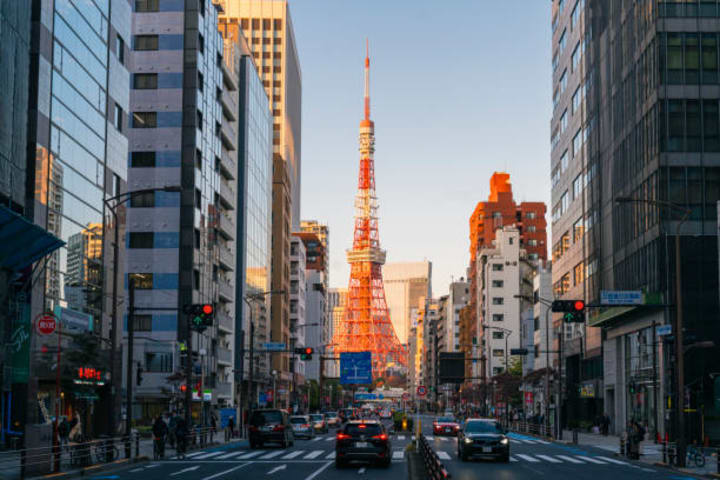
No list of futuristic Japanese cities would be complete without Tokyo. This sprawling metropolis is the epitome of a modern urban jungle, a dazzling spectacle of towering skyscrapers, intricate transportation networks, and an unrelenting energy. Shibuya Crossing, the world's busiest intersection, is a mesmerizing ballet of humanity, illuminated by giant video screens and neon signs. Shinjuku, with its towering government buildings and vibrant entertainment district, offers panoramic city views and a taste of Tokyo's bustling nightlife. Akihabara, the electric town, is a haven for anime, manga, and electronics enthusiasts, showcasing the latest gadgets and a unique subculture. Odaiba, a man-made island, boasts futuristic architecture, interactive museums, and stunning waterfront views. Tokyo's efficient and punctual public transport system, including its iconic bullet trains (Shinkansen), further enhances its futuristic appeal, allowing seamless exploration of this dynamic city. The blend of hyper-modernity with pockets of traditional charm, like the serene Meiji Jingu Shrine, creates a fascinating contrast that defines Tokyo's unique character.
2. Osaka: Modernity with a Local Flair
Osaka, Japan's second-largest city, offers a more laid-back yet equally impressive futuristic experience. While it shares Tokyo's penchant for bright lights and technological innovation, Osaka retains a distinct local flavor and a more approachable atmosphere. Dotonbori, with its iconic Glico Running Man sign and vibrant street food scene, is a sensory overload in the best way possible. Umeda, Osaka's main business and commercial district, is home to architectural wonders like the Umeda Sky Building, offering breathtaking views from its Floating Garden Observatory. The futuristic Namba Parks, a multi-level rooftop garden complex built on the site of a former baseball stadium, showcases innovative urban planning. Osaka's efficient subway system makes navigating the city easy, and its reputation as a culinary capital adds another layer of appeal. The blend of modern architecture, lively entertainment, and delicious local cuisine makes Osaka a compelling destination for those seeking a futuristic city with a unique identity.
3. Yokohama: Bay Area Innovation
Located just south of Tokyo, Yokohama is a major port city that has embraced modernity while preserving its historical charm. The Minato Mirai 21 district is a testament to futuristic urban development, featuring striking skyscrapers like the Landmark Tower, modern museums, and waterfront promenades. The Cosmo Clock 21 Ferris wheel, with its integrated digital clock, is an iconic symbol of Yokohama's modern skyline. The Red Brick Warehouse district, beautifully restored historical buildings now housing trendy shops and restaurants, offers a fascinating contrast to the surrounding modernity. Yokohama's spacious layout, scenic harbor views, and blend of historical and contemporary elements create a unique futuristic vibe that is distinct from the intensity of Tokyo.
4. Nagoya: Industrial Innovation and Beyond
Nagoya, Japan's fourth-largest city, is a major industrial hub that has also embraced technological innovation and modern urban planning. While perhaps less overtly "futuristic" in its aesthetic compared to Tokyo or Osaka, Nagoya's advancements in manufacturing, robotics, and aerospace contribute significantly to Japan's cutting-edge reputation. The Toyota Commemorative Museum of Industry and Technology offers a fascinating glimpse into the region's industrial prowess and technological evolution. The Nagoya City Science Museum, with its impressive planetarium and interactive exhibits, showcases scientific advancements. The Oasis 21, a multi-functional complex with a rooftop water garden, exemplifies modern architectural design. Nagoya offers a different perspective on Japan's futuristic side, highlighting the underlying technological and industrial strength that drives its innovation.
5. Fukuoka: A Rising Modern Hub
Located on the southern island of Kyushu, Fukuoka is a rapidly growing city that seamlessly blends modern amenities with a relaxed atmosphere. Canal City Hakata, with its artificial canal, vibrant shops, and entertainment facilities, is a prime example of innovative urban design. The Fukuoka Tower offers panoramic views of the city and Hakata Bay. Fukuoka's efficient public transportation and its growing reputation as a startup hub contribute to its modern and forward-thinking image. While perhaps not as overtly futuristic as Tokyo or Osaka, Fukuoka's dynamic growth and modern infrastructure make it a compelling destination for those seeking a more relaxed urban experience with a contemporary edge.
6. Sapporo: Northern Modernity
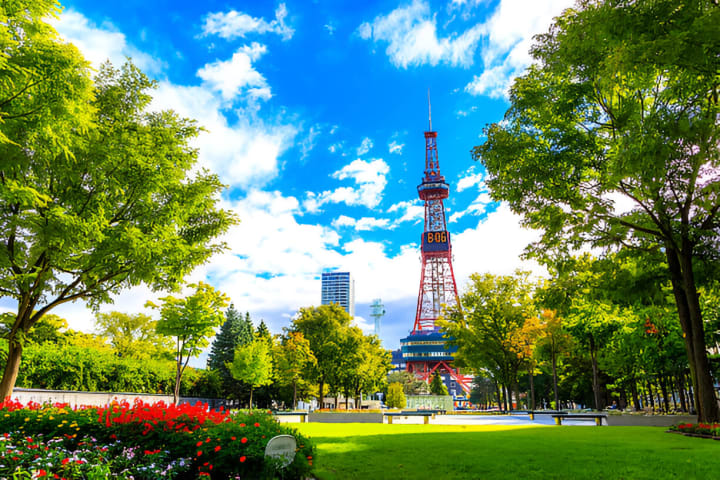
Sapporo, the largest city on the northern island of Hokkaido, offers a unique futuristic vibe influenced by its colder climate and distinct urban planning. Known for its wide, grid-like streets and spacious parks, Sapporo presents a more organized and less chaotic urban landscape compared to some of Japan's other major cities. The Sapporo TV Tower and the Sapporo JR Tower offer impressive city views. While perhaps not as densely packed with neon and cutting-edge technology as Tokyo, Sapporo's modern infrastructure, efficient public transportation, and forward-thinking urban development contribute to its contemporary feel. The annual Sapporo Snow Festival, showcasing intricate ice sculptures, also highlights the city's unique blend of modernity and regional character.
7. Kawasaki: Industrial Edge and Entertainment
Situated between Tokyo and Yokohama, Kawasaki offers a glimpse into Japan's industrial heartland while also boasting modern entertainment and cultural attractions. The Toshiba Science Museum showcases the company's technological innovations. The Kawasaki Warehouse, an arcade designed to resemble the Kowloon Walled City, offers a unique and somewhat dystopian futuristic experience. While perhaps not a primary destination for a purely futuristic city vibe, Kawasaki's blend of heavy industry, technological museums, and unique entertainment options provides a different perspective on Japan's modern landscape.
Conclusion:
Japan's major cities are testaments to human innovation and a captivating blend of tradition and modernity. From the dazzling neonscapes of Tokyo and Osaka to the bayfront innovation of Yokohama and the industrial prowess of Nagoya, each city offers a unique flavor of Japan's futuristic side. Exploring these urban centers provides an unforgettable experience for travelers seeking a glimpse into the future of urban living. Consider exploring the diverse offerings through various Japan Tour Packages or tailor your own adventure with flexible Japan Holiday Packages to immerse yourself in the electrifying atmosphere of these incredible destinations.
About the Creator
Noren Jackson
I'm a passionate travel blogger who explores the world's most exciting destinations and shares travel tips, guides, and must-visit spots. From hidden gems to famous landmarks, my blog covers everything you need for an unforgettable journey.
Keep reading
More stories from Noren Jackson and writers in Wander and other communities.
5 Famous Attractions in Kerala You Shouldn’t Miss
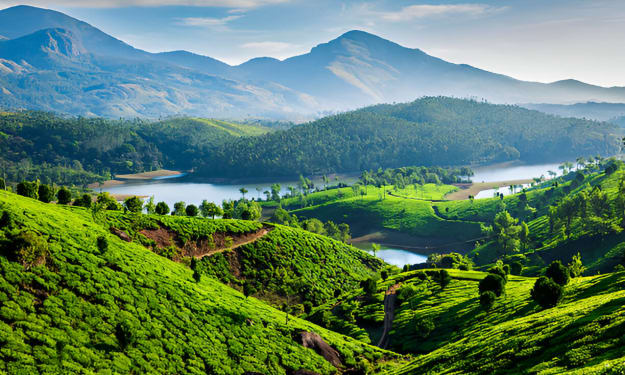
Kerala is a beautiful state in India popularly referred to as the “God’s Own Country” due to its beauty, calmness, and culture. Located on the southwestern side of India, it is famous for its green hills, backwaters, black pepper plantation and much more. The state has all types of terrain right from the hills surrounded by mist to the beach with the golden sand making it an appropriate holiday destination for honeymooners, stakeholders in nature, or those interested in history and art.
By Noren Jackson10 months ago in Wander
Take a Hike in Mexico
The Ajusco Summit Trail, located in the Cumbres Del Ajusco National Park, is one of the most popular hikes in Mexico. Hikers hike to the peaks of Ajusco or Malacatepeti for awesome views. Trails take hikers through forests and rough terrain. The trail is a 10 km long loop and is a high-altitude trek. The trail passes through high mountain pine forests and alpine meadows, providing a diverse hiking experience.
By Rasma Raisters6 days ago in Wander
Coastal Series: Part I (Washington State)
Washington does not introduce its coastline. It lets you find it... There’s no sudden reveal, no postcard moment engineered for the windshield. The coast arrives gradually, in pieces... Through rain-darkened trees, through logging towns that never rebranded themselves, through long stretches of road where the radio fades, and the sky lowers itself closer to the ground.
By The Iron Lighthouse7 days ago in Wander


Comments
There are no comments for this story
Be the first to respond and start the conversation.