
10 Fascinating Facts About Istanbul's History You Didn't Know
10 Fascinating Facts About Istanbul's History You Didn't Know: Unveiling the Secrets of a Timeless City

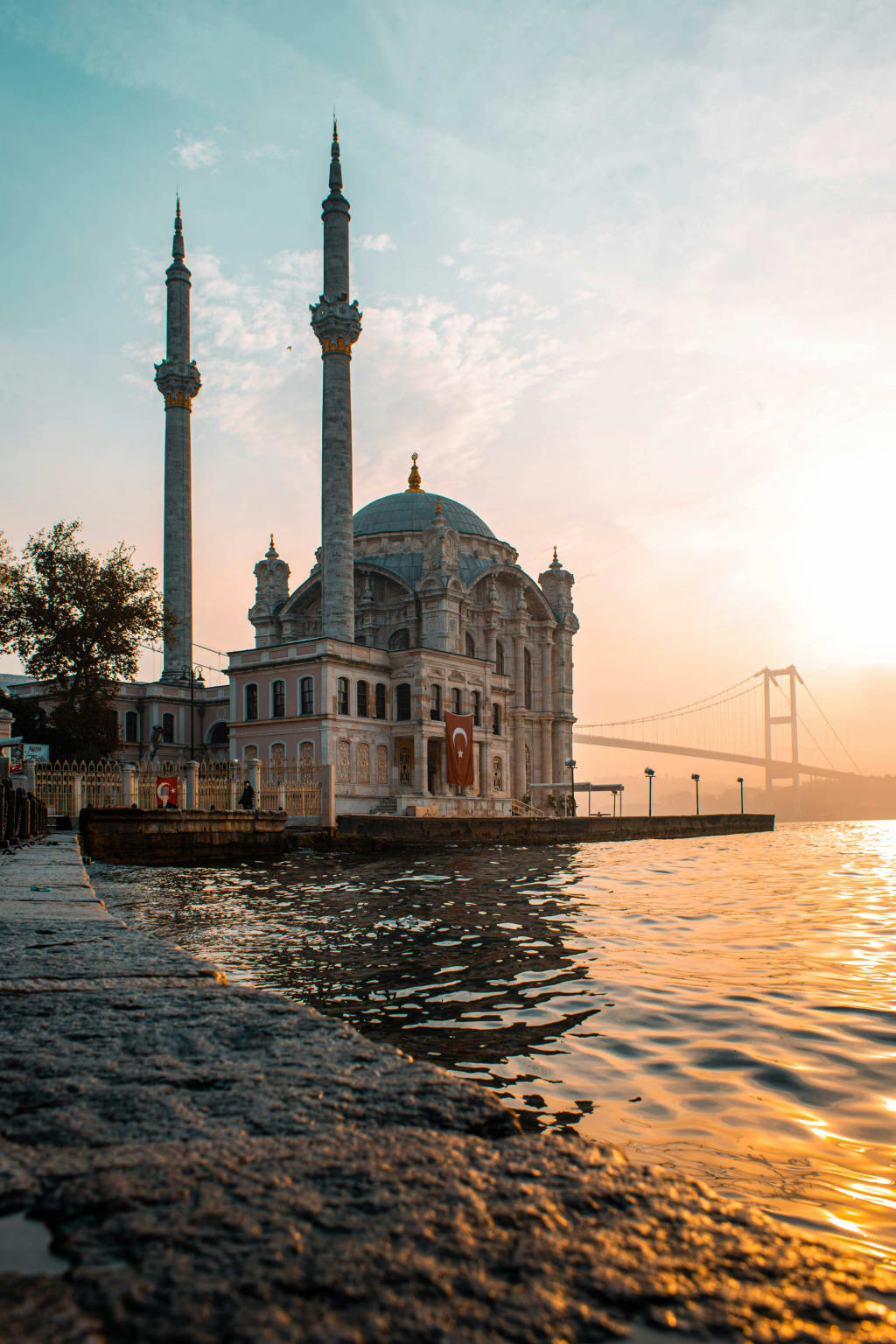
Istanbul, the vibrant cultural and historical heart of Turkey, has witnessed the rise and fall of empires, the clash of civilizations, and the blending of East and West. This city, straddling two continents—Europe and Asia—has a history so rich and diverse that every street and monument tells a story. Whether you’re a history buff or a curious traveler, here are 10 fascinating facts about Istanbul's history that you might not know.
1. Istanbul Was Once Known as Byzantium
Before it became the iconic Istanbul we know today, the city was originally called Byzantium. Founded by Greek colonists in 657 BC, Byzantium became a thriving hub of commerce and culture. The city was renamed Constantinople in 330 AD when Emperor Constantine I made it the capital of the Roman Empire. It wasn’t until the Ottoman Empire took over in 1453 that the city was officially named Istanbul, which is derived from the Greek phrase "eis ten polin," meaning "to the city."
2. The City Has Been the Capital of Three Empires
Istanbul is one of the few cities in the world to have served as the capital of three major empires: the Roman Empire, the Byzantine Empire, and the Ottoman Empire. Each of these empires left its mark on the city, making it a melting pot of cultures, architectural styles, and historical significance. From the grandeur of Roman basilicas to the majestic mosques of the Ottomans, the city's historical layers are fascinating to explore.
3. Hagia Sophia Has Been Both a Church and a Mosque
One of Istanbul's most famous landmarks, the Hagia Sophia, has a unique and fascinating history. Originally built as a Christian cathedral by Emperor Justinian in 537 AD, it was the largest church in the world for nearly 1,000 years. After the Ottoman conquest in 1453, it was converted into a mosque, where it remained for nearly 500 years. In 1935, the Hagia Sophia became a museum, and in 2020, it was converted back into a mosque. This iconic building represents the city's blend of religious and cultural diversity.
4. Istanbul Has the World's Oldest Shopping Mall
The Grand Bazaar, one of the largest and oldest covered markets in the world, dates back to 1461. With over 4,000 shops spread across 61 streets, the bazaar is a labyrinth of colors, smells, and sounds. From traditional Turkish carpets to jewelry and spices, the Grand Bazaar is a shopper’s paradise. It’s not only a place to buy goods but also a historical landmark that’s been part of Istanbul's economy for centuries.
5. The Bosphorus Strait Divides Two Continents
Istanbul is the only city in the world that spans two continents—Europe and Asia—thanks to the Bosphorus Strait. This natural waterway has historically been an important trade route, connecting the Black Sea to the Sea of Marmara. Visitors can enjoy the unique experience of standing on one side of the Bosphorus in Europe and looking across to Asia. Several iconic bridges, such as the Bosphorus Bridge, connect the two continents, symbolizing Istanbul's role as a cultural and geographic crossroads.
6. The Basilica Cistern Could Hold Enough Water for the Entire City
Beneath Istanbul's streets lies a hidden gem from the Byzantine era: the Basilica Cistern. Built in the 6th century by Emperor Justinian to provide water to the Great Palace of Constantinople, this massive underground reservoir could hold up to 100,000 tons of water. The cistern is supported by 336 columns, many of which were taken from ancient Roman temples. Its atmospheric lighting and the haunting sounds of water dripping create an unforgettable experience for visitors.
7. Istanbul Was Once a Key Stop on the Silk Road
During the medieval period, Istanbul played a significant role as a key stop on the famous Silk Road, the trade route that connected the East to the West. Merchants from China, India, Persia, and Europe passed through the city, exchanging not only goods but also ideas, art, and culture. This exchange helped Istanbul develop into a cosmopolitan city, with influences from various cultures still visible in its art, architecture, and cuisine today.
8. The Ottomans Left Behind a Legacy of Magnificent Mosques
One of the most enduring symbols of Istanbul is its stunning mosques, many of which were built during the Ottoman era. The most famous of these is the Sultan Ahmed Mosque, commonly known as the Blue Mosque. Built in the early 17th century, the mosque is renowned for its architectural beauty, featuring a grand dome, intricate tile work, and six minarets. The Ottomans left a lasting architectural legacy, with other notable mosques like the Süleymaniye Mosque and the Yeni Mosque also contributing to the city’s stunning skyline.
9. Topkapi Palace Was the Center of the Ottoman Empire
The Topkapi Palace, perched on the edge of the Bosphorus, was the primary residence of the Ottoman sultans for nearly 400 years. Built in the mid-15th century, it served as the administrative and ceremonial heart of the empire. The palace complex includes stunning courtyards, lavish rooms, and valuable relics, including the famous Topkapi Dagger and the Prophet Muhammad’s cloak. Visitors can explore the palace's beautiful gardens and marvel at its opulent interiors.
10. Istanbul Was Once the Center of Christianity in the East
Before the rise of Islam, Constantinople (modern-day Istanbul) was the center of Christianity in the Eastern Roman (Byzantine) Empire. The city was home to some of the most important Christian churches and relics, and it served as the seat of the Patriarch of Constantinople, the highest-ranking bishop in the Eastern Orthodox Church. Although Istanbul is now predominantly Muslim, its Christian heritage is still visible in its many churches and icons.
Conclusion
Istanbul is a city where history is alive on every corner. From its days as Byzantium to its role as the capital of the Ottoman Empire, Istanbul has been a crossroads of culture, religion, and commerce for centuries. Whether you’re exploring its majestic mosques, wandering through its ancient bazaars, or taking in the views from the Bosphorus, Istanbul offers a truly unforgettable journey through time.
For those looking to explore the rich history of this remarkable city, Istanbul tour packages and Istanbul holiday packages are the perfect way to immerse yourself in its unique blend of cultures, history, and architecture.
About the Creator
Radhiya Furat
"Welcome to our Travel blogs! We’re a passionate team of travel enthusiasts, sharing our global adventures. From hidden gems to local delicacies, we’re here to guide you in exploring new horizons and creating lasting memories."
Keep reading
More stories from Radhiya Furat and writers in Wander and other communities.
7 Reasons Why Kashmir Should Be on Your Travel Bucket List
Kashmir, often referred to as "Paradise on Earth," is a destination that captivates the hearts of travelers from around the world. Nestled in the northernmost region of India, Kashmir is known for its stunning landscapes, rich culture, and warm hospitality. If you're looking for a place that offers natural beauty, adventure, and cultural richness, Kashmir should undoubtedly be on your travel bucket list. Here are seven reasons why this beautiful region is a must-visit:
By Radhiya Furat9 months ago in Wander
Take a Hike in Mexico
The Ajusco Summit Trail, located in the Cumbres Del Ajusco National Park, is one of the most popular hikes in Mexico. Hikers hike to the peaks of Ajusco or Malacatepeti for awesome views. Trails take hikers through forests and rough terrain. The trail is a 10 km long loop and is a high-altitude trek. The trail passes through high mountain pine forests and alpine meadows, providing a diverse hiking experience.
By Rasma Raisters5 days ago in Wander
Coastal Series: Part I (Washington State)
Washington does not introduce its coastline. It lets you find it... There’s no sudden reveal, no postcard moment engineered for the windshield. The coast arrives gradually, in pieces... Through rain-darkened trees, through logging towns that never rebranded themselves, through long stretches of road where the radio fades, and the sky lowers itself closer to the ground.
By The Iron Lighthouse6 days ago in Wander
Miss Persephone's Manual to a Seemingly Ordinary Life
Miss Persephone was found at the dining table, her blue eyes swollen, her tears arriving and retreating like the tides of the ocean. Earlier that day, her family had visited her in the retirement home where she had lived for eight years. It was her eightieth birthday.
By Imola Tóth3 days ago in Fiction


Comments (1)
Wonderful place you covered thanks for share