
Winds of change in Iran.
Mahsa Amini's death has opened the doors of justified anger against the Iranian Theocratic regime.

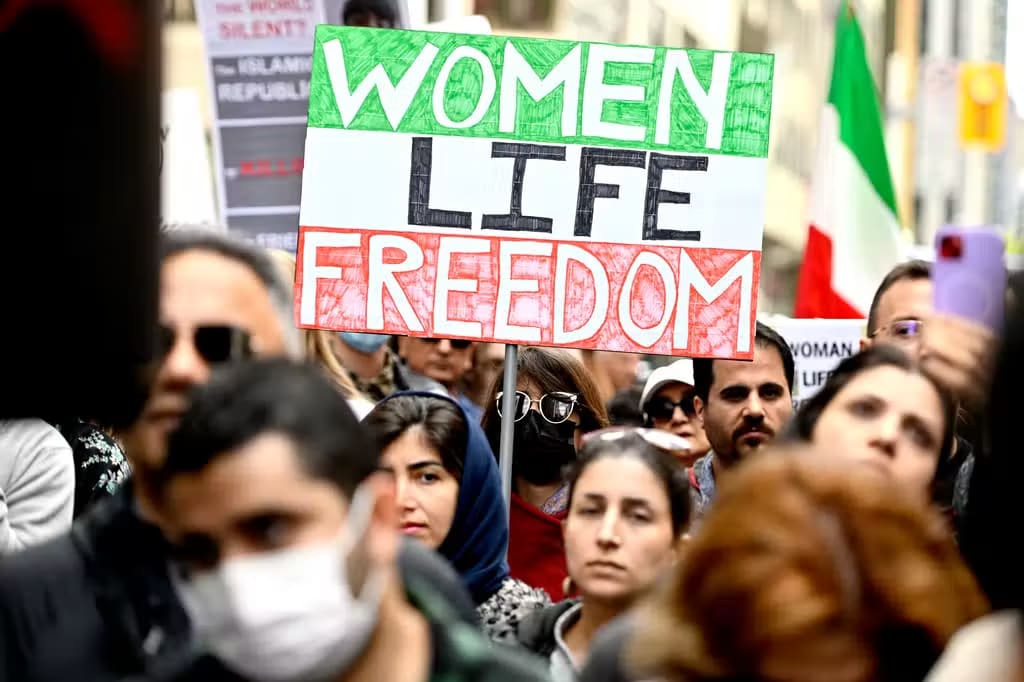
A Symbol of Resistance
The death of 22-year-old Mahsa Amini in Tehran, allegedly due to improperly wearing her hijab under Iran’s strict dress code laws, has ignited a movement that refuses to be silenced. Since the 1979 Islamic Revolution, Iranian women have been subjected to rigid laws enforcing the hijab, with the morality police ensuring compliance. However, Amini's tragic death has become a catalyst for resistance, turning her into an enduring symbol of defiance.

An Uprising Led by Women
Following Amini’s death, protests erupted across Iran, growing in intensity and showing no signs of subsiding. Women—Kurdish, Persian, and from other ethnic minorities—have taken to the streets, burning their hijabs and cutting their hair in a powerful act of defiance. Demonstrators have torn down images of Supreme Leader Ayatollah Ali Khamenei and the late military commander Qassem Soleimani—acts that were previously unthinkable under the iron grip of Iran’s theocratic rule. The protests have shattered long-standing taboos and emboldened a generation that refuses to live in fear.
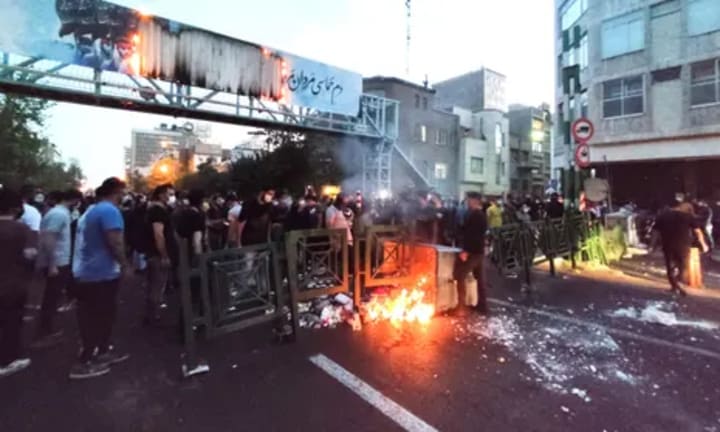
A Brutal Crackdown
The Iranian regime has responded with severe repression. The protests come at a precarious time for the government, which is already struggling with an economic crisis exacerbated by Western sanctions. Iranian intelligence services have issued harsh warnings, declaring participation in the protests illegal and punishable by prosecution. According to the Oslo-based human rights organization Iran Human Rights, more than 108 people have died in the crackdown. Additionally, in Zahedan, in the southeastern province of Sistan and Baluchistan, security forces killed at least 93 civilians in a single clash. Iranian state-backed media have reported that over 1,200 protesters have been detained, and numerous demonstrators have lost their lives in violent confrontations with security forces.

Silencing the Internet
To curb the protests, the Iranian government has imposed strict internet restrictions, leading to widespread connectivity blackouts. According to internet watchdog NetBlocks, Iran is experiencing its third wave of nationwide disruptions to mobile internet since the protests began. Similar tactics were used in 2019, when authorities almost completely shut down internet access to suppress demonstrations over fuel price hikes. This move aims to prevent protesters from organizing and to control the flow of information to the outside world.

The Cracks in the Regime
While Iran’s leadership remains unchanged, Iranian society has evolved dramatically since the early years of the revolution. The clerical establishment that took power after 1979 eliminated political opposition and tightened its control over the nation. Yet, today’s Iran is home to a tech-savvy, highly educated, and globally aware population. This stark contrast between an aging leadership and a modernized society has deepened the divide between the rulers and the ruled.
Iran’s government has long used nationalism to stifle dissent, portraying any opposition as a Western-backed conspiracy. Traditionally, fears of separatist movements among the country’s Kurdish, Baluchi, and Arab minorities have helped the regime maintain control. However, Mahsa Amini’s death transcended these divisions, uniting people across ethnic and social lines in a shared demand for freedom and justice.
A Future Unwritten
The current movement is unlikely to result in immediate regime change—at least not in the conventional sense. The Iranian state remains deeply entrenched, using extreme violence to maintain its grip on power. Additionally, decades of nationalism and anti-Western rhetoric have made many Iranians skeptical of foreign intervention. Any external attempts to push for regime change would likely be met with fierce resistance, as many Iranians view their nation’s sovereignty as paramount.
Death to the Dictator!
What these protests have demonstrated, however, is that Khamenei and the ruling elite are rapidly losing ideological control over their people. The Iranian people have shown remarkable resilience in the face of oppression, and their fight is far from over. The battle ahead will not be easy, but the determination of Iranian women and their allies offers hope for a future built on peace, equality, and democracy.
With every chant of “Death to the Dictator,” the people of Iran are not just rejecting a ruler—they are demanding a future where human rights, gender equality, and political freedom are no longer just aspirations but realities.

Written by Sergios Saropoulos
About the Creator
Sergios Saropoulos
As a Philosopher, Writer, Journalist and Educator. I bring a unique perspective to my writing, exploring how philosophical ideas intersect with cultural and social narratives, deepening our understanding of today's world.
Keep reading
More stories from Sergios Saropoulos and writers in Viva and other communities.
The goddess of ten thousand names.
I wanted to write about the goddess Isis for some time now, but felt like my understanding of her is too limited, and my perspective won’t do this powerful archetype a justice. Mainly because, just like the title of this essay suggests, she was the embodiment of countless archetypes, and I haven’t studied them enough.
By Eva Smitte2 days ago in Viva


Comments
There are no comments for this story
Be the first to respond and start the conversation.