
Understanding Low Iron Levels During Menopause: Causes, Effects, and Treatment
Understanding the Impact of Iron Deficiency in Menopausal Women and How to Restore Healthy Levels


Menopause is a natural transition in a woman's life, marking the end of reproductive years. While it comes with several changes, one often-overlooked issue is low iron levels. Many associate iron deficiency with menstruation due to blood loss, but iron levels can still drop significantly during menopause. This article explores the causes, effects, and treatment options for low iron levels in menopausal women.
Causes of Low Iron Levels During Menopause
Although menstrual bleeding is a primary cause of iron loss in premenopausal women, menopausal women can still experience iron deficiency for several reasons:
- Dietary Changes – As women age, they may change their diets, sometimes reducing red meat and other iron-rich foods, leading to lower iron intake.
- Reduced Absorption – Aging can impact the body’s ability to absorb nutrients efficiently, including iron.
- Underlying Health Conditions – Gastrointestinal issues, such as ulcers, celiac disease, or chronic inflammation, can interfere with iron absorption and storage.
- Heavy Menstrual Bleeding During Perimenopause – Some women experience heavy or prolonged periods before menopause, which can deplete iron stores.
- Chronic Diseases – Conditions like kidney disease, heart disease, or cancer can contribute to low iron levels.
Effects of Low Iron Levels in Menopausal Women
Iron is essential for producing hemoglobin, which carries oxygen in the blood. When iron levels drop too low, it can lead to iron-deficiency anemia. Symptoms include:
- Fatigue and Weakness – A lack of iron reduces oxygen delivery to muscles and tissues, causing persistent tiredness.
- Pale Skin – A lower red blood cell count can make the skin appear pale or dull.
- Shortness of Breath – Decreased oxygen in the blood can make it difficult to perform even simple activities.
- Dizziness and Headaches – Reduced oxygen flow to the brain can result in frequent headaches and dizziness.
- Heart Palpitations – The heart may work harder to compensate for low oxygen levels, leading to an irregular heartbeat or palpitations.
- Brittle Nails and Hair Loss – A lack of iron weakens the hair and nails, making them more prone to breakage.
Treating Low Iron Levels During Menopause
Addressing iron deficiency in menopausal women involves a combination of dietary changes, supplements, and lifestyle adjustments.
1. Increase Iron-Rich Foods
Eating a balanced diet rich in iron can help restore levels. Iron-rich foods include:
- Heme Iron (easily absorbed): Red meat, poultry, seafood.
- Non-Heme Iron (plant-based sources): Leafy greens (spinach, kale), legumes, nuts, seeds, and fortified cereals.
- Vitamin C-Rich Foods: Consuming vitamin C-rich foods (oranges, strawberries, bell peppers) alongside iron-rich foods enhances iron absorption.
2. Iron Supplements
If diet alone isn’t enough, iron supplements may be necessary. It’s essential to consult a doctor before starting supplements, as excessive iron can lead to toxicity. Low-dose iron supplements or slow-release formulas may be recommended to prevent digestive discomfort.
3. Improve Gut Health
Since poor gut health can hinder iron absorption, addressing digestive issues is crucial. Consuming probiotics, fiber, and reducing processed foods can improve gut function and enhance nutrient absorption.
4. Regular Medical Checkups
Routine blood tests can help monitor iron levels and detect deficiencies early. Women experiencing symptoms of iron deficiency should consult a healthcare provider for proper evaluation and treatment.
5. Manage Underlying Conditions
If chronic illnesses or gastrointestinal disorders are contributing to low iron levels, treating the root cause is essential. A healthcare provider can help create a comprehensive plan to manage these conditions while ensuring adequate iron intake.
While menopause brings many physiological changes, maintaining healthy iron levels is crucial for overall well-being. Understanding the causes of iron deficiency, recognizing symptoms early, and taking proactive steps through diet, supplements, and medical care can help menopausal women maintain optimal health. If you suspect low iron levels, consulting a healthcare professional for proper diagnosis and treatment is the best course of action.
About the Creator
Richard Bailey
I am currently working on expanding my writing topics and exploring different areas and topics of writing. I have a personal history with a very severe form of treatment-resistant major depressive disorder.
Keep reading
More stories from Richard Bailey and writers in Viva and other communities.
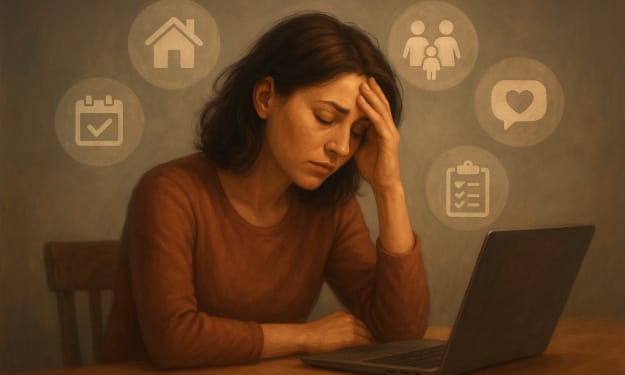
Mental Load and Burnout in Women: The Invisible Weight You Carry
The mental load is an invisible force. You don’t see it, yet it shapes how you feel, act, and live. For many women, it is the unrelenting hum in the background of life — the constant awareness of what needs to be done, remembered, planned, and prepared. Over time, that hum can turn into a roar, leading to exhaustion that seeps into every part of your day. This is burnout, and it’s far more than simply “feeling tired.”
By Richard Bailey5 months ago in Viva
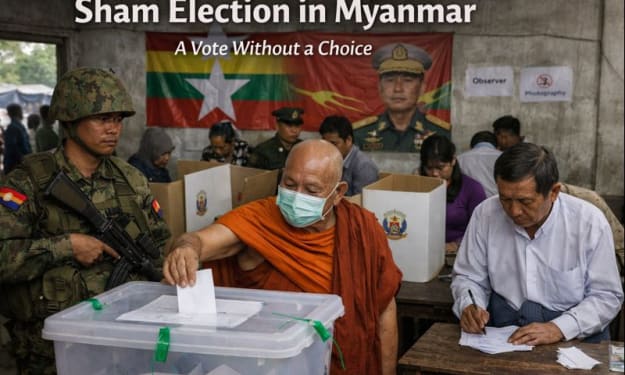
Myanmar’s Junta Election: A Vote Without a Choice
Myanmar’s military government has held the second phase of its planned election, but many people inside and outside the country say the vote is not real democracy. Critics describe it as a “sham election” designed to keep the generals in power, not to return the country to civilian rule. The election comes while Myanmar is still facing war, poverty, and deep political repression.
By dua fatima4 days ago in Viva
Why an Oval Diamond Engagement Ring Is Perfect for Valentine’s Day
Valentine’s Day is more than just a date on the calendar; it is a global celebration of devotion, passion, and the beautiful promise of a future together. For many couples, February 14th marks the most romantic milestone of their lives—the proposal. While the moment itself is unforgettable, the ring you choose serves as a lifelong symbol of that commitment.
By Mohd Kaish3 days ago in Viva


Comments