
Top Wood Stove for a Garage Heating in 2025
Choosing the Right Wood Stove for a Garage Without Overheating
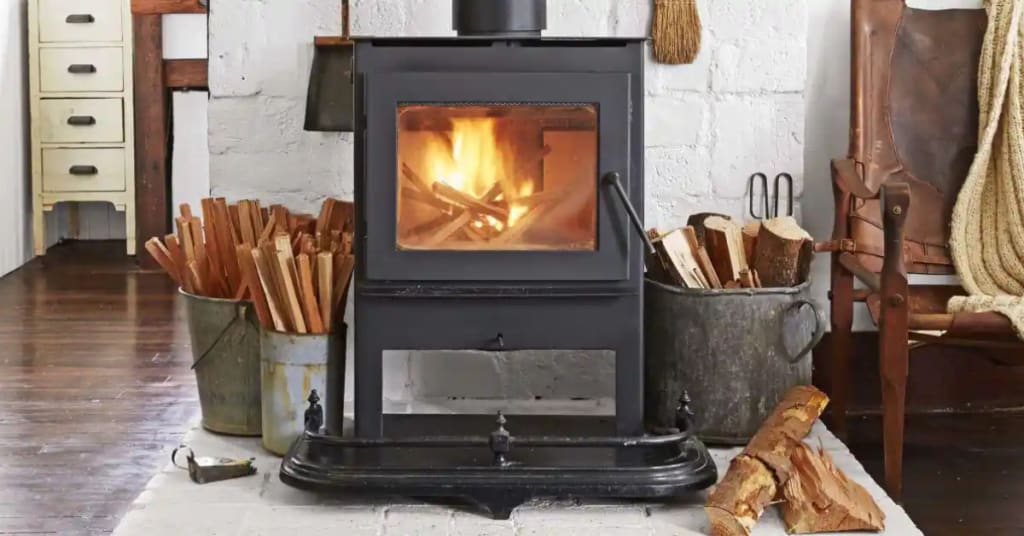
If you're considering a wood stove for a garage, you're probably juggling a few questions already—like how to stay warm without tripping a breaker, getting insurance involved, or, well, turning your garage into a sauna by mistake. So let’s unpack all of that. It’s 2025, and thankfully, garage heating options have expanded—and improved.
I’ve spent time researching (and let’s be honest, obsessing over) this exact thing for my own garage workshop in Northwest Oregon, where winters can feel especially unforgiving.
Whether you're tinkering with a bike rebuild, running a side hustle, or just trying to not freeze during a weekend project—finding the best wood stove for a garage has become more than just a luxury. It's become kind of essential.
Why Choose a Wood Stove for a Garage?
Let’s be upfront—there’s something just...right about a wood-burning fire when it’s cold. Maybe it’s primal, or maybe we just like staring at flames instead of our inbox.
A wood stove for a garage is not only cost-efficient (especially if you already have firewood or access to it), but it’s also independent of the power grid. That’s a huge plus when storms knock out your electricity. While electric heat is convenient, a power outage turns that fancy setup into a glorified fan. A good wood stove just keeps going.
But here’s the thing—not all stoves are garage-ready.
Some are just not safe. Others aren't legal depending on your location (yep, even in 2025 the wood stove in garage code is a real thing—more on that below). So before shopping Facebook Marketplace or clicking “buy now,” let’s break it down.
🔥 Best Wood Stove for Garage Heating in 2025
Now, if you're looking for real-world options that folks are actually using (and recommending) in 2025, there are a few standouts. One of the top picks is the Englander Blue Ridge 150-I—it's a wood-burning beast with over 75,000 BTUs, designed to heat spaces well over 2,000 square feet. It also comes EPA approved with features like Air Washed Glass and Secondary Burn, so it burns cleaner and looks sharp while doing it.
For something with a bit of vintage charm, the Fisher Momma Bear Stove—yep, people still hunt these down—is built from solid cast iron and can warm up anywhere from 1,500 to 2,200 sq ft. It’s heavy, it’s reliable, and it feels like something your grandpa might’ve had in his shop.
If you're more into plug-and-play, there’s the King Electric Garage Heater. It’s not a wood stove, obviously, but if you're worried about fire hazards or just want to avoid the hassle of wood and ash, this one's compact and easy. Just be ready for higher electric bills if your garage isn’t well-insulated.
For those who like a balance between convenience and cozy, the pellet stove from US Stove Company hits the sweet spot. It throws out around 48,000 BTUs and covers about 1,200 sq ft, all while letting you control the heat remotely.
Lastly, for smaller spaces or tight corners, a cast iron micro stove might be all you need. These mini wood stoves are surprisingly effective and perfect if you’re trying to heat just a section of your workspace.
Factors to Consider Before Installing a Wood Stove for a Garage
The excitement of getting a cozy setup can blindside you to the not-so-glamorous side of garage heating.
1. Garage Size & Air Space (CUFT and Sq Ft)
A 1-car garage? You’re probably under 500 sq ft. A 2-car space? Likely closer to 800+. And if it’s also your workshop, you're gonna need forced air circulation or a thermal fan to keep things even. Don’t just go off BTUs alone—consider insulation, door gaps, and ceiling height.
2. Garage Codes & Safety (Yes, Really)
Here’s where things get tricky. Using a wood stove in garage code regulations vary widely. Seattle, WA? Super strict. North Dakota? A bit more relaxed. But always check with your insurance company and local fire department. Most require:
- A fireproof base under the stove
- Proper flue system and black double-wall pipe
- Fireproof clearance to combustibles (that old water heater? Watch out)
- Carbon monoxide detector (non-negotiable)
- Heat-resistant paint and wall shielding
- Pro Tip: Add a thermal switch to kill power tools if the temp gets too hot. A surprising number of garage fires start not from the stove—but from things stored near it.
Wood Stove vs Pellet Stove vs Electric
Let’s pause and weigh the options a bit.
- Wood Stove: Great for off-grid reliability. You control the fuel. Ideal for rural or semi-rural homes. Downside? Needs attention and cleanup.
- Pellet Stove for Garage: Easier to regulate and cleaner, but requires electricity. And pellet prices can fluctuate.
- Electric Stove for Garage: Simple, plug-and-play. But it’s not very “cozy” and can drive up electric bills, especially if your garage is poorly insulated.
“I started with a pellet stove but switched to a Buck stove because it felt more authentic. And honestly, the heat hits different.” – A random Reddit user (and I kind of agree)
Garage Wood Stove Ideas That Actually Work
Setting up your wood stove for a shop or garage doesn’t have to be boring. Think of it as part of the aesthetic.
- Cast iron skillet hook on the side for humidifying (seriously, it helps)
- Fire wool insulation wrap around your pipe
- Mount a heat-powered fan on top—no wiring, just physics
- Install a fireproof insert near your toolbench
- Run a line to a mini splits unit for shoulder seasons when the stove’s too much
Safety First (It’s Not Optional)
Wood burners and solid fuel burners always carry risk. Especially in tight garage spaces where there’s sawdust, oil, or flammable paint cans.
- Install a dust collection system if you're working with wood
- Keep at least 36 inches of clearance on all sides
- Store wood outside the garage or in a fireproof box
- Never leave the stove running unattended (not even for "just a quick trip")
Budgeting Tips for 2025
- Prices have gone up (thanks inflation), but you can still find deals:
- Check local store prices at hardware chains and compare online.
- Try Facebook Marketplace for secondhand finds (just check for cracks or rust)
- Look for Rated 4 Stars & Above models if buying from major retailers
- Ask if your homeowners insurance offers discounts for approved heating solutions
Final Thoughts
Honestly? Yeah. If you have the space, patience, and don’t mind the occasional ash cleanup, it’s one of the most satisfying ways to stay warm.
It’s not plug-and-play. It’s not always neat. And your insurance company might raise an eyebrow. But it feels different. The heat is steady, the ambiance is unmatched, and there’s a self-reliant pride that comes with building your own fire.
🔁 Frequently Asked Questions
1. Can I legally install a wood stove in my garage?
Yes, but check your local code and insurance coverage first. Requirements vary widely.
2. Is it safe to use a wood stove in a garage?
With proper ventilation, clearance, and fire safety gear—yes. But it’s not “set it and forget it” safe.
3. What’s the best wood stove for a garage under 500 sq ft?
A mini wood stove for garage or compact cast iron stove works best here.
4. Do I need a chimney or flue?
Absolutely. A flue updraft system is essential for venting internal gasses safely.
5. How much space should I leave around the stove?
Typically 36" on all sides, but check your stove’s manual and local fire safety standards.
6. What’s better: wood, pellet, or electric?
Each has pros and cons. Pellet stove for garage is cleaner. Electric heat is easier. Wood is cheapest if you have the fuel.
7. Can a wood stove heat a 2-car garage?
Yes, especially with a thermal fan and air circulation system in place.
8. How much does it cost to install a wood stove in a garage?
Expect $500–$2,500 depending on if it’s DIY or professional, and whether you need a new flue system.
9. Can I cook on a garage wood stove?
Technically, yes—especially with older models like the Fisher Momma Bear Stove or potbelly stoves. Just keep it clean.
10. Will it affect my homeowners insurance?
Likely. Most insurance companies require notification and may charge extra or require proof of safe installation.
About the Creator
Keep reading
More stories from Liana Wilson and writers in Viva and other communities.
How Garage Door Window Replacement Transforms Your Home
If you’ve been circling the idea of upgrading your home’s exterior but haven’t quite found the right starting point, garage door window replacement might sound like an odd suggestion. But hear me out—sometimes the smallest updates have the biggest visual and functional payoff.
By Liana Wilson6 months ago in Wheel
The 1ct Engagement Ring: Why This "Sweet Spot" is the Biggest Wedding Trend of 2026
Choosing an engagement ring is perhaps the most high-pressure purchase a person can make. You want it to be breathtaking, timeless, and—let’s be honest—impressive. While the trend of "bigger is better" dominated the early 2020s, 2026 has brought us back to a more refined realization: the 1ct engagement ring is the absolute "Goldilocks" of the jewelry world.
By Mohd Kaish3 days ago in Viva
The Soul of the Stone: Why I’m Betting on Oval Diamonds This Valentine’s Day
Valentine’s Day has a funny way of making us overthink everything. We obsess over the reservation, the flowers, and—most nerve-wracking of all—the ring. For years, I’ve watched friends and colleagues agonize over finding a diamond that isn't just a status symbol, but a reflection of their partner's personality. In my time exploring the nuances of jewelry and the emotions behind proposals, I’ve realized that we often overlook the most important factor: the "vibe" of the stone itself.
By Mohd Kaish6 days ago in Viva




Comments
There are no comments for this story
Be the first to respond and start the conversation.