
The Menstrual Cycle and Your Health: How to Stay Balanced
Menstrual cycle


The menstrual cycle is a natural process that occurs in the female body on a monthly basis, and it is closely tied to overall health and well-being. It is a complex process controlled by hormones, which regulate the growth and shedding of the uterine lining. Understanding the menstrual cycle and how it affects the body can help women maintain balance and optimal health.
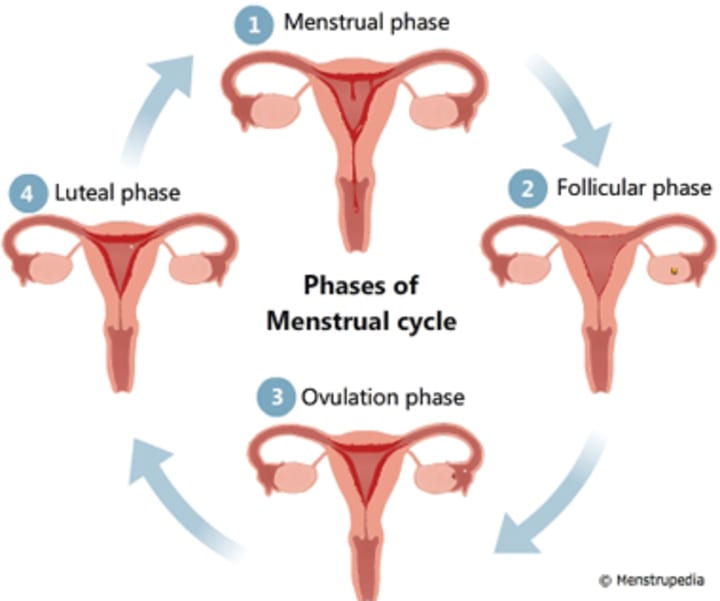
The menstrual cycle typically lasts for 28 days, although this can vary for each individual. It is divided into several phases, including the menstrual phase, the follicular phase, the ovulatory phase, and the luteal phase. Each phase is marked by different changes in the body, including hormonal fluctuations and physical symptoms.
The menstrual phase, also known as menstruation, is the first phase of the menstrual cycle. This phase typically lasts for 3-7 days and is characterized by the shedding of the uterine lining, which results in menstrual bleeding. This is also the phase when women may experience cramps, bloating, and other physical symptoms.
The follicular phase, which typically lasts for 14 days, is the next phase of the menstrual cycle. During this phase, the body is preparing for ovulation. The hormone estrogen begins to rise, causing the lining of the uterus to thicken. The ovary also releases a follicle that contains an egg that will be released during ovulation.
The ovulatory phase, which typically occurs around day 14, is the phase when the egg is released from the ovary and travels down the fallopian tube, where it can be fertilized by sperm. Ovulation is the most fertile time for a woman, and it is during this phase that pregnancy is most likely to occur.
The luteal phase is the final phase of the menstrual cycle and lasts for about 14 days. During this phase, the body is preparing for menstruation. The hormone progesterone begins to rise, causing the lining of the uterus to thicken further. If the egg is not fertilized, the lining of the uterus will be shed during menstruation.
In conclusion, the menstrual cycle is a natural process that occurs in the female body, and it is closely tied to overall health and well-being. Understanding the menstrual cycle and how it affects the body can help women maintain balance and optimal health. By being aware of the different phases of the menstrual cycle, women can better anticipate and manage the physical and emotional symptoms associated with it.
Hormonal changes:
Hormonal changes play a crucial role in regulating the menstrual cycle and can greatly affect overall health and well-being. The menstrual cycle is controlled by a delicate balance of hormones, including estrogen, progesterone, and luteinizing hormone (LH). These hormones regulate the growth and shedding of the uterine lining, and their fluctuations can lead to a variety of physical and emotional symptoms.
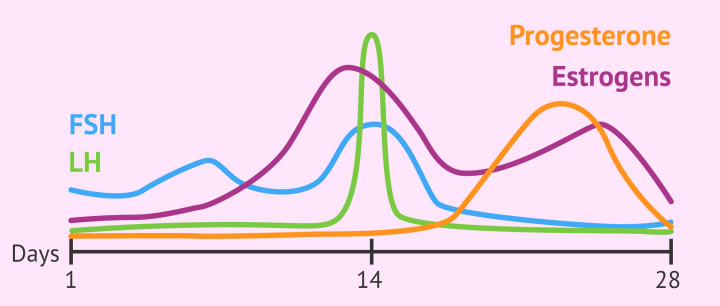
Estrogen and progesterone are the two primary hormones involved in the menstrual cycle. Estrogen is responsible for thickening the lining of the uterus in preparation for pregnancy, while progesterone helps to maintain the thickened lining. As these hormones fluctuate throughout the menstrual cycle, they can cause physical symptoms such as cramps, bloating, and breast tenderness.
Luteinizing hormone (LH) is also involved in the menstrual cycle, and it triggers ovulation. The LH surge, which usually occurs 24 to 36 hours before ovulation, is often used as an indicator of ovulation.
Hormonal fluctuations during the menstrual cycle can also lead to emotional symptoms such as mood swings, irritability, and anxiety. These symptoms are caused by the effect of hormones on the brain's chemical balance.
It's important to note that hormonal imbalances can lead to irregular menstrual cycles and other health issues. Some conditions such as Polycystic Ovary Syndrome (PCOS) and thyroid disorders can also affect the menstrual cycle.
In conclusion, hormonal changes play a crucial role in regulating the menstrual cycle and can greatly affect overall health and well-being. Hormonal fluctuations during the menstrual cycle can lead to symptoms such as mood swings, cramps, bloating, and breast tenderness. It's important to be aware of these symptoms and take steps to manage them, such as maintaining a healthy lifestyle, and consulting a healthcare provider if necessary. By understanding the role of hormones in the menstrual cycle, women can better anticipate and manage the physical and emotional symptoms associated with it.
Nutrition:
Nutrition plays a crucial role in maintaining overall health and well-being, and it also has an impact on the menstrual cycle. A well-balanced diet can help regulate the menstrual cycle and reduce symptoms of premenstrual syndrome (PMS). On the other hand, consuming a diet high in processed foods, sugar, and caffeine can worsen symptoms and disrupt the menstrual cycle.
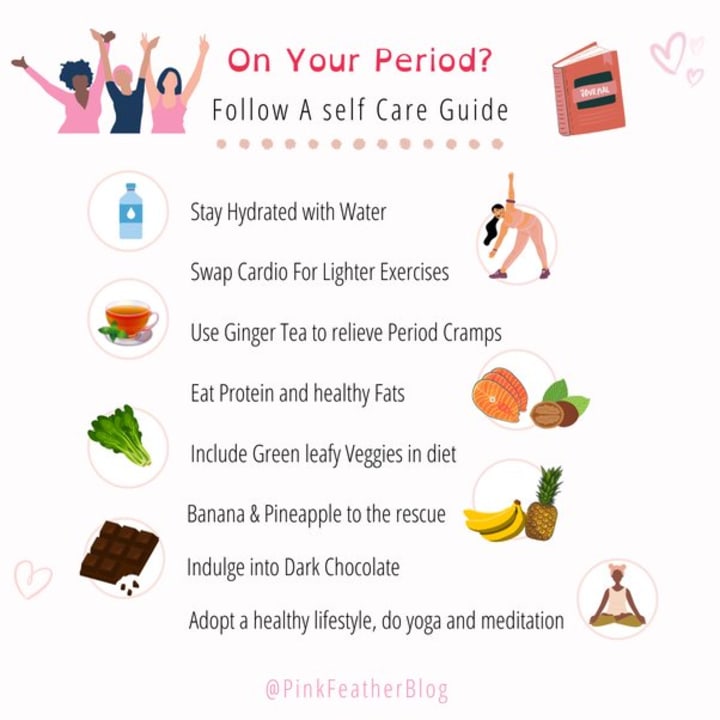
Eating a diet rich in fruits, vegetables, whole grains, and lean proteins is important for maintaining overall health and well-being. These foods are rich in essential vitamins, minerals, and antioxidants that support the body's overall health, including the menstrual cycle. Fruits and vegetables, in particular, are rich in antioxidants and phytochemicals that can help reduce inflammation and improve overall health.
Whole grains and lean proteins are also essential for overall health and well-being. Whole grains are rich in fibre, which can help regulate digestion and reduce bloating, a common symptom of PMS. Lean proteins such as fish, chicken, and beans are also important for maintaining overall health and well-being. They are rich in essential amino acids and minerals that support the body's overall health, including the menstrual cycle.
On the other hand, consuming a diet high in processed foods, sugar, and caffeine can worsen symptoms and disrupt the menstrual cycle. Processed foods are high in added sugar, salt, and preservatives, which can disrupt the balance of hormones in the body. Consuming a diet high in sugar can also lead to weight gain, exacerbating, symptoms of PMS. Caffeine can also disrupt the menstrual cycle by affecting the body's hormonal balance and sleep patterns.
In conclusion, nutrition plays a crucial role in maintaining overall health and well-being and also has an impact on the menstrual cycle. Eating a diet rich in fruits, vegetables, whole grains, and lean proteins can help regulate the menstrual cycle and reduce symptoms of PMS. On the other hand, consuming a diet high in processed foods, sugar, and caffeine can worsen symptoms and disrupt the menstrual cycle. By being mindful of what they eat, women can better manage their menstrual cycle and overall health.
Exercise:
Exercise is an important aspect of overall health and well-being, and it can also play a role in regulating the menstrual cycle. Regular physical activity can help reduce symptoms of premenstrual syndrome (PMS) and improve overall health. It can also help alleviate stress and anxiety, which are commonly associated with the menstrual cycle.
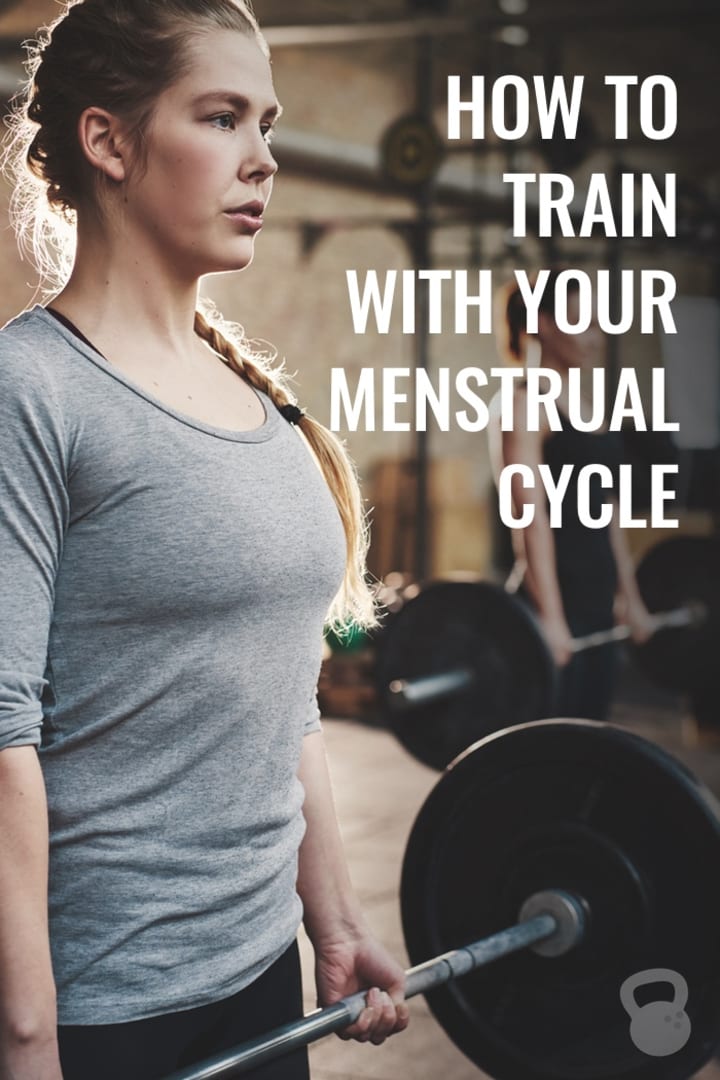
Regular exercise can help reduce symptoms of PMS by improving circulation, reducing inflammation, and regulating hormones. Exercise can also help regulate the menstrual cycle by keeping the body at a healthy weight, which can reduce the risk of menstrual irregularities.
Physical activity can also help alleviate stress and anxiety, which are commonly associated with the menstrual cycle. Exercise can release endorphins, also known as "feel-good" hormones, which can improve mood and reduce stress and anxiety.
The type of exercise that women choose to do is not as important as consistency and frequency. Aerobic exercises such as running, cycling, swimming, and brisk walking are all great options, as well as strength training and yoga.
It's important to note that excessive exercise or intense training can disrupt the menstrual cycle and cause irregular periods or even stop the periods altogether. It's important to find the balance and listen to your body's needs.
In conclusion, exercise is an important aspect of overall health and well-being, and it can also play a role in regulating the menstrual cycle. Regular physical activity can help reduce symptoms of PMS.
Stress Management:
Stress can have a negative impact on the menstrual cycle, leading to irregular periods and symptoms of premenstrual syndrome (PMS). Stress can disrupt the delicate balance of hormones that regulate the menstrual cycle, leading to menstrual irregularities and an increase in physical and emotional symptoms.
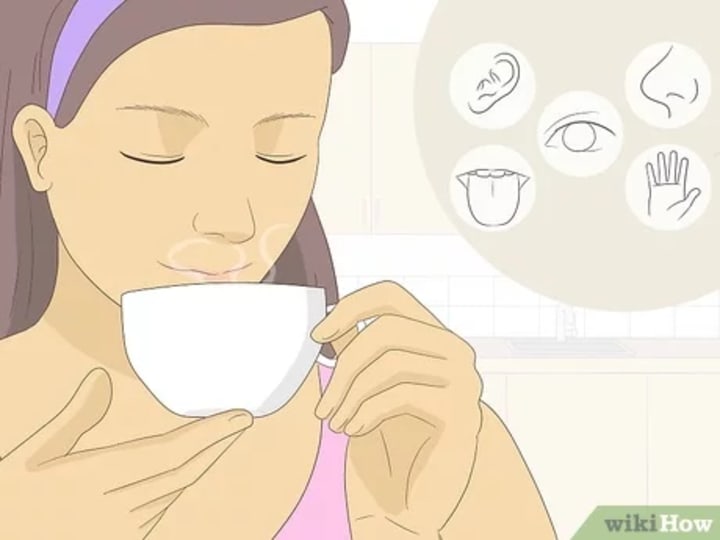
Stress management is an essential aspect of overall health and well-being, and it can also play a role in regulating the menstrual cycle. Stress management techniques such as yoga, meditation, and deep breathing can help regulate the menstrual cycle and improve overall health.
Yoga is a great way to reduce stress and improve overall health. It combines physical postures, breathing exercises, and meditation to help balance the mind, body, and spirit. Yoga can help reduce stress and anxiety, improve sleep, and reduce physical symptoms such as cramps and bloating.
Meditation is another effective stress management technique that can help regulate the menstrual cycle. It involves focusing the mind on the present moment and can help reduce stress, anxiety, and depression. Meditation can also improve sleep, which is important for overall health and well-being.
Deep breathing is a simple yet powerful stress management technique that can be practised anywhere and at any time. It involves taking slow, deep breaths and focusing on the sensation of the breath. Deep breathing can help reduce stress and anxiety, improve sleep, and reduce physical symptoms such as cramps and bloating.
In conclusion, stress can have a negative impact on the menstrual cycle, leading to irregular periods and symptoms of PMS. Stress management techniques such as yoga, meditation, and deep breathing can help regulate the menstrual cycle and improve overall health. By incorporating these techniques into daily life, women can better manage stress and improve their overall well-being and menstrual cycle.
Sleep:
Sleep is an essential aspect of overall health and well-being, and it also plays a crucial role in regulating the menstrual cycle. Lack of sleep can have a negative impact on the menstrual cycle, leading to symptoms such as fatigue, irritability, and an increase in physical and emotional symptoms.
During sleep, the body produces hormones that regulate the menstrual cycle, and a lack of sleep can disrupt the balance of these hormones, leading to menstrual irregularities. Insomnia, for instance, is a common sleep disorder that can lead to menstrual irregularities.
Getting enough sleep is essential for overall health and well-being. The American Academy of Sleep Medicine recommends that adults get between 7-9 hours of sleep per night. A consistent sleep schedule can also help regulate the menstrual cycle and improve overall health.
Creating a relaxing bedtime routine, limiting exposure to screens before bedtime, and creating a comfortable sleeping environment can help improve the quality of sleep. Avoiding caffeine, nicotine and heavy meals close to bedtime can also help you fall asleep faster.
In conclusion, understanding the menstrual cycle and how it affects the body can help women maintain balance and optimal health. By paying attention to hormonal changes, nutrition, exercise, stress management, and sleep, women can improve their overall well-being and manage symptoms associated with the menstrual cycle.
About the Creator
Nisha Suman
Look at the sky. We are not alone. The whole universe is friendly to us and conspires only to give the best to those who dream and work.
A. P. J. Abdul Kalam
Keep reading
More stories from Nisha Suman and writers in Viva and other communities.
The Menstrual Cycle and Birth Control: Options and Considerations
Introduction: The menstrual cycle is a natural process that occurs in the female body on a monthly basis. However, some women may choose to use birth control to regulate their menstrual cycle and prevent pregnancy. There are various options available, each with its own set of benefits and considerations.
By Nisha Suman 3 years ago in Viva
The Soul of the Stone: Why I’m Betting on Oval Diamonds This Valentine’s Day
Valentine’s Day has a funny way of making us overthink everything. We obsess over the reservation, the flowers, and—most nerve-wracking of all—the ring. For years, I’ve watched friends and colleagues agonize over finding a diamond that isn't just a status symbol, but a reflection of their partner's personality. In my time exploring the nuances of jewelry and the emotions behind proposals, I’ve realized that we often overlook the most important factor: the "vibe" of the stone itself.
By Mohd Kaish6 days ago in Viva
Inspirational Stories of Women Leading Change Today
In an era marked by rapid change, complex global challenges, and evolving social norms, women everywhere are rising to lead, innovate, and inspire. From teenagers creating solutions for their communities to seasoned leaders breaking barriers in science, sustainability, and social advocacy, the stories of women today reveal resilience, courage, and transformational impact. These narratives not only celebrate individual success — they help reshape what is possible for future generations.
By Stories Today6 days ago in Viva



Comments
There are no comments for this story
Be the first to respond and start the conversation.