
The Menstrual Cycle and Birth Control: Options and Considerations
Birth control


Introduction:
The menstrual cycle is a natural process that occurs in the female body on a monthly basis. However, some women may choose to use birth control to regulate their menstrual cycle and prevent pregnancy. There are various options available, each with its own set of benefits and considerations.
How a woman becomes pregnant:
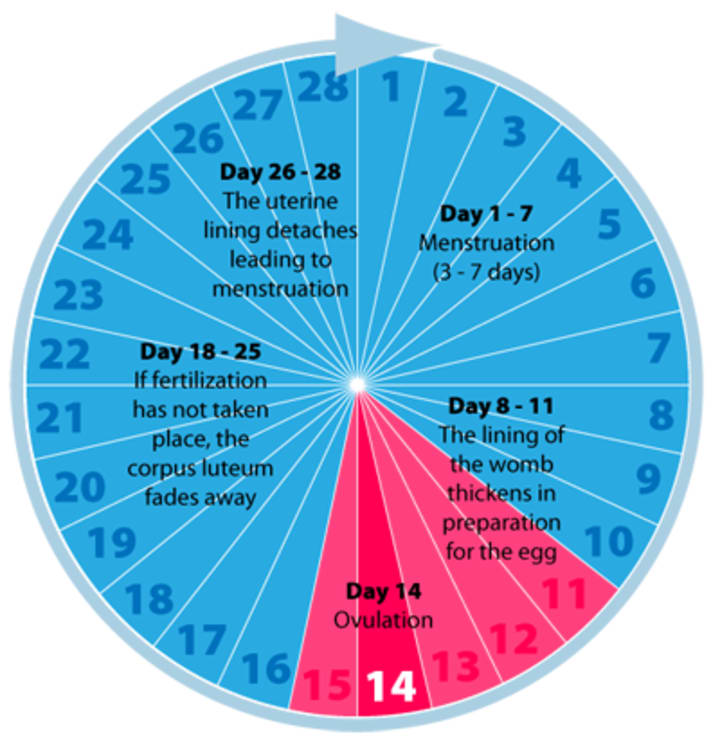
A woman becomes pregnant when an egg is fertilized by a sperm. The process begins with ovulation, which is the release of a mature egg from the ovary. Ovulation typically occurs once a month, around day 14 of a 28-day menstrual cycle, but it can vary for each woman.
Before ovulation, the egg is surrounded by a group of cells called the corona radiata. Once ovulation occurs, the egg is released from the ovary and travels down the fallopian tube towards the uterus. At the same time, sperm are released from the man's body and travel up through the cervix and into the uterus, where they can fertilize the egg.
If a sperm successfully fertilizes the egg, it will divide and begin to form a ball of cells called a zygote. The zygote will then travel down the fallopian tube and attach itself to the lining of the uterus, where it will begin to grow and develop into a fetus.
It's important to note that not every fertilization results in pregnancy, as the egg may not be fertilized, the fertilized egg may not attach to the uterus properly, or the fertilized egg may not develop properly.
Different ways to prevent the pregnancy
Hormonal Birth Control:
Hormonal birth control methods are a popular choice for women looking to regulate their menstrual cycle and prevent pregnancy. These methods work by regulating the hormones that control the menstrual cycle, including estrogen and progesterone.
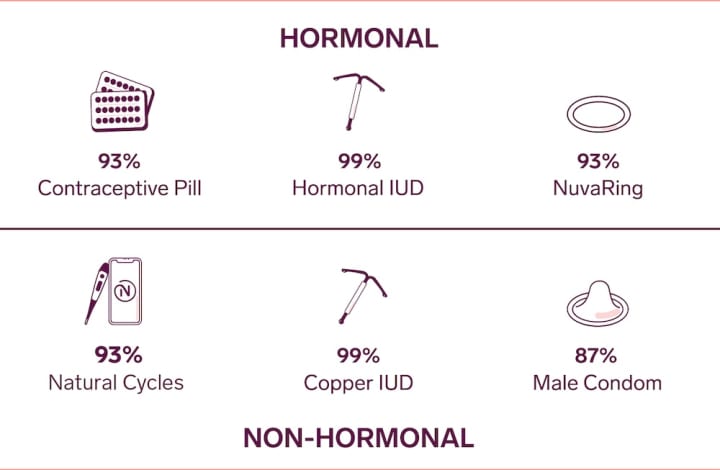
The birth control pill is one of the most commonly used hormonal birth control methods. It contains synthetic hormones that prevent ovulation and regulate the menstrual cycle. The pill can be taken daily and it comes in different formulations, such as combination pills that contain both estrogen and progesterone, or progestin-only pills.
The birth control patch and the ring are other hormonal birth control methods that work in a similar way as the pill. The patch is applied to the skin once a week and releases hormones into the bloodstream, while the ring is inserted into the vagina and is replaced every three weeks.
Hormonal birth control methods can be highly effective at preventing pregnancy and regulating the menstrual cycle. They can also be used to reduce the severity of menstrual cramps and PMS, and may even help reduce the risk of certain cancers, such as ovarian and endometrial cancer.
In conclusion, hormonal birth control methods are a popular choice for women looking to regulate their menstrual cycle and prevent pregnancy. These methods work by regulating the hormones that control the menstrual cycle and can be highly effective at preventing pregnancy and regulating the menstrual cycle.
Barrier methods:
Barrier methods are a type of birth control that works by physically blocking the sperm from reaching the egg. They do not regulate the menstrual cycle, but they can be used in conjunction with other methods to reduce the risk of pregnancy and protect against sexually transmitted infections (STIs).
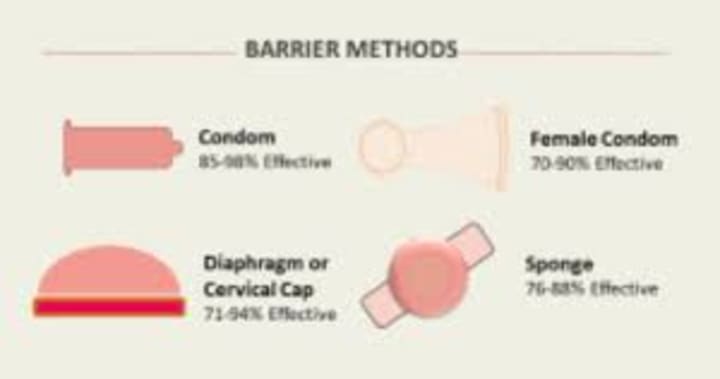
Condoms are one of the most commonly used barrier methods. They are made of latex, polyurethane or lambskin and are worn over the penis during intercourse to prevent sperm from entering the vagina. Condoms are highly effective in preventing pregnancy and also protect against STIs.
Diaphragms are another type of barrier method. They are dome-shaped devices that are inserted into the vagina before intercourse to cover the cervix and prevent sperm from entering the uterus. Diaphragms must be used with a spermicide to be effective in preventing pregnancy.
Barrier methods are a great option for women looking for a non-hormonal form of birth control. They are easy to use, and they are available over the counter. They also do not require a prescription.
It's important to note that barrier methods must be used correctly and consistently to be effective in preventing pregnancy. They also do not provide protection against STIs, so it's important to use a barrier method in conjunction with other methods such as condoms to reduce the risk of STIs.
Long-acting reversible contraceptives (LARCs)
Long-acting reversible contraceptives (LARCs) are a type of birth control that can provide long-term pregnancy prevention with a high level of effectiveness. The two most common LARCs are the intrauterine device (IUD) and the contraceptive implant.
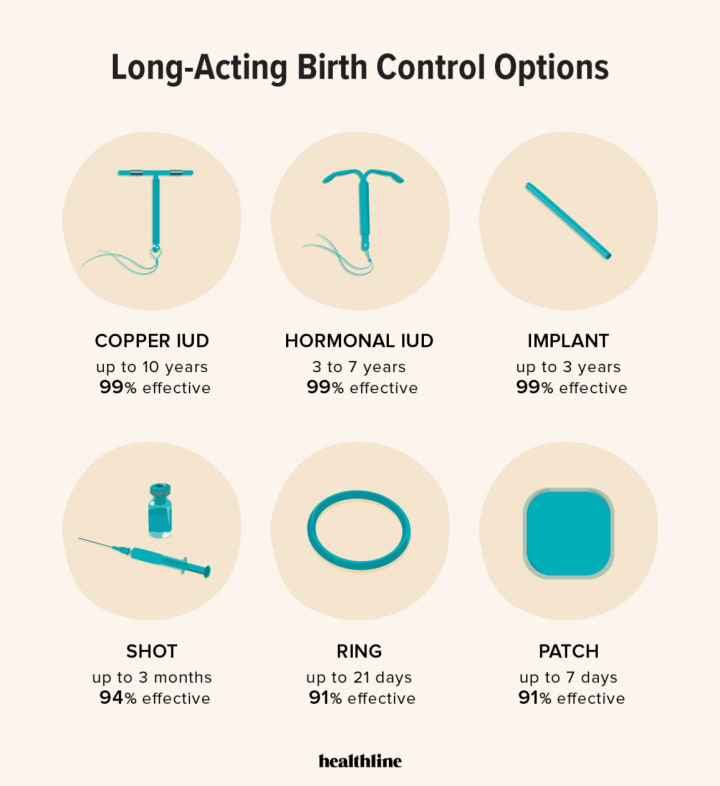
The IUD is a small, T-shaped device that is inserted into the uterus by a healthcare provider. There are two types of IUDs: the hormonal IUD (Mirena, Skyla, Liletta) and the copper IUD (ParaGard). The hormonal IUDs release a small amount of progestin that thickens the cervical mucus, making it difficult for sperm to reach the egg, while the copper IUD works as a spermicide. Both types of IUDs can remain in place for up to 5-10 years, depending on the type.
The contraceptive implant is a small, flexible rod that is inserted under the skin of the upper arm by a healthcare provider. The implant releases a small amount of progestin that thickens the cervical mucus, making it difficult for sperm to reach the egg. The implant can remain in place for up to three years.
Both LARCs are highly effective at preventing pregnancy and do not require daily attention like the pill or the need for a barrier method like condoms. They can also be used to reduce the severity of menstrual cramps and the IUD can also help reduce the amount of menstrual bleeding.
It's important to note that LARCs do not protect against sexually transmitted infections (STIs), so condoms should be used in addition to LARCs to reduce the risk of STIs. It's also important to consult with a healthcare provider before choosing a LARC to ensure that it is the right choice for you and to discuss potential side effects.
Permanent birth control:
Permanent birth control, also known as sterilization, is a form of contraception that is intended for women who have completed their families or who do not wish to have children. These methods are not reversible and are intended to provide permanent protection against pregnancy.
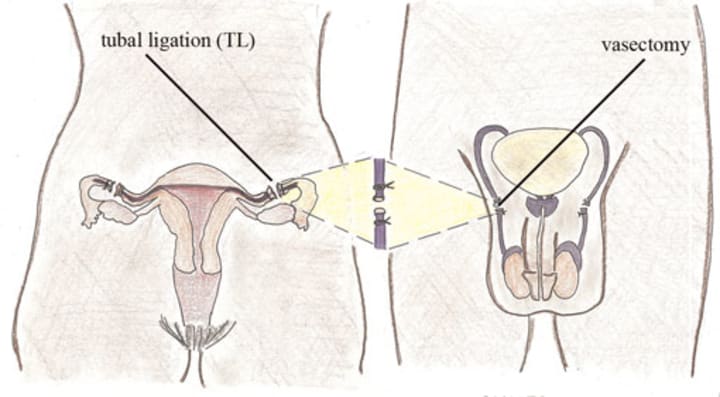
The most common permanent birth control methods for women are tubal ligation (also known as "getting your tubes tied") and hysteroscopic sterilization.
Tubal ligation is a surgical procedure that involves cutting, tying or blocking the fallopian tubes to prevent the egg from reaching the sperm and fertilization. It is an outpatient procedure that is usually done under general anaesthesia. This procedure can be done immediately after delivery via cesarean section or at a later date through a small incision in the abdomen or via laparoscopy.
Hysteroscopic sterilization is a non-surgical procedure that uses a small device that is inserted through the cervix and into the uterus to block the fallopian tubes. This procedure is also done on an outpatient basis and usually under local anaesthesia.
It's important to note that these methods are permanent and not reversible and they should be considered carefully before making a decision. It is important to discuss the benefits and risks of these methods with a healthcare provider before making the decision to undergo permanent birth control.
In conclusion, permanent birth control options, such as sterilization, are not reversible and are intended for women who have completed their families or who do not wish to have children. They do not regulate the menstrual cycle but they can be used as a permanent solution to prevent pregnancy. It's important to discuss the benefits and risks of these methods with a healthcare provider before making the decision to undergo permanent birth control.
In conclusion, birth control and the menstrual cycle are closely linked and understanding the different options available can help women make informed decisions about their reproductive health. Hormonal birth control methods, such as the pill, patch, and ring, can regulate the menstrual cycle and prevent pregnancy. However, they can also have side effects such as headaches, nausea, and changes in mood.
Barrier methods, such as condoms and diaphragms, protect against pregnancy but do not regulate the menstrual cycle.
Long-acting reversible contraceptives (LARCs), such as the intrauterine device (IUD) and the contraceptive implant, are highly effective at preventing pregnancy and do not require daily attention. They can also be used to reduce the severity of menstrual cramps and the IUD can also help reduce the amount of menstrual bleeding.
Permanent birth control options, such as sterilization, are intended for women who have completed their families or who do not wish to have children. They do not regulate the menstrual cycle but they can be used as a permanent solution to prevent pregnancy.
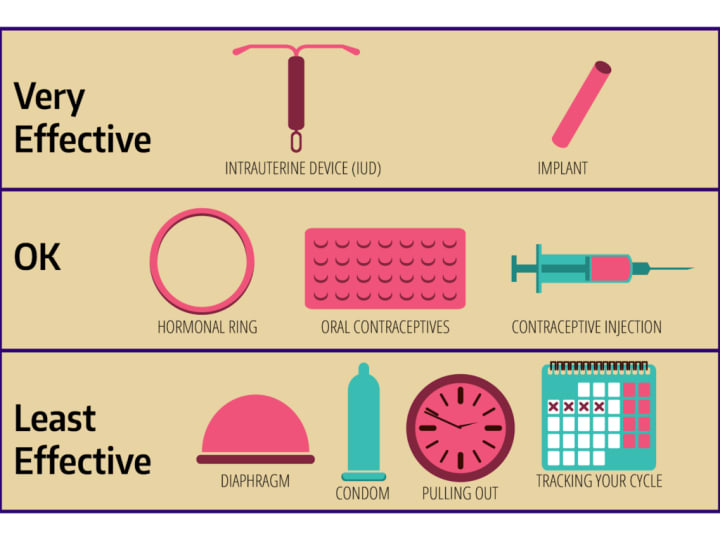
It's important to consult with a healthcare provider to determine the best option for individual needs and preferences. By understanding the different options available and their benefits and considerations, women can make informed decisions about their reproductive health and manage their menstrual cycle.
About the Creator
Nisha Suman
Look at the sky. We are not alone. The whole universe is friendly to us and conspires only to give the best to those who dream and work.
A. P. J. Abdul Kalam
Reader insights
Outstanding
Excellent work. Looking forward to reading more!
Top insights
Eye opening
Niche topic & fresh perspectives
Heartfelt and relatable
The story invoked strong personal emotions
Keep reading
More stories from Nisha Suman and writers in Viva and other communities.
The Menstrual Cycle and Your Health: How to Stay Balanced
The menstrual cycle is a natural process that occurs in the female body on a monthly basis, and it is closely tied to overall health and well-being. It is a complex process controlled by hormones, which regulate the growth and shedding of the uterine lining. Understanding the menstrual cycle and how it affects the body can help women maintain balance and optimal health.
By Nisha Suman 3 years ago in Viva
Is Lab-Grown Meat Even Edible?
For decades, the idea of meat grown in a laboratory sounded like something out of science fiction. The concept of producing a steak or chicken nugget without raising or slaughtering animals seemed futuristic, even unsettling to many people.
By Navigating the World5 days ago in Viva
Why Staying Near Victoria Falls Transforms Your Safari Experience
A safari is not only about the animals spotted on a drive. It is shaped by where the day begins, how it unfolds, and how it ends. Near Victoria Falls, the experience feels calmer, richer, and far more personal. Staying close changes the pace, the mood, and the way the wild is remembered.
By Claudia Fennel2 days ago in Viva


Comments (1)
nice