

”Welcome to the world little baby!” “You are so precious to your father and I.” “I promise to protect you from all the dangers in the world”. All things a mother wishes to say to her newborn. Well, many women can’t.
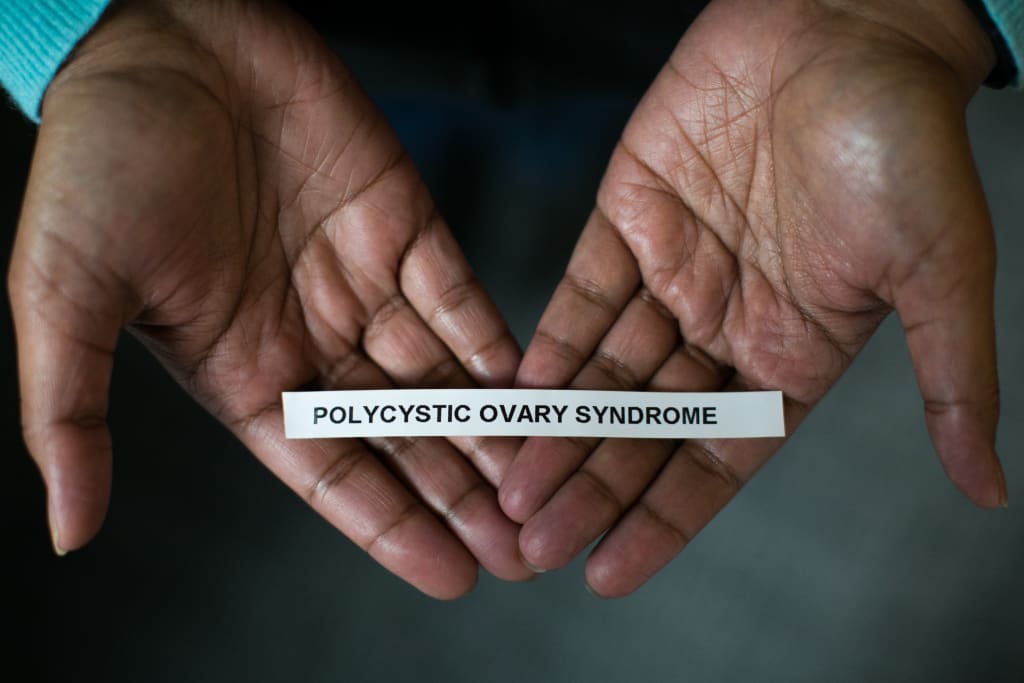
PCOS, known as Polycystic ovarian syndrome, is a health problem caused by an imbalance of reproductive hormones, which then creates problems in the ovaries. The ovaries make eggs that are released each month during her period. With PCOS, the egg doesn’t develop as it should or it is not released during ovulation like it should be. PCOS can cause missed periods or irregular periods, which can also cause infertility and cysts on and on the ovaries.
Between five-ten percent of women between the ages of fifteen and forty-five, have PCOS. Most females find out whether they have PCOS in their twenties or thirty’s, when most women are trying to conceive. But PCOS can happen to any woman at any age during puberty. Women of all races and ethnicities are at risk, higher if obese or through genetics if another female in the family has PCOS.
PCOS is hard to detect but some of the symptoms include irregular periods, an excess of hair on the face, chin, and other parts of the body, acne on the face, back, and chest, thinning of hair, weight gain, darkening of skin, and skin tags.
The cause of PCOS is unknown, however, most scientists agree that high levels of androgens and high levels of insulin play a role. Androgens are sometimes called “male hormones” although all females produce small amounts of this hormone. They control the development of male traits, such as baldness and thinning of the hair on the scalp. Women with PCOS have more androgens than normal. Higher levels of androgens can prevent the egg from being released during ovulation. Insulin is a hormone that controls how you digest the food to turn into energy. Many women with PCOS have insulin resistance, especially those who are overweight or obese, have unhealthy eating habits, has little to no exercise, and has a family history with diabetes.
Having PCOS doesn’t mean you can’t conceive. PCOS is one of the most common, yet treatable, causes of infertility. Women with PCOS, the hormone imbalance interferes with the growth and release of the eggs during ovulation. No ovulation equals no pregnancy. Consult with a doctor about ways to help with ovulation and increase the chance to get pregnant.
PCOS can cause other health problems such as high blood pressure, diabetes, unhealthy cholesterol, sleep apnea, depression, anxiety, and endometrial cancer.
Women who are older and are going through menopause can experience symptoms of PCOS start to slow down closer to menopause. However, the hormone imbalance does not change with age, so they may continue to have symptoms of PCOS. The risks of PCOS related health problems, such as diabetes, stroke, and heart attack, increase with age. These risks may be higher in women with PCOS than those without.
PCOS is somewhat difficult to diagnose. To help diagnose PCOS, doctors may perform a physical exam, a pelvis exam, a sonogram, and blood tests. Once other conditions are ruled out, you may be diagnosed with PCOS if you having at least wo of the following symptoms: irregular periods, signs of high androgens, higher than normal blood levels on androgens and signs of multiple cysts on one or both ovaries.
There is no cure for PCOS, but you can manage the symptoms of PCOS with medications.
PCOS can be treated with medicine, some including a hormonal birth control (pill, patch, shot, vaginal ring, IUD), anti-androgen medicines, and metformin.
If you want to get pregnant but have PCOS, try losing weight, medicine, IVF, or surgery.
PCOS can cause problems during pregnancy. Women with PCOS have higher rates of miscarriages, gestational diabetes, preeclampsia, and giving birth via c-section. The baby also has a higher risk of being on the heavier side as well as spending some time in the NICU.
Infertility is defined as not being able to get pregnant after one year or longer of unprotected sex. Because fertility in women is known to decline at a rapid rate with age, some provide evaluate and treat women aged 35 and older after 6 months of unprotected sex.
About the Creator
Keep reading
More stories from Emma Stevens and writers in Viva and other communities.
The goddess of ten thousand names.
I wanted to write about the goddess Isis for some time now, but felt like my understanding of her is too limited, and my perspective won’t do this powerful archetype a justice. Mainly because, just like the title of this essay suggests, she was the embodiment of countless archetypes, and I haven’t studied them enough.
By Eva Smitteabout 11 hours ago in Viva




Comments
There are no comments for this story
Be the first to respond and start the conversation.