
Hormonal Imbalance in Women: Symptoms, Causes, and Natural Fixes
Discover the Signs of Hormonal Imbalance in Women, Understand the Root Causes, and Learn Effective Natural Remedies for Restoring Hormonal Health

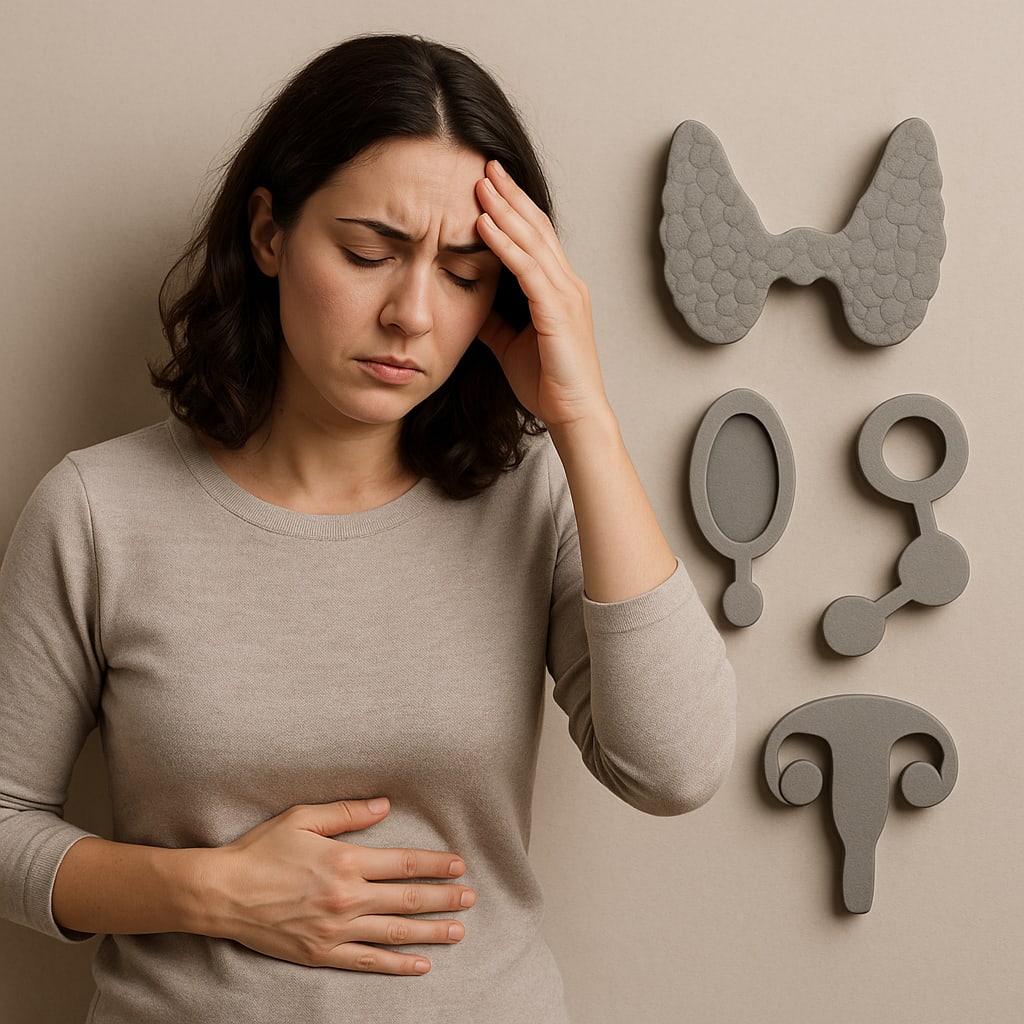
Hormones are powerful chemical messengers. They quietly regulate nearly every function in a woman’s body—sleep, metabolism, mood, reproduction, and even how skin looks. When these delicate chemical levels shift too far out of balance, the effects can be subtle at first, then progressively harder to ignore.
Hormonal imbalance in women is more common than many realize. It can happen at any age, not just during menopause or pregnancy. Some women experience it for years without understanding why they feel exhausted, irritable, or unlike themselves.
This article takes a deep look at what hormonal imbalance really is, how it manifests, and practical, natural ways to bring the body back into alignment.
What Is Hormonal Imbalance?
Hormonal imbalance occurs when the body produces too much or too little of certain hormones. Even a small change in levels can disrupt entire systems. Estrogen, progesterone, cortisol, insulin, and thyroid hormones are the most commonly involved in female imbalances.
These hormones work together in a complex network. If one becomes unbalanced, it often triggers a chain reaction. For example, high stress may elevate cortisol, which in turn affects progesterone levels, menstrual cycles, and even weight regulation.
Common Symptoms of Hormonal Imbalance in Women
Symptoms can vary greatly, but many women notice patterns.
1. Irregular Periods
Cycles that arrive early, late, or skip entirely may point to estrogen or progesterone fluctuations.
2. Persistent Fatigue
Feeling tired even after a full night’s sleep often signals thyroid or adrenal hormone issues.
3. Unexplained Weight Changes
Weight gain, especially around the belly, can be linked to cortisol or insulin imbalance. Unexplained weight loss may indicate thyroid overactivity.
4. Mood Swings and Anxiety
Sudden irritability, sadness, or heightened anxiety may stem from changes in estrogen, progesterone, or serotonin regulation.
5. Skin and Hair Changes
Acne, dry skin, hair thinning, or unusual hair growth can result from shifts in testosterone or estrogen.
6. Low Libido
Dips in sexual desire may be related to low estrogen, progesterone, or testosterone levels.
7. Sleep Disturbances
Difficulty falling or staying asleep may connect to melatonin, cortisol, or estrogen changes.
Root Causes of Hormonal Imbalance
Hormones don’t exist in isolation. Multiple lifestyle, environmental, and biological factors can cause disruption.
1. Chronic Stress
High stress elevates cortisol. Over time, this can suppress reproductive hormones, impair sleep, and slow metabolism.
2. Poor Diet
A diet high in refined sugars, processed foods, and low in nutrients can destabilize insulin and thyroid function.
3. Environmental Toxins
Chemicals in plastics, pesticides, and beauty products can mimic or block natural hormones.
4. Medical Conditions
Polycystic ovary syndrome (PCOS), thyroid disorders, diabetes, and endometriosis all involve hormonal shifts.
5. Life Stages
Puberty, pregnancy, postpartum recovery, and menopause naturally alter hormone levels. Sometimes, the body struggles to regain balance afterward.
6. Lack of Sleep
Sleep deprivation disrupts cortisol and growth hormone cycles, making other imbalances worse.
Natural Approaches to Restoring Hormonal Balance
While severe imbalances may require medical intervention, many women find relief through natural lifestyle shifts.
1. Balance Your Diet
Focus on whole, nutrient-dense foods. Healthy fats from avocado, olive oil, and nuts support hormone production. Lean proteins stabilize blood sugar, while leafy greens aid liver detoxification of excess hormones.
2. Support the Adrenal Glands
Reduce caffeine, practice deep breathing, and prioritize rest to lower chronic cortisol levels.
3. Maintain a Healthy Weight
Fat cells produce estrogen. Too much body fat can cause estrogen dominance, while too little can lower estrogen to unhealthy levels.
4. Exercise Wisely
Moderate, consistent exercise—such as strength training, yoga, or walking—supports insulin sensitivity and stress reduction without overtaxing the body.
5. Limit Toxin Exposure
Choose glass or stainless steel over plastic, opt for organic foods when possible, and use natural personal care products.
6. Prioritize Sleep
Aim for 7–9 hours of quality sleep to keep cortisol and growth hormone cycles steady.
7. Use Herbal Support
Some women benefit from herbs like ashwagandha (for stress), maca root (for energy and libido), and chasteberry (for menstrual regulation). Consult a qualified herbalist or healthcare provider before starting supplements.
When to Seek Medical Help
If symptoms persist despite lifestyle changes, it’s wise to consult a healthcare professional. Blood tests, saliva testing, or urine hormone panels can pinpoint imbalances and guide targeted treatment.
Some women may need short-term bioidentical hormone therapy or other medical interventions, especially if symptoms are severe or linked to underlying conditions.
Hormonal imbalance in women is not just a health buzzword—it’s a real, measurable shift that can influence every aspect of life. The good news is that the body often responds well to supportive changes.
By understanding the signs, identifying the root causes, and making intentional lifestyle adjustments, women can move toward balance naturally. And when needed, modern testing and treatment can complement these efforts, creating a path toward lasting well-being.
About the Creator
Richard Bailey
I am currently working on expanding my writing topics and exploring different areas and topics of writing. I have a personal history with a very severe form of treatment-resistant major depressive disorder.
Keep reading
More stories from Richard Bailey and writers in Viva and other communities.
Why Am I Always Tired as a Woman? Hidden Causes You Shouldn’t Ignore
If you constantly feel drained no matter how much you sleep, you're not alone. Many women silently battle a deep, unrelenting fatigue that doesn’t go away with a cup of coffee or a few extra hours of rest. The exhaustion can be physical, mental, emotional—or a complex combination of all three. And while feeling tired now and then is normal, being tired all the time isn’t.
By Richard Bailey7 months ago in Viva
Is Lab-Grown Meat Even Edible?
For decades, the idea of meat grown in a laboratory sounded like something out of science fiction. The concept of producing a steak or chicken nugget without raising or slaughtering animals seemed futuristic, even unsettling to many people.
By Navigating the World5 days ago in Viva
Why Staying Near Victoria Falls Transforms Your Safari Experience
A safari is not only about the animals spotted on a drive. It is shaped by where the day begins, how it unfolds, and how it ends. Near Victoria Falls, the experience feels calmer, richer, and far more personal. Staying close changes the pace, the mood, and the way the wild is remembered.
By Claudia Fennel2 days ago in Viva



Comments
There are no comments for this story
Be the first to respond and start the conversation.